
 Thabo Nkosi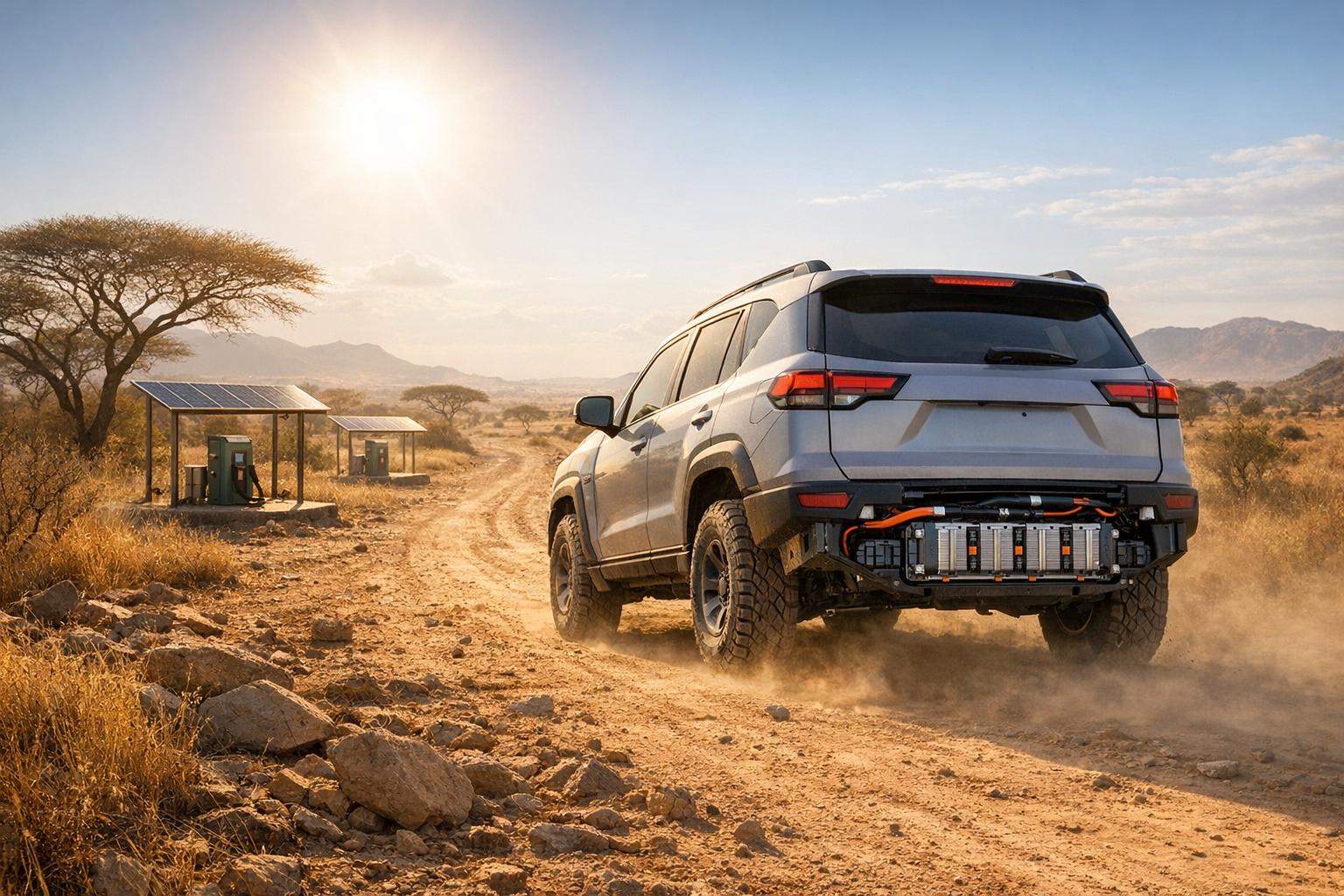
Africa presents unique challenges for EV batteries: extreme heat, rough roads, and unreliable power grids. These factors accelerate battery wear, reduce efficiency, and complicate charging. Here’s how manufacturers are addressing these issues:
- Heat Resistance: Lithium Iron Phosphate (LFP) batteries, liquid cooling, and phase change materials are being used to handle high temperatures.
- Durability for Roads: Reinforced housings and shock-resistant designs protect batteries from damage caused by unpaved roads.
- Charging Solutions: Battery swapping and solar-powered mini-grids are making EVs more practical in areas with unstable electricity.
- Cost Reduction: Battery leasing models and recycling programs lower upfront costs and promote sustainability.
LFP batteries, with their higher heat tolerance and longer lifespan, are becoming the preferred choice in Africa. Combined with innovative charging solutions and localized designs, these advancements are making EVs more viable across the continent.
Tech: Africa’s Battery Swapping Revolution For EVS
Battery Technologies That Handle High Temperatures

EV Battery Chemistry Comparison: LFP vs NMC vs Solid-State for African Climate
The development of battery technologies that can endure extreme heat is advancing rapidly, especially in regions like Africa, where temperatures often push the limits of conventional systems. The key lies in maintaining batteries within their ideal operating range of 59°F to 95°F (15°C to 35°C). Operating beyond this range can accelerate chemical reactions within the battery, leading to faster wear and potential safety issues.
Thermal Management Systems
To tackle high temperatures, manufacturers are employing innovative thermal management systems. Liquid cooling has become a go-to solution for electric vehicles (EVs) operating in extreme heat. This method uses coolant circulated through mini-channel cold plates, capable of dissipating up to 1,000 W/cm² of heat. While more complex and expensive than air cooling, liquid cooling is essential for EVs that need effective thermal regulation during fast charging and high-performance driving in harsh climates.
For more affordable EVs, Phase Change Materials (PCM) provide a simpler alternative. These materials absorb large amounts of heat as they melt, maintaining consistent temperatures across the battery pack without relying on pumps or fans. However, PCM systems need time to cool and solidify before they can absorb more heat. To optimize efficiency, sensors in the Battery Management System (BMS) adjust cooling dynamically to prevent localized overheating.
In September 2025, Starz Energies became North Africa’s first lithium-ion battery manufacturer, designing thermal management systems specifically for the region’s challenging climate. Meanwhile, in October 2024, Valeo and TotalEnergies expanded their partnership to test immersion cooling, a cutting-edge technique where battery cells are submerged in a liquid dielectric. This method maximizes heat transfer during rapid charging.
These thermal management solutions are complemented by advancements in battery chemistries, making batteries even more resilient to high temperatures.
Battery Chemistries Built for Heat
In addition to cooling technologies, the choice of battery chemistry plays a major role in handling extreme heat. Lithium Iron Phosphate (LFP) batteries stand out as particularly suitable for hot environments. They have a thermal runaway trigger point of 446°F (230°C), significantly higher than the 320°F (160°C) threshold for Nickel Manganese Cobalt (NMC) batteries. This higher safety margin makes LFP batteries a preferred option in demanding conditions.
LFP batteries also offer impressive durability, delivering 3,000 to 6,000+ charge cycles compared to the 800 to 2,000 cycles typical of NMC batteries. On top of that, they are about 30% cheaper per kilowatt-hour, making them more accessible in emerging markets. Manufacturers are increasingly adopting LFP technology, with BYD’s "blade cell" design being a prime example. Introduced in 2021, the design integrates elongated LFP cells directly into the battery pack, improving heat dissipation and packaging efficiency by eliminating extra housing that could trap heat.
Another promising development is solid-state batteries, which replace liquid electrolytes with solid materials. This eliminates fire risks and ensures stable performance even in extreme temperatures. In September 2025, Factorial Energy tested a solid-state battery in a modified Mercedes-Benz EQS, achieving over 745 miles on a single charge in both hot and cold conditions. This achievement was independently verified by Stellantis. Although still in the prototype phase and costly, solid-state batteries hold the potential to deliver exceptional performance in regions like Africa.
| Battery Chemistry | Heat Tolerance | Thermal Runaway Point | Cycle Life | Cost |
|---|---|---|---|---|
| LFP | High | 446°F (230°C) | 3,000–6,000+ cycles | Lower |
| NMC | Moderate | 320°F (160°C) | 800–2,000 cycles | Higher |
| Solid-State | Very High | N/A (no liquid electrolyte) | Testing phase | Currently high |
Building Batteries for Rough Roads
Africa’s road conditions are notoriously tough, often pushing vehicles beyond the limits of standard global EV designs. Take the Democratic Republic of the Congo, for example – its underdeveloped transport networks expose vehicles to extreme physical stress. In such environments, reinforced battery protection isn’t a bonus; it’s an absolute must. While thermal management systems address heat challenges, new design innovations are stepping up to handle the relentless pounding from rough terrain. Unpaved roads bring constant vibrations, shocks, and impacts, which can quickly wear down battery systems that aren’t built to endure such punishment. The solution? Battery housings designed to absorb shocks and shield the system from damage.
Reinforced Battery Housings Built for Tough Terrain
The secret to durable battery housings lies in localized research and development. A great example of this is Roam (formerly Opibus), a Kenyan startup that’s making waves with its electric motorcycles designed for "boda boda" drivers – motorcycle taxi operators who clock up to 130 kilometers daily on rugged terrain. Back in late 2021, Roam invested heavily in local R&D and assembly to create vehicles that could not only survive these grueling conditions but also remain affordable, matching the cost of traditional gas-powered motorcycles. Their approach? Build high-durability frames and battery housings capable of enduring the demands of commercial use on unpaved roads.
"Opibus in Kenya is investing in local R&D and assembly to build an electric motorcycle tailored to the needs of boda boda drivers who demand a high-durability vehicle." – McKinsey & Company
Another innovative approach comes from Ampersand in Rwanda, which uses battery-swapping models. These systems require housings tough enough to withstand both road vibrations and frequent handling. The results are promising: pilot studies show that over 90% of drivers using electric two-wheelers in Sub-Saharan Africa believe these vehicles perform as well as, or even better than, traditional alternatives – even on the roughest roads.
Waterproofing and Dust Protection
Shock absorption is just one piece of the puzzle. Batteries in this region also need to be shielded from environmental hazards like water, mud, and dust. The National Renewable Energy Laboratory highlights the importance of designing enclosures that block such elements while maintaining internal conditioning. This is especially critical for vehicles operating in rural or off-road settings, where they often face flooding, dust storms, and extreme weather.
"Understanding key considerations for selecting a battery type and operating it effectively are foundational… including evaluating… key design considerations for the enclosures that house the batteries." – National Renewable Energy Laboratory (NREL)
LFP (Lithium Iron Phosphate) batteries add another layer of durability, standing up well to physical stress. As local assembly operations grow in places like Kenya and Rwanda, manufacturers are prioritizing standardized enclosures that can handle both the rugged demands of mobile applications and the unique environmental challenges of the region.
sbb-itb-99e19e3
Charging and Maintenance Solutions for Africa
As electric vehicle (EV) batteries are tailored to endure Africa’s challenging conditions, innovative charging and maintenance solutions play a crucial role in keeping them functional. One of the biggest hurdles for EVs in Africa is the unreliable power grid. In 2020, sub-Saharan Africa’s System Average Interruption Disruption Index (SAIDI) stood at 39.30, a stark contrast to the 0.87 recorded for high-income OECD countries. In fact, fewer than half of grid-connected users in 34 African nations enjoy dependable electricity. This has spurred the development of alternative charging solutions designed specifically for the region.
Battery-Swapping Networks
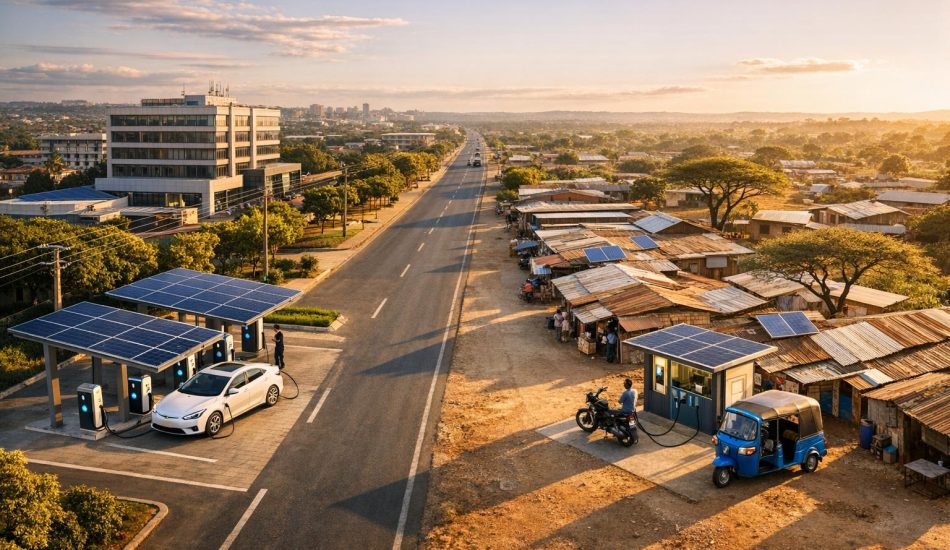
Battery swapping has emerged as a practical and efficient solution, especially for commercial EV operators. Between February 2022 and April 2023, a partnership involving Energy 4 Impact, Arc Ride, and Fika Mobility set up a network of charging and battery-swapping stations in Nairobi. This initiative aimed to test the feasibility of the Battery as a Service (BaaS) model for e-bike fleets. With this system, drivers can swap out a drained battery for a fully charged one in under five minutes – far quicker than the 20 to 60 minutes required for DC fast charging.
"Battery swapping for riders [provides] ready access to charged-up batteries, reductions in time-consuming charging processes and fuel cost savings." – Energy 4 Impact
The financial benefits are clear too. Modular battery-swapping stations are 3 to 10 times cheaper to build and install compared to traditional DC fast-charging stations. On top of that, they deliver energy at prices 10% to 20% lower than gasoline. Ampersand, a company in Rwanda, has been developing this model since early 2022, focusing on the motorcycle taxi market, where over 90% of two-wheelers are used commercially. By separating the battery cost from the vehicle purchase, the BaaS model significantly reduces the initial price, making EVs more accessible to drivers who might otherwise stick with gas-powered options. While battery swapping is a game-changer, other charging methods are equally crucial in areas with limited grid access.
Local Charging Infrastructure Development
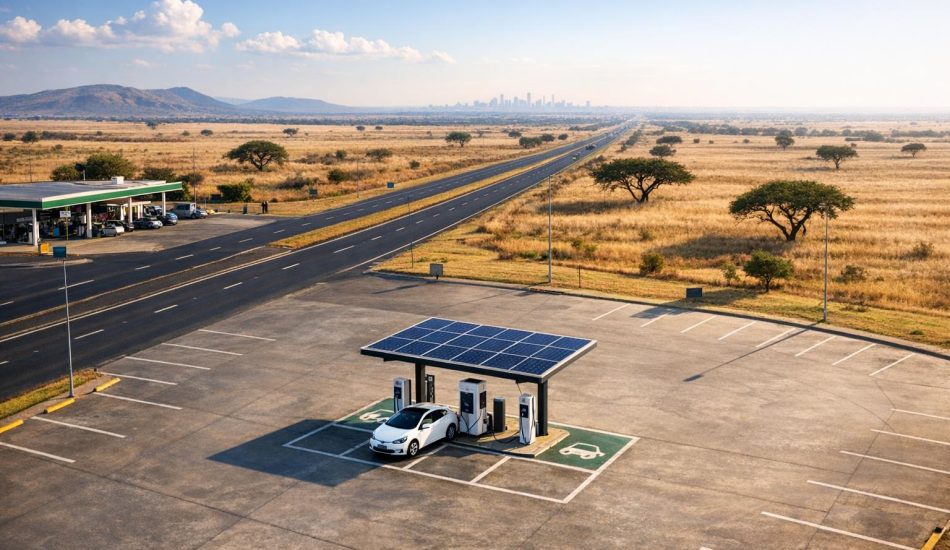
In regions where battery-swapping networks aren’t feasible, local charging solutions, such as solar-powered mini-grids, provide a viable alternative. Electric two-wheelers, with their relatively small batteries, are particularly well-suited for charging via mini-grids. This makes them a practical choice for areas with unreliable or no grid access. For instance, Roam (formerly Opibus) has been investing in local research and development since late 2021 to create motorcycles that can travel up to 80 miles (130 kilometers) daily under rugged conditions – ideal for the boda boda market.
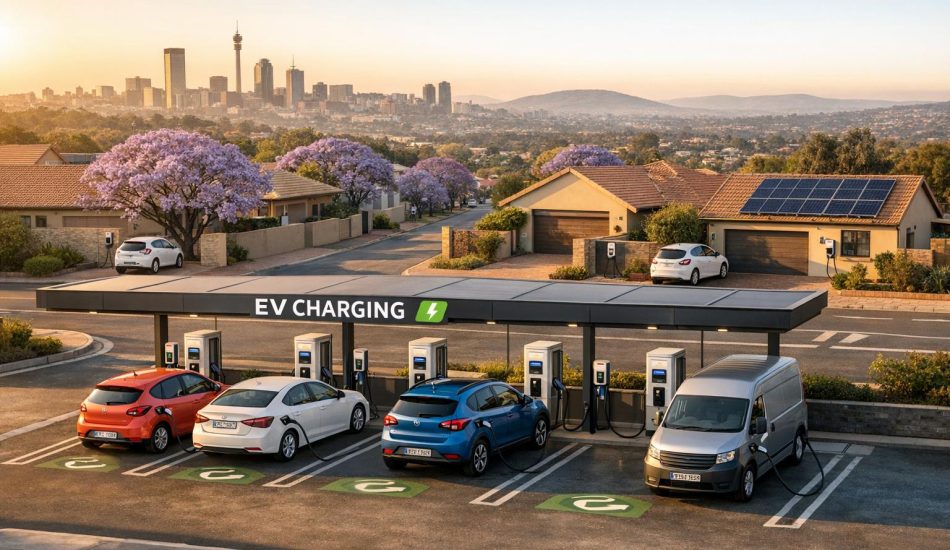
Charging needs vary depending on the type of EV. Personal vehicles typically use Level 2 chargers, which cost between $200 and $1,000 and provide 12 to 80 miles of range per hour of charging. On the other hand, commercial vehicles rely on Level 3 DC fast chargers, which are significantly more expensive, costing tens of thousands of dollars. Tailoring charging solutions to local conditions is key – solar-powered swap stations are ideal for rural areas, while fast chargers are better suited for urban settings.
Affordable Battery Options and Recycling Programs
The high upfront cost of EV batteries is a major obstacle to adoption in Africa. For example, in South Africa, the average EV price in 2024 hovers around $44,000. While building reliable charging networks and crafting durable vehicle designs are essential, financial strategies and recycling programs play a critical role in making EVs more accessible and sustainable.
Battery Leasing and Financing Options
Battery leasing offers a way to separate battery costs from the vehicle itself, significantly lowering the initial purchase price. The Battery as a Service (BaaS) model – already thriving in East Africa’s two-wheeler market – enables drivers to pay only for the energy they consume instead of purchasing the battery outright. This setup can reduce the total cost of ownership for electric two-wheelers by 25% over five years compared to gas-powered alternatives.
Kenya, in particular, is leveraging its advanced mobile money systems to support innovative financing solutions. Companies like M-KOPA and Watu Credit provide digital loans and lease-to-own programs tailored for electric motorcycles. With 40% of Kenya’s population over age 15 using mobile money or formal financial services in 2024, these programs have a solid foundation to thrive. Meanwhile, South Africa has pledged approximately $54 million to boost local EV and battery production, aiming to lower costs through increased production efficiency.
But financing is just one piece of the puzzle. Recycling and reusing batteries are equally important in addressing both cost and environmental challenges.
Battery Recycling and Second-Life Uses
When EV batteries lose 70-80% of their original capacity, they’re no longer optimal for vehicles. However, these batteries can still be repurposed for 10+ years in stationary energy storage systems. For instance, they can be used in solar mini-grids, which are particularly valuable in regions with unreliable electricity. Recycling processes, such as hydrometallurgy, can recover 95% of cobalt and nickel and 80-90% of lithium from old batteries, creating a circular economy that minimizes the need for new raw materials.
"This collaboration goes beyond technology advances, it’s about delivering environmentally responsible, locally sourced solutions that are accessible to all." – Project leader, Project StamiNa
Emerging sodium-ion battery technology, spearheaded by initiatives like Project StamiNa in Kenya and Nigeria, offers another promising avenue. These batteries could slash costs by 30-40% compared to traditional lithium-ion options. Unlike lithium, sodium is more abundant and requires 682 times less water to extract. As these technologies evolve and recycling systems grow, Africa can steadily overcome the financial and environmental hurdles tied to EV adoption.
Conclusion: Technology Advances EV Adoption in Africa
Advancements in battery technology are playing a key role in boosting EV adoption across Africa. Lithium iron phosphate (LFP) batteries, in particular, have emerged as a standout option for the region. Why? They’re roughly 30% cheaper per kilowatt-hour (kWh) compared to traditional NMC batteries and can withstand daily 100% charging cycles without the wear and tear typically caused by extreme heat. By 2024, LFP batteries dominate over 50% of the market in regions like India, Southeast Asia, and Brazil, showcasing a global preference for durable, cost-effective solutions.
Industry experts back this trend:
"LFP batteries have now reached a performance level sufficient for most EV applications, making their lower cost a key advantage for automakers aiming to mass markets." – IEA, Global EV Outlook 2025
Beyond batteries, innovative solutions like swapping stations and second-life battery storage are enhancing grid stability. A great example is South Africa’s November 2023 initiative to add 360 MW of battery storage to its national grid. This move highlights how repurposed EV batteries can address power shortages while supporting energy reliability.
On the economic front, the benefits are hard to ignore. Lower overall costs and reduced reliance on fuel imports are making EVs an increasingly attractive option across the continent.
FAQs
What are the differences between LFP and NMC batteries when it comes to heat resistance and cost?
LFP (Lithium Iron Phosphate) batteries have an edge when it comes to heat resistance, outperforming NMC (Nickel Manganese Cobalt) batteries in high-temperature conditions. This makes them a solid option for regions with extreme heat, like certain parts of Africa, where elevated temperatures can impact battery efficiency.
On the cost front, LFP batteries are typically less expensive than their NMC counterparts. Their affordability, paired with their durability, makes them a practical choice for areas that deal with tough conditions, such as bumpy roads and intense heat. That said, NMC batteries do have the advantage of higher energy density, which translates to longer driving ranges for electric vehicles.
What are the advantages of battery swapping for electric vehicles in Africa?
Battery swapping presents a practical and speedy fix for one of the biggest hurdles to EV adoption in Africa: long charging times. Instead of waiting hours to recharge, drivers can swap their drained battery for a fully charged one in just a few minutes – often even quicker than filling up a gas tank. This not only slashes downtime but also eases range anxiety, which can be a major concern during lengthy trips or in areas far from charging infrastructure.
What’s more, these swapping stations can run on renewable energy sources like solar or wind. This is especially important in regions where the traditional power grid is underdeveloped or unreliable. By leveraging clean energy, battery swapping reduces the strain on existing infrastructure and supports a greener future. It also enables EV manufacturers to design vehicles with smaller, more affordable batteries without sacrificing range, making electric vehicles a more accessible and budget-friendly option for many.
The benefits don’t stop at convenience and affordability. Battery swapping can drive economic growth by generating jobs in station management and logistics. Plus, when paired with renewable energy, it plays a key role in reducing reliance on fossil fuels and lowering emissions – helping Africa move closer to its environmental goals.
How can EVs be charged in areas with unreliable electricity?
Charging electric vehicles in areas with unreliable power takes some creative problem-solving. A mix of renewable energy, energy storage systems, and smart charging methods can make it work. For example, solar panels are a go-to solution for off-grid electricity. Pair them with battery systems (typically 10–20 kWh) to store energy for nighttime or cloudy periods. In some cases, wind turbines or small hydro systems can step in to supplement solar power. And when renewable energy isn’t enough, small gas or diesel generators can recharge those storage batteries during extended outages.
For added flexibility, hybrid EVs – like plug-in hybrids (PHEVs) or range-extended EVs (REEVs) – can switch to gasoline power when charging options are scarce. Smart charging systems also play a key role, enabling vehicles to charge during off-peak hours or when renewable energy production is at its peak. On a larger scale, community microgrids combining solar panels, battery storage, and load management can offer shared charging stations, ensuring neighborhoods have access to power even if the main grid goes down.
These strategies not only keep EVs running but also help protect vehicle batteries, making them practical even in areas with inconsistent electricity.