
 Thabo Nkosi
Looking for affordable electric cars in Africa? Here’s a quick breakdown of the most budget-friendly EVs in key African markets like South Africa, Kenya, and Nigeria. Prices have dropped, and options have expanded thanks to Chinese manufacturers and government-backed programs. Here’s what you need to know:
- South Africa: The Dayun S5 Mini SUV EV is the cheapest at $21,668 (R399,900). Other options include the BYD Dolphin and GWM ORA 03.
- Kenya: The Nissan Leaf leads with used models starting at $7,650 (KES 994,500), while newer models cost up to $14,850.
- Nigeria: The Changan Benni EV is priced at ₦20 million (~$12,195), offering a basic but practical option.
- Other Markets: Egypt and Morocco are seeing growth, with models like the Arcfox T1 and BYD Seagull priced between $25,563 and $27,184.
Key Takeaways:
- Entry-level EVs are now available for under $22,000 in South Africa and as low as $7,650 in Kenya (used).
- Driving ranges vary, from 210 km for the Changan Benni EV in Nigeria to 480 km for premium models like the Hyundai Kona Electric in Kenya.
- Government programs and local assembly efforts are helping lower costs and improve accessibility.
This guide highlights the cheapest EVs by country, their prices, and features to help you make the best choice.
TCS | We test drive South Africa’s cheapest electric car
1. South Africa: BYD Dolphin, GWM ORA 03, Dayun S5, Dongfeng Box
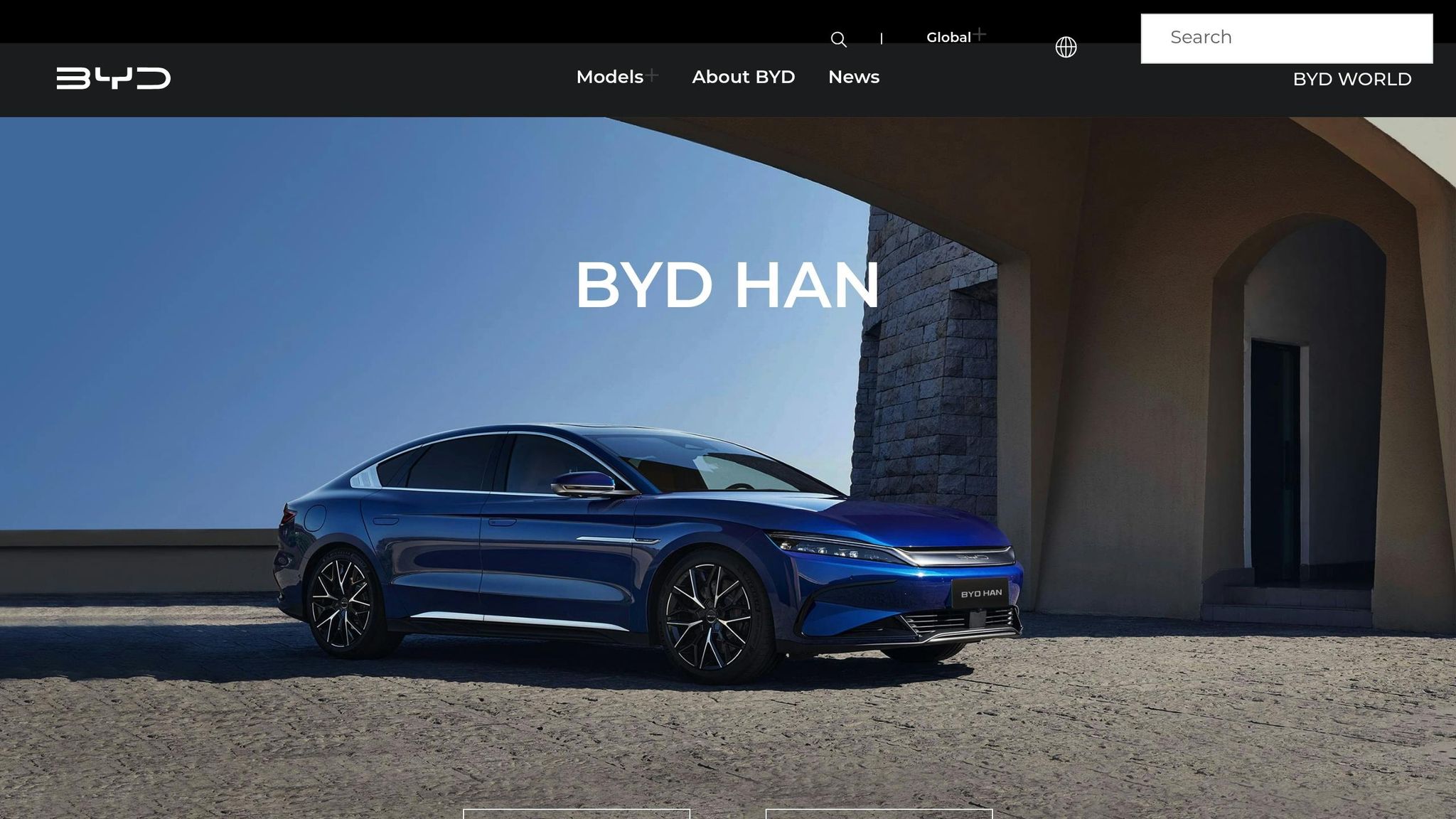
South Africa stands out as a leader in Africa’s electric vehicle (EV) market, offering several budget-friendly options. In January 2025, the Dayun S5 Mini SUV EV claimed the title of the most affordable EV in the country, overtaking the BYD Dolphin.
Price (Local Currency and USD)
The Dayun S5 Mini SUV EV, imported from China by Enviro Automotive, has set a new affordability milestone with a price tag of R399,900 ($21,668). For those looking for added features, the VIP version of the Dayun S5 Mini SUV is available for R449,900 ($24,375).
The BYD Dolphin, another popular choice, is priced at R539,900 ($29,254), while the GWM ORA 03 enters the market at the higher end, starting from R686,950. Pricing details for the Dongfeng Box in South Africa remain unavailable at this time.
| Model | Price (ZAR) | Price (USD) |
|---|---|---|
| Dayun S5 Mini SUV EV | R399,900 | $21,668 |
| Dayun S5 Mini SUV VIP | R449,900 | $24,375 |
| BYD Dolphin | R539,900 | $29,254 |
| GWM ORA 03 | From R686,950 | Not specified |
| Dongfeng Box | Not available | Not available |
The price difference of $7,586 between the Dayun S5 and the BYD Dolphin highlights the growing competition in South Africa’s EV market. With entry-level models now available for under $22,000, the market is becoming increasingly accessible, setting a promising precedent for other emerging EV markets.
2. Kenya: Nissan Leaf, BYD Dolphin, Renault Zoe, MG ZS EV, Hyundai Kona Electric
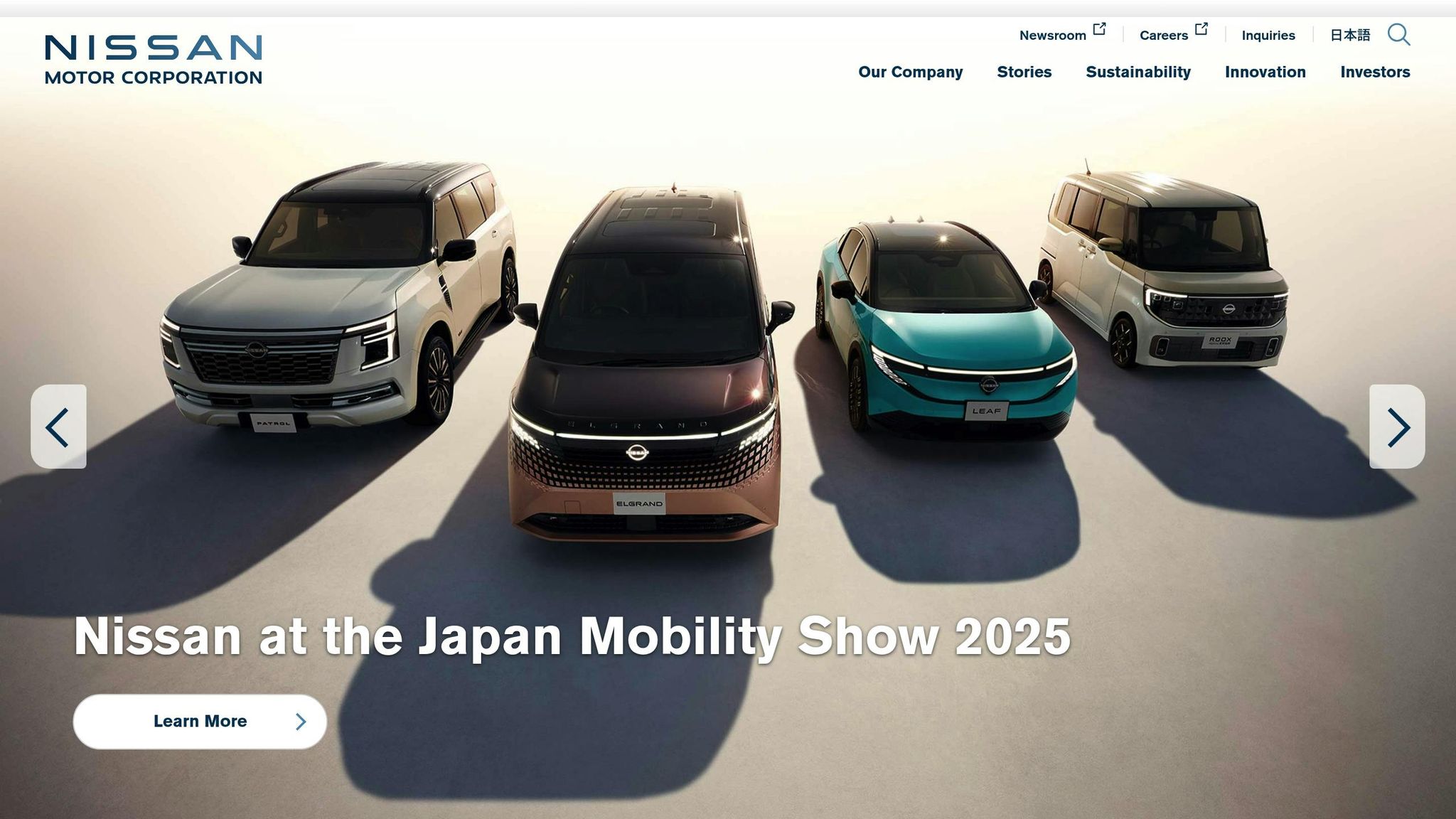
Kenya offers a mix of new and pre-owned electric vehicles (EVs), catering to a growing market with various price points. Among these, the Nissan Leaf stands out as the most affordable option. Buyers can choose from both brand-new and used models, depending on their budget and preferences.
Price (Local Currency and USD)
The Nissan Leaf comes at different price levels based on model year and mileage. For instance:
- A 2025 Nissan Leaf costs KES 1,865,500 ($14,350) for the 50 km variant and KES 1,930,500 ($14,850) for the 150 km version.
- Used options are also available:
- A 2021 Nissan Leaf with 11,020 km mileage is priced at KES 1,527,500 ($11,750).
- A 2019 Nissan Leaf with 27,000 km mileage is available for KES 994,500 ($7,650).
This means buyers can save up to $6,700 by opting for the older 2019 model instead of the latest 2025 version.
| Model Year | Mileage | Price (KES) | Price (USD) |
|---|---|---|---|
| 2025 Nissan Leaf (50 km) | 50 km | KES 1,865,500 | $14,350 |
| 2025 Nissan Leaf (150 km) | 150 km | KES 1,930,500 | $14,850 |
| 2021 Nissan Leaf | 11,020 km | KES 1,527,500 | $11,750 |
| 2019 Nissan Leaf | 27,000 km | KES 994,500 | $7,650 |
Currently, pricing details for the BYD Dolphin, Renault Zoe, MG ZS EV, and Hyundai Kona Electric in Kenya are not available.
Driving Range (Miles/Kilometers)
The Nissan Leaf provides a driving range of 240–270 km (149–168 miles) on a single charge. For those seeking longer distances, the Hyundai Kona Electric offers a significantly higher range of 400–480 km (249–298 miles). This creates a clear choice for buyers in Kenya: opt for a more affordable EV with a moderate range or spend more for a premium model with extended range capabilities.
Key Features (Safety, Technology, Warranty)
The Nissan Leaf is a practical and economical choice, especially for first-time EV buyers. On the other hand, the Hyundai Kona Electric, as a compact SUV, provides additional space, making it a great option for families or individuals who frequently transport passengers or cargo. However, specific details about warranties, safety ratings, and advanced technology features available in Kenya remain scarce.
3. Nigeria: Changan Benni EV
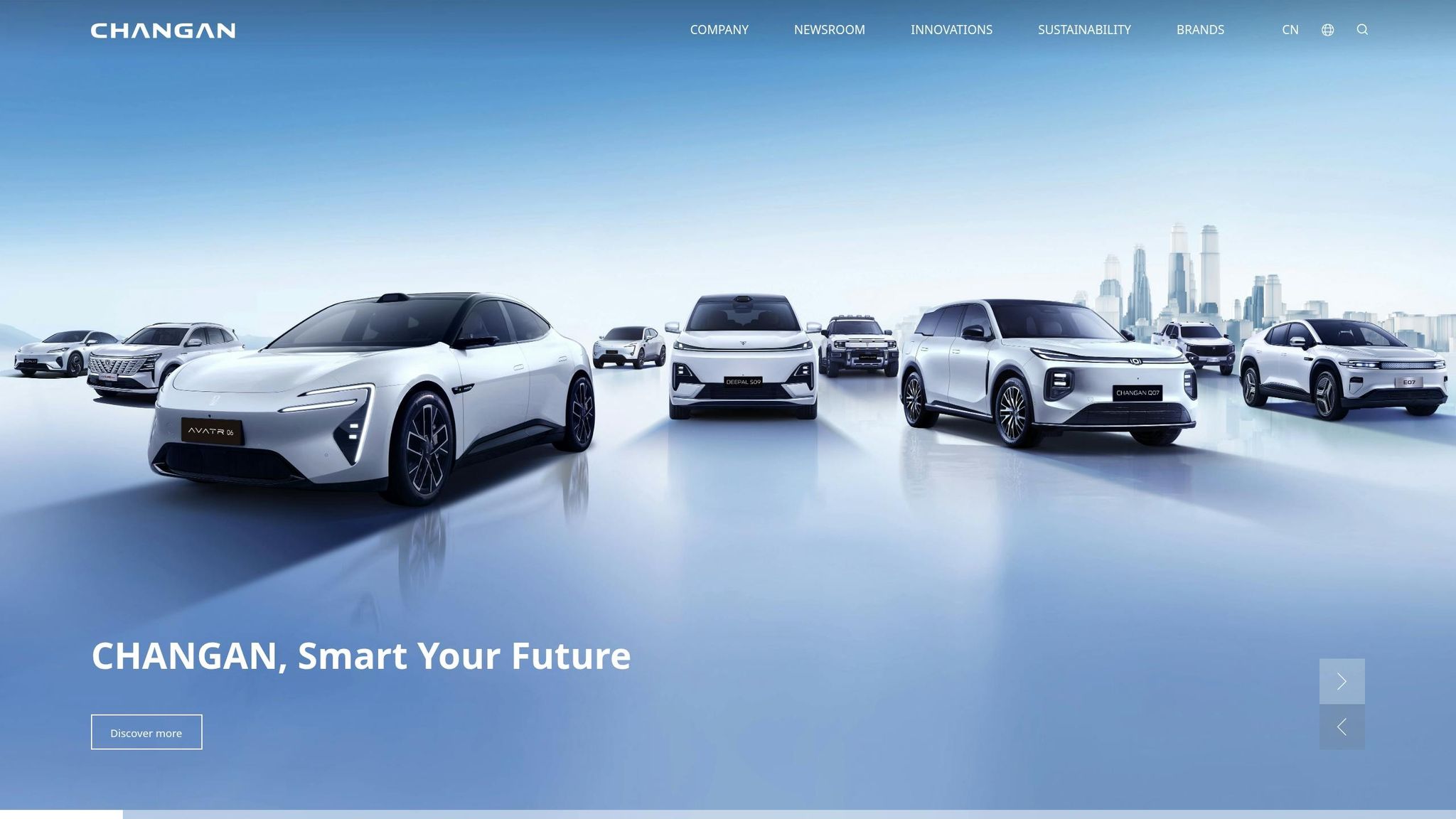
Nigeria’s electric vehicle market is still in its infancy, with limited options available for buyers on a budget. Among these, the Changan Benni EV stands out as a practical and affordable choice for those looking to embrace electric mobility.
Price (Local Currency)
For Nigerian buyers, price is often a decisive factor. The Changan Benni EV is priced at approximately ₦20 million, making it an entry-level option in the country’s growing EV market. This price reflects its straightforward design and basic features, catering to those seeking an economical way to transition to electric vehicles.
Driving Range
The Changan Benni EV offers a driving range of about 210 km. While this range isn’t suited for long road trips, it’s ideal for daily commutes and navigating urban environments. Its design prioritizes practicality for city driving, where shorter distances are the norm.
Key Features
Compact and easy to handle, the Changan Benni EV is built for Nigeria’s busy streets. Its small size ensures it can maneuver through tight spaces with ease. Inside, the car features a simple yet functional interior, including a digital instrument cluster and straightforward controls that provide all the essential information without unnecessary frills.
While it lacks the bold appearance of larger SUVs, the Changan Benni EV is a sensible option for buyers focused on affordability and efficiency in urban settings. For those prioritizing practicality over luxury, it delivers a cost-effective solution to meet everyday transportation needs.
sbb-itb-99e19e3
4. Other Markets: Egypt, Morocco, Ghana
After exploring South Africa, Kenya, and Nigeria, let’s turn our attention to other African nations making strides in electric mobility. With affordability playing a crucial role in EV adoption, countries like Egypt, Morocco, and Ghana are beginning to offer options that cater to budget-conscious consumers.
Egypt’s Expanding EV Market
Egypt’s electric vehicle market is gaining momentum, with 2024 sales surpassing 2,000 units. Among the budget-friendly options are the Arcfox T1 2026, priced at 789,900 EGP (approximately $25,563), and the BYD Seagull 2025, which ranges between 830,000 and 840,000 EGP ($26,861–$27,184). The expansion of manufacturing lines aimed at European exports has also contributed to an increase in local EV availability.
Morocco’s Role in EV Growth
Morocco also saw over 2,000 new electric car sales in 2024, reflecting a trend of steady growth. The country has been focusing on expanding its battery and EV production capabilities, creating a more supportive environment for electric mobility. While local policy incentives and the influx of affordable EVs from Chinese manufacturers are driving the market forward, specific pricing details for entry-level models remain scarce.
Ghana’s Early Adoption Phase
Ghana is still in the early stages of embracing electric vehicles. The market currently offers limited options, as the country works on building the necessary infrastructure and import channels to support wider adoption. Despite these challenges, Ghana is beginning to carve out its place in Africa’s EV journey.
Regional Growth Patterns
In 2024, EV sales across these emerging markets nearly doubled, reaching 11,000 units. However, electric vehicles still account for less than 1% of the continent’s total market share. Policy incentives, an increasing supply of affordable EVs from Chinese manufacturers, and evolving trade frameworks are gradually reshaping the landscape, paving the way for more accessible electric mobility in these developing regions.
Pros and Cons
When looking at affordable electric vehicles (EVs) in South Africa, each model comes with its own set of strengths and limitations. These reflect the compromises often made when transitioning to electric mobility.
South Africa’s Budget EV Options
South Africa’s EV market offers several budget-friendly models, each catering to different needs. The Dayun S5, priced at $21,668 (R399,900), is the most affordable option available. Its 186-mile (300 km) range makes it ideal for city commuting, but it’s less suitable for long-distance travel, which could be a drawback for some buyers.
The Dongfeng Box, costing $28,125 (R460,000), offers a more generous 267-mile (430 km) range. This makes it a more versatile choice, capable of handling both daily commutes and occasional longer trips. Its price-to-range balance is appealing, especially considering South Africa’s current charging infrastructure challenges.
For those willing to spend a bit more, the BYD Dolphin comes in at $29,254 (R539,900). It boasts a range of 265 miles (427 km) and includes advanced features like smart connectivity, voice control, and driving assistance systems, all supported by BYD’s reliable blade battery technology. While it offers more tech-savvy features, its higher price might deter budget-conscious buyers.
Charging Infrastructure and Practicality
One of the biggest factors influencing the practicality of these vehicles is the availability of charging infrastructure. Most charging networks are concentrated in urban centers, which means vehicles with extended ranges, like the Dongfeng Box and BYD Dolphin, are better suited for drivers who occasionally venture beyond city limits.
Adoption Challenges
Despite a growing EV market, adoption remains low, with EVs making up less than 1% of the overall automotive market in South Africa. This slow growth is tied to limited model availability, uneven charging infrastructure, and inconsistent government support – factors that directly affect affordability and accessibility.
At-a-Glance Comparison
Here’s a quick breakdown of the key strengths and drawbacks of South Africa’s most affordable EVs:
| Model | Country | Price (USD) | Range (miles) | Key Advantages | Drawbacks |
|---|---|---|---|---|---|
| Dayun S5 | South Africa | $21,668 | 186 | Lowest entry cost | Limited range, city use only |
| Dongfeng Box | South Africa | $28,125 | 267 | Best range-to-price ratio | Basic features |
| BYD Dolphin | South Africa | $29,254 | 265 | Advanced tech, proven battery | Higher price point |
Government Policies and Their Role
Government policies play a key role in shaping the EV market in South Africa and across Africa. Supportive policies can significantly impact pricing, model availability, and the overall affordability of EVs.
Which EV is Right for You?
For buyers focused on affordability and urban commuting, the Dayun S5 is the most accessible choice. However, if you’re looking for a vehicle that can handle both city driving and occasional longer trips, the Dongfeng Box offers a better balance of range and price. Meanwhile, the BYD Dolphin caters to those who value advanced technology and are willing to pay a premium for it.
In comparison to other African markets, South Africa benefits from more model availability, thanks in part to local manufacturing and supportive trade policies. This makes it an appealing market for buyers looking to explore electric mobility options.
Conclusion
Africa’s electric vehicle market in 2025 offers both opportunities and hurdles for budget-conscious buyers. Markets in South Africa, Kenya, and Nigeria illustrate how local conditions shape the availability and affordability of EVs, providing unique options for consumers in each region.
In South Africa, favorable trade policies and local manufacturing have created a competitive EV landscape with a variety of budget-friendly choices. Nigeria, while still developing its EV market, offers options like the Changan Benni EV, priced around $12,195 (₦20 million), signaling growing interest and gradual progress. Meanwhile, Kenya’s market stands out with a wider selection, giving buyers the chance to find vehicles that meet their specific preferences and financial constraints.
For budget buyers, focusing on models like the Changan Benni EV can be a smart move. Additionally, factoring in long-term savings on fuel and maintenance costs, as well as planning for home charging solutions, is crucial since public charging infrastructure is still in its early stages.
These trends underscore the role of government policies and local manufacturing in shaping EV options and influencing purchasing decisions. While EVs currently represent a small fraction of overall car sales, the increasing variety of models and the rise of financing solutions suggest a promising shift toward electric mobility for those ready to make the leap.
FAQs
How do government initiatives and local manufacturing impact the cost of electric vehicles in Africa?
Government initiatives and local manufacturing are making strides in reducing the cost of electric vehicles (EVs) across Africa. Many governments are rolling out incentives such as import duty exemptions, tax breaks, and subsidies to encourage more people to switch to EVs. These steps directly address the high upfront costs that often deter buyers.
At the same time, local assembly of EVs is picking up speed. By producing vehicles closer to home, countries are cutting down on production and shipping expenses. This approach not only lowers costs but also makes EVs more accessible to consumers who are mindful of their budgets. Together, these efforts are helping Africa move toward a more affordable and practical shift to electric mobility.
What are the main differences in driving range and features of the most affordable electric cars in South Africa, Kenya, and Nigeria?
The BYD Dolphin impresses with a driving range of up to 250 miles, making it a solid choice for those planning longer journeys. On the other hand, the Leapmotor T03 provides a range of about 165 miles, which is better suited for shorter, everyday commutes. Unfortunately, detailed information about the driving range and features of budget-friendly EVs in Nigeria isn’t currently available.
When selecting an EV, it’s essential to consider not just the range but also factors like interior comfort, safety features, and charging options to ensure it aligns with your lifestyle and budget.
How does the availability of charging stations in African countries impact the adoption of electric vehicles?
The presence of charging stations is a major factor influencing the adoption of electric vehicles (EVs) across African nations. In many areas, the limited availability of charging infrastructure makes owning an EV challenging, particularly for those who frequently travel long distances. That said, there are ongoing initiatives to expand charging networks, especially in cities and along key highways.
As these networks grow, owning an EV will become easier and more practical, motivating more people to transition to electric transportation. For now, prospective EV owners should evaluate how close they are to charging stations and plan their usage carefully to ensure a hassle-free experience.