
 Thabo Nkosi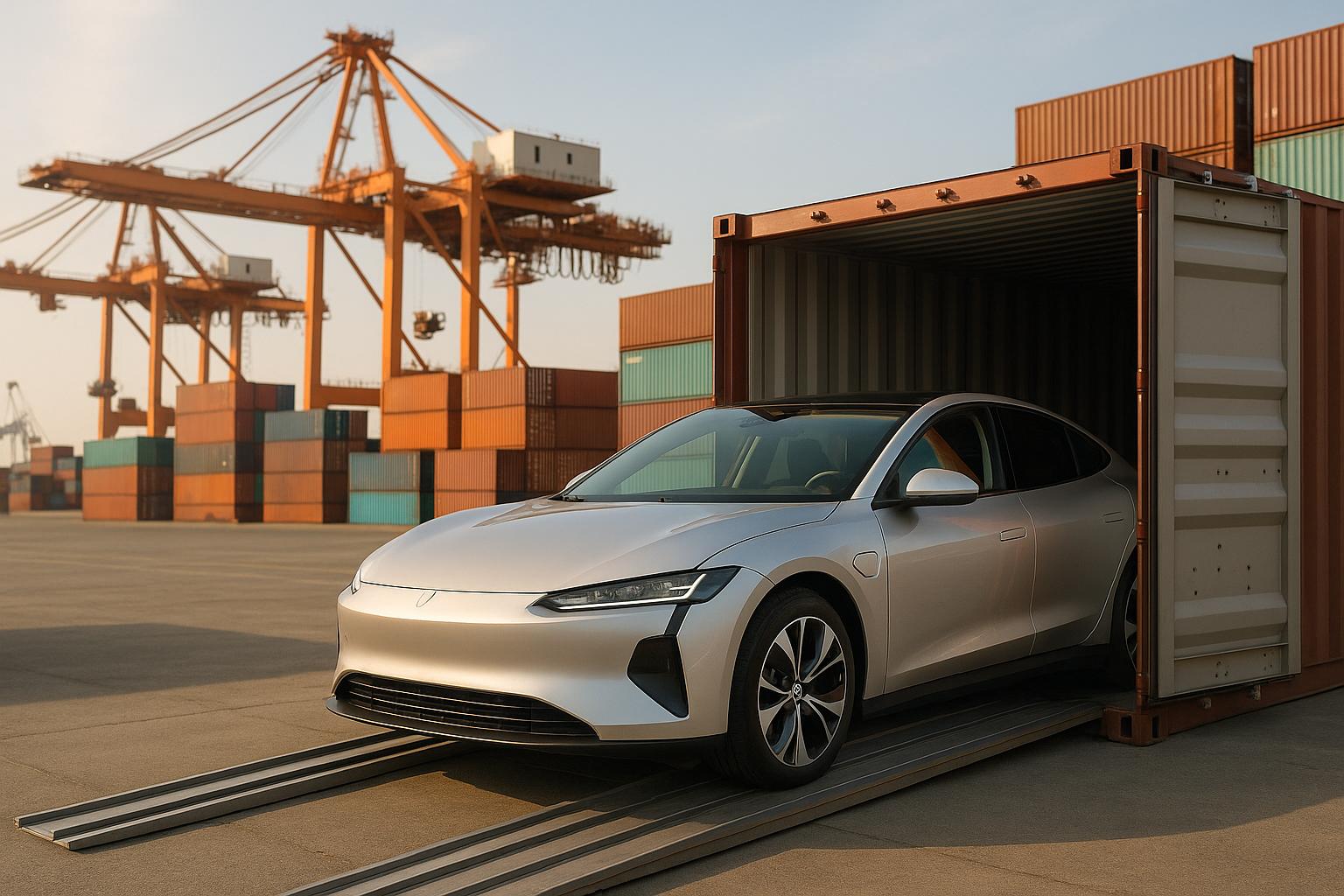
Importing electric vehicles (EVs) from China to Zimbabwe in 2025 is now more affordable and straightforward, thanks to reduced customs duties and government incentives. Here’s a quick overview of what you need to know:
- Lower Import Duties: Customs duty on fully electric vehicles has been reduced to 25% (from 40%) starting January 1, 2025, making EVs more cost-effective compared to traditional fuel-powered cars.
- Top Chinese EV Brands: Reliable options include BYD, Geely, Chery, SAIC Motor (MG), Dongfeng, and Changan, offering quality vehicles for personal and business use.
- Key Costs: Plan for vehicle purchase price, shipping, insurance, import duties, VAT, customs clearance, and registration fees. Reduced duties significantly lower overall costs.
- Charging Infrastructure: Zimbabwe’s grid challenges make home solar-powered charging setups a practical option. Government rebates for solar charging equipment are available to approved operators.
- Required Documents: Ensure you have the commercial invoice, bill of lading, certificate of origin, and CBCA certification for smooth customs clearance.
How China is Driving EV Adoption in Africa
Zimbabwe’s EV Import Rules and Market in 2025
Zimbabwe is making bold moves to encourage electric vehicle (EV) adoption by lowering import costs and introducing policies that favor greener transportation options.
New Policies and Financial Support
Starting January 1, 2025, Zimbabwe will reduce customs duty on fully electric vehicles from 40% to 25%, as announced by Finance Minister Professor Mthuli Ncube on November 29, 2024. This reduced rate applies to electric vehicles designed for both passenger and goods transport.
"To promote eco-friendly transport and reduce carbon emissions, I propose cutting customs duty on electric vehicles." – Mthuli Ncube
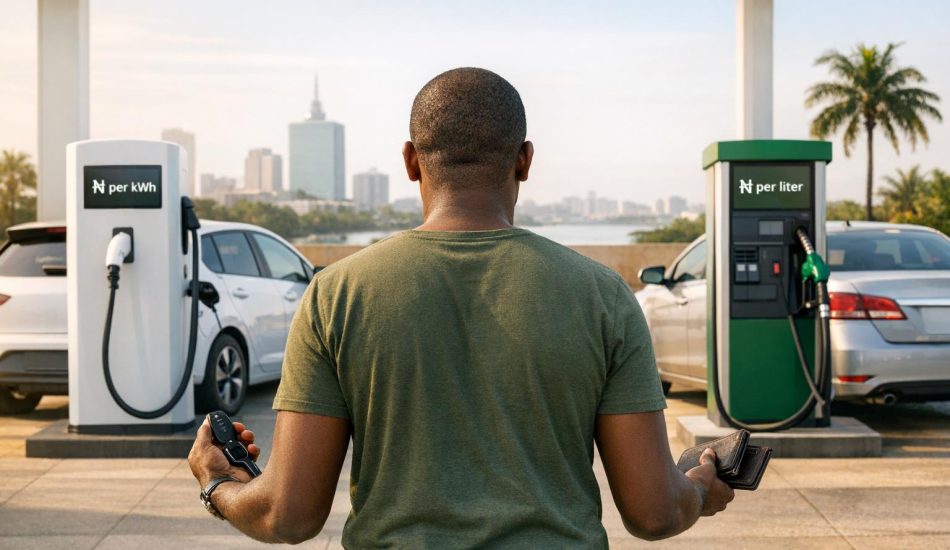
This adjustment gives fully electric vehicles a clear pricing advantage over traditional combustion-engine models, which remain taxed at 40%. Hybrid vehicles, however, will still face the higher 40% duty rate. Additionally, the government is extending duty rebates for equipment used in building solar-powered EV charging stations. This benefit, available to approved operators starting January 1, 2025, aims to reduce infrastructure costs and further boost EV adoption.
These initiatives are part of a broader effort to create a more competitive market for electric vehicles and support Zimbabwe’s clean energy goals.
Zimbabwe’s EV Adoption Targets
Zimbabwe has set an ambitious target: achieving 33% EV penetration by 2030. This reflects the country’s commitment to reducing reliance on fossil fuels and modernizing its transportation sector. These regulatory changes not only create opportunities for market growth but also position early adopters and importers to benefit from the evolving landscape.
Zimbabwe’s abundant lithium resources add another layer of potential. As a key ingredient in lithium-ion batteries, this natural advantage could pave the way for local battery production, further strengthening the EV ecosystem.
Finding Trustworthy Chinese EV Suppliers
Choosing the right supplier is a big deal, especially when you’re importing electric vehicles (EVs) from China. As the world’s largest EV producer, China offers a wide range of options. However, not all manufacturers deliver the same level of quality, support, or suitability for markets like Zimbabwe. Knowing which brands to trust and how to assess their reliability can help you avoid costly mistakes.
Leading Chinese EV Brands
China’s EV industry has grown into a global powerhouse, with several well-known brands leading the charge.
BYD is a standout name. As the largest EV manufacturer in the world, BYD has already made its mark in many African markets. Their lineup includes compact cars like the Dolphin, SUVs such as the Atto 3 and Tang, and more. BYD’s vertical integration – producing its own batteries using its proprietary Blade Battery technology – helps keep costs competitive while maintaining reliability. Plus, the brand is known for its strong after-sales support, making it a smart choice for Zimbabwean buyers.
Geely is another major player, offering a mix of affordability and modern features through its sub-brands like Geometry and Zeekr. With experience in international markets and partnerships with Volvo, Geely has fine-tuned its quality control. Its mid-range pricing appeals to both individual buyers and fleet operators.
Chery has been exporting vehicles to Africa for over a decade, giving it a solid understanding of the continent’s unique road conditions and service needs. The eQ series, for instance, caters to budget-conscious buyers while maintaining essential safety standards. Chery’s established distribution networks in neighboring countries make sourcing parts and technical support easier.
SAIC Motor, the parent company of the MG brand, has gained a foothold in Europe thanks to its compliance with strict safety and quality standards. Models like the MG ZS EV and MG4 Electric offer practical range and features, making them well-suited for urban and suburban driving in Zimbabwe.
Dongfeng and Changan are also worth noting, especially if you’re looking to import electric vans or light trucks for business use. Both brands offer a mix of passenger cars and commercial EVs.
When deciding on a brand, it’s wise to consider their track record in similar markets. Manufacturers with operations in countries like South Africa or Kenya are more likely to understand the regional requirements and provide the necessary support.
Once you’ve narrowed down your options, it’s time to dig deeper into the supplier’s credibility.
How to Check Supplier Credibility
Even if a brand has a strong reputation, it’s essential to verify the supplier’s reliability. This involves more than just browsing their website.
- Check certifications and export documentation. Look for ISO 9001 and ISO 14001 certifications, along with UNECE homologation or equivalent documents required for Zimbabwe. Ask for export records from recent shipments to African markets, including invoices, packing lists, and bills of lading. Reach out to references in countries like Zambia, Botswana, or Namibia to get feedback on vehicle quality, delivery timelines, and after-sales support.
- Evaluate warranty and service commitments. A trustworthy supplier should offer at least a two-year warranty covering the battery and major electrical components. Clarify how warranty claims are handled – will you need to send parts back to China, or do they have service centers in Southern Africa? Suppliers with regional service partnerships are often more reliable.
- Inspect production capacity and quality control. Request a virtual or in-person factory tour. Established manufacturers should have modern facilities with visible quality control processes. Be cautious of suppliers who avoid factory visits or provide vague details about their operations.
- Verify business registration and financial stability. Use China’s National Enterprise Credit Information Publicity System to confirm the supplier’s legitimacy.
- Test their communication and responsiveness. Reliable suppliers respond promptly, provide detailed technical information, and communicate clearly in English. Poor communication during the sales process often signals bigger issues down the line.
- Review payment terms. Reputable suppliers typically accept secure payment methods like letters of credit or escrow services. Avoid those demanding full payment upfront. A standard arrangement involves a 30% deposit with the balance paid after inspection and before shipping.
- Confirm parts availability. Ensure the supplier has a stock of spare parts and can ship them to Zimbabwe quickly. Request a parts catalog with pricing to estimate long-term maintenance costs.
If you’re new to importing from China, consider hiring a third-party inspection service. They can verify the supplier’s credentials and inspect vehicles before shipment. While this adds to your initial costs, it greatly reduces the risk of receiving subpar vehicles or falling victim to fraud.
Calculating Your Total Import Costs
Before importing an electric vehicle (EV) from China, it’s essential to calculate the total landed cost. Without proper planning, additional charges can significantly inflate your expenses, so meticulous budgeting is key.
Complete Cost Breakdown
When figuring out the total cost of importing an EV into Zimbabwe, you’ll need to account for several components:
- Vehicle Purchase Price: Start with the factory or FOB (Free on Board) price provided by the manufacturer or supplier. Ensure this price includes export documentation and pre-shipment inspection fees.
- Ocean Freight: Factor in the cost of international shipping from a major Chinese port, as well as road transport from the destination port to Zimbabwe. Freight charges vary depending on the shipping route, container type, and market conditions.
- Marine Insurance: Protect your investment with marine insurance. The premium is usually calculated as a percentage of the shipment’s CIF (Cost, Insurance, and Freight) value.
- Import Duty and VAT: Import duties in Zimbabwe are calculated as a percentage of the CIF value. Recent policy changes aimed at promoting EV adoption have lowered these rates, which also reduces VAT since it’s applied to the CIF value plus duty. Even small reductions in these rates can lead to noticeable savings.
- Customs Clearance Fees: Be prepared for administrative fees when processing the import through the Zimbabwe Revenue Authority (ZIMRA). These fees can vary, and hiring an experienced customs agent can help avoid unnecessary delays.
- Registration, Licensing, and Inspection Costs: Once the vehicle arrives, it must be registered and licensed. Don’t forget to budget for these fees, along with any modifications needed to meet local compliance standards.
- Domestic Transport and Handling: Include the cost of moving the vehicle from the port of entry to its final destination. Also, account for any storage fees that may arise from customs delays.
By combining all these elements, you’ll arrive at the final landed cost. While the total landed cost will exceed the initial purchase price, creating an accurate budget ensures you’re prepared and helps identify areas where you might save.
How Lower Duties Reduce Your Costs
Reduced import duties on EVs not only lower the duty expense itself but also decrease the overall VAT. Since VAT is calculated on the combined CIF value and duty, lower duty rates create a ripple effect, reducing the total tax burden.
The difference between the previous higher duty rates and the current reduced rates can result in substantial savings per vehicle. For businesses importing multiple EVs, these savings can accumulate quickly, allowing you to reinvest in expanding your fleet or upgrading charging infrastructure.
Additionally, look into any duty exemptions or government incentives available for EV importers. These programs can further cut costs and make the switch to electric vehicles more financially appealing.
Finally, it’s wise to set aside a contingency fund for unexpected expenses like currency fluctuations, port delays, or additional compliance costs. To minimize risks, consider working with suppliers who offer fixed USD quotes and flexible payment terms. This approach ensures you’re better equipped to manage unforeseen challenges.
sbb-itb-99e19e3
Customs Clearance and Import Requirements
To ensure a smooth import process into Zimbabwe, it’s essential to prepare thoroughly and adhere to the country’s customs regulations. This will help you avoid unnecessary delays and additional costs.
Required Documents
Start by gathering all the necessary paperwork. The commercial invoice is a key document – it outlines your vehicle’s specifications, purchase price, and payment terms. This information is critical for calculating import duties and VAT.
You’ll also need a bill of lading or airway bill as proof of shipment and ownership transfer. Double-check that the details on these documents match the invoice exactly to prevent any issues during clearance.
Another important document is the certificate of origin, which confirms that the vehicle was manufactured in China. Additionally, you’ll need to secure the Consignment-Based Conformity Assessment (CBCA) certification from Cotecna, including any required inspections.
If you’re importing a used vehicle, be aware of the rules under Statutory Instrument 54 of 2024. Import licenses will not be issued for vehicles consigned after this regulation’s implementation date. However, vehicles consigned before this can still receive licenses and ZIMRA clearance, which will remain valid for 30 days from the notice’s publication.
Finally, make sure to include any necessary import permits, proof of payment, and insurance documents. Keep both digital and physical copies of all these documents to make the customs clearance process more efficient.
Once your paperwork is complete, confirm that your electric vehicle (EV) complies with Zimbabwe’s local technical standards.
Meeting Zimbabwean Vehicle Standards
Before registering your EV, it must meet Zimbabwe’s technical requirements. Fortunately, right-hand drive vehicles are allowed for import, and there’s no age restriction for used vehicles. However, the vehicle must meet basic safety standards, such as having functional lighting, reliable brakes, and sound structural integrity.
Additionally, the battery system must comply with international lithium-ion safety standards. While most established Chinese EV manufacturers design their vehicles to meet export market requirements, it’s a good idea to confirm compliance directly with your supplier. This step ensures you’re fully prepared for the registration process and avoids any unexpected issues.
Importing SKD Kits for Local Assembly
Charging and Daily Operation in Zimbabwe
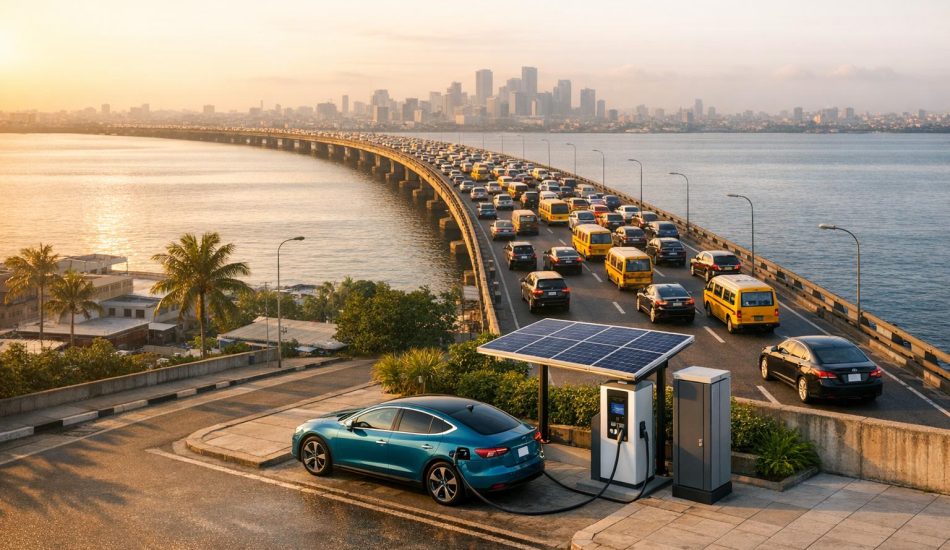
Once you’ve arrived, figuring out your charging setup should be a top priority. Zimbabwe’s public charging network is still in its early stages, so home charging will likely be your go-to solution.
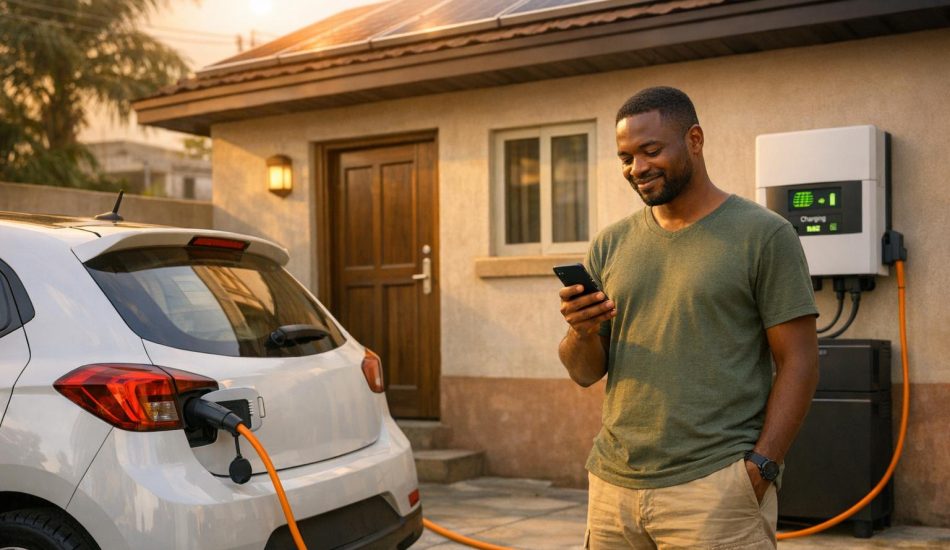
However, power supply issues are a common hurdle. Frequent load shedding and an unstable grid make it risky to depend entirely on the national electricity supply. Many EV owners are opting for backup systems, with solar-powered charging emerging as a popular choice. By installing solar panels at your home or workplace, you can ensure reliable charging schedules and reduce dependency on the grid. For the best results, it’s essential to match your solar system’s capacity to your EV’s battery size and your driving habits. Partnering with experienced local installers can help you achieve an efficient setup.
Switching to a Level 2 home charging station is another smart move. Compared to a standard wall outlet, a Level 2 charger can significantly cut down charging time – from as long as 20 hours to just 6–8 hours. Many EV manufacturers also provide recommendations for compatible charging equipment, so be sure to explore those options.
Using Government Rebates for Charging Equipment
To address the challenges of EV charging, the Zimbabwean government has introduced rebates for charging equipment. In the 2025 National Budget, presented on November 29, 2024, Finance Minister Professor Mthuli Ncube unveiled a noteworthy incentive aimed at promoting EV adoption:
"In order to incentivise the use of Electric Vehicles, I, further, propose to extent Rebate of Duty on equipment used for setting up Electrical Vehicle Solar Powered Charging Stations, imported by Approved Operators, also starting on 1 January 2025." – Professor Mthuli Ncube, Zimbabwe’s Finance Minister
This rebate, effective January 1, 2025, applies to equipment imported by "Approved Operators" and includes items like solar panels, inverters, battery storage systems, and charging station hardware.
To benefit from this program, you’ll need to register as an Approved Operator through the appropriate government channels and ensure your installation meets the necessary technical requirements. If you’re working with a local solar installation company, they may already have Approved Operator status and can help you navigate the rebate application process. This could allow you to enjoy cost savings without the administrative hassle.
This incentive is especially useful for those planning to install charging stations in off-grid or semi-urban areas, where power reliability is often a concern. Keep in mind that the rebate only applies to equipment imported after January 1, 2025, so timing your purchases is crucial. By combining this rebate with the duty-free import policy for EVs, early adopters can significantly cut down on their overall expenses.
Conclusion
Bringing Chinese electric vehicles (EVs) into Zimbabwe in 2025 has become more straightforward and affordable. By following a clear process, you can avoid common challenges and make informed decisions.
Start by researching and selecting trustworthy Chinese EV suppliers. Verify their credentials through factory visits, certifications, and customer feedback. Once you’ve chosen a vehicle, calculate all associated costs, including the purchase price, shipping, insurance, and the updated 25% import duty – down from the previous 40% rate. This reduction makes importing significantly more economical, so careful budgeting is key.
Prepare all necessary documentation, such as the commercial invoice, bill of lading, certificate of origin, and proof that the vehicle meets Zimbabwean standards. If you’re importing a used EV, ensure it complies with Statutory Instrument 111 of 2024, which restricts imports to vehicles under ten years old. For additional savings and to support local industries, consider importing Semi-Knocked Down (SKD) kits.
After clearing customs, think about practicalities like charging infrastructure. With limited public charging stations, investing in a home charging setup is essential. Opting for renewable energy solutions can further reduce costs and environmental impact.
Switching to electric vehicles supports a greener future, and 2025 offers a great opportunity with reduced duties, government incentives, and a growing network of suppliers. Whether you’re importing for personal use or expanding a fleet, these insights can help you become part of Zimbabwe’s shift toward electric mobility.
FAQs
What steps and documents are needed to become an Approved Operator for solar-powered EV charging stations in Zimbabwe?
To become an Approved Operator for solar-powered EV charging stations in Zimbabwe, there are a few key steps you’ll need to take, along with submitting the required documentation to local authorities. While the exact process may depend on specific regulations, it generally involves:
- Registering your business with the appropriate Zimbabwean authorities.
- Applying for approval through the Zimbabwe Energy Regulatory Authority (ZERA) or a similar regulatory body.
- Submitting detailed technical plans and specifications for your charging stations, ensuring they align with local standards.
- Demonstrating compliance with safety and environmental regulations by providing the necessary proof.
For a smoother process and to avoid potential setbacks, it’s a good idea to consult directly with ZERA or work with a legal expert who understands Zimbabwe’s energy regulations. This ensures you’re fully prepared to meet all requirements.
What steps should I take to ensure a Chinese EV supplier is trustworthy before purchasing?
When evaluating a Chinese EV supplier, start by checking their business license, ISO certifications, and export permits. Ask for supporting documents like certificates of origin and quality control records to ensure their products meet the required standards and are genuine.
Digging into their history is equally important. Look into their export track record, request references from past international buyers, and, if feasible, schedule a virtual or in-person tour of their manufacturing facilities. Taking these precautions can help you minimize risks and build confidence in your transaction.
What challenges might arise when setting up a solar-powered EV charging station at home in Zimbabwe, and how can they be addressed?
Setting up a solar-powered EV charging station at home in Zimbabwe comes with its own set of hurdles. A key concern is the unreliable national power grid, which means you’ll need a dependable solar system that can handle fully charging your electric vehicle. On top of that, the initial investment for solar panels, batteries, and other equipment can be quite steep.
To help tackle these obstacles, the Zimbabwean government offers rebates and incentives for solar-powered EV charging equipment, making the upfront costs more manageable. Careful planning, investing in high-quality components, and working with experts to design an effective system can go a long way in ensuring both reliability and long-term savings.