
 Thabo Nkosi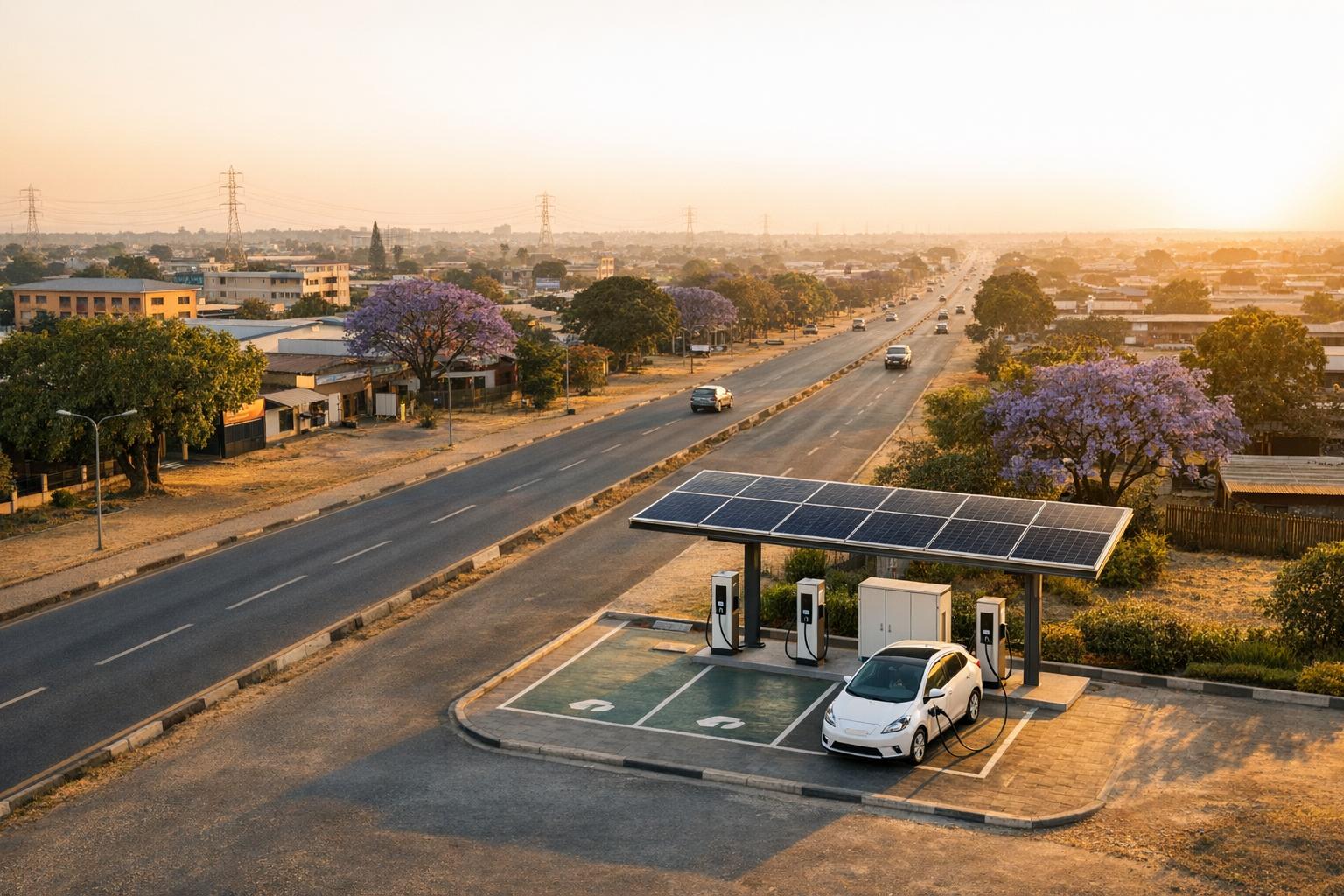
- EV Adoption Growth: Registrations increased by 334% from July 2023 to July 2025, rising from 62 to 269 vehicles.
- Government Support: Customs duties on EVs were removed, and $20 million was allocated for solar-powered charging stations.
- Cost Savings: Driving an EV is much cheaper than using gas-powered vehicles. For instance, a Lusaka-to-Kitwe trip costs K200 in electricity versus K1,500–K2,000 in fuel.
- Infrastructure Issues: Charging stations are limited to major cities, and load-shedding disrupts charging reliability.
- Affordability Barrier: High upfront costs and steep vehicle loan interest rates (25%-45%) make EVs less accessible for many.
Zambia has the potential to become a regional leader in EVs and battery manufacturing, thanks to its copper and cobalt reserves. However, improving charging infrastructure, reducing financing barriers, and addressing grid reliability are crucial for further growth.
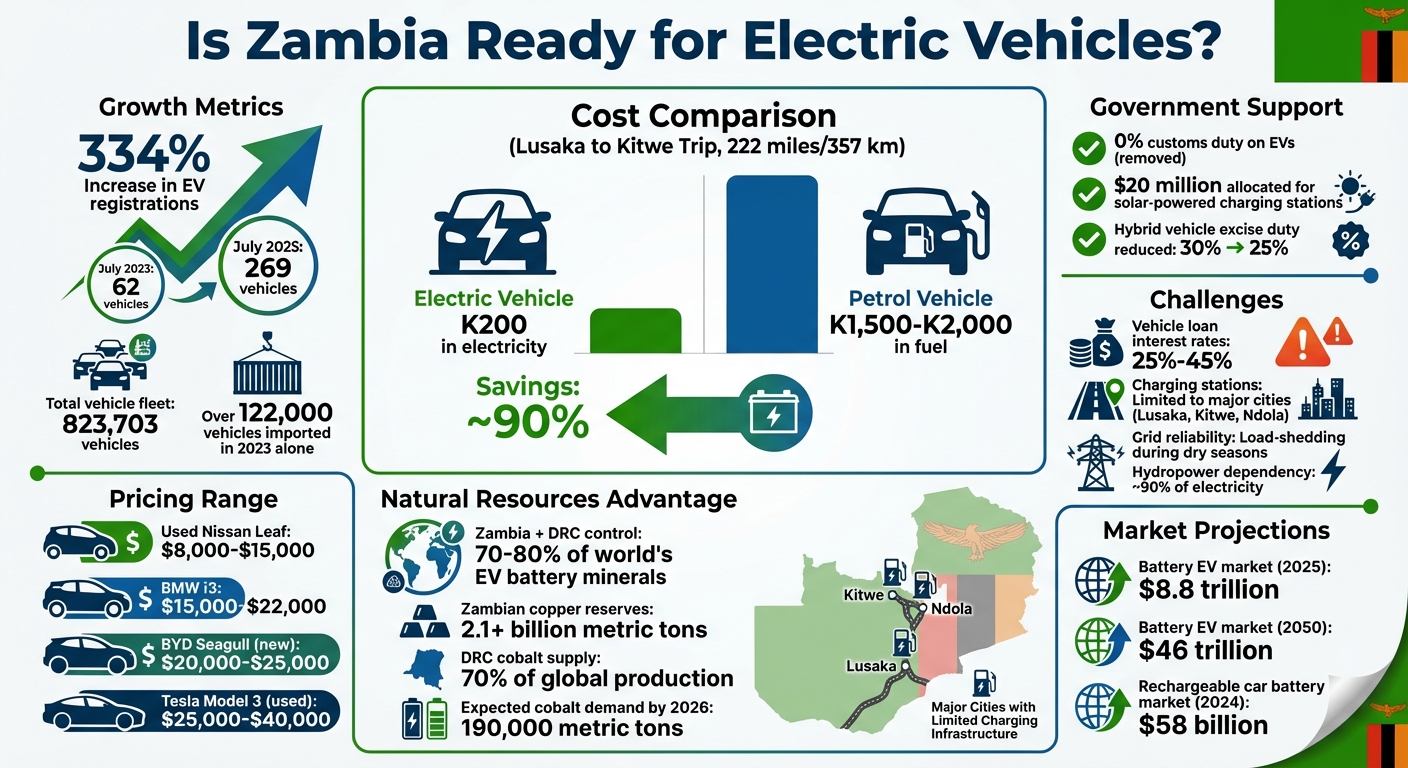
Zambia’s Electric Vehicle Market Growth and Key Statistics 2023-2025
Zambia’s EV Infrastructure: Current State
Charging Station Availability
Zambia’s EV charging network is still in its early stages, with most stations located in major cities like Lusaka, Kitwe, and Ndola. These stations are typically found at shopping malls, office complexes, and a few fuel stations. For now, most EV owners depend on home charging, either through standard outlets or dedicated chargers.
Traveling long distances remains a challenge due to the scarcity of charging points along highways. However, efforts are underway to address this, with new stations gradually being installed. Zesco Limited, the state-owned power utility, is actively working on deploying fast chargers in urban areas to ease concerns about range limitations.
"The challenge that people have now is where do we charge our cars when we travel… That’s why I now want to ensure that along the way we plant the electric vehicle chargers for usage."
- Victor Mapani, Managing Director, Zesco Limited
In addition to Zesco’s initiatives, the Ministry of Green Economy and Environment recently partnered with EVC Investments in a $20 million project to establish solar-powered charging stations in key cities. These solar hubs operate independently of the national grid, which helps address concerns about power reliability.
These developments are crucial, especially given Zambia’s current grid challenges.
Electric Grid Reliability
While Zambia is making strides in expanding its EV infrastructure, the reliability of the electric grid remains a significant hurdle for EV users. With about 90% of its electricity generated from hydropower, the country provides a low-carbon energy source for EVs. However, load-shedding – particularly during dry seasons – forces EV owners to carefully plan their charging times, often opting for overnight charging when the grid is more stable.
In October 2025, the Ministry of Green Economy and Environment unveiled its first official electric vehicle, a GAC Aion-Y, alongside a solar-powered charging station. Douty Chibamba, the Ministry’s Permanent Secretary, stated:
"The ministry has also installed a solar-powered charging station, which demonstrates Zambia’s ability to harness solar and hydro resources while easing pressure on the nation."
- Douty Chibamba, Permanent Secretary, Ministry of Green Economy and Environment
Despite the grid’s limitations, the cost of driving an EV in Zambia is significantly lower than using a fossil-fueled vehicle. Victor Mapani points out that the cost of electricity for a trip from Lusaka to Kitwe (222 miles) is around K200, compared to K1,500–K2,000 for a petrol-powered car. This economic edge makes EVs an attractive option, even as the country works to improve its infrastructure.
The combination of charging station expansion and grid upgrades is setting the stage for Zambia to embrace a more electric future.
sbb-itb-99e19e3
Government Policies and Industry Initiatives
Policy Support for EVs
Zambia is making strides in boosting electric vehicle (EV) adoption by eliminating customs duties on electric motorcycles, vehicles, buses, trucks, and charging accessories. This 0% duty significantly reduces the cost of imports, while excise duties on hybrid vehicles have been lowered from 30% to 25%. These changes are already driving increased interest in EVs.
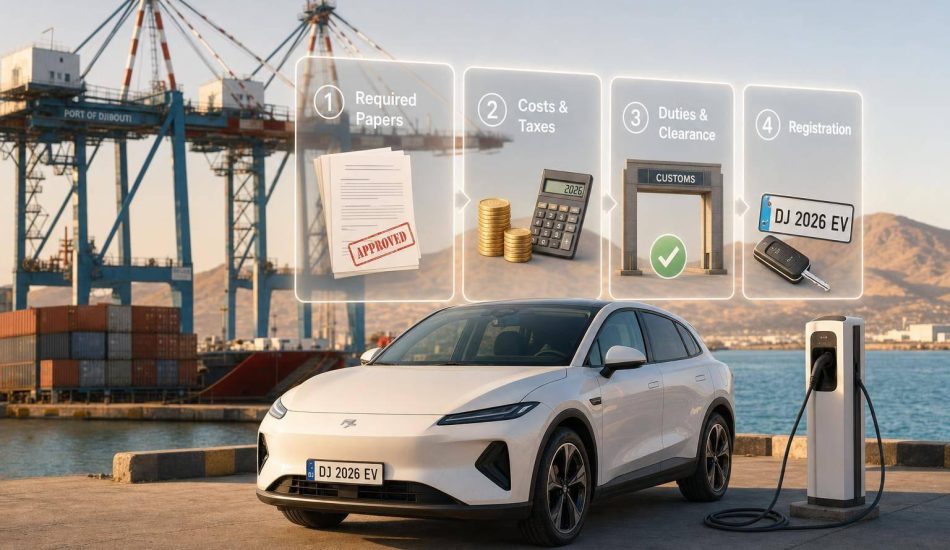
However, buyers still encounter Value Added Tax (VAT) charges, calculated based on the vehicle’s Cost, Insurance, and Freight (CIF) value, alongside clearing fees. To address infrastructure challenges, the government has allocated $20 million through the Ministry of Green Economy and Environment to establish solar-powered charging stations in major cities. This initiative aims to tackle charging accessibility issues and mitigate the impact of load-shedding on EV users.
Zambia’s EV efforts are also supported by international collaborations, which are helping to advance its goals.
The DRC-Zambia Battery Council
In addition to local policies, regional partnerships like the DRC-Zambia Battery Council are reshaping the battery production landscape. Established in April 2022 by Presidents Hakainde Hichilema of Zambia and Felix Tshisekedi of the Democratic Republic of Congo, this initiative leverages the fact that the two nations collectively hold 70% to 80% of the world’s supply of essential EV battery minerals, including cobalt, copper, lithium, and manganese.
The Council’s primary focus is creating value locally by transitioning from exporting raw minerals to producing battery precursors and finished products. This shift is expected to make EVs more affordable by strengthening regional production capabilities. President Hichilema highlighted the broader economic goals of this initiative, stating:
"Our focus is job creation for the people of our two countries through economic diversification, job and wealth creation for the economic and social transformation of our citizens".
One of the Council’s flagship projects is the Transboundary Battery and Electric Vehicle Special Economic Zone (SEZ). This zone is designed to attract both domestic and foreign investments. Between 2023 and 2024, ARISE Integrated Industrial Platforms conducted a feasibility study for the SEZ and presented its findings to both governments, with technical discussions taking place in Lusaka.
Adding to this momentum, the United States signed a memorandum of understanding with Zambia and the DRC in December 2022 to support an integrated battery value chain. This international collaboration enhances Zambia’s role in the global EV market, which is projected to grow significantly, with the battery electric vehicle market alone expected to reach $8.8 trillion by 2025.
The Affordability Challenge: EV Costs and Access
EV Prices vs. Gas-Powered Vehicles
For many Zambian buyers, the higher upfront cost of electric vehicles (EVs) has been a major hurdle. But recent changes, like the removal of customs duties on imported EVs, have brought prices down significantly. This shift has made many EV models more competitive with popular gas-powered cars.
Used EVs, in particular, are becoming an attractive option. For instance, a used Nissan Leaf can cost between $8,000 and $15,000, while a BMW i3 is priced around $15,000 to $22,000. If you’re considering a new EV, the BYD Seagull starts at $20,000 to $25,000, and used Tesla Model 3 units range from $25,000 to $40,000. These prices now put EVs in direct competition with traditional used internal combustion engine vehicles.
Even though customs duties are no longer a factor, buyers still need to factor in Value Added Tax (VAT) on the Cost, Insurance, and Freight (CIF) value, along with clearing agent fees. However, the operational savings of EVs can be eye-opening. For example, a study by the Ministry of Green Economy revealed that driving an EV from Lusaka to Kitwe (about 357 km or 222 miles) costs approximately K200 in electricity. In comparison, the same trip in a petrol car costs between K1,500 and K2,000 – nearly a 90% savings on fuel.
While these savings are enticing, securing financing for an EV remains a challenge for many.
Financing Options for EV Buyers
Even with reduced prices, financing an EV can be tough. Traditional vehicle loans from banks often come with high interest rates, ranging from 25% to 45%, making it difficult for middle-income earners to manage monthly payments.
To tackle this, buyers should shop around and compare offers from different banks and asset financing companies. Asset financing firms often provide more flexible options and are familiar with the vehicle import process. Additionally, some financial institutions are now offering "green loans" with slightly better terms to promote eco-friendly technology adoption.
Another innovative option is the Battery-as-a-Service (BaaS) model, which is being introduced for electric motorcycles. This subscription-based system allows users to lease batteries instead of buying them outright, reducing the initial purchase cost.
For those taking out loans, making a larger down payment can help reduce the loan amount and the total interest paid over time. Standard documentation is required for loan applications.
When importing used EVs, especially from Japan or the UK, thorough verification is essential. Buyers should request a verifiable auction grade sheet for Japanese imports and arrange a live video walk-through to check the battery health and overall condition of the vehicle before finalizing the deal. Since most EVs arrive in Zambia through the Port of Durban in South Africa, securing comprehensive marine insurance for transit is also a critical step.
Consumer Awareness and Adoption Trends
Public Perception of EVs
In the last two years, attitudes toward electric vehicles (EVs) in Zambia have shifted significantly. Many now view EVs as a sensible way to manage fluctuating fuel prices while benefiting from a 0% customs duty policy. As Younes Rabeh, Business Development Manager at EV24.africa, put it:
"The move to electric vehicles (EVs) here isn’t just about being trendy. It’s a practical choice." – Younes Rabeh
Despite this progress, range anxiety remains a concern. Many potential buyers worry about running out of charge, especially during periods of load-shedding. To address this, solar-powered charging stations are becoming more accessible, and EV24.africa has teamed up with the Zambia Electric Mobility Initiative Association (ZEMIA) to raise awareness and engage key stakeholders.
This shift in perception is reflected in the growing number of people adopting EVs.
Early Adoption Patterns
With consumer confidence increasing, the number of registered electric vehicles in Zambia jumped from 62 in July 2023 to 269 by July 2025. This growth is mostly concentrated in urban hubs like Lusaka, Kitwe, and Ndola.
Early adopters are primarily choosing used imports from countries like Japan and the UK. The Nissan Leaf, for instance, has become a favorite, offering a price range of $8,000 to $15,000 – comparable to used gas-powered cars. Additionally, businesses such as ride-hailing services, logistics companies, and corporate fleets are showing interest in EVs to cut operational costs.
In 2023 alone, Zambia imported over 122,000 vehicles, contributing to a national total of more than 823,000 vehicles. This highlights the ample room for EVs to carve out a larger share of the market.
These trends point to a growing acceptance of EVs and the potential for Zambia to embrace electric mobility on a broader scale.
Zambia Eyes Importation of Electric Buses
Growth Opportunities in Zambia’s EV Market
Building on the momentum of current EV adoption trends and policy initiatives, Zambia’s market offers promising avenues for expansion.
Local Battery Manufacturing Potential
Zambia has a strong foundation for battery manufacturing, thanks to its vast copper reserves – estimated at over 2.1 billion metric tons – and its proximity to the Democratic Republic of Congo, which supplies 70% of the world’s cobalt. Instead of merely exporting raw materials, Zambia is well-positioned to transition into producing finished battery products.
In April 2024, Minister of Commerce, Trade and Industry Chipoka Mulenga announced the completion of a feasibility study for an EV battery manufacturing plant in Ndola. The findings showed that Zambia has the necessary facilities and resources to move forward. This plant would be part of the Zambia–DRC Battery Council, a collaborative effort aimed at creating a transboundary Special Economic Zone. This zone would streamline supply chains between mineral refineries and battery production facilities.
The global demand for cobalt in batteries is expected to hit 190,000 metric tons by 2026, while the rechargeable car battery market was projected to reach $58 billion by 2024. Currently, only about 20% of Zambia’s copper is refined locally, with the majority processed in China. By refining more copper domestically and manufacturing EV components like wiring and battery cells, Zambia could retain significant economic value that currently flows abroad.
Finance Minister Situmbeko Musokotwane has been actively engaging global automakers. In his words:
"We have been talking, even last week when I was in Germany, telling these companies to please consider the manufacture of some of your electric-vehicle components in Zambia."
He further emphasized:
"Those components can then be shipped to your factories in South Africa which now exports to the rest of the world. That is a powerful way of value addition."
In 2025, Chinese firm Juncheng Design began exploring the possibility of setting up an EV assembly plant in Zambia, focusing on electric motorcycles and bicycles to support local industrialization. Meanwhile, global EV giant Build Your Dreams (BYD) expanded its footprint in Zambia through a partnership with Pilatus Electric Mobility Zambia Limited.
This move toward domestic production not only strengthens supply chains but also creates opportunities for economic growth and job creation.
Job Creation and Economic Benefits
Local manufacturing has the potential to reshape Zambia’s economy by generating jobs across various sectors. Battery production, EV component manufacturing, and the development of charging infrastructure require a diverse workforce, including engineers, technicians, logistics experts, and maintenance professionals.
In addition to batteries, Zambia’s copper is a key material for EV engines and wiring, paving the way for broader manufacturing opportunities. Establishing innovation hubs and technical training centers focused on clean energy manufacturing could equip a new generation of workers with the skills needed for Zambia’s growing EV industry. Environmental activist Robert Chimambo highlighted the potential impact:
"If our country effectively mines cobalt and copper for the electric vehicle battery value chain, it’s going to be a win for Zambia, a win for the EVs industry and a win for the environment."
Infrastructure projects, such as the U.S.-backed Lobito Corridor and the modernization of the Tazara railway, are also expected to generate construction and logistics jobs. With the battery electric vehicle market projected to reach $8.8 trillion by 2025 and $46 trillion by 2050, Zambia has a limited window to establish itself as a key regional manufacturing hub.
Conclusion: Zambia’s EV Readiness
Zambia saw an impressive 334% jump in EV registrations between early 2024 and mid-2025, climbing from just 62 to 269 vehicles. This surge was fueled by the removal of import duties, a $20 million solar charging initiative, and strategic partnerships within the industry.
But the road ahead isn’t without obstacles. Vehicle loans with interest rates ranging from 25% to 45% make financing a major hurdle for many. Charging stations are concentrated in urban hubs like Lusaka, Kitwe, and Ndola, leaving vast areas underserved. On top of that, unreliable grid performance during dry seasons and a lack of trained EV technicians add to the challenges. With only 269 EVs on the road out of a total vehicle fleet exceeding 823,703, the market is still in its early stages.
That said, Zambia has untapped potential. As a country rich in copper and with access to cobalt, Zambia has the resources to shift from exporting raw materials to becoming a key player in battery component manufacturing.
To move forward, Zambia needs to act decisively. Expanding fiscal incentives – like adding VAT exemptions to the existing duty removals – is a good start. Establishing clear regulatory standards for battery safety is equally important. Financial institutions could step up by offering "green loans" with lower interest rates to encourage adoption. At the same time, private companies can lead the way by running EV pilot programs in sectors like logistics and ride-hailing, where EVs’ lower total cost of ownership offers a strong business case. Addressing grid reliability with solar-powered charging hubs will also be critical to building a sustainable EV ecosystem.
Zambia isn’t fully ready for widespread EV adoption yet, but the momentum is undeniable. With consistent policy support, smart infrastructure investments, and collaboration between the government, private sector, and advocacy groups, Zambia has a real shot at becoming a leader in electric mobility and battery manufacturing in the region. The opportunity is there, but it requires bold and immediate action.
FAQs
Can I road-trip across Zambia in an EV today?
Road-tripping through Zambia in an electric vehicle (EV) is increasingly possible, though it still has its hurdles. While cities and certain regions now have charging stations, the infrastructure in rural areas remains limited. Because of this, careful planning is a must – knowing where chargers are located and having portable charging solutions can make all the difference. As government incentives and infrastructure upgrades continue, EV road trips in Zambia are likely to get much easier in the near future.
How do load-shedding and dry seasons affect EV charging?
Load-shedding and dry seasons can create significant hurdles for electric vehicle (EV) owners. Power outages and grid instability during these times can make it difficult to charge EVs consistently. When electricity supply is limited, maintaining a reliable charging routine becomes a challenge, leaving drivers searching for alternative solutions to keep their vehicles powered.
What’s the cheapest way to finance or buy an EV in Zambia?
The cheapest route to owning an EV in Zambia is to make use of government perks, such as the elimination of customs duties, which helps reduce the initial cost. For budget-friendly options, you might look at used models like the Nissan Leaf, priced between $7,900 and $15,350, or go for entry-level new models like the Leapmotor T03, which costs roughly $20,400 to $21,500.