
 Thabo Nkosi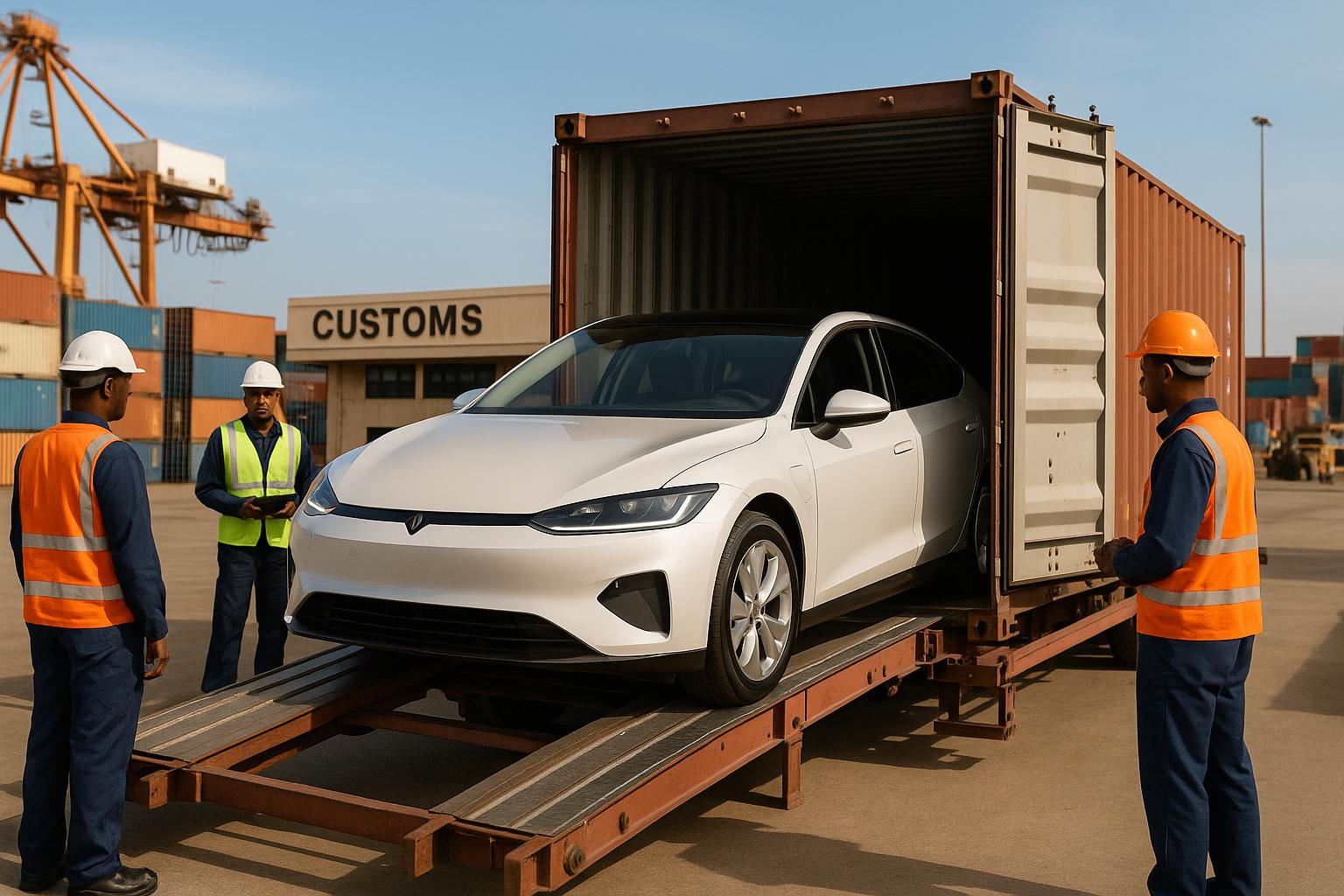
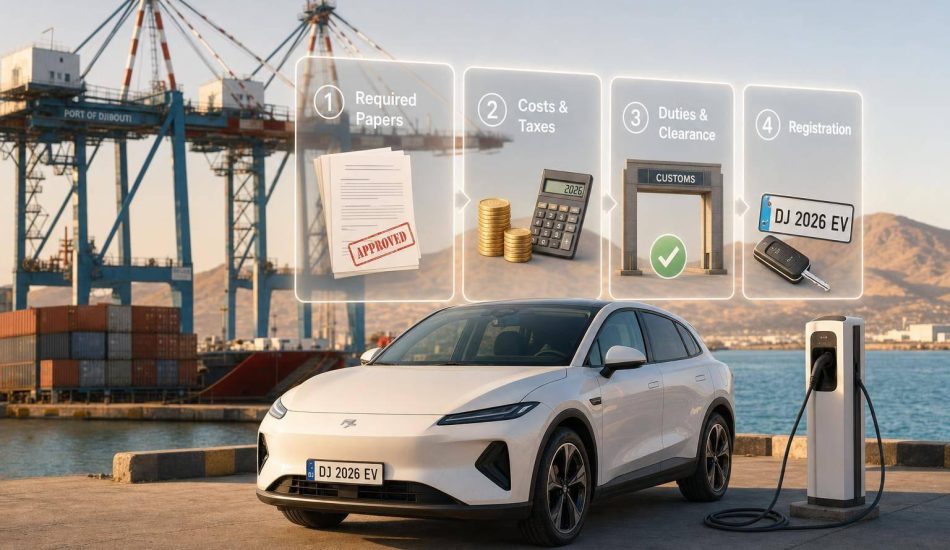
Importing an electric car to Zambia in 2025 has never been simpler. With zero customs duty on EVs, lower taxes, and no carbon emission surtax, the government is making EV adoption more affordable. Here’s how to get started:
- Understand Import Rules: Zambia has removed customs duties on EVs and charging systems. Ensure your EV meets local standards and confirm any applicable fees with the Zambia Revenue Authority.
- Budget and Financing: Factor in costs like VAT (16%), shipping, and inland transport. Explore financing options if needed.
- Choose the Right EV: Consider battery range, road conditions, and charging compatibility. Used EVs are cost-effective, especially with duty exemptions.
- Prepare Documents: Gather the title, purchase invoice, bill of lading, and other required paperwork to avoid delays.
- Arrange Shipping: Decide between container or roll-on/roll-off (RoRo) shipping. Use marine cargo insurance for protection.
- Clear Customs: Submit accurate declarations via ASYCUDA, pay fees, and complete inspections for a smooth customs process.
- Register Your EV: Work with RTSA for registration and secure mandatory insurance. Set up home charging or explore public charging options.
Key Benefits: Eliminated customs duties, reduced operating costs, and no carbon emission surtax make EVs a smart choice in Zambia. Follow these steps to navigate the process smoothly and start enjoying the benefits of electric mobility.
Step 1: Learn Zambia’s EV Import Rules and Incentives
To successfully import an electric vehicle (EV) into Zambia, it’s crucial to understand the country’s rules and incentives. Back in August 2025, Zambia eliminated duties on EV imports, which led to a dramatic rise in registrations – from just 62 in July 2023 to 269 by July 2025. That’s a staggering 330% increase. This policy change has made importing EVs far more appealing and accessible.
However, keep in mind that most imported vehicles in Zambia are subject to a Carbon Emission Surtax. The rates for this tax usually depend on the engine capacity. Since EVs don’t have traditional engines, it’s essential to confirm how this surtax applies to your vehicle. Reach out to the Zambia Revenue Authority for clarity and request written documentation on how the surcharge will be calculated. This step can save you from unexpected fees during customs clearance.
Meeting Local Standards
Ensuring your EV meets Zambia’s local requirements will make the import process much smoother. If you’re bringing in a used EV – especially one from Japan – it must pass a JEVIC inspection to verify its condition. The good news? Zambia doesn’t enforce age restrictions on used EVs.
Once your EV arrives, you’ll need to register it with the Road Transport and Safety Agency (RTSA). Additionally, securing a comprehensive insurance policy is mandatory and should be done either before or immediately after the import.
Here’s a checklist of the documents you’ll need for a hassle-free process:
- Original title and registration certificate
- Commercial or purchase invoice
- Driver’s license
- International insurance policy
- Original bill of lading
- Valuation certificate
- (If applicable) Employer’s letter of transfer and a non-sale certificate
Step 2: Calculate Your Budget and Explore Financing
After reviewing the import rules in Step 1, the next critical step is to nail down your budget. Importing an EV to Zambia requires careful financial planning. Even though customs duties have been removed, there are still various costs to consider. Breaking down these expenses and exploring financing options can help you make a well-informed decision.
Import Cost Breakdown
The total cost of importing an EV includes several key components. Start with the FOB (Free On Board) price, which is essentially the vehicle’s purchase price before shipping. This cost can vary widely depending on whether you’re buying a new or used EV.
When it comes to shipping, you’ll need to decide between two main options: container shipping, which offers better protection, or roll-on/roll-off (RoRo) shipping, which is more affordable. Don’t forget to add in inland transport costs for moving the vehicle from the port of entry to your location in Zambia.
One major advantage is that Zambia has removed customs duties on EVs, motorcycles, buses, trucks, and charging accessories. This policy makes used EVs much more competitive in price compared to used internal combustion engine (ICE) vehicles.
Additional costs to keep in mind include insurance and registration fees, which are often lower for EVs compared to traditional vehicles. You’ll also need to budget for documentation expenses, such as processing the bill of lading and administrative fees at the port. To be on the safe side, set aside an extra 10–15% of your budget to cover unexpected costs or currency fluctuations.
Once you’ve mapped out your costs, you can start looking into financing options to manage the upfront expenses.
Financing and Payment Methods
For many Zambian buyers, the high upfront cost of EVs remains a challenge:
"One of the key challenges is the high upfront cost of EVs compared to conventional vehicles. While the incentives announced by the government will help to reduce the cost of purchasing an EV, more needs to be done to make EVs affordable and accessible to a wider range of consumers."
Financing options specifically for EV imports in Zambia are still in their early stages. The country faces broader issues with limited access to affordable credit. Financial institutions are often hesitant to lend due to gaps in legislation around asset seizure and the lack of a functional credit bureau.
To ensure secure transactions, use reputable banks that offer competitive exchange rates for international payments. Wire transfers or trusted payment platforms are good options, but always request detailed invoices and payment receipts to ensure smooth customs processing.
While new EVs remain out of reach for many Zambians, the growing availability of used EVs has made them a more viable option. This shift has contributed to a 330% increase in EV registrations over two years, rising from 62 vehicles in July 2023 to 269 by July 2025. This growth highlights the increasing accessibility of EVs for Zambian consumers.
Step 3: Choose the Right Electric Vehicle
Once you’ve set your budget, the next step is finding an EV that suits Zambia’s specific conditions. The ideal choice will handle local roads, align with the available charging infrastructure, and meet your daily driving needs. Here are the key factors to focus on when selecting an EV for Zambia.
What to Look for in an EV
Start by considering battery capacity and range. Since Zambia’s hydro-based power system can sometimes result in load-shedding, it’s smart to choose an EV with enough range to handle your daily commute even when charging opportunities are limited. Models like the Nissan Leaf, available in 40 kWh and 62 kWh configurations, are becoming more accessible through independent dealers.
Recent developments have expanded EV options in Zambia. In 2024, Southern Cross, the official distributor of GWM‘s brands, introduced the Ora 03 to the market. By 2025, BYD also entered Zambia through local partnerships, giving buyers more choices in new battery electric vehicles.
Keep in mind that Zambia primarily uses right-hand drive vehicles. Importing a left-hand drive EV can make vehicle registration challenging.
The type of EV you choose should match your driving needs. For city commutes, sedans like the Nissan Leaf are practical. However, if you often travel on rough roads or require extra cargo space, an SUV might be a better option. Ground clearance is another consideration, especially during the rainy season when road conditions can deteriorate.
Charging compatibility is crucial as well. Several companies are actively installing charging stations across Zambia, so ensure your EV supports the available charging standards. The growth of the solar energy sector also offers solutions to power challenges. For example, the newly operational 100MW Chisamba solar plant is helping address electricity shortfalls, and installing rooftop solar panels at home or work can provide a dependable power source for EV charging.
With some planning, EV owners in Zambia can navigate load-shedding by timing their charging sessions around scheduled outages. This strategy has already proven effective in neighboring countries.
New vs. Used EVs
Another decision to make is whether to go for a new or used EV. New EVs come with the latest technology and warranties, while used models are more affordable and often just as reliable. Thanks to the removal of customs duties on EVs, used options have become even more cost-competitive. Independent dealers are now importing quality used vehicles, including the 40 kWh and 62 kWh Nissan Leafs. If you’re considering a used EV, check the battery’s condition and service history since the battery is typically the most expensive part to replace.
For transparent listings of both new and used EVs, visit EV24.africa. The platform provides detailed information on pricing, specifications, and customer reviews. You can explore options from brands like Tesla, BYD, and Leapmotor, with delivery services available to Zambia, making the buying process more convenient.
The used EV market also offers opportunities to own models that might otherwise be out of reach financially. For instance, a three-year-old Nissan Leaf can be significantly cheaper than a new one while still offering reliable performance for years. Whether you choose a new or used EV, the key is to align your choice with your driving needs and Zambia’s infrastructure. With thoughtful planning, you’ll find an EV that fits both your lifestyle and your budget.
Step 4: Gather Required Documents
Getting your paperwork in order early is crucial to avoid delays and penalties at customs. Mistakes in your declarations can lead to extra assessments and fines, and your vehicle won’t be released until these issues are resolved. Here’s what you need to know to streamline the process.
Documents You’ll Need
Make sure you have the following documents ready:
- Original vehicle title and registration certificate: This proves legal ownership and is essential for clearing customs.
- Commercial or purchase invoice: This invoice must clearly state the purchase date and price of the vehicle, as it determines the customs value of your EV. If the vehicle is not a commercial purchase, you’ll need a non-sale certificate instead.
- Original bill of lading: This serves as your shipping receipt and confirms the vehicle is en route to Zambia – an essential document for customs clearance.
- Driver’s license and international insurance policy (Green Card): These provide coverage during transit and for initial use in Zambia.
- Valuation certificate: This may be required, especially for used EVs, to verify the vehicle’s worth so customs can calculate duties and taxes accurately.
Always prepare both originals and copies of these documents. Originals must be submitted to the enforcement unit when your vehicle arrives in Zambia. Additionally, if the CIF (Cost, Insurance, and Freight) value of your vehicle exceeds $2,000, Zambian law mandates hiring a licensed Clearing Agent to handle your customs declaration.
Customs Procedures
Once you’ve gathered all the necessary documents, follow these steps to navigate customs smoothly. Accuracy is critical, as the Zambia Revenue Authority (ZRA) processes all declarations through the ASYCUDA platform.
- Submit your customs declaration before your EV arrives at the border. This helps avoid unnecessary delays.
- When using ASYCUDAWorld, attach all supporting documents, including your invoice, bill of lading, certificates, and any permits for controlled goods.
- Double-check that the physical vehicle matches the information in your declaration. Confirm details like the model year, battery capacity, VIN, color, and features before submitting.
After your declaration is processed and approved, you’ll receive a customs clearance certificate, which allows your vehicle to be released from the port. Upon the vehicle’s arrival, submit your original documents to the enforcement unit for final verification.
If any errors or inconsistencies are found, customs may impose additional penalties, which must be paid in full before the ZRA issues a release order for your vehicle. Taking the time to ensure everything is accurate from the start can save you from costly delays and get your EV on Zambia’s roads sooner.
sbb-itb-99e19e3
Step 5: Organize Shipping and Logistics
Once your import documents are in order, the next step is to arrange shipping and logistics. This process requires careful planning to ensure your electric vehicle (EV) arrives safely and on time. Pre-clearance through ASYCUDA World is mandatory and must be completed at least 5 days before the vehicle’s arrival. With that in mind, it’s time to evaluate your shipping options and decide on the best method for your EV.
Shipping Options and Costs
When it comes to shipping your EV, you’ll typically have two main options: container shipping or roll-on/roll-off (RoRo) services. Each method has its advantages, so your choice will depend on your priorities – whether it’s cost, speed, or protection.
- Container Shipping: This method involves placing your EV inside a secure, enclosed container, usually 20 or 40 feet in size. It’s ideal for high-value vehicles or if you’re shipping additional items like spare parts or charging equipment. The enclosed space offers excellent protection from weather and potential damage during transit. However, container shipping tends to be more expensive and might require additional time for scheduling.
- RoRo Shipping: A budget-friendly alternative, RoRo shipping involves driving your vehicle onto the ship, where it’s secured in the cargo hold. While this method exposes your vehicle to the elements, modern ships are designed to minimize risks. RoRo is generally faster and more affordable but doesn’t allow for shipping extra items along with the vehicle.
Shipping times will vary depending on the departure port and route. Be sure to consult your shipping provider for the most accurate transit estimates.
Don’t skip marine cargo insurance. This coverage is crucial for protecting your investment against potential damage, theft, or loss during transit. Many shipping companies offer insurance packages, but you can also explore options with international insurers. Make sure the policy covers the full replacement value of your EV and includes protection during loading and unloading.
Before finalizing your shipping plans, verify that your carrier has experience handling electric vehicles. EVs come with unique requirements, such as proper battery disconnection and securing methods, which differ from those of conventional cars. Confirm that the carrier adheres to international safety standards for EVs and lithium-ion batteries.
With shipping arranged, the next step is to coordinate port entry and inland transport to bring your EV to Zambia.
Port Entry and Inland Transport
Since Zambia is landlocked, your EV will first arrive at a port in a neighboring country before being transported overland. Popular entry ports in the region include those in Tanzania, South Africa, and Namibia. Choosing the right port can significantly impact both cost and transit time.
At the port, a mandatory pre-shipment inspection will confirm your EV’s roadworthiness and compliance with Zambian standards. This inspection ensures that your vehicle meets safety and environmental regulations before it’s allowed entry. Be sure to account for the time and cost of obtaining the inspection certificate, as it’s a crucial document for customs clearance.
Once the vehicle clears the port, it will need to be transported overland to Zambia. You have two main options: hire a professional vehicle transport service or drive the vehicle yourself (provided you have the necessary permits and insurance). Professional transport services are often the preferred choice, as they handle border crossings, permits, and security, reducing potential headaches.
Overland transit times will vary depending on the route, border processing, and road conditions. Be prepared for additional costs such as fuel, tolls, and potential storage fees if delays occur.
Hiring a licensed clearing agent is highly recommended. A clearing agent will help navigate the complex import process, including coordinating with port authorities, arranging inspections, and ensuring all fees are paid on time. They’ll also handle the final customs clearance at the Zambian border, submitting required documents and obtaining the release order from the Zambia Revenue Authority.
To avoid delays, maintain regular communication with all involved parties. Delays can occur at any stage – whether at the port, during inspection, or at border crossings – so staying proactive and ensuring all documentation is in order will help keep the process on track. With careful coordination, your EV will be well on its way to its new home in Zambia.
Step 6: Complete Customs Clearance and Pay Fees
After shipping and inland transport are sorted, the next step is to finalize customs procedures and get your electric vehicle (EV) ready for use in Zambia.
Customs Inspection Process
Before your EV is released, customs officials will conduct a quick inspection to confirm that the vehicle matches the details in your declaration. If you’re importing a used EV, you’ll need a JEVIC certificate, which verifies the car’s roadworthiness, age, and specifications. Be prepared to present all the required documents to the customs enforcement unit upon the vehicle’s arrival. It’s crucial that every detail matches the car’s actual condition to avoid delays, extra charges, or penalties.
Once the inspection is complete and everything checks out, customs will issue a clearance certificate, allowing you to proceed with fee payments.
Fees and Payment
After receiving clearance, the next step is to settle the required fees. One major advantage for EV importers in Zambia is the removal of customs duty. That said, other costs still apply. The main expense is the Import Value Added Tax (VAT), which is charged at 16% of your vehicle’s CIF (Cost, Insurance, and Freight) value. For instance, if your EV’s CIF value is $25,000, your VAT would be around $4,000.
Other potential costs include motor vehicle registration fees, license fees, and charges for warehouse rentals or port handling if there are delays. For fully electric vehicles, excise duty is waived. If you’re importing a hybrid vehicle, excise duty has been reduced from 30% to 25%. Additionally, pure EVs are exempt from the Carbon Emissions Surtax, though hybrid vehicles may still be subject to it depending on the size of their combustion engine.
Don’t forget to include your clearing agent’s fees in your overall budget. Payments should be made directly through approved banks, and it’s important to keep all receipts for vehicle registration purposes.
Once all fees are paid and you have your clearance certificate, your EV is officially ready to enter Zambia.
Step 7: Register Your EV and Find Charging Stations
You’re almost there! The final step involves registering your electric vehicle (EV) and setting up charging options.
Registration and Insurance
In Zambia, vehicle registration is managed by the Road Transport and Safety Agency (RTSA). To legally drive your EV, you’ll need to secure mandatory third-party insurance. Providers like Madison General, ZSIC, Hollard Zambia, Diamond General, or Professional Insurance Corp are popular choices. Depending on your needs, you can opt for additional coverage, such as third-party, fire, and theft, or comprehensive insurance.
Once you have your insurance certificate or cover note, follow these steps to complete the registration process:
- Obtain an Interpol clearance certificate (ZMW 200).
- Pass the RTSA vehicle inspection (ZMW 64).
- Submit forms CNV1 and RL3, along with your valid ID or business documents.
- Provide all customs clearance documents, including your ZRA Customs Clearance Certificate, CE 20 form, ZRA receipt, and release order.
The total registration fee is ZMW 238, and the first-time permanent registration is free. Ensure all required documents are in order to avoid delays and make the process smoother.
Accessing Charging Infrastructure
With your EV registered, it’s time to focus on charging solutions. While Zambia’s public charging network is still developing, many EV owners rely on home charging for daily use. If you’re in a major city like Lusaka, explore any public charging stations available in your area. For those in regions with limited public charging options, installing a home charger is often the best solution.
Stay informed about updates to local EV infrastructure and networks. As the EV market grows, new charging options may become available, helping you keep your vehicle ready for the road.
Conclusion
Bringing an electric vehicle (EV) into Zambia in 2025 doesn’t have to be complicated. By following a few straightforward steps, you can handle the process smoothly and without unnecessary stress.
Thanks to reduced import duties and other supportive measures, the Zambian government is making it easier than ever to embrace electric mobility. While the country’s charging network is still growing, home charging solutions and emerging public stations in cities like Lusaka provide enough convenience to get started.
Selecting an EV that fits your lifestyle can lead to significant savings over time. Lower fuel and maintenance costs, combined with the environmental benefits, make the initial expense worth it in the long run.
With careful planning, proper documentation, and a good understanding of local regulations, you can confidently make the switch to an EV. 2025 is the perfect time to take advantage of favorable conditions and become part of Zambia’s shift toward cleaner, more cost-efficient transportation.
FAQs
What are Zambia’s standards and requirements for importing an electric vehicle, and how can I make sure my EV meets them?
To bring an electric vehicle (EV) into Zambia, you’ll need to follow the country’s specific import rules. The Zambian government has made efforts to promote EV adoption by waiving customs duties on electric cars, buses, trucks, and even accessories like charging systems. This move significantly lowers costs, making EV imports more affordable.
Before importing, make sure your EV complies with Zambia’s road safety and environmental standards. It’s also important to check if your vehicle is compatible with the existing charging infrastructure in the country. Working with local authorities or consulting import specialists can simplify the process and help you steer clear of potential issues.
Do any financial institutions in Zambia provide financing options specifically for importing electric vehicles?
Currently, there’s no detailed information about Zambian financial institutions offering loans tailored specifically for importing electric vehicles (EVs). However, you could look into general vehicle loan programs available at local banks or other financial institutions. These might include provisions that cover EV imports under their broader lending categories.
Reaching out directly to banks or consulting with a financial advisor in Zambia is another smart move. They can provide insights into your financing options and inform you about any updates or new programs related to EV-specific loans.
Where can I find accurate information about public charging station locations in Zambia?
If you’re looking for dependable information about public charging stations in Zambia, start by reaching out to local government transport departments or energy authorities. They often have the latest updates on the country’s EV infrastructure. Another great resource is EV-focused platforms like EV24.africa, which may provide details on charging station locations and availability specifically for Zambia.
Don’t overlook community forums or groups for electric vehicle owners in Zambia. These spaces are excellent for finding firsthand experiences and real-time updates on the charging network from fellow EV enthusiasts.