
 Thabo Nkosi
Zimbabwe’s new tax rules for electric and hybrid vehicles, effective January 1, 2025, aim to encourage the use of eco-friendly transportation. Here’s what you need to know:
- Electric Vehicles (EVs): Customs duty reduced from 40% to 25%, saving $1,500 on a $10,000 vehicle.
- Hybrid Vehicles: Remain taxed at 40%, with no duty reductions.
- Electric Tractors: Exempt from customs duty (0% rate).
- Older Vehicles: A 35% surtax applies to vehicles over five years old.
- Charging Equipment: Approved operators can import solar-powered EV charging equipment duty-free.
These changes, part of Zimbabwe’s push for increased EV adoption, also include penalties for non-compliance, such as ZWL 800,000 fines for importing vehicles without proper licensing. For full details on duties, taxes, and rebates, read on.

Zimbabwe Vehicle Import Duties 2025: EVs vs Hybrids vs Electric Tractors
How ZIMRA Calculates Import Duty On Your Car

ZIMRA’s Role in Vehicle Imports
The Zimbabwe Revenue Authority (ZIMRA) is responsible for overseeing all vehicle imports into the country. If you’re importing a hybrid or electric vehicle, you’ll need to declare its details and confirm its value based on the invoice provided. However, under Section 112 of the Customs and Excise Act [Chapter 23:02], ZIMRA has the authority to reject your declared value if it doesn’t align with the market price. In such cases, they will reassess the vehicle’s value using pricing from the country where it was purchased. This reassessment process often informs future updates to import policies.
ZIMRA not only verifies and adjusts vehicle valuations under Section 112 but also introduces policies that impact import costs. For example, starting January 1, 2025, ZIMRA will reduce customs duties on electric vehicles and offer rebates for charging infrastructure. These measures aim to make electric vehicles more accessible to the public.
Main Taxes and Duties
The verification process directly affects the taxes you’ll pay when importing a vehicle. ZIMRA collects three main charges for imported vehicles: Customs Duty, Surtax (applicable to vehicles older than five years), and Value Added Tax (VAT). From January 1, 2025, fully electric vehicles will incur a 25% customs duty, while hybrid vehicles will remain at a 40% rate. Electric tractors, however, will be exempt from customs duty, with a 0% rate. If your vehicle is more than five years old, you’ll also face an additional 35% surtax on top of the standard customs duty.
How Duty Calculations Work
ZIMRA uses a detailed formula to calculate the duties and taxes payable. It starts with the CIF value – this includes the Cost, Insurance, and Freight to the first point of entry. To this, ZIMRA adds incidental charges, such as port handling fees, storage costs, and special handling fees. The resulting total is referred to as the Value for Duty Purposes (VDP). Customs duty is then calculated based on the VDP. After determining the customs duty amount, ZIMRA adds it to the VDP to arrive at the Value for Tax Purposes (VTP). Finally, VAT is calculated using this VTP figure.
One common oversight by importers is forgetting to include port handling fees in the VDP calculation, but ZIMRA requires these charges to be accounted for.
Duty Rules for Electric Vehicles
Zimbabwe has introduced a new duty structure for electric vehicles, signaling a shift in policy. Starting January 1, 2025, fully electric vehicles will be subject to a 25% customs duty rate, reduced from the previous 40% applied to all motor vehicles. This 15% decrease offers notable savings. For example, importing an EV valued at US$10,000 now saves US$1,500 in customs duty. Announced as part of the 2025 National Budget, this change is expected to encourage EV adoption. Once customs duty is determined, VAT is applied based on the Value for Tax Purposes (VTP). Interestingly, despite being zero-emission vehicles, EVs in Zimbabwe are still required to pay carbon tax. Below, we explore how these changes impact different EV categories and the incentives available.
Customs Duty and VAT on EVs
The updated duty and tax framework applies a 25% customs duty rate across all EV types, including buses, passenger cars, and commercial vehicles. This rate is calculated using the Value for Duty Purposes (VDP). After customs duty is added to the VDP, the resulting VTP determines the VAT liability. The reduction from 40% to 25% makes a clear difference. For instance, the BYD Atto 3, a compact crossover SUV, costs around US$71,000 in Zimbabwe compared to approximately US$42,000 in South Africa.
Incentives for Electric Tractors and Commercial EVs
Electric tractors benefit from a 0% customs duty rate, an initiative aimed at bolstering the agricultural sector. On the other hand, commercial EVs used for transporting goods or passengers remain subject to the standard 25% duty rate. This distinction highlights the government’s targeted approach to supporting specific industries while modernizing transportation.
Rebate for Solar EV Charging Equipment
To further promote EV usage, ZIMRA provides a duty rebate for solar-powered EV charging station equipment imported by Approved Operators. Minister Ncube elaborated:
"In order to incentivise the use of Electric Vehicles, I, further, propose to extend Rebate of Duty on equipment used for setting up Electrical Vehicle Solar Powered Charging Stations, imported by Approved Operators."
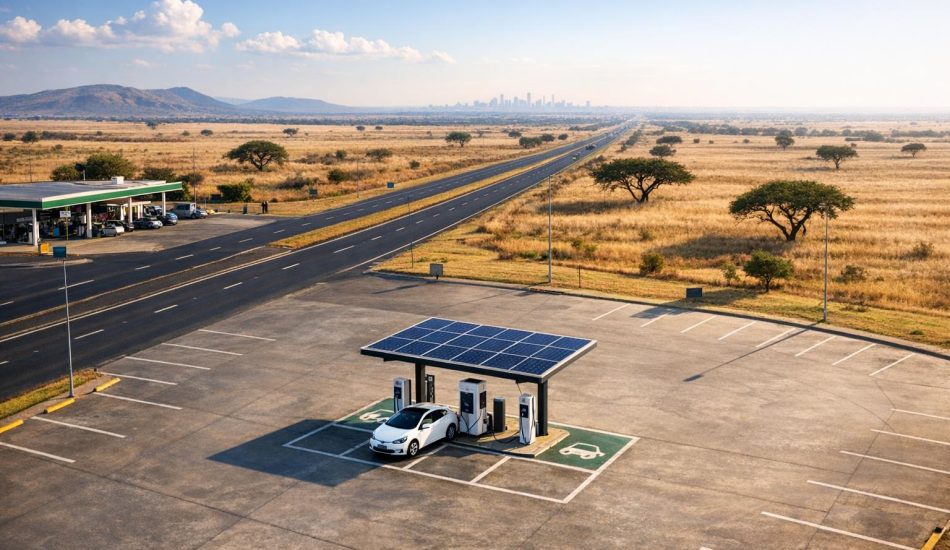
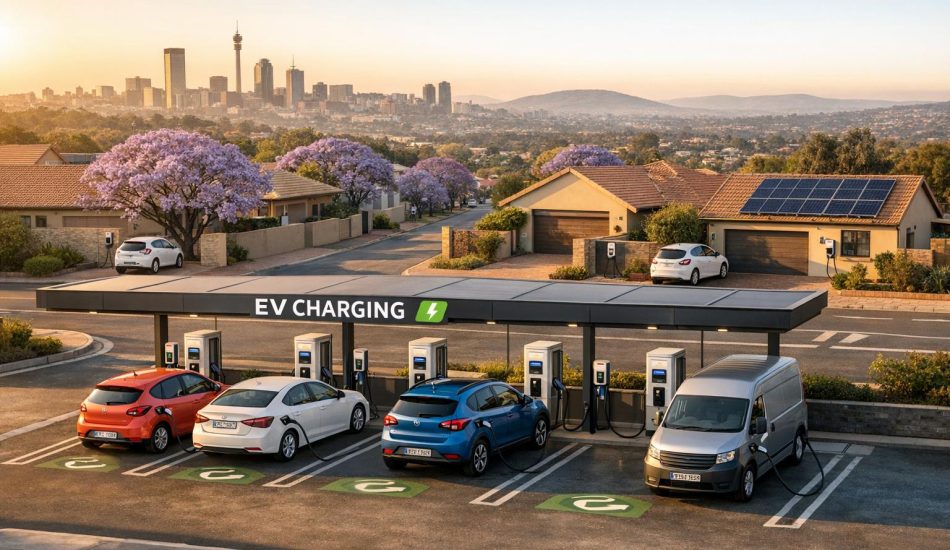
This rebate complements the duty reduction on EVs, offering additional cost-saving opportunities. It also addresses the limitations of Zimbabwe’s national grid by encouraging off-grid solar charging solutions. With a high-capacity charging station priced at around US$17,000, the rebate can significantly lower the initial investment. Importers must confirm their Approved Operator status with ZIMRA to qualify for this benefit.
Duty Rules for Hybrid Vehicles
Hybrid vehicles in Zimbabwe face a different tax treatment compared to fully electric vehicles. While fully electric vehicles are taxed at 25%, hybrids remain subject to a 40% customs duty. L.S.M Kabweza from Techzim explained this distinction clearly:
"Hybrid vehicles are not covered by the duty reduction and will still be in the 40% duty category. 40% is the standard customs duty on most motor vehicles in Zimbabwe."
This classification impacts how hybrids are taxed and the additional fees they incur.
How Hybrids Are Classified and Taxed
The Zimbabwe Revenue Authority (ZIMRA) categorizes hybrid vehicles under Tariff Code 8703, treating them the same as standard passenger vehicles. This means they are taxed at 40% of the Vehicle Declared Price (VDP), with VAT applied to the resulting Value for Tax Purposes (VTP). The calculation process aligns with the method previously discussed . Unfortunately, hybrids do not qualify for any eco-incentives.
Between January and September 2024, Zimbabwe imported $527 million worth of vehicles, most of which were second-hand hybrids and fuel-powered models averaging over 11 years old. By late 2024, the country had over 1,000 combined electric and hybrid vehicles in operation.
Extra Taxes and Fees for Hybrids
On top of the 40% customs duty, hybrid vehicles are subject to additional charges. Vehicles older than five years attract a 35% surtax, and there is also a carbon tax. For hybrids that are 10 years or older, an Import License is required; failing to obtain one results in a fine of ZWL 800,000 . Moreover, ZIMRA has the authority to reassess the declared Cost, Insurance, and Freight (CIF) value if it believes the stated amount does not reflect the actual market price.
| Vehicle Type | Customs Duty (Effective Jan 1, 2025) | Surtax (5+ Years Old) |
|---|---|---|
| Full Electric Vehicles (EVs) | 25% | 35% |
| Hybrid Vehicles | 40% | 35% |
| Electric Tractors | 0% | N/A |
| Standard ICE Vehicles | 40% | 35% |
sbb-itb-99e19e3
Rebates, Exemptions, and Policy Incentives
Zimbabwe is stepping up its efforts to make electric vehicles (EVs) more accessible through targeted rebates, exemptions, and incentives. Building on the adjusted duty rates discussed earlier, these measures aim to ease the financial burden of EV adoption while signaling the country’s commitment to greener transportation. For instance, electric tractors enjoy a 0% customs duty rate, while hybrids are still taxed at 40%, reflecting a tailored approach to encourage specific EV categories.
Rebate and Suspension Options
To promote infrastructure development, the Zimbabwe Revenue Authority (ZIMRA) offers duty rebates for businesses investing in solar-powered EV charging stations. According to Statutory Instrument 35 of 2025, approved operators can import essential equipment – such as solar panels, inverters, and battery storage systems – without paying customs duties. However, businesses must first obtain "Approved Operator" status from the Zimbabwe Energy Regulatory Authority (ZERA). This incentive is particularly valuable, considering that high-capacity charging stations from manufacturers like BYD can cost up to $17,000 before any duty relief.
There are conditions attached to this rebate. Equipment imported under this program cannot be sold or transferred without written approval from ZIMRA, and any waived duties must be repaid in such cases. Additionally, a draft Electric Mobility Policy has proposed reducing VAT on EVs from 14.5% to 4.5% for the period between 2022 and 2030, though implementation remains inconsistent.
Trade Agreements and Regional Policies
Zimbabwe’s local incentives are part of a broader strategy tied to its regional and international trade commitments. As a member of the Southern African Development Community (SADC) and the African Continental Free Trade Area (AfCFTA), Zimbabwe has an opportunity to leverage these partnerships to grow its EV market. The long-term vision includes transitioning from importing second-hand vehicles to becoming a manufacturing hub for EV components, taking advantage of the country’s abundant lithium reserves. Analyst Dzidzai Chidumba highlighted this strategic positioning:
"Our position in SADC means our market is just not Zimbabwe but the entire African Free Trade Area."
These regional frameworks could eventually enable duty-free or preferential trade for locally assembled EVs within the bloc. Zimbabwe has set ambitious goals, including achieving 33% market penetration for electric vehicles by 2030 and ensuring that 90% of bus sales are electric by the same year. To support this transition, the government has proposed a subsidy pool of $366.7 million, aiming to reduce emissions while fostering a competitive EV market across Africa.
How to Navigate ZIMRA Rules for EV and Hybrid Imports
Understanding the duty framework set by ZIMRA is crucial when importing electric and hybrid vehicles. Missing key details – like obtaining an import license for vehicles older than 10 years – can lead to hefty fines, with penalties reaching up to ZWL 800,000.
Using ZIMRA’s Official Resources
Start by visiting ZIMRA’s website to access the latest customs and excise duty rates. The Customs and Excise Duties page is a good place to confirm the rates applicable to your vehicle category. Generally, electric and hybrid vehicles fall under tariff heading 8703, so double-check this classification before proceeding with cost calculations.
The calculation begins with the Value for Duty Purposes (VDP), which includes the vehicle’s invoice value along with additional costs like ocean freight, port handling, and road carriage fees. ZIMRA publishes statutory instruments that outline these requirements, including the need for an import license for vehicles over 10 years old. Even if you use ZIMRA’s pre-clearance system to pay duties before the vehicle arrives at the border, securing this license remains mandatory. Additionally, ZIMRA may reject declared values that don’t align with genuine market prices, as stipulated in Section 112 of the Customs and Excise Act.
Once you’ve verified the duty rates and classifications, proceed to calculate your total import costs.
Estimating Import Costs with EV24.africa

Before committing to an import, it’s essential to have a clear understanding of your overall expenses. EV24.africa simplifies this process by offering transparent pricing and detailed vehicle specifications, helping you see beyond the initial sticker price. Their platform showcases electric vehicles from brands like Tesla, BYD, Leapmotor, and Hyundai, with delivery options across several African countries.
To estimate costs, compile all necessary documents, including the invoice value, sea freight charges, port handling fees, and road carriage costs. Apply the duty rates – 25% for fully electric vehicles (effective January 1, 2025) and 40% for hybrids. Next, calculate the VAT on the Value for Tax Purposes (VTP), which is the sum of the VDP and customs duty. Be aware that a surtax applies to vehicles older than five years.
Once you’ve calculated your costs, make sure to stay updated on any policy changes that could affect your import plans.
Keeping Up with Policy Changes
Import policies for EVs are constantly evolving, so staying informed is vital. The most recent major update came on January 1, 2025, when Finance Minister Mthuli Ncube announced a reduction in customs duty for electric vehicles.
To keep up with changes, regularly check ZIMRA’s official social media accounts and public notices, which provide updates on duty calculations and regulatory adjustments. Subscribing to notifications for new statutory instruments can also help you stay ahead, as these documents formalize changes to customs laws. Additionally, tools like the Zim Duty Calculator can assist in estimating costs, but always cross-check with ZIMRA’s official data to ensure accuracy. With the government’s e-mobility roadmap aiming for EVs to make up 6% of total sales by 2025 and 33.1% by 2030, further policy updates are likely on the horizon.
Conclusion
Starting January 1, 2025, Zimbabwe will lower customs duty on fully electric vehicles from 40% to 25%, translating to a potential savings of $1,500 on a $10,000 vehicle. Meanwhile, hybrid vehicles will continue to face a 40% duty, and electric tractors will benefit from a complete exemption at 0% duty rates.
The government has set ambitious goals for electric vehicle (EV) adoption, aiming for EVs to make up 6% of all vehicle sales by 2025 and 33.1% by 2030. Finance Minister Mthuli Ncube highlighted this shift, stating:
"Cognisant of the need to promote use of eco-friendly vehicles… I propose to reduce Customs Duty on Electric Motor Vehicles, with effect from 1 January 2025."
To further support this transition, approved operators can access rebates for solar-powered charging equipment, addressing some of the infrastructure challenges tied to EV adoption. These policy changes are set to play a pivotal role in shaping the cost dynamics of importing EVs.
When calculating total import costs, several factors come into play: customs duty (based on the CIF value plus incidental charges), VAT applied to that amount, and a 35% surtax for vehicles older than five years.
FAQs
What are the advantages of importing electric tractors into Zimbabwe?
Importing electric tractors into Zimbabwe comes with both financial and environmental perks. One major advantage is that these tractors are fully exempt from customs duty, meaning no import taxes are added to their Cost, Insurance, and Freight (CIF) value. This tax break significantly lowers the initial cost, making electric tractors a more budget-friendly alternative to diesel-powered models for farmers and agribusinesses.
Beyond the reduced upfront cost, electric tractors are also much cheaper to operate. Electricity is far more economical than diesel, which means lower running expenses over time. This combination of savings makes mechanized farming more accessible and profitable. On top of that, electric tractors align with Zimbabwe’s push toward greener practices by cutting carbon emissions. Pairing them with solar-powered charging stations takes this a step further, promoting cleaner and more sustainable farming methods.
How does ZIMRA determine the value of imported vehicles?
When importing a vehicle, ZIMRA requires you to complete a declaration using Form 47, which should include the selling price as stated on the invoice or sale agreement. To ensure accuracy, they compare this declared value with verified open-market prices. If there are discrepancies or further verification is needed, ZIMRA may carry out a physical inspection and independently reassess the vehicle’s value, as permitted under Section 112 of the Customs and Excise Act.
What benefits are available for setting up EV charging stations in Zimbabwe?
Zimbabwe offers a customs duty rebate for importing equipment used to set up solar-powered EV charging stations. This incentive, introduced in the 2025 budget through Statutory Instrument 35 of 2025, allows approved operators to bring in key components – such as solar panels, inverters, EV chargers, batteries, and wiring – without having to pay customs duties.
To benefit from this rebate, operators must receive approval from the Zimbabwe Energy Regulatory Authority (ZERA). This measure helps cut down the upfront costs of establishing EV charging infrastructure. However, there are strict conditions: the imported equipment cannot be moved or sold without prior approval from the Zimbabwe Revenue Authority (ZIMRA). If the equipment is resold, the previously waived duty must be repaid.