
 Thabo Nkosi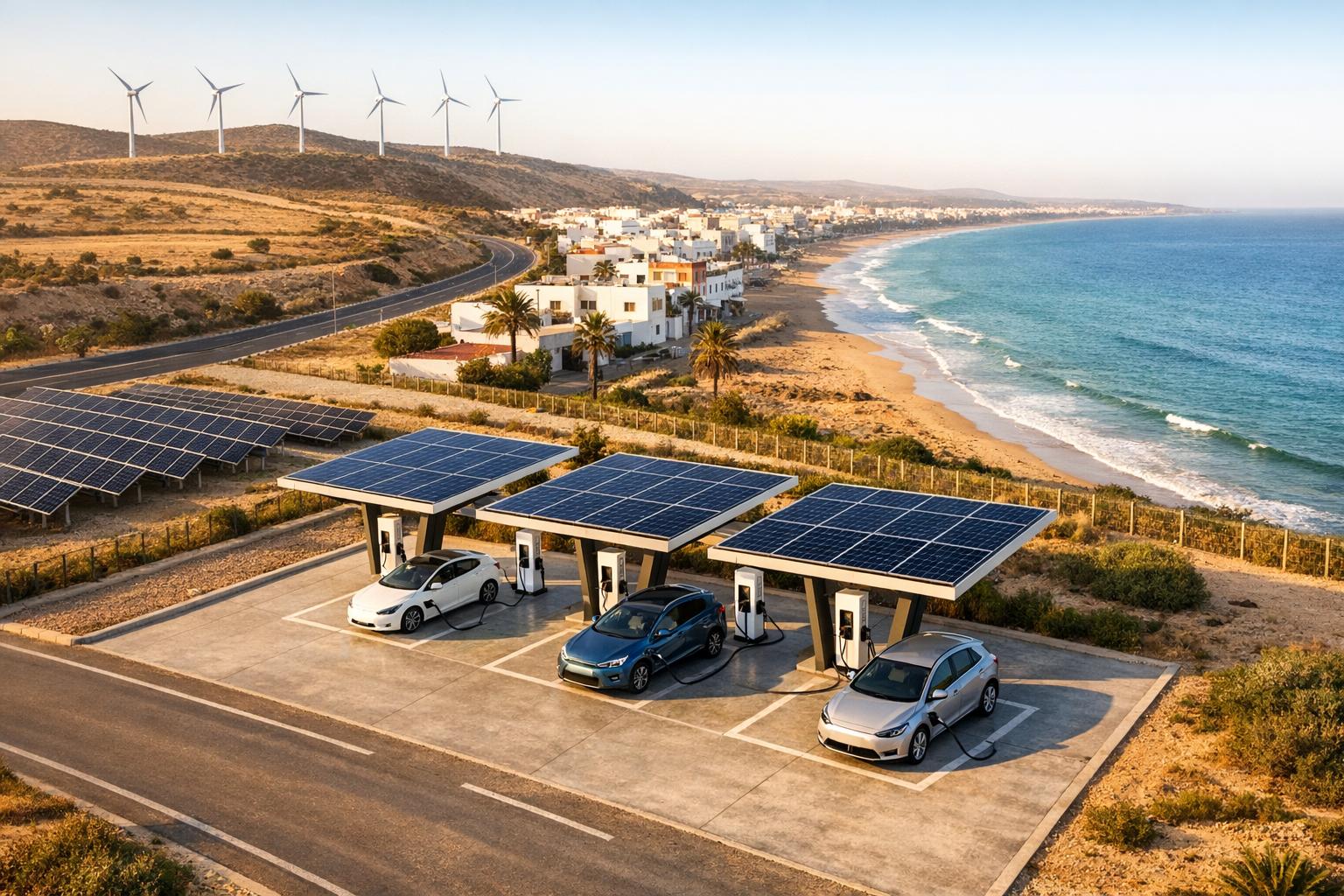
Morocco is leading Africa’s electric vehicle (EV) industry with a strong focus on production, infrastructure, and renewable energy. Here’s why:
- Automotive Leadership: Produced 535,825 vehicles in 2023, ranking 25th globally and first in Africa.
- EV Goals: Targets 100,000 EVs annually by 2025 and 2.5 million EVs on the road by 2050.
- Battery Investments: Secured $6.5 billion for Africa’s first EV battery gigafactory.
- Charging Network: Plans to install 2,500 stations by 2026 and expand to 25,000 by 2035.
- Resource Control: Holds over 70% of global phosphate reserves and ranks 11th in cobalt production.
- Renewable Energy: Generates 40–45% of electricity from renewables, aiming for 52% by 2030.
- Cost Savings: EVs offer up to $1,900 in annual fuel and maintenance savings for drivers.
Morocco combines resource control, renewable energy, and government incentives to create a self-sustaining EV ecosystem. Major players like Renault and Stellantis are already leveraging Morocco’s advantages, while companies like FASTVOLT are expanding ultra-fast charging networks. With ambitious goals and strategic planning, Morocco is positioning itself as a leader in Africa’s shift to electric mobility.
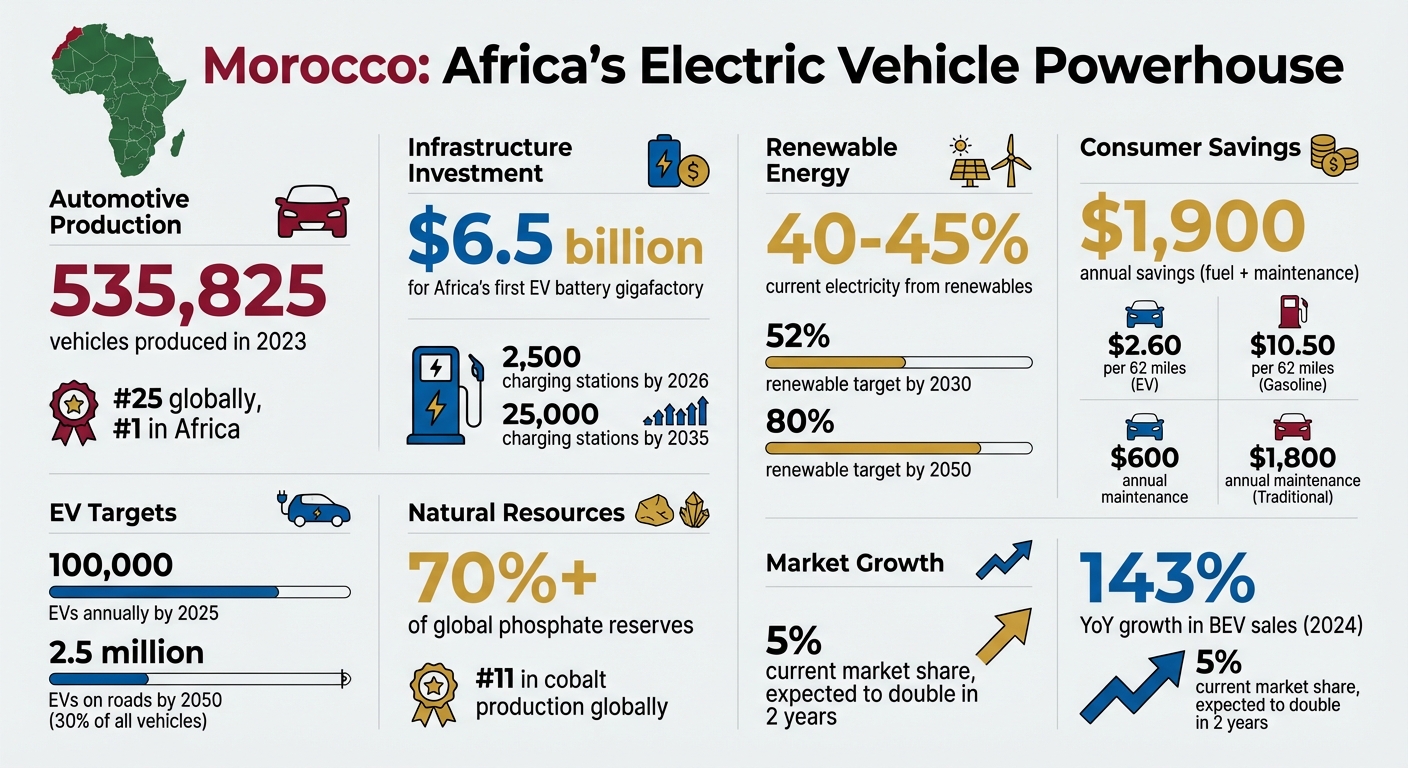
Morocco’s Electric Vehicle Leadership in Africa: Key Statistics and Goals
Morocco’s Next Big Auto Expansion: Electric Vehicles | Presented by AMDIE
sbb-itb-99e19e3
Government Policies Supporting EV Adoption
Morocco is making big moves to encourage electric vehicle (EV) adoption, focusing on lowering costs and building infrastructure. These steps tackle the main obstacles to owning an EV while helping the country meet its climate goals under the Paris Agreement. The government is rolling out key measures like tax incentives and clear fleet targets to drive this transition.
Tax Breaks and Subsidies for EV Buyers
To make EVs more accessible, Morocco has introduced tax exemptions for EV purchases. Import duties on EV components have also been reduced, which lowers costs for both locally assembled vehicles and imported parts. Hybrid vehicles see even greater benefits, with customs duties cut dramatically from 17.5% to just 2.5%, making popular models, especially those from Japan, more affordable.
These financial incentives translate into noticeable savings. EV drivers in Morocco save around $1,200 (12,000 MAD) annually, and over five years, the operating costs of an EV are about 40% of what it costs to run a gasoline-powered car. On top of this, the Moroccan Agency for Energy Efficiency (AMEE) offers subsidies for installing charging stations, encouraging businesses and homeowners to set up private charging points.
These measures are just the beginning, as Morocco pairs financial incentives with ambitious targets for fleet electrification and infrastructure expansion.
National Goals for Green Transportation
Morocco has set bold goals to lead its shift toward green transportation. The country aims to cut carbon emissions by 45.5% by 2030. As part of this effort, the government required that by 2021, 30% of the state’s vehicle fleet be electric or hybrid. This not only created immediate demand but also showed private sector players the government’s serious commitment.
"Morocco’s policy framework is designed to decarbonize transportation, aligning with its commitment to reduce greenhouse gas emissions by 45.5% by 2030 under the Paris Agreement." – Anari Energy
Looking ahead, Morocco envisions 2.5 million EVs on its roads by 2050, which would make up 30% of all vehicles. To support this transition, the government is investing in charging infrastructure, with plans to install 2,500 stations by 2026 and increase that number to 25,000 by 2035. By combining policy, infrastructure, and capacity-building, Morocco is laying the foundation for a thriving EV ecosystem.
EV Charging Infrastructure Development
Morocco is making swift progress in building its EV charging network, thanks to combined efforts from the government and private companies. By mid-2025, the country had around 1,000 public charging stations, with plans to grow this number significantly in the coming years. Projections suggest that by 2030, Morocco’s expanding EV fleet will need between 25,800 and 42,500 charging points. To support this growth, Moroccan companies have pledged $140 million to install 5,000 charging stations by 2028, aiming for an efficient ratio of 10 EVs per charger. This ambitious expansion reflects Morocco’s dedication to building a well-integrated EV ecosystem.
Public and Private Sector Investments
The Moroccan Agency for Energy Efficiency (AMEE) is playing a key role by offering subsidies to encourage the installation of charging stations. Meanwhile, the National Agency for Electricity and Water (ONEE) ensures these stations are seamlessly integrated with the national grid to maintain reliable power supply. On the private side, companies are leading the charge. In January 2026, FASTVOLT introduced Morocco’s first 360 kW ultra-fast charging station, featuring a modular design, multiple connector options, and a 60 kWp solar canopy. By early 2026, FASTVOLT had established a network of over 200 connectors across 65 stations. Other companies, such as Schneider Electric and EV Morocco, are also contributing by installing public fast chargers and private wallbox solutions.
"Electric mobility scales fastest where infrastructure leads, not follows." – Younes Rabeh, EV24.africa
Charging Station Locations in Cities and Highways
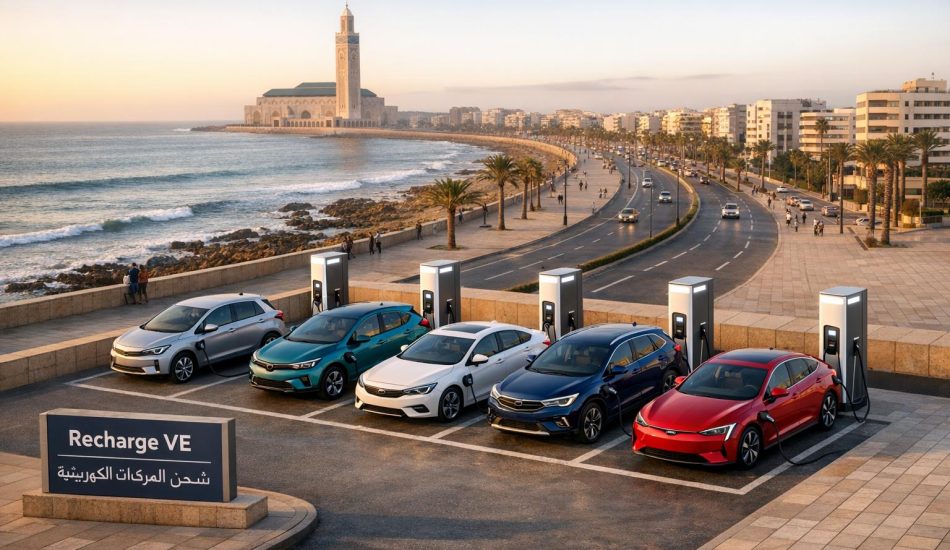
Morocco’s charging network is heavily focused along the "Atlantic axis" highway corridor, which stretches from Agadir to Tangier, connecting major industrial and tourism hubs. Casablanca leads with 16 public charging stations, followed by Marrakech with 13, while Rabat and Tangier are also becoming key locations for EV infrastructure. Efforts to expand highway coverage aim to reduce range anxiety, with Afriquia service stations adding fast chargers along routes like the A3 highway between Casablanca and Marrakech. Modern EVs, such as the XPENG G9, can gain about 100 km (62 miles) of range in just 5 minutes using these ultra-fast chargers.
Drivers can also use tools like evmorocco.ma or Chargemap to locate charging stations and check real-time availability. For businesses, installing 22 kW wallbox chargers is proving to be a smart move, attracting eco-conscious customers while preparing for the future. This growing infrastructure not only addresses the rising demand for EVs but also paves the way for greater integration of renewable energy into Morocco’s EV landscape.
Renewable Energy Integration with EV Infrastructure
Morocco is setting an example by directly linking its renewable energy systems to its expanding EV charging network. With over 45% of its electricity already coming from renewable sources, the country ensures that its electric vehicles (EVs) are powered by clean energy. This approach not only reduces emissions but also strengthens Morocco’s commitment to sustainable transportation.
Noor Ouarzazate Solar Complex and EV Charging
At the heart of Morocco’s clean energy strategy lies the Noor Ouarzazate Solar Complex. This massive facility generates 582 MW of power – 510 MW from concentrated solar power and 72 MW from photovoltaic systems – providing electricity to over 1.1 million people and accounting for 5% of the nation’s total power supply. Thanks to its molten salt storage system, the complex can deliver energy for up to eight hours after sunset, ensuring a steady supply for EV charging even at night.
In addition to its impressive output, the facility offsets around 690,000 tons of CO₂ annually. That’s the equivalent of removing 145,000 cars from the road[13,15]. This clean energy feeds into Morocco’s national grid, powering EV charging stations in major cities like Casablanca and Marrakech. A standout example is FASTVOLT’s 360 kW ultra-fast charging station, which incorporates a 60 kWp solar photovoltaic canopy, cutting down the carbon footprint of each charge session. This integration highlights how renewable energy directly fuels Morocco’s EV ambitions.
Morocco’s Renewable Energy Targets
Morocco’s renewable energy goals are tightly aligned with its EV infrastructure plans. The country is aiming for 52% of its electricity to come from renewable sources by 2030 and 80% by 2050. By 2029, it plans to increase its renewable capacity to 9,338 MW, keeping electricity costs steady at about $0.12 per kWh[16,17,18]. Affordable electricity ensures that EV charging remains cost-effective for consumers.
"By pairing renewable energy with EV infrastructure, Morocco is creating a sustainable ecosystem that reduces carbon emissions and supports long-term economic growth." – EV Morocco
To support this vision, the National Electricity Regulatory Authority (ANRE) is working to enhance grid flexibility. This ensures that the grid can handle the variable inputs from solar and wind energy while maintaining a reliable power supply for the growing EV charging network. With plans to install between 25,800 and 42,500 charging points by 2030, Morocco’s investments in renewable energy are crucial for building a sustainable EV ecosystem.
Benefits for Consumers and Businesses
Morocco’s focus on policy and infrastructure improvements has created an EV ecosystem that offers notable financial advantages for both everyday drivers and businesses.
Lower Fuel and Maintenance Costs
Driving an EV is significantly cheaper than using a gasoline-powered car. Covering 62 miles in an EV costs only $2.60, compared to $10.50 for gasoline. For someone driving 9,320 miles annually, this adds up to $624 in energy costs, compared to $2,520 for fuel – a yearly savings of nearly $1,900. Maintenance is also far less expensive, averaging $600 per year versus $1,800 for traditional vehicles. Thanks to fewer moving parts, EVs avoid typical expenses like oil changes, transmission repairs, and exhaust system replacements.
Affordable options are also making EVs more accessible. For instance, the Dacia Spring is priced at about $22,500 (215,000 MAD), while the BYD Seagull costs around $20,900 (199,900 MAD). With electricity priced at just $0.14 per kWh, charging a Renault Zoe fully costs roughly $6.30, offering a range of nearly 245 miles.
Business Incentives for EV Fleet Adoption
For businesses, transitioning to EV fleets offers financial perks and operational efficiency. Companies importing EVs enjoy exemptions from VAT and customs duties, significantly reducing upfront costs. Over time, businesses save up to 60% on fuel and maintenance, reshaping their budgets for the long haul. Salma Moukbil, General Manager at Jameel Motors Morocco, highlighted the growing market potential:
"The consumer market is undoubtedly ready for hybrids and EVs… Hybrids and EVs still only make up around 5% of total new vehicle purchases, but it’s expected to more than double in the next two years".
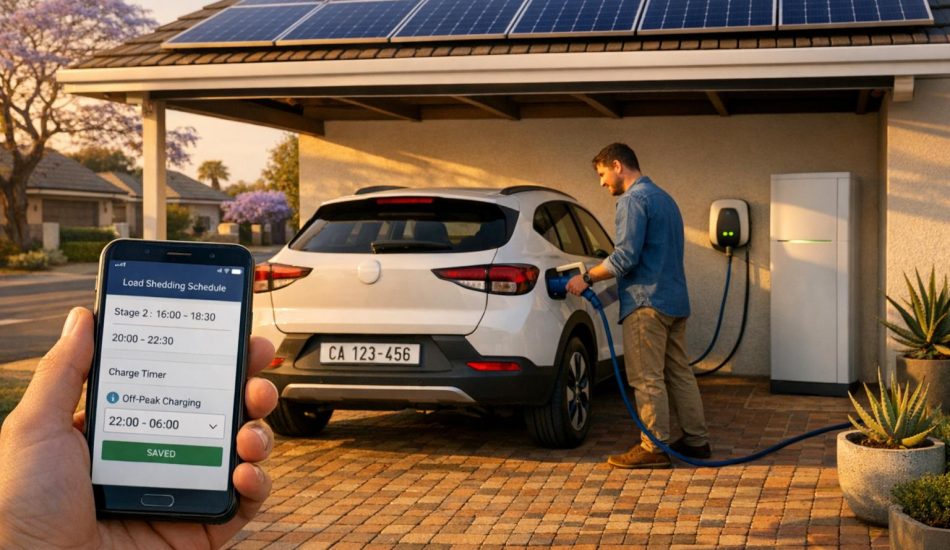
Fleet operators can further cut costs by installing 22 kW wallbox chargers for on-site charging and using smart charging software to track energy use in real time. Ultra-fast chargers are now available, reducing downtime for vehicles and keeping operations running smoothly. Additionally, Morocco’s increasingly green energy grid enhances sustainability efforts, improving businesses’ environmental impact. These incentives and savings align with Morocco’s vision for a sustainable EV future, benefiting both individuals and corporate fleets alike.
Conclusion: Morocco’s Position as an African EV Leader
Morocco has emerged as a standout in Africa’s electric vehicle (EV) sector, capitalizing on advantages that set it apart from other nations. Its strong production base, bolstered by projects like the $6.5 billion battery gigafactory, showcases a commitment to more than just vehicle electrification – it’s about true decarbonization. With over 40% of its electricity sourced from renewables, Morocco has laid the groundwork for a sustainable electric mobility future. This foundation supports ambitious sales and infrastructure goals.
The numbers back up this momentum. Sales of battery electric vehicles surged 143% year-over-year in 2024, and the government has set its sights on having 2.5 million EVs on the road by 2050, making up 30% of all vehicles. To support this growth, plans are in place to establish 25,000 charging stations by 2035, with the launch of Morocco’s first 360 kW ultra-fast charging station by FASTVOLT in January 2026 highlighting the country’s forward-thinking approach.
Morocco’s strategy goes beyond production and charging infrastructure. The country has prioritized securing control over critical raw materials, holding over 70% of the world’s phosphate reserves and maintaining a strong cobalt production capacity. These resources ensure a level of self-reliance that few others can claim. Strategic partnerships have also played a role, helping Morocco evolve from a simple assembler to a key player in battery manufacturing. Tesla‘s decision to establish formal operations in Morocco in mid-2025 further underscores its leadership in the EV transition, making it the first African country to host Tesla.
Allen Kemigisa from the African Centre for a Green Economy summed up Morocco’s broader impact:
"Morocco’s electric transportation revolution is more than a national success story, it’s a blueprint for Africa’s climate-resilient future".
This success is the result of coordinated policies, renewable energy integration, strategic alliances, and significant industrial investments. With free trade agreements spanning over 50 countries and 90% of automotive exports heading to Europe – where all-electric vehicles will be mandatory by 2035 – Morocco has aligned its EV goals with global market trends. These efforts not only boost local EV adoption but also position the country as a key player in the worldwide shift toward electric mobility.
FAQs
How easy is it to road-trip an EV across Morocco?
Road-tripping across Morocco in an electric vehicle (EV) is becoming easier thanks to the expanding fast-charging network and government initiatives. With plans to roll out 5,000 public chargers by 2028 and lower import duties on EVs, traveling long distances is now more practical. Adding to the appeal, Morocco’s renewable energy efforts, such as the Noor Solar Complex, provide eco-friendly power even in remote locations. Though rural areas still face some challenges, Morocco is quickly transforming into a welcoming destination for EV travelers.
How clean is Morocco’s electricity for charging EVs?
More than 46% of Morocco’s electricity is generated from renewable sources such as solar and wind. This makes it an environmentally friendly choice for charging electric vehicles. Morocco’s dedication to renewable energy showcases its role in advancing green energy and promoting sustainable transportation solutions.
What EV incentives are available for buyers and fleets?
Morocco is taking steps to make electric vehicles (EVs) more accessible by offering a range of tax benefits. These include 0% VAT, exemption from customs duties, and lower registration fees. These incentives are available for both individual buyers and fleet operators, aiming to encourage a shift toward electric mobility.