
 Thabo Nkosi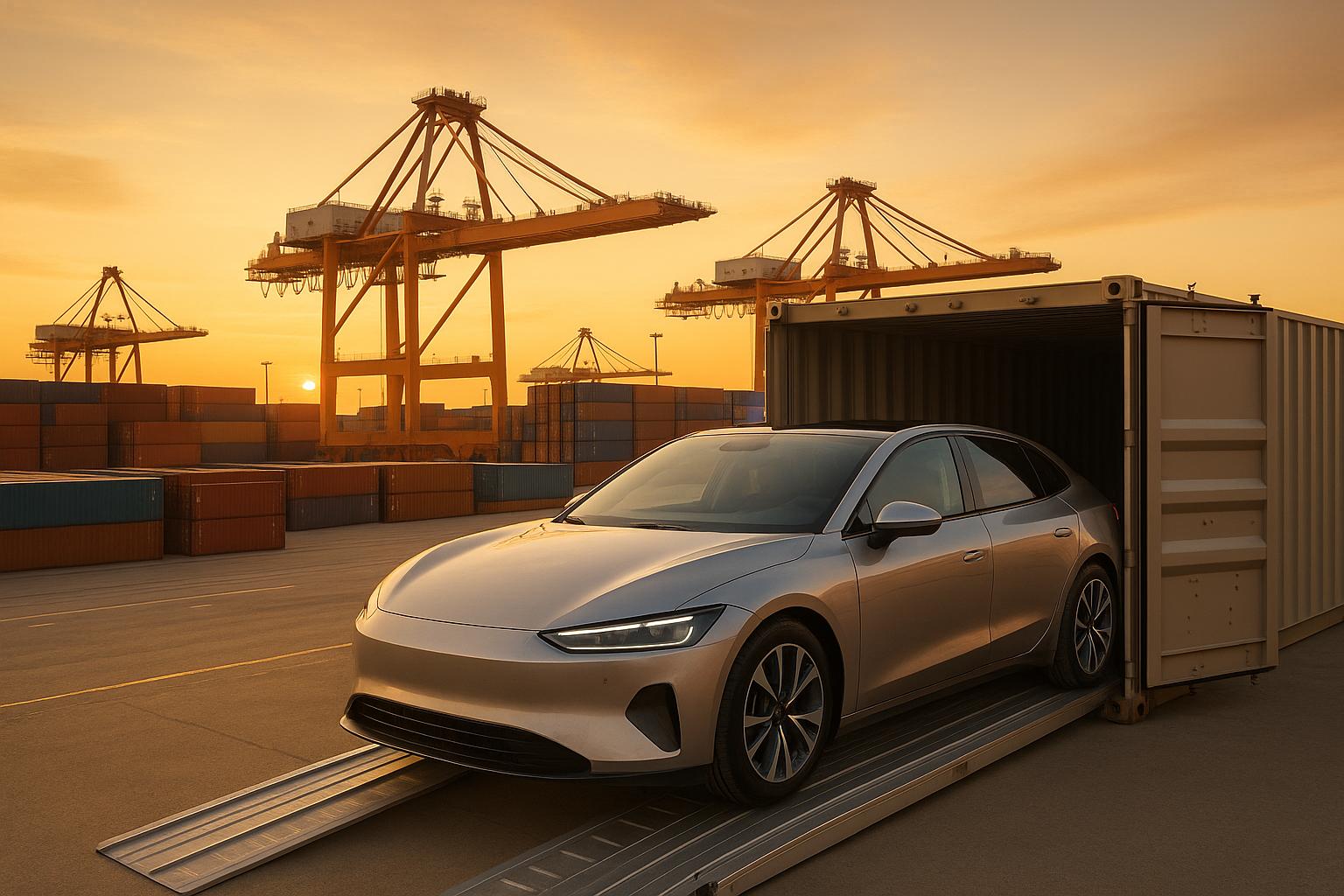
Importing electric vehicles (EVs) from China to Rwanda in 2025 is now simpler and more affordable, thanks to tax exemptions and reduced duties introduced by the Rwandan government. This guide explains how to take advantage of these incentives, ensuring compliance with regulations and avoiding unnecessary costs. Here’s what you need to know:
- Tax Incentives: Pure EVs are exempt from import duties, VAT, and excise taxes. Hybrids may still incur some charges.
- Key Requirements: Vehicles must meet Rwandan safety, technical, and environmental standards. Ensure compatibility with Rwanda’s 230V, 50Hz electrical grid and left-hand steering.
- Import Process:
- Choose a suitable EV from trusted Chinese manufacturers like BYD or Geely.
- Account for all costs, including shipping, insurance, and customs clearance.
- Select a shipping method: container (safer) or RoRo (cheaper).
- Prepare required documents like the bill of lading, commercial invoice, and certificates of origin and conformity.
- Use the Rwanda Revenue Authority (RRA) electronic system for customs clearance.
- Registration: After customs, register the vehicle with the RRA, providing proof of payment, identification, and necessary customs documents.
Pro Tip: Work with experienced logistics providers and RRA-registered clearing agents to streamline the process and avoid delays. Stay updated on policy changes via the RRA and Rwanda Standards Board.
How to Import Electric Cars from China?
Rwanda’s EV Import Regulations and Incentives in 2025
Rwanda is stepping up its support for electric vehicles with a 2025 policy framework that significantly reduces the costs of importing EVs, particularly from China. This includes slashing import duties, VAT, and excise taxes for pure electric vehicles.
Tax Breaks for Pure Electric Vehicles
The 2025 policy offers full tax exemptions on pure electric vehicles, covering import duties, VAT, and excise taxes. However, hybrid vehicles still face some duties. If you’re planning to import an EV, these tax advantages make it an attractive option. Just be sure that your vehicle meets all the necessary technical and safety standards set by Rwanda.
Compliance with Rwandan Standards
To ensure your EV is eligible for import, it must align with Rwanda’s technical, safety, and environmental regulations. For the most up-to-date requirements, consult the Rwanda Revenue Authority and the Rwanda Standards Board. Staying informed will help you navigate the process smoothly.
How to Import Electric Cars from China: Step-by-Step Process
Importing an electric vehicle (EV) from China to Rwanda involves a series of detailed steps. By understanding the process thoroughly, you can avoid unnecessary delays and unexpected costs.
Choosing the Right Electric Vehicle
Start by selecting an EV that suits your needs and complies with Rwandan import regulations. Brands like BYD, Geely, Dongfeng, and Leapmotor offer models designed for Rwandan roads and climate conditions.
When evaluating vehicles, ensure the manufacturer provides complete export documentation. This includes the vehicle’s certificate of origin, a certificate of conformity, and proof that it meets international safety standards. These documents are essential for customs clearance.
Pay close attention to the vehicle’s specifications. Since Rwanda uses right-hand traffic, make sure the car has a left-hand steering wheel. The charging system must also be compatible with Rwanda’s 230V, 50Hz electrical grid. It’s equally important to confirm the availability of spare parts and service centers in Kigali.
Request a battery health certificate and warranty details. Knowing the battery’s condition and warranty terms is crucial, especially if the vehicle is intended for long-term use.
Lastly, calculate all associated costs to ensure the vehicle fits within your budget.
Calculating Total Import Costs
The purchase price is just one part of the overall expense. You’ll also need to account for shipping, insurance, port handling, overland transport, customs clearance fees, and possibly agent fees.
- Get detailed quotes from shipping and logistics companies.
- Confirm the insurance rate based on the vehicle’s value.
- Inquire about fees for port handling, overland transport, and customs processing.
- If you hire a customs clearing agent, ask for a clear breakdown of their charges.
- Include a contingency fund to cover unexpected expenses or price changes.
Freight forwarders and customs agents can provide the most accurate and up-to-date cost estimates. Once you’ve calculated your costs, choose a shipping method that offers the best balance of protection and affordability.
Shipping and Logistics Options
When shipping a vehicle from China to East Africa, you typically have two options:
- Container Shipping: The vehicle is loaded into a shipping container, offering better protection against weather and theft. This is often the preferred method for used EVs.
- Roll-on/Roll-off (RoRo) Shipping: The vehicle is driven onto a specialized vessel and secured on deck. While more economical, this method leaves the vehicle exposed to the elements.
Select the option that best suits your vehicle’s condition and your budget. Work with a logistics provider experienced in vehicle shipments to East Africa. They should handle everything from door-to-port pickup in China to coordinating land transport in East Africa, as well as managing export documentation like the bill of lading, packing list, and commercial invoice.
Clearing Customs in Rwanda
Once your vehicle arrives in Kigali, it must go through customs clearance. Prepare the following documents:
- Original bill of lading
- Commercial invoice showing the vehicle’s purchase price
- Certificate of origin from China
- Manufacturer’s certificate of conformity
- Export certificate from Chinese customs
- Personal identification or company registration documents
Submit these documents through the RRA electronic single window, which streamlines the import process and allows you to track your application. The RRA will also conduct a physical inspection of the vehicle to ensure it matches the documentation and complies with Rwanda’s standards. While pure electric vehicles may qualify for tax exemptions, all procedural steps must still be completed.
Incomplete or incorrect paperwork can cause delays. Many importers choose to work with customs clearing agents to simplify the process. Once your vehicle clears customs, pay the required fees through the RRA’s electronic payment system. Save all receipts and clearance documents for the next step: vehicle registration.
sbb-itb-99e19e3
Registering Your Imported Electric Vehicle
Once your EV has cleared customs, the next step is registering it with the appropriate Rwandan authorities. This involves submitting the necessary documents along with proof of fee payment.
Vehicle Registration Requirements
Here’s what you’ll need to gather for the registration process:
- A valid TIN (Tax Identification Number).
- For individuals: One passport-size photo.
- For companies: A trading license or the full Rwanda Development Board registration certificate.
- For other organizations: The relevant official document, such as an RGB registration certificate for NGOs or an RCA certificate for cooperative agencies.
- Identification: A copy of your National Identity Card or Passport that matches the TIN.
- Customs documentation: A stamped motor vehicle registration form issued by customs, which also serves as the customs declaration.
- Supplier details: The supplier’s invoice and Bill of Lading obtained during customs clearance.
- Additional customs forms: The T1 form and any applicable checking forms with the company stamp.
- Customs release: A customs release order and a payment slip confirming all required customs fees have been paid.
With these documents in hand, head to the RRA registration office in Kigali. Submit your paperwork for review. Once your EV is officially registered, you can move forward with securing insurance and obtaining your license plates.
Tips for a Smooth Import Process
Bringing an EV from China to Rwanda requires careful planning to avoid unnecessary delays and costs.
Working with Trusted Suppliers and Agents
A successful import starts with selecting dependable partners. Always choose suppliers who provide detailed CIF (Cost, Insurance, and Freight) pricing to avoid unexpected charges.
Platforms like Alibaba.com allow you to negotiate directly with manufacturers. Opt for verified suppliers with "Audited Supplier" or "Gold Member" badges and positive customer reviews, as these indicators often reflect reliable service and on-time delivery. Many platforms also offer trade assurance programs to safeguard your transactions.
Look for brands that pre-certify their vehicles to meet international standards like e-Mark or DOT/FMVSS. This makes customs clearance smoother and faster. Exporters offering CIF-inclusive deals, which bundle shipping and insurance, can simplify logistics and help manage costs effectively.
In Rwanda, ensure your clearing agent is registered with the Rwanda Revenue Authority (RRA). Choose agents with solid recommendations and insist on a written fee agreement to avoid misunderstandings. Agents who excel at expediting paperwork can save you from costly delays and storage fees.
Lastly, stay informed about any regulatory changes to maintain these trusted relationships and avoid surprises.
Staying Updated on Rwanda’s Import Policies
Even with reliable suppliers, understanding Rwanda’s import policies is essential. Regulations around tax incentives, duties, and compliance standards can shift, so staying informed helps you maximize benefits.
The Rwanda Revenue Authority (RRA) is your go-to source for official updates. Their "One Single Electronic Window" system simplifies customs declarations and provides access to critical information. Regularly check the RRA website, especially before initiating your import process.
Also, monitor updates from Rwanda’s Ministry of Infrastructure and the Rwanda Standards Board (RSB). These agencies frequently release information on vehicle standards, environmental rules, and incentive programs.
Staying on top of policy changes ensures compliance and can lead to financial savings. For example, pure electric vehicles currently qualify for tax exemptions, which can significantly cut import costs. Partnering with a customs broker or consultant who specializes in EV imports can be invaluable. They often have insights into upcoming policy changes, helping you anticipate opportunities or challenges before they impact your shipment.
Conclusion
Bringing an electric vehicle (EV) from China to Rwanda in 2025 has become much easier, thanks to tax exemptions for pure EVs and more efficient customs procedures. By following this guide – from choosing the right car and calculating costs to managing shipping and customs – you’ll be well-equipped to successfully import an affordable, eco-friendly vehicle to Rwanda.
With duty-free entry and lower operating costs, pure EVs offer substantial long-term savings. Combined with Rwanda’s expanding charging infrastructure, the financial benefits become even greater. This makes EVs an appealing choice for anyone looking to save money while contributing to a more sustainable future.
Thorough preparation and working with reliable partners is key. Collaborate with trusted suppliers and registered clearing agents to handle paperwork efficiently and avoid unnecessary delays. Stay updated on policy changes through the RRA’s "One Single Electronic Window" system and the Rwanda Standards Board to ensure compliance and maximize available incentives.
Rwanda’s forward-thinking EV policies create an exciting opportunity for early adopters. Importing an EV from China not only puts you at the forefront of East Africa’s shift toward sustainable transportation but also allows you to enjoy the environmental benefits and cost savings. While the process requires careful planning, the rewards – both for your wallet and the planet – make it a meaningful investment in Rwanda’s greener future.
FAQs
What are the main differences in importing pure electric vehicles versus hybrid vehicles from China to Rwanda?
When bringing pure electric vehicles (EVs) and hybrid vehicles from China into Rwanda, the main distinctions often revolve around customs duties, tax policies, and regulatory requirements. Pure EVs typically benefit from lower import taxes or even tax exemptions, aligning with Rwanda’s push to adopt clean energy and cut down on emissions. In contrast, hybrid vehicles may not enjoy the same incentives since they still rely partly on fossil fuels.
Pure EVs also come with specific considerations, such as adhering to battery safety and recycling regulations, and ensuring access to compatible charging infrastructure within Rwanda. While hybrid vehicles are less reliant on charging networks, they may require different emission compliance checks during the import process. It’s always a good idea to confirm the latest regulations with Rwandan authorities to avoid any unexpected hurdles.
What steps should I take to make sure the electric car I’m importing from China complies with Rwanda’s technical and safety standards?
To make sure the electric car you choose meets Rwanda’s technical and safety standards, start by confirming it has a fully electric propulsion system and adheres to local safety regulations. It’s also important to check that the vehicle’s battery capacity is adequate for your needs and aligns with Rwanda’s environmental guidelines.
Additionally, you’ll need a Certificate of Conformity (CoC) to confirm the car has passed testing by recognized authorities for both environmental and technical compliance. Following these steps can help streamline the import process and prevent any regulatory hurdles.
How can I prevent unexpected costs and delays when clearing customs and registering an electric car in Rwanda?
To steer clear of unexpected costs and delays when dealing with customs clearance and vehicle registration in Rwanda, preparation is key. Start by making sure all your documents – like invoices, certificates, and permits – are accurate and submitted on time. Even small errors in paperwork can lead to significant delays.
Plan ahead by arranging duty payments and other applicable fees before your vehicle arrives. Stay in close communication with your freight forwarder to track your shipment and quickly address any requests for additional information. Partnering with a trusted customs broker can also simplify the process and help resolve compliance issues more effectively.
Once your vehicle reaches its destination, pick it up promptly to avoid accumulating storage fees. Staying organized and proactive throughout the entire process can save you both time and money.