
 Thabo Nkosi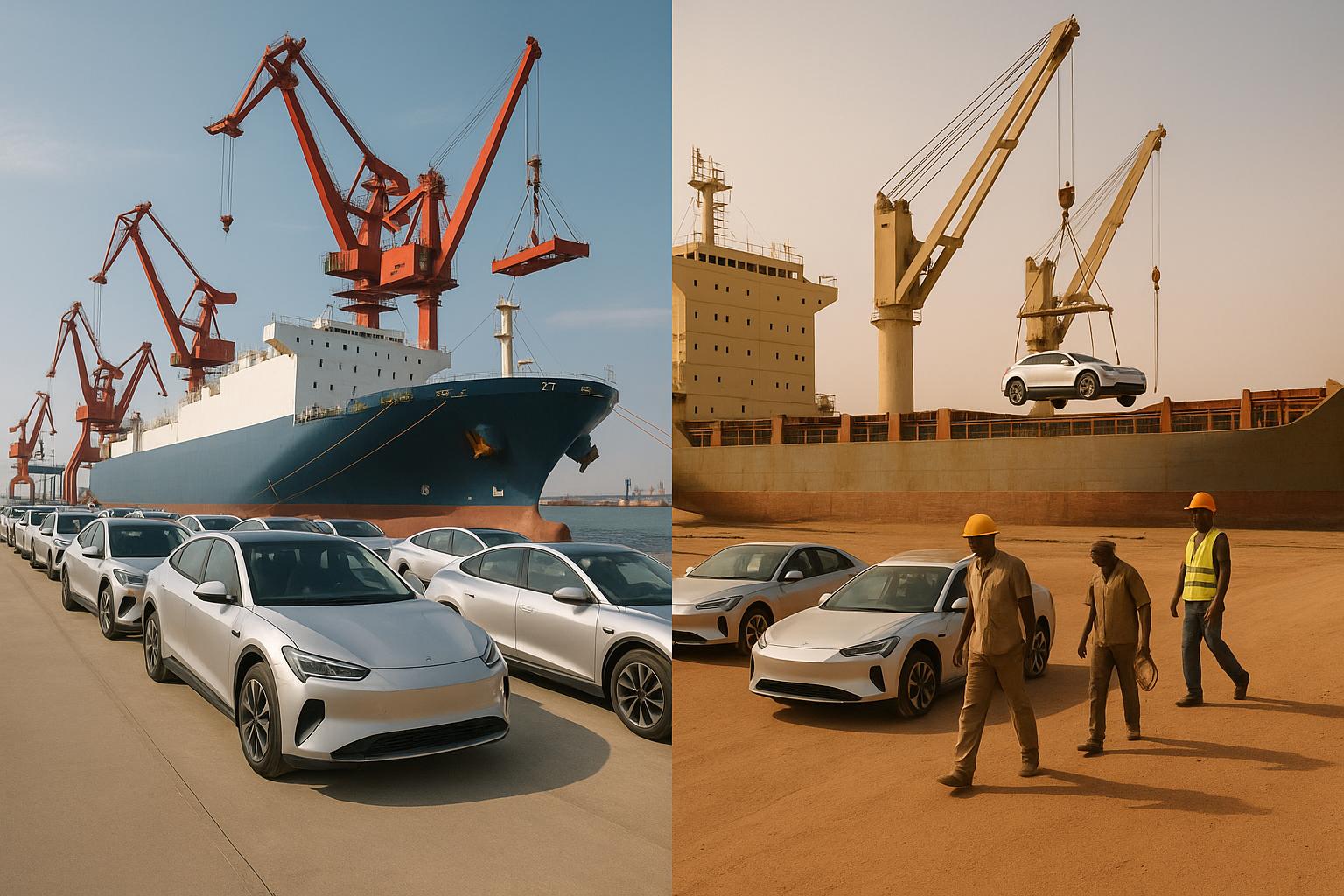
Importing electric cars from China to Mali in 2025 is a smart way to save on fuel costs, reduce maintenance expenses, and support cleaner transportation. However, the process involves navigating Mali’s import rules, shipping logistics, and setting up charging infrastructure. Here’s what you need to know:
- Tax Benefits: Mali exempts fully electric vehicles from customs duties and VAT, significantly lowering costs.
- Shipping Process: Vehicles are shipped via sea to ports like Dakar (Senegal) or Abidjan (Côte d’Ivoire), then transported overland to Mali.
- Required Documentation: Key paperwork includes a Bill of Lading, Commercial Invoice, Certificate of Origin, and customs forms.
- Vehicle Selection: Choose EVs designed for Mali’s rugged roads and high temperatures, with features like durable batteries, good ground clearance, and reinforced suspension.
- Charging Solutions: Solar-powered systems are practical due to Mali’s frequent power outages and abundant sunlight.
- Cost Planning: Total landed costs include purchase price, shipping, insurance, and inland transport. For example, a $18,000 EV may cost around $21,530 after shipping and fees.
Platforms like EV24.africa simplify the process by connecting buyers with verified suppliers, offering transparent pricing, and bundling services like shipping and customs clearance. With proper planning, importing EVs can be both affordable and hassle-free.
How to Import Electric Cars from China?
Mali’s Import Regulations and Requirements for Electric Vehicles
Before shipping an electric vehicle (EV) to Mali from China, it’s crucial to understand the country’s import rules. Mali’s vehicle import framework includes customs procedures, required documentation, and unique policies that set electric vehicles apart from traditional combustion-engine cars. Getting familiar with these details early can help avoid unnecessary delays and extra costs. This framework also highlights tax advantages and specific paperwork needs for EV imports.
Customs and Tax Policies for Electric Vehicles in Mali
In 2025, Mali introduced tax exemptions to encourage greener transportation and reduce environmental impact. According to the Ministry of the Economy, fully electric vehicles are exempt from both Value Added Tax (VAT) and customs duties.
However, while these tax breaks significantly lower costs, other expenses like shipping insurance, port handling fees, and inland transportation still apply. To avoid surprises, it’s wise to confirm the latest policies with Mali’s customs authorities before making a purchase.
Required Documentation for Vehicle Imports
Having complete and accurate documentation is key to smooth customs clearance. Essential documents include:
- Bill of Lading: Confirms the vehicle has been shipped. This document, issued by the shipping company, must match details in all other paperwork.
- Commercial Invoice: Lists the vehicle’s purchase price and specifications, including the buyer’s and seller’s information, make, model, year, Vehicle Identification Number (VIN), battery capacity (in kilowatt-hours), and the exact price in U.S. dollars.
- Certificate of Origin: Confirms where the vehicle was manufactured. For EVs from China, it should state "Made in China" and include the manufacturer’s details.
- VIN Documentation: Ensures the VIN matches across the bill of lading, commercial invoice, and customs forms. This 17-character code uniquely identifies the vehicle.
- Customs Declaration Forms: Must be fully completed with details about the vehicle’s value and intended use. Working with an experienced customs broker can help avoid delays.
For electric vehicles, additional documents related to the battery are required. These include specifications (like battery type and capacity) and safety certifications. A certificate of conformity may also be necessary to show the vehicle meets Mali’s safety and environmental standards. Proof of payment, such as bank transfer receipts or letters of credit, is also essential to validate the transaction.
Importing EVs vs. Combustion Vehicles: Policy Differences
The import process for electric vehicles differs from that of traditional combustion-engine cars in several ways. The most notable difference is in tax treatment: while combustion vehicles are subject to customs duties and VAT, fully electric vehicles are exempt, offering significant savings.
Battery safety is another key area of difference. Lithium-ion batteries, commonly used in EVs, are classified as dangerous goods under international shipping regulations (IMDG Code). This requires special packaging, labeling, and handling. Importers should collaborate closely with Chinese suppliers and freight forwarders to ensure compliance with these hazardous material guidelines.
These policy distinctions align with Mali’s 2025 push for cleaner transportation options. Age restrictions for imported vehicles generally apply to both EVs and combustion-engine cars, so it’s important to verify the latest requirements with Mali’s customs authorities.
Environmental compliance also varies. While both vehicle types must meet certain standards, EVs often enjoy a faster approval process since they produce no direct emissions. Customs inspections for EVs primarily focus on battery integrity and safety, whereas combustion vehicles undergo additional checks related to engines and emissions systems.
Selecting the Right Electric Vehicle and Suppliers
Choosing the right electric vehicle (EV) for Mali and finding a dependable Chinese supplier are two critical steps in the import process. The vehicle needs to withstand Mali’s tough climate, challenging road conditions, and limited charging infrastructure. At the same time, the supplier must provide quality products along with proper documentation and support. These decisions are key to ensuring cost efficiency and compliance. Here’s a closer look at the technical requirements for EVs in Mali and how to identify reliable suppliers.
Features to Look for in Electric Vehicles for Mali
Mali’s environment and infrastructure demand vehicles with specific features, quite different from those required in markets with smooth roads and abundant charging stations. With high temperatures, dusty conditions, and a mix of paved and unpaved roads, here are the key features to consider:
- Battery capacity and durability: Opt for EVs with battery capacities between 40–80 kWh, depending on whether they’ll be used for city or intercity travel. Batteries with LFP (Lithium Iron Phosphate) chemistry and active liquid cooling are better suited for Mali’s high temperatures.
- Ground clearance and suspension: Vehicles with 7.5–9.0 inches of ground clearance and reinforced suspension handle rough roads better. Compact and mid-size SUVs or crossovers are ideal, as they manage uneven terrain more effectively than sedans. A durable underbody shield is also essential to protect the battery and other components from rocks and debris.
- Tires: All-terrain or reinforced tires improve traction and durability, especially on unpaved surfaces.
- Charging compatibility: Ensure the EV’s charging ports are compatible with Mali’s infrastructure, or that adapters are readily available.
- Dust and water resistance: Vehicles with high IP (Ingress Protection) ratings for key components are better equipped to handle Mali’s dusty and occasionally wet conditions. Sealed electrical connections and effective cabin air filters can reduce maintenance and extend the life of components.
- Cabin climate control: Efficient air conditioning systems that don’t drain the battery excessively are important for driver comfort and safety.
Vehicle selection should also align with specific use cases:
- Urban taxis and ride-hailing: Smaller sedans or hatchbacks with moderate battery capacity (40–50 kWh) are ideal for maneuverability and energy efficiency.
- Private family use and intercity travel: Compact or mid-size SUVs with higher ground clearance and 60–80 kWh battery packs are a better fit.
- Light commercial use: Electric vans or pickups with 1–1.5 ton payload capacities and reinforced chassis are best for small goods delivery or fleet operations.
- Shared transport: High-roof electric minibuses with durable interiors and long-lasting batteries are suitable for frequent use in public transport.
By focusing on these criteria, you can ensure the EVs selected are well-suited to Mali’s unique operating conditions.
How to Verify Reliable Chinese Suppliers
Partnering with a trustworthy supplier is essential to avoid issues like poor-quality products, missing documentation, or even fraud. Here’s how to evaluate suppliers effectively:
- Start with trusted platforms: Use reputable B2B platforms like Alibaba, Made-in-China, or Global Sources. Look for suppliers with verification badges like "Verified Supplier" or "Gold Supplier", and prioritize those with at least 3–5 years of export experience.
- Check credentials: Request the supplier’s business license and tax registration documents. Verify these details through Chinese corporate databases or the B2B platform’s tools. Legitimate suppliers will readily provide this information.
- Certifications and reports: Ask for ISO 9001 (quality management) and ISO 14001 (environmental management) certifications. For EVs, look for compliance with international standards like UN/ECE regulations or CE marking. Battery packs should include UN 38.3 test reports and Material Safety Data Sheets (MSDS) to meet international transportation safety standards.
- References from African buyers: Request contact information for previous buyers in Africa, such as those in Kenya, South Africa, or Morocco. Reach out to verify their experiences with the supplier.
- Factory audits and inspections: For large orders, hire third-party inspection firms like SGS, TÜV, or Bureau Veritas to conduct factory audits and pre-shipment inspections. These steps confirm the supplier’s manufacturing capabilities and ensure the vehicles meet contract specifications.
- Payment terms: Avoid suppliers demanding full payment upfront. Instead, use secure methods like letters of credit, escrow services, or staged payments tied to inspection milestones. Reliable suppliers will agree to these terms.
- Spot red flags: Be cautious of prices that are significantly below market rates, suppliers who lack a verifiable physical address or factory photos, or those unwilling to allow inspections. Inconsistent answers about specifications or warranties are also warning signs.
- Documentation: A dependable supplier will provide detailed proforma invoices, packing lists, certificates of origin, and safety documentation for batteries, including MSDS and UN 38.3 certificates.
Thoroughly vetting suppliers not only minimizes risks but also ensures a smooth import process.
Using EV24.africa to Simplify Vehicle Selection

EV24.africa offers a streamlined solution for selecting EVs tailored to African conditions. This curated marketplace connects buyers with pre-vetted Chinese manufacturers and exporters.
The platform simplifies the process by focusing on vehicles designed for African markets. Buyers can filter options by body type (sedan, SUV, van, pickup), battery capacity, driving range, and intended use (e.g., taxi, fleet, private). This saves time compared to browsing thousands of listings on general B2B sites.
Another advantage is transparent pricing in U.S. dollars, which allows buyers to compare total landed costs, including shipping and import charges. This helps importers budget accurately and avoid unexpected expenses, making the entire process more predictable and manageable.
Step-by-Step Import Process from China to Mali
Once you’ve selected your vehicle and supplier, the next steps involve finalizing the purchase, securing all necessary paperwork, and arranging international shipping to avoid unnecessary delays or costs.
Sourcing and Purchasing the Vehicle
Before placing your order, ensure the vehicle complies with Mali’s import regulations, including requirements for emissions, safety, and age restrictions.
Gather the essential documents upfront. These include a Purchase Contract (outlining vehicle specifications, price in U.S. dollars, payment terms, and delivery schedule), Commercial Invoice, Packing List, Export Declaration, and Inspection Certificate. If you’re importing a used electric vehicle (EV), you’ll also need a Used Vehicle Transfer Certificate.
For EVs, additional paperwork is required, such as UN 38.3 test reports and Material Safety Data Sheets (MSDS) to confirm environmental compliance.
To minimize financial risks, negotiate phased payments through secure methods like letters of credit or escrow services, rather than paying the full amount upfront. These options not only protect your investment but can also help cut costs by avoiding middleman fees, potentially saving you 15% to 30% on the vehicle’s price.
Look into potential savings through policy incentives like scrappage subsidies, and if you’re buying multiple vehicles, consider negotiating fleet discounts.
Digital platforms can simplify the procurement process. For example, Alibaba.com enables direct factory transactions with secure payment options via Trade Assurance. Similarly, EV24.africa offers transparent pricing in U.S. dollars and connects buyers with verified Chinese exporters, streamlining the entire buying experience.
Once the purchase and documentation are complete, the next step is to focus on shipping, logistics, and customs clearance.
Shipping, Logistics, and Customs Clearance
With your purchase secured and documentation in place, the challenge turns to shipping your vehicle to Mali, a landlocked country.
Plan shipping carefully to align with your timeline and budget. Work with experienced freight forwarders to transport the vehicle from China to a suitable West African port. From there, arrange overland delivery to Bamako, Mali’s capital.
When the shipment arrives at the destination port, a skilled customs broker can be invaluable. They’ll handle the clearance process, using the documents you’ve already prepared, ensuring a seamless transition to overland transport for your vehicle. Proper coordination at this stage is key to avoiding delays and ensuring smooth delivery.
sbb-itb-99e19e3
Calculating Total Landed Costs in USD
After managing shipping and logistics, the next critical step is calculating the total landed cost. Knowing this figure upfront helps you avoid unexpected expenses and ensures your import process stays on track financially.
Cost Breakdown: Purchase, Shipping, and Duties
The total landed cost includes every expense, from buying the vehicle in China to registering it in Mali. Here’s a detailed breakdown:
- Vehicle Purchase Price: The cost depends on the model and specifications. Compact electric vehicles (EVs) might start at $18,000, while premium models can go beyond $85,000. Most Chinese exporters quote prices in U.S. dollars, though some use yuan (CNY), requiring currency conversion at the current exchange rate.
- China Logistics: Expect to spend around $500 for inland transport, export documentation, and handling fees to get the vehicle from the factory to the export port.
- Ocean Freight: Shipping to Dakar typically costs $1,500–$2,200, depending on whether you use Roll-on/Roll-off (Ro-Ro) or container shipping. Rates can fluctuate due to seasonal demand and fuel prices.
- Marine Insurance: Insurers generally charge about 1% of the vehicle’s value, adding $180–$850 depending on the car’s price.
- Port and Terminal Charges: Unloading, storage, and handling fees at Dakar are approximately $350, though extended storage can increase costs.
- Inland Transport: Moving the vehicle from Dakar to Bamako, including transit insurance, usually costs around $900 for the 750-mile journey. This cost can vary based on fuel prices and security conditions.
- Duties and VAT: Mali exempts 100% electric vehicles from VAT and customs duties. For comparison, conventional vehicles face around 44% import duty and 18% VAT on the CIF value, which can add over $13,000 to a mid-range car’s cost.
- Customs Brokerage and Banking Fees: Customs brokers typically charge $400 for clearance paperwork. Banking fees for wire transfers, letters of credit, and currency conversion add another $200–$300.
Here’s an example calculation for a mid-range EV:
| Cost Component | Amount (USD) |
|---|---|
| Vehicle purchase price | $18,000.00 |
| China logistics | $500.00 |
| Ocean freight to Dakar | $1,500.00 |
| Marine insurance | $180.00 |
| Port & terminal charges | $350.00 |
| Inland transport to Bamako | $900.00 |
| CIF value | $19,680.00 |
| Import duty | $0.00 |
| VAT | $0.00 |
| Brokerage & documentation | $400.00 |
| Banking & transfer fees | $200.00 |
| Total landed cost | $21,530.00 |
For a budget-friendly model like the Geely Panda Mini Base ($5,880), the landed cost might be around $10,400. Meanwhile, a premium EV like the BYD Tang EV ($34,700) could cost approximately $38,200.
Without the EV exemptions, the same $18,000 vehicle would incur about $8,659 in import duty and $5,107 in VAT. This would push the total cost to around $35,800 – a difference of over $14,000.
Factors Affecting Final Costs
Several factors can influence your final landed cost:
- Currency Fluctuations: Exchange rates between the U.S. dollar, Chinese yuan, and West African CFA franc (XOF) can shift by 2%–3%, potentially adding or reducing costs by several hundred dollars.
- Freight Rates: Shipping costs tend to spike before major Chinese holidays, like Lunar New Year, and at the year’s end when global demand is high. Booking during off-peak months – March to May or September to November – can save money.
- Security and Fuel Costs: Political instability or security issues in the Sahel region can lead to surcharges of $200–$500 for inland transport. Rising fuel prices can also increase trucking costs by $100–$150.
- Special Handling for EVs: Heavier EVs with large batteries may incur higher freight charges due to weight-based pricing. Additionally, hazardous materials regulations for high-voltage batteries can add $100–$300 in surcharges.
- Policy Changes: While Mali currently exempts EVs from VAT and customs duties, tariff schedules can change. Always verify rates with a licensed customs broker before finalizing your purchase.
To navigate these uncertainties, it’s wise to build a 5%–10% contingency margin into your budget. Fix as many costs as possible in U.S. dollars, monitor exchange rates, and time your payments carefully. EV24.africa simplifies this process by offering bundled pricing.
How EV24.africa Helps Reduce Import Costs
EV24.africa provides transparent, bundled pricing that eliminates hidden fees. Their quotes in U.S. dollars include the vehicle purchase, shipping, customs clearance, and local registration, so you know your total cost upfront.
Post-Import Setup: Registration, Charging, and Maintenance
Once your electric vehicle (EV) clears customs and arrives in Bamako, there are three crucial steps left to get it on the road: registering it with Malian authorities, setting up a reliable charging system, and ensuring access to proper maintenance. Each of these steps requires thoughtful preparation to avoid unnecessary delays or expenses. Here’s a closer look at what you need to do.
Vehicle Registration and Insurance in Mali
Before you can legally drive your imported EV in Mali, it must go through the official registration process. This typically begins right after customs clearance and can take anywhere from two to four weeks, depending on how quickly documents are processed and inspections are scheduled.
Start by gathering all the necessary documents, including your customs clearance certificate, proof of paid duties, Bill of Lading, original invoice, packing list, and Combined Certificate of Value and Origin. If you’re importing the vehicle for a business, you’ll also need to provide your business registration and tax number. For individuals, a national ID and a valid driver’s license are required.
Submit these documents to the relevant vehicle registration authority. They’ll verify your identity, cross-check the vehicle’s specifications, and confirm that the vehicle identification number (VIN) matches the paperwork. A mandatory roadworthiness inspection will follow, checking both standard features and EV-specific components. Once everything checks out, you’ll receive your registration certificate and license plates. Expect to pay processing fees ranging from $50 to $100. Bringing a pre-shipment inspection report from China, along with the owner’s manual and charging cables, can help streamline the process.
Malian law also requires third-party liability insurance for all vehicles. However, given the higher replacement costs of EVs, many owners opt for comprehensive coverage, which typically costs between 200,000 and 500,000 CFA francs ($330–$820) annually. Some insurers offer additional options like roadside assistance or coverage for accessories such as home chargers. Since EVs often carry higher premiums due to their value and the limited availability of local repair services, insurers may ask for documentation like battery details and purchase invoices. Platforms like EV24.africa can connect you with insurers experienced in covering imported EVs, making the process smoother.
Once your EV is registered and insured, the next step is setting up a dependable charging system to navigate Mali’s challenging power infrastructure.
Charging Solutions for Mali’s Infrastructure
Mali’s electricity grid is known for its frequent outages, especially in Bamako, with even more limited access in rural areas. Public charging stations for EVs are scarce across West Africa, so creating a home or workplace charging solution is a must.
A common starting point is installing a Level 1 or Level 2 home charger. Level 1 chargers use a standard household outlet, providing around 1.4 kilowatts of power, which adds about 4–5 miles of range per hour – sufficient for light daily use. Level 2 chargers, on the other hand, deliver between 7 and 11 kilowatts, allowing you to fully recharge a mid-size EV overnight, adding 20–40 miles of range per hour. Installing a Level 2 charger requires a dedicated circuit, proper grounding, and surge protection to handle local voltage fluctuations. You should budget $300–$600 for the charger itself and an additional $200–$400 for professional installation.
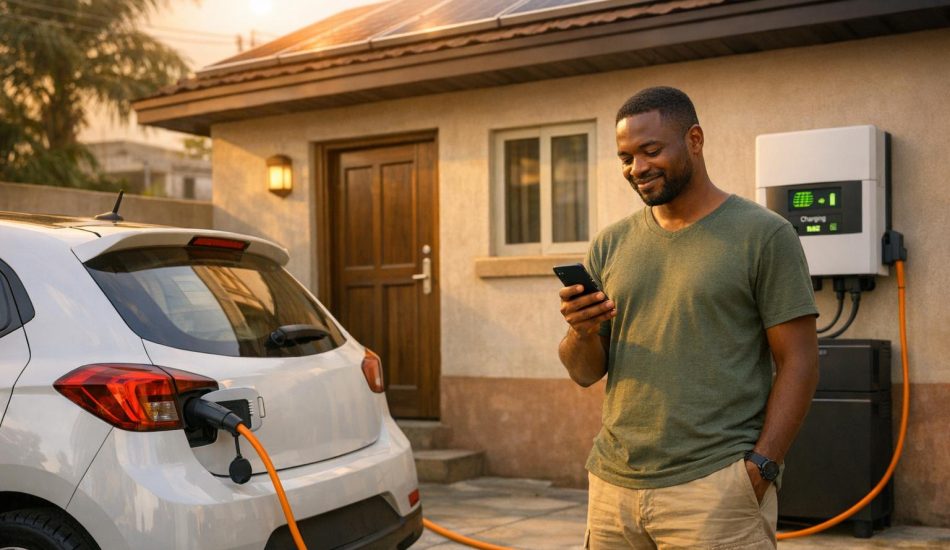
Given the frequent power outages in Mali, many EV owners are turning to solar photovoltaic (PV) systems. With Mali’s abundant sunlight, solar charging offers a practical and cost-effective alternative to relying solely on the grid or diesel generators. A typical home solar setup might include a 5–7 kW solar array, a battery or hybrid inverter, and a charge controller to balance inputs from solar panels, the grid, and generators. For example, if your EV consumes about 0.25 kilowatt-hours per mile and you drive 30 miles a day, you’ll need roughly 7.5 kilowatt-hours of energy daily. A 5-kilowatt solar array in Mali can generate 20–25 kilowatt-hours on a sunny day, easily covering your needs with extra energy for household use. Adding a battery with a 10–15 kilowatt-hour capacity lets you store daytime solar power for nighttime charging. While the initial cost of such a system ranges from $4,000 to $7,000, the savings on fuel and generator expenses can offset the investment in three to five years.
To make solar charging work in Mali, consider theft-proof mounting for panels, regular cleaning (every two to four weeks during the dry season), and installing DC surge protection to guard against lightning strikes. Outdoor chargers should be housed in ventilated, weatherproof enclosures rated at least IP54 to protect against dust, heat, and moisture. While a grid-tied solar system may suffice in areas with stable electricity, a hybrid system is often the better choice given Mali’s frequent outages.
With charging sorted, the final step is ensuring your EV stays in top condition through proper maintenance.
Maintenance and Support for EVs in Mali
Once your EV is registered and charging is set up, maintaining it is key to ensuring reliable performance, especially in Mali’s hot and dusty environment. While EVs have fewer moving parts than traditional vehicles – eliminating oil changes and many exhaust or transmission repairs – they still need regular upkeep.
Stick to the manufacturer’s recommended service schedule. Focus on these key areas:
- Cooling Systems: EV batteries and power electronics depend on cooling systems to prevent overheating. In Mali’s high temperatures, these systems may need more frequent checks. Check coolant levels every six months and perform system flushes as recommended, typically every two to three years.
- Brakes: Regenerative braking reduces wear on brake pads and rotors, but regular inspections are still necessary. Mali’s dusty conditions can lead to rust on brake components, so cleaning and checking them periodically is essential for safe operation.
Additionally, keep an eye on tire condition, suspension components, and cooling air intakes, as dust can accumulate and affect performance. Finding specialized spare parts and skilled technicians might be challenging, but platforms like EV24.africa can connect you with reliable service providers and parts suppliers.
Conclusion
Bringing electric vehicles (EVs) from China to Mali in 2025 is not only feasible but also practical when approached methodically. Success hinges on several critical factors: understanding Mali’s import regulations and taxes, choosing vehicles suited for local conditions, partnering with trusted Chinese suppliers, navigating battery shipping requirements, ensuring all documentation is complete, calculating accurate landed costs in USD, and preparing for post-import steps like registration, charging, and maintenance.
The African market for new energy vehicles is expected to surpass 30,000 units by 2025, with Chinese manufacturers capturing about 60% of the market share. For Mali, this means access to affordable, reliable models designed to handle tough road conditions, high temperatures, and limited infrastructure. Chinese EVs often come with lower price tags per mile of range compared to Western options. For example, the GEELY PANDA MINI BASE starts at $5,880, while the BYD DOLPHIN ACTIVE is priced at $11,800. These cost advantages make EV ownership more accessible for Malian buyers.
A critical step in the process is calculating the total landed cost. This includes expenses like inland transport, freight, insurance, and handling fees, along with a small buffer for unexpected charges. Collaborating with a customs broker early on can help clarify tax obligations and avoid costly surprises.
Unlike regions where tax policies favor combustion vehicles, Mali’s policies increasingly benefit EV buyers. Coupled with the country’s vulnerability to fuel price fluctuations and supply issues, EVs offer a stable, long-term solution – especially when paired with solar charging systems that take advantage of Mali’s abundant sunlight.
For first-time importers, the technical requirements – such as specialized documentation and safety standards – can be daunting. This is where platforms like EV24.africa can make a big difference. They streamline the process by consolidating vehicle selection, supplier verification, logistics, and cost estimation. As EV24.africa puts it:
"At EV24.africa, we simplify the process of importing and buying electric vehicles in Africa. Our expertise ensures a seamless, transparent, and stress-free experience, so you can focus on driving the future of mobility."
Here’s a practical roadmap for moving forward. Start by defining your budget in USD, intended use (private, taxi, or fleet), and key specifications like range, size, ground clearance, and charging options. Use EV24.africa to request quotes that include estimated landed costs to Bamako. Work with a Mali-based customs broker to verify duties, VAT, and required paperwork. Plan your charging infrastructure – whether tied to the grid, solar-powered, or hybrid – before shipping the vehicle. Once your offer and compliance are confirmed, proceed with secure payment and shipping arrangements.
With proper planning and professional guidance, transitioning to electric mobility in Mali is both realistic and financially smart. However, skipping critical steps – like understanding regulations, calculating total costs, or planning for charging and maintenance – can turn a good deal into a costly mistake. As EV technology continues to mature, policies evolve, and import services simplify the process, 2025 presents an excellent opportunity for Malian buyers to adopt EVs. This shift not only promises long-term savings on fuel and maintenance but also contributes to cleaner air and reduced reliance on imported petroleum.
FAQs
What key features should an electric car have to handle Mali’s roads and climate effectively?
When selecting an electric vehicle (EV) for Mali, it’s essential to focus on features that align with the country’s challenging road conditions and hot climate. High ground clearance is a must for tackling unpaved or uneven roads, while a sturdy suspension system adds much-needed stability. Given that temperatures in Mali frequently exceed 100°F, a battery designed to withstand heat is critical for consistent performance.
Since charging stations might be scarce in certain regions, opting for a vehicle with an extended driving range is a practical choice. To cope with the dry and dusty environment, look for models equipped with dust-resistant components. And don’t overlook the importance of reliable air conditioning to keep passengers comfortable in the intense heat. These features can make all the difference in ensuring the vehicle remains dependable and efficient in Mali’s demanding conditions.
How can I set up a reliable and efficient charging system for my electric car in Mali, considering frequent power outages?
To keep your electric vehicle charged and ready to go in Mali, you’ll need to navigate the country’s frequent power outages. A smart first step is investing in a home backup power solution, like a solar power system or a generator. This ensures you can charge your EV without interruptions, even during outages.
Another key consideration is selecting an EV with a high-capacity battery. A larger battery means longer driving ranges, so you won’t need to recharge as often – this can be a game-changer in areas where charging access may be limited.
It’s also crucial to ensure your charging equipment meets local safety standards and is installed by a professional technician. For a smoother setup, you might want to work with local service providers who specialize in EV infrastructure. They can help you design a reliable and cost-effective charging system that works well with Mali’s unique energy landscape.
How can I verify and select a reliable Chinese supplier for importing electric vehicles to Mali?
To work with a dependable Chinese supplier for electric vehicles, begin by identifying companies with a proven history in international exports. Focus on manufacturers or distributors that have solid reviews, relevant certifications, and extensive experience in global trade.
Platforms like EV24.africa, which specialize in verified electric vehicles, can help reduce risks and shield you from potential scams. It’s also wise to request thorough documentation, including product specifications and compliance certificates. For added assurance, consider running a background check or hiring a third-party inspection service to confirm the supplier’s reliability.