
 Thabo Nkosi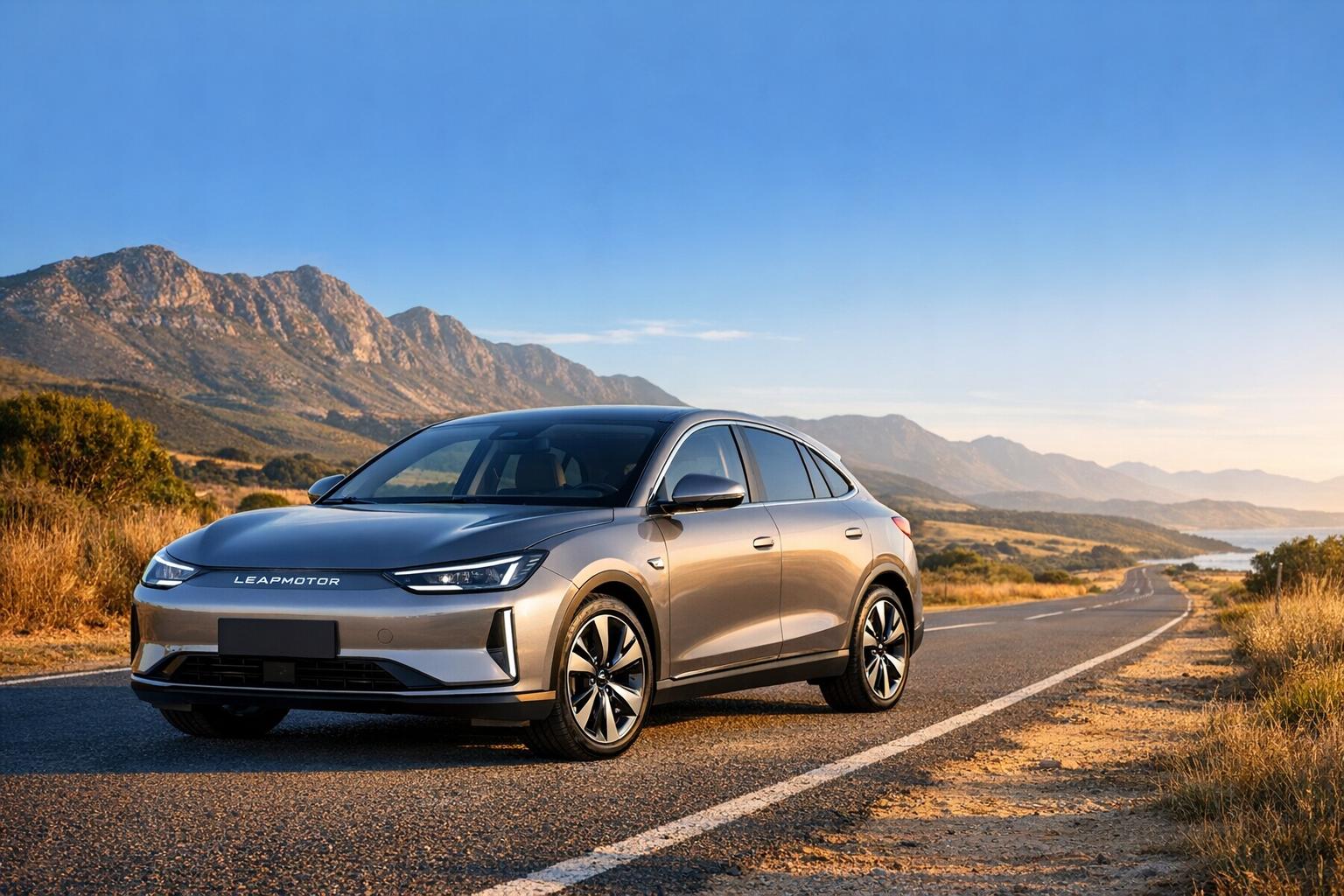
Leapmotor has officially entered South Africa’s EV market with the C10 REEV, a range-extended electric vehicle designed to address the country’s limited charging infrastructure. Unlike traditional hybrids, the C10 REEV uses a 1.5-liter petrol engine solely to recharge its 28 kWh battery, offering a fully electric driving experience with a total range of 590 miles (950 km) and an electric-only range of 90 miles (145 km). This setup appeals to drivers in regions with sparse charging networks.
Key details:
- C10 REEV Highlights: A 158 kW motor, 0-62 mph in 8.5 seconds, and a modern interior with advanced displays. Charging options include DC fast charging (30% to 80% in 30 minutes) and home charging (6 hours with a 7 kW charger).
- Market Context: Competes with BYD Atto 3 and Hyundai Kona Electric. BYD offers a purely electric SUV with V2L functionality but relies on charging infrastructure, while Hyundai has yet to reveal key details about its Kona Electric in South Africa.
- Challenges: Leapmotor must overcome competition and build trust as a new player in a market dominated by established brands.
Quick Comparison:
| Feature | Leapmotor C10 REEV | BYD Atto 3 | Hyundai Kona Electric |
|---|---|---|---|
| Powertrain | Range-Extended EV | Fully Electric | Fully Electric |
| Electric Range | 90 miles (145 km) | Varies by model | Not disclosed |
| Total Range | 590 miles (950 km) | N/A | N/A |
| Charging Options | DC Fast, Home Charging | DC Fast, AC Charging | Not disclosed |
| Price (Estimate) | Not announced | $45,000-$49,000 | Not disclosed |
| Warranty | 8 years (battery), 4 years (other components) | 5 years/100,000 km | Not disclosed |
Leapmotor’s C10 REEV offers a practical solution for South Africa’s EV challenges, blending electric performance with range-extender convenience. Its success will depend on pricing and consumer acceptance in a competitive market.
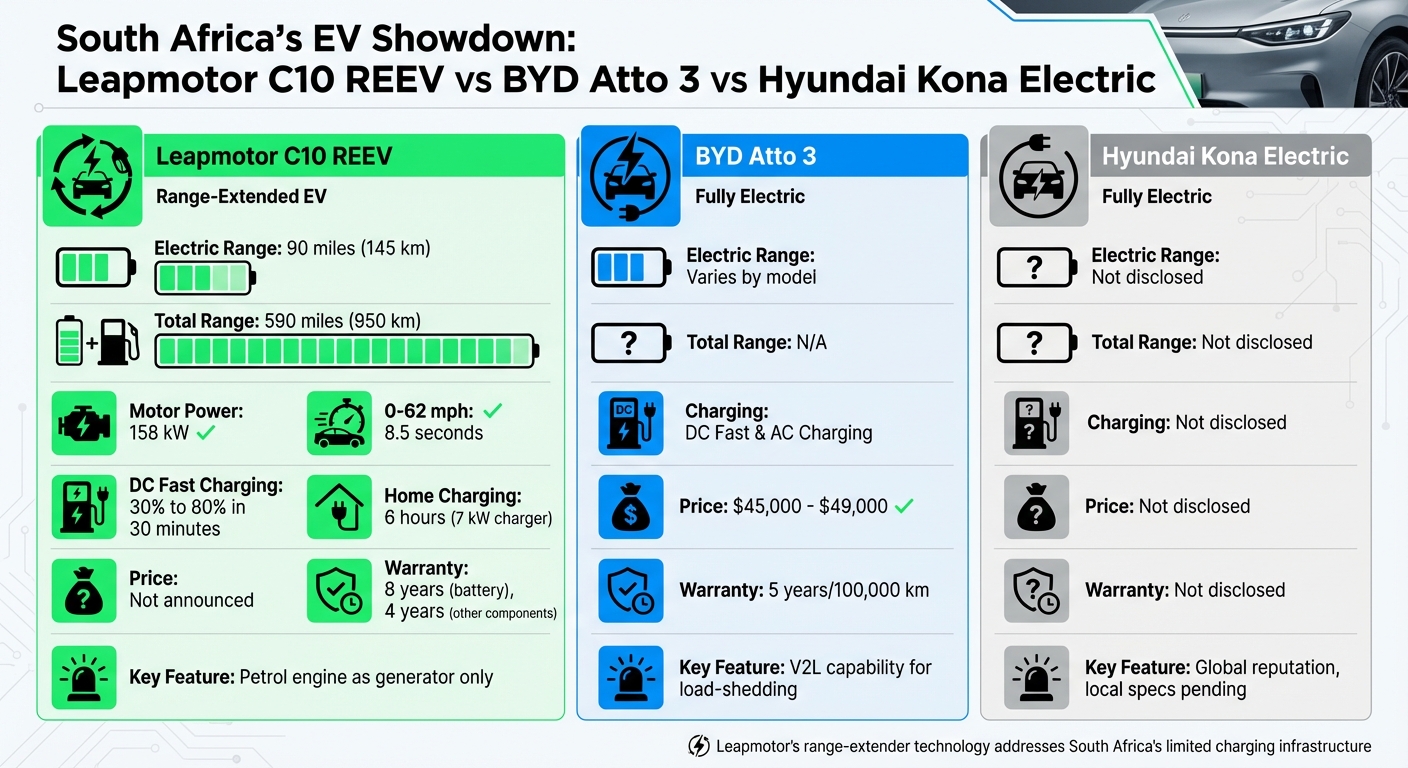
Leapmotor C10 REEV vs BYD Atto 3 vs Hyundai Kona Electric Comparison
1. Leapmotor C10 REEV
Technology and Range
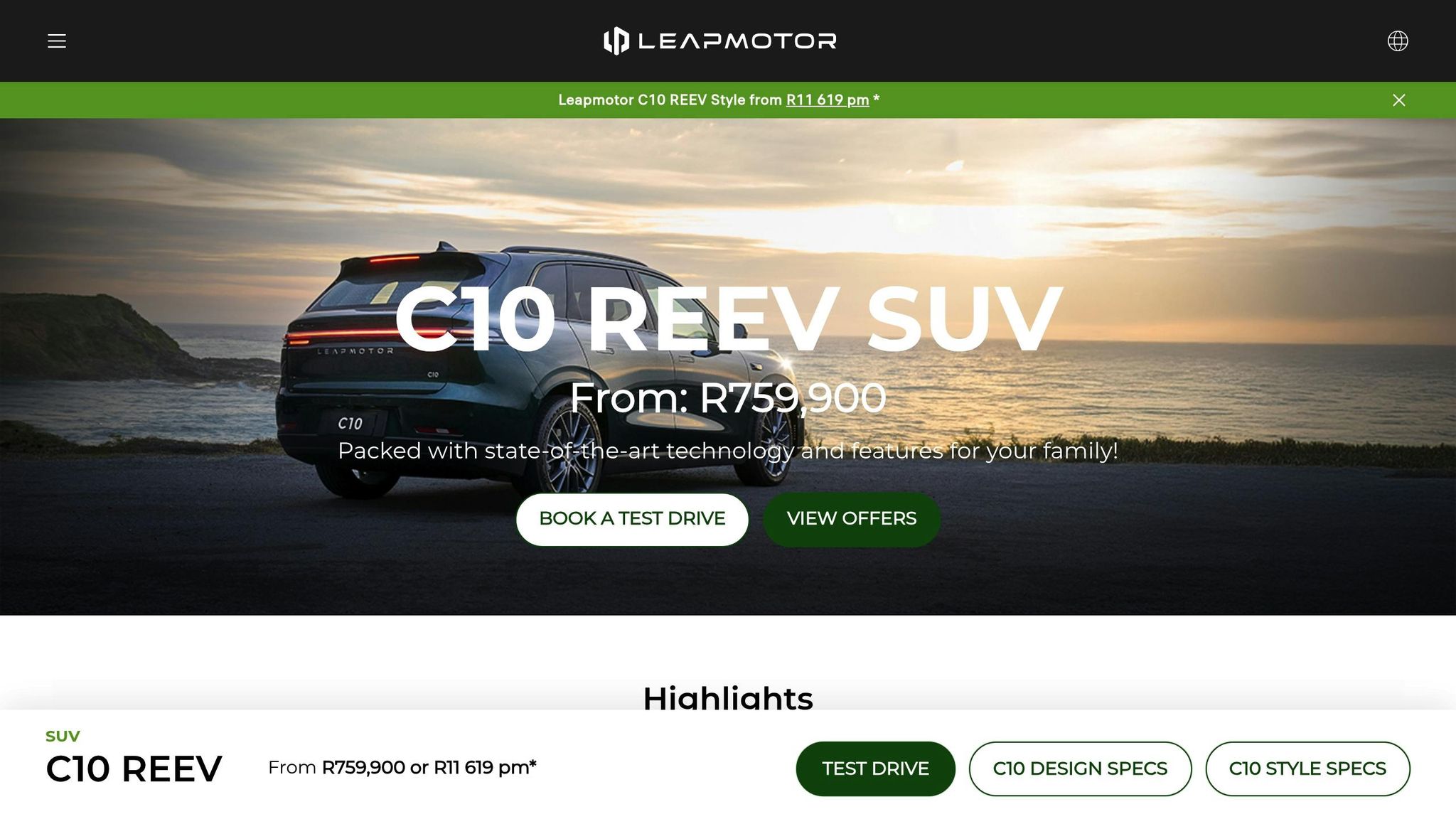
The Leapmotor C10 REEV features a 1.5-liter petrol engine that functions solely as a generator to recharge its 28.4 kWh battery. This battery powers a 158 kW motor, giving the car an electric range of 90 miles and a total WLTP range of 590 miles. It can go from 0 to 62 mph in just 8.5 seconds. Inside, the vehicle is equipped with a 14.6-inch touchscreen and a 10.25-inch driver display, providing a modern and intuitive driving experience. Drivers can choose from four charging modes – EV, EV+, Fuel, and Power+ – to adjust to different driving conditions and maximize efficiency. These features make the C10 REEV a strong competitor in its class.
Pricing and Value
Although pricing for South Africa hasn’t been announced yet, Leapmotor positions the C10 REEV as a cost-effective, tech-forward option designed to meet local needs. It comes with a range of standard features that are often considered premium add-ons in similar models, offering excellent value for its anticipated price.
Infrastructure and Support
The C10 REEV stands out with practical solutions for charging challenges. Its range-extender technology addresses the limitations of charging networks. With DC fast charging, the battery can go from 30% to 80% in just 30 minutes. For home charging, a 7 kW charger can achieve the same in about six hours. Nationwide service support is available through select dealerships, and the vehicle includes an eight-year battery warranty along with four years of coverage for other components, providing added peace of mind for buyers.
Leapmotor C10 REEV First Drive – The New-Thinking Electric Vehicle with a Generational Backup!

2. BYD Atto 3
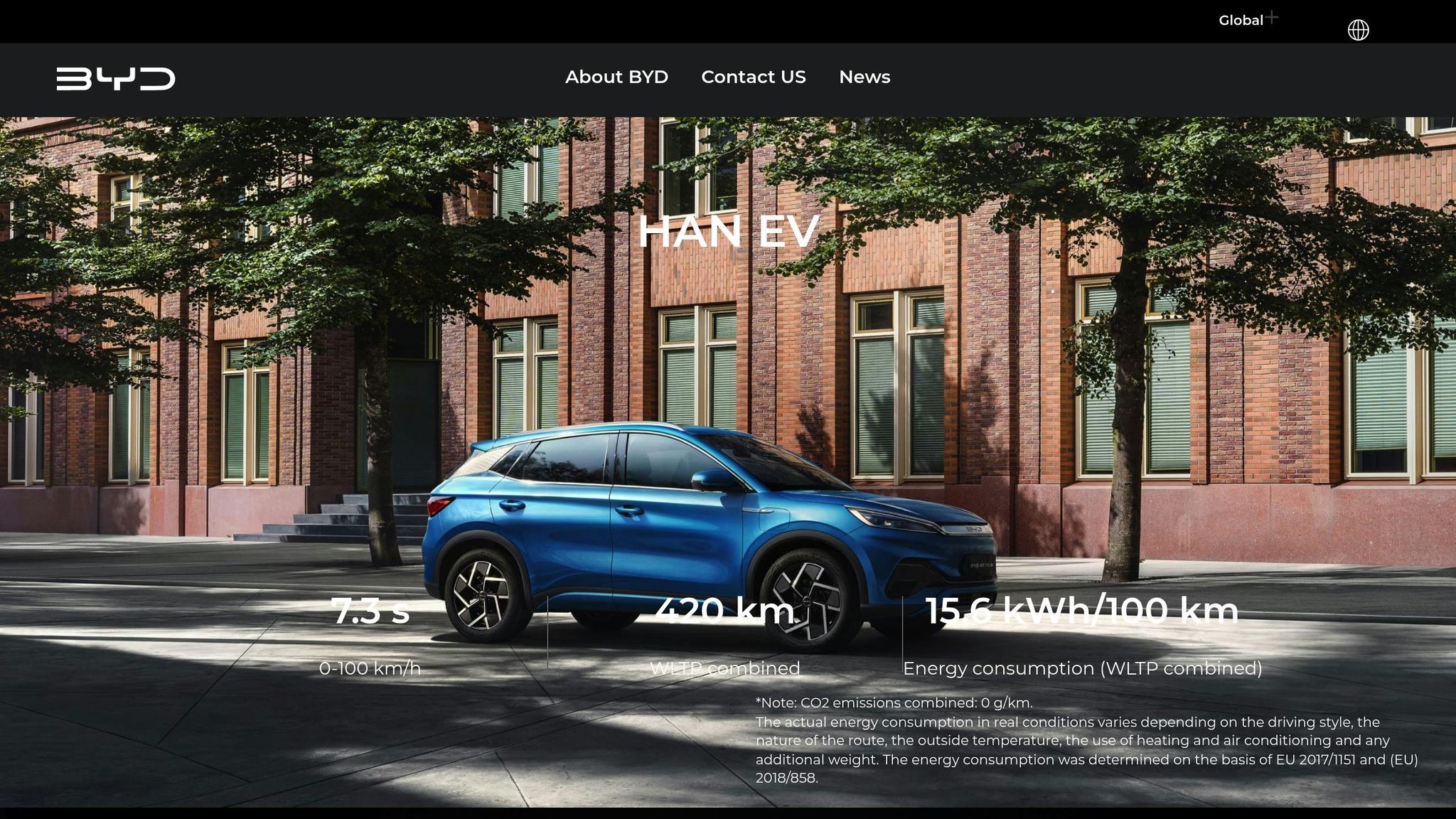
After the Leapmotor C10 REEV, another strong player in the growing EV market is the BYD Atto 3.
Technology and Range
Introduced on June 30, 2023, the BYD Atto 3 offers a straightforward electric SUV experience, equipped with both AC and DC charging options to address local energy and charging needs. It comes in two versions: standard and extended-range. One standout feature is its V2L (Vehicle-to-Load) capability, allowing users to power household appliances using a three-point adapter – an especially handy feature during load-shedding situations.
Pricing and Value
The standard BYD Atto 3 is priced at $45,000, while the extended-range model comes in at $49,000. This pricing places it as a competitive choice in the South African EV market. For comparison, it rivals models like the Ora Funky Cat, which is priced at about $42,000. This makes the Atto 3 an appealing option for those looking for affordability without compromising on features.
Infrastructure and Support
The Atto 3 includes a five-year/100,000 km maintenance plan and warranty, providing buyers with some peace of mind. However, during its launch in South Africa, BYD representatives did not disclose the number of planned dealerships, leaving some uncertainty about its national availability. As TimesLIVE pointed out, potential buyers may need to "drive it and find out more about the BYD national footprint, before making a conclusive verdict". While the vehicle’s charging versatility is a plus, the limited dealership network could pose challenges for service and support across the region.
sbb-itb-99e19e3
3. Hyundai Kona Electric
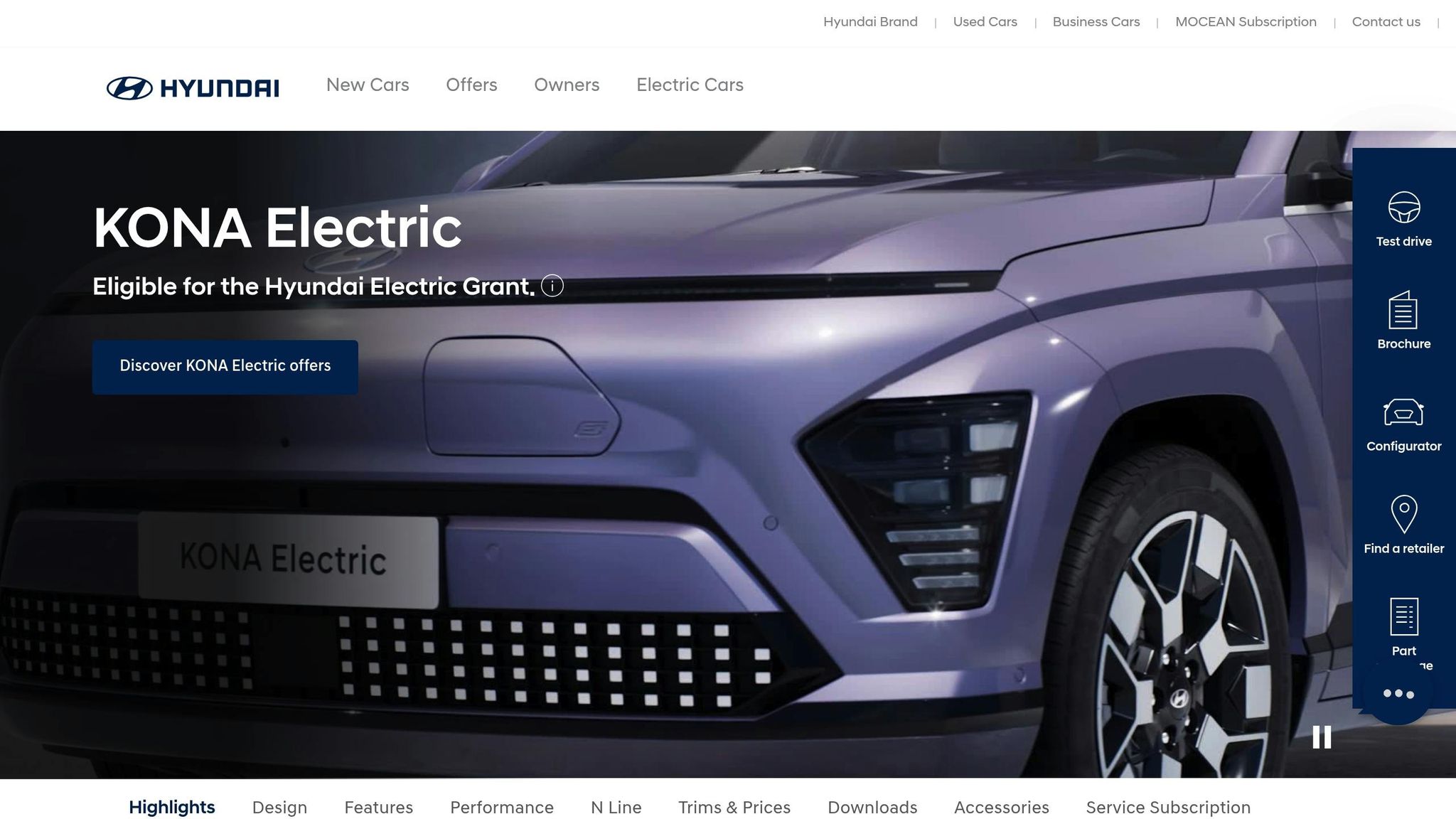
The Hyundai Kona Electric, known worldwide for offering a practical and efficient EV experience, has officially made its way to South Africa. However, Hyundai has kept the local specifications under wraps, signaling a cautious approach to entering this market. This contrasts with the more detailed information shared by brands like Leapmotor and BYD.
Technology and Range
When it comes to the Kona Electric’s range and charging capabilities in South Africa, Hyundai has yet to release any specifics. For the latest updates, it’s best to reach out to local dealerships.
Pricing and Value
Pricing for the Kona Electric in South Africa is still a mystery. Many EVs in the region are priced under $22,755, but Hyundai has not confirmed whether the Kona Electric will follow suit.
Infrastructure and Support
Details about dealership availability and service support for the Kona Electric in South Africa are also unclear. Hyundai is expected to provide more information as their rollout progresses.
Advantages and Disadvantages
Each of these models brings something different to the table for South Africa’s growing EV market. Here’s a closer look at their standout features and potential drawbacks.
The Leapmotor C10 REEV is notable for its range-extending technology. Unlike traditional hybrids, it uses a petrol engine purely to recharge the battery, delivering a fully electric driving experience. It offers an electric-only range of 90 miles (145 km) and a total range of 590 miles (950 km) when the range extender is in use. On top of that, it comes packed with features like a panoramic sunroof, a heat pump, heated and ventilated front seats, and a kick-to-open tailgate.
The BYD Atto 3, on the other hand, is a fully battery-electric vehicle. Priced at around £37,500 in the UK (roughly $47,000), it’s a solid option for those committed to a pure EV experience. However, it depends entirely on charging infrastructure, which could present challenges in areas where charging stations are scarce.
As for the Hyundai Kona Electric, details on pricing, range, and dealership availability in South Africa remain uncertain, making it harder to evaluate its competitiveness in the local market.
In South Africa, where charging infrastructure is still developing, the Leapmotor C10 REEV’s extended range and reduced reliance on charging stations make it a practical choice compared to fully electric models that depend solely on battery power.
Conclusion
Leapmotor’s launch in South Africa on October 1, 2025, marks a significant step forward in addressing the region’s unique challenges with electric vehicles (EVs). The introduction of the C10 REEV, with its range-extending engine, directly tackles the issue of limited charging infrastructure, providing a practical solution for consumers concerned about range limitations.
This move highlights not just technological advancements but also a strategic approach to market entry. By partnering with Stellantis, Leapmotor gains access to an established service and support network across South Africa, giving it a strong foundation to build upon.
However, breaking into a market dominated by well-established brands like Hyundai and BYD will be no small feat. Leapmotor’s ability to gain traction will hinge on how quickly South African consumers warm up to a relatively new Chinese brand and whether the company can deliver competitive pricing alongside its promises of innovation.
The C10’s range-extending technology offers a smart middle ground for regions where charging infrastructure is still developing and fuel costs are on the rise. By blending electric driving with the convenience of an integrated engine, the vehicle aims to ease concerns typically associated with fully electric models.
Leapmotor’s entry signals a growing maturity in South Africa’s EV market, where diverse powertrain options are now vying for consumer attention. Whether Leapmotor can establish itself as a serious contender will depend on its ability to meet expectations for affordability, advanced technology, and reliable performance tailored to local needs.
FAQs
Why is the Leapmotor C10 REEV a good choice for South Africa’s EV market?
The Leapmotor C10 REEV is making waves in South Africa’s expanding electric vehicle market by offering an affordable and practical option for drivers. With a price tag of around $18,900, this midsize SUV is equipped with a 69.9 kWh battery, delivering an impressive 261-mile electric range. For those who need extra flexibility, it also features a 1.5-liter gasoline generator, pushing the total range to approximately 590 miles. This makes it a great choice for everything from daily city driving to longer road trips across South Africa, where charging stations are still being rolled out.
Backing up its appeal, Leapmotor has teamed up with Stellantis to ensure dependable after-sales support, easy access to spare parts, and financing options designed specifically for South African buyers. With its combination of competitive pricing, extended range, and solid local support, the C10 REEV is a smart pick for anyone looking to embrace sustainable driving without sacrificing convenience or peace of mind.
What is the C10 REEV’s range-extending technology, and how does it work?
The C10 REEV operates mainly as an electric vehicle but comes equipped with a 1.5-liter gasoline engine that functions as a generator. Rather than powering the wheels, this engine’s sole job is to recharge the battery, giving you extra range when the charge runs low.
This clever setup blends the perks of electric driving with the convenience of a backup power source. It’s a smart solution for longer journeys or places where charging stations are hard to find.
What challenges might Leapmotor face in South Africa’s EV market?
Leapmotor’s move into South Africa isn’t without its obstacles, and these challenges could shape how well the brand performs in the region. One major issue is the lack of charging infrastructure. Many parts of South Africa still don’t have enough fast-charging stations, particularly for long-distance travel. This raises questions about how practical it is to own an electric vehicle (EV) in these areas.
Another significant concern is cost. While Leapmotor offers models like the T03, starting at around $9,500, and the C10 SUV, priced at approximately $18,900, high import duties and taxes can drive up the final price. This makes these EVs harder to afford for many middle-class families, limiting their appeal in a price-sensitive market.
On top of that, after-sales support could become a sticking point. Experiences from other African markets have highlighted issues like unreliable service networks, difficulty sourcing spare parts, and occasional problems with software or battery reliability. For buyers in rural areas, where service centers are few and far between, these challenges might be even more discouraging. Overcoming these hurdles will be essential if Leapmotor hopes to establish itself in South Africa’s expanding EV market.