
 Thabo Nkosi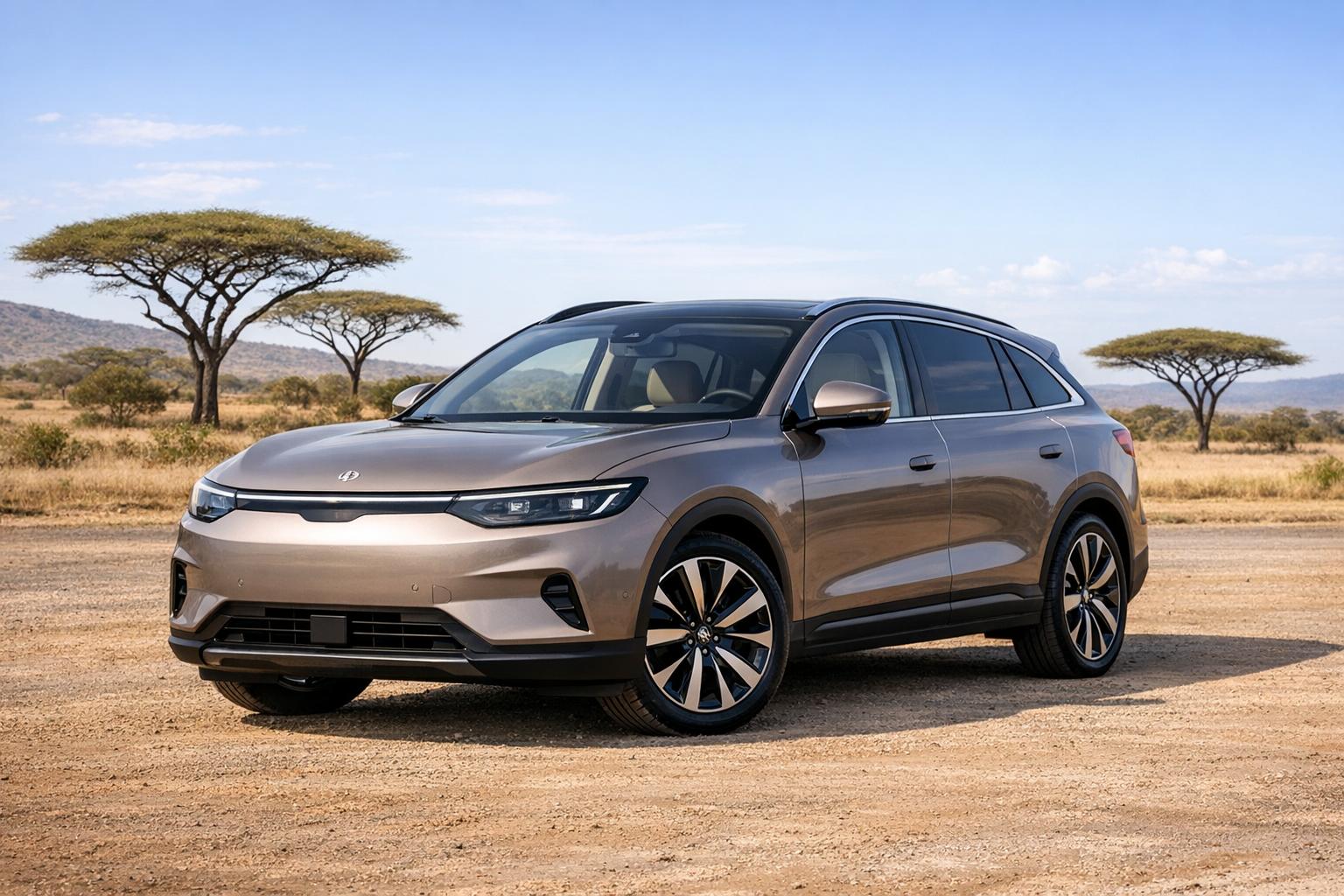
The Leapmotor C11 is a mid-size electric SUV that combines affordability, performance, and advanced features. With prices starting at $20,500, it offers two powertrain options: a Battery Electric Vehicle (BEV) with a 398-mile range and an Extended Range Electric Vehicle (EREV) capable of 758 miles total range. The BEV is ideal for urban drivers, while the EREV suits long-distance and rural needs.
Key highlights include:
- Spacious design: 2,930 mm wheelbase, 4,750 mm body, and a 1.49 m² panoramic sunroof.
- Advanced tech: Snapdragon 8295P chip, triple-screen dashboard, and a 60-inch AR-HUD.
- Fast charging: 800V platform charges 30%-80% in 18 minutes.
- Safety features: 128-line LiDAR, 27 autopilot functions, and a robust suspension system.
The C11 is well-suited for African markets, supported by Stellantis‘ service network in regions like South Africa and Morocco. Buyers benefit from lower running costs, tax incentives, and reliable after-sales support. Whether you need a daily commuter or a long-range family SUV, the C11 offers a balance of practicality and cutting-edge features.
Leapmotor C11 – Stellantis-Backed Leapmotor C11 2026: Tech, Power, and 640km Range!
Specifications and Features
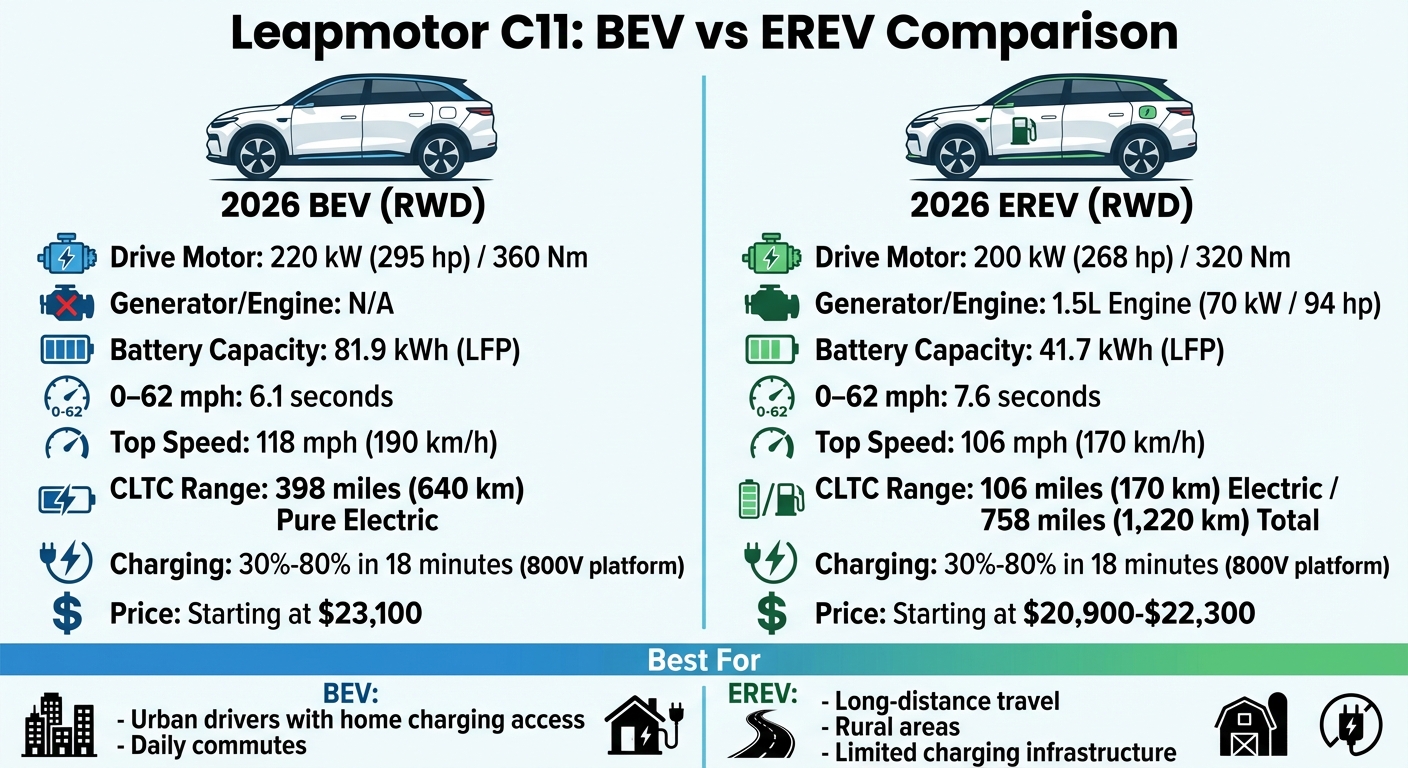
Leapmotor C11 BEV vs EREV Specifications Comparison
Body and Platform
The Leapmotor C11 is a mid-size SUV crafted to comfortably seat five passengers while offering a spacious interior. The 2026 BEV model measures 187.0 inches in length, while the EREV version is slightly longer at 188.2 inches. Both variants share a width of 75.0 inches and stand between 65.3 and 65.9 inches in height. These proportions make it an ideal family SUV, balancing interior space with agility for urban and suburban driving.
For the 2026 facelift, aerodynamic improvements reduced the drag coefficient from 0.286 Cd to 0.28 Cd. The vehicle also features a front double-wishbone and rear multi-link independent suspension, ensuring a smooth ride on uneven roads while maintaining stability and control at higher speeds. These updates enhance both comfort and performance, complementing the advanced powertrains available in the C11.
Powertrain Options
The C11 offers two powertrain configurations: Battery Electric Vehicle (BEV) and Extended-Range Electric Vehicle (EREV). Both utilize an 800V high-voltage platform, enabling ultra-fast charging that takes the battery from 30% to 80% in just 18 minutes.
- BEV Variant: Powered by a 220 kW (295 hp) rear motor delivering 360 Nm of torque, this version accelerates from 0 to 62 mph (0–100 km/h) in 6.1 seconds and achieves a top speed of 118 mph (190 km/h).
- EREV Variant: Features a 200 kW (268 hp) motor with 320 Nm of torque, paired with a 1.5L gasoline engine that acts as a generator producing 70 kW (94 hp). This setup accelerates to 62 mph in 7.6 seconds and has a top speed of 106 mph (170 km/h). Its range extender increases the total driving distance to an impressive 758 miles (1,220 km).
Both options are designed to cater to different driving needs, with the BEV focusing on pure electric performance and the EREV offering extended range flexibility.
Battery and Range
The BEV model is equipped with an 81.9 kWh lithium iron phosphate (LFP) battery, which provides a CLTC-rated range of 398 miles (640 km). While real-world range may vary depending on conditions like road type and weather, this battery upgrade ensures strong performance for daily commutes and longer trips.
The EREV variant, on the other hand, comes with a smaller 41.7 kWh battery, delivering 106 miles (170 km) of pure electric driving. When combined with its gasoline-powered range extender, it offers a total range of 758 miles (1,220 km). This makes it a practical choice for drivers who need the convenience of extended range without relying solely on charging infrastructure.
| Feature | 2026 BEV (RWD) | 2026 EREV (RWD) |
|---|---|---|
| Drive Motor | 220 kW (295 hp) / 360 Nm | 200 kW (268 hp) / 320 Nm |
| Generator/Engine | N/A | 1.5L Engine (70 kW / 94 hp) |
| Battery Capacity | 81.9 kWh (LFP) | 41.7 kWh (LFP) |
| 0–62 mph (0–100 km/h) | 6.1 seconds | 7.6 seconds |
| Top Speed | 118 mph (190 km/h) | 106 mph (170 km/h) |
| CLTC Range | 398 miles (640 km) Pure Electric | 106 miles (170 km) Electric / 758 miles (1,220 km) Total |
Performance and Practicality
Performance Analysis
The Leapmotor C11 emphasizes a smooth driving experience over breakneck acceleration. The Battery Electric Vehicle (BEV) version reaches 62 mph in 6.1 seconds, while the Extended Range Electric Vehicle (EREV) takes 7.6 seconds to hit the same mark.
"Leapmotor wanted to make the C10 smooth in its energy delivery, rather than shockingly rapid, as so many EVs have been." – Kris Culmer & Illya Verpraet, Road Testers, Autocar
A four-level regenerative braking system, which includes a one-pedal driving mode, ensures efficient energy recovery in stop-and-go traffic. However, the steering lacks direct feedback, and noticeable body roll in corners suggests the C11 is more suited for comfortable cruising than sporty handling. In urban environments, the Comfort steering mode makes maneuvering through narrow streets surprisingly effortless. These characteristics highlight the C11’s suitability for a range of driving scenarios, including the varied road conditions across Africa.
African Road Conditions
The C11 demonstrates solid performance on diverse surfaces, confidently handling bumps and gravel. During tests in South Africa, the suspension effectively absorbed most road imperfections, though hitting deep potholes at high speeds could still lead to a jarring experience.
"The MacPherson strut front/multilink rear suspension arrangement also did an admirable job of soaking up road imperfections – on tarmac and the occasional stretch of corrugated gravel – with aplomb." – Marius Boonzaier, Journalist, CAR Magazine
With 6.7 inches of ground clearance, the C11 adapts well to both city streets and light rural terrains. However, on deeply rutted roads, drivers will need to exercise caution. A 12-camera system provides a 2.5D 360-degree panoramic view, making it easier to spot obstacles and navigate uneven surfaces. For regions with high temperatures, the vehicle’s thermal management system helps maintain battery performance, though specific data on temperature thresholds hasn’t been disclosed.
BEV vs. EREV Usage
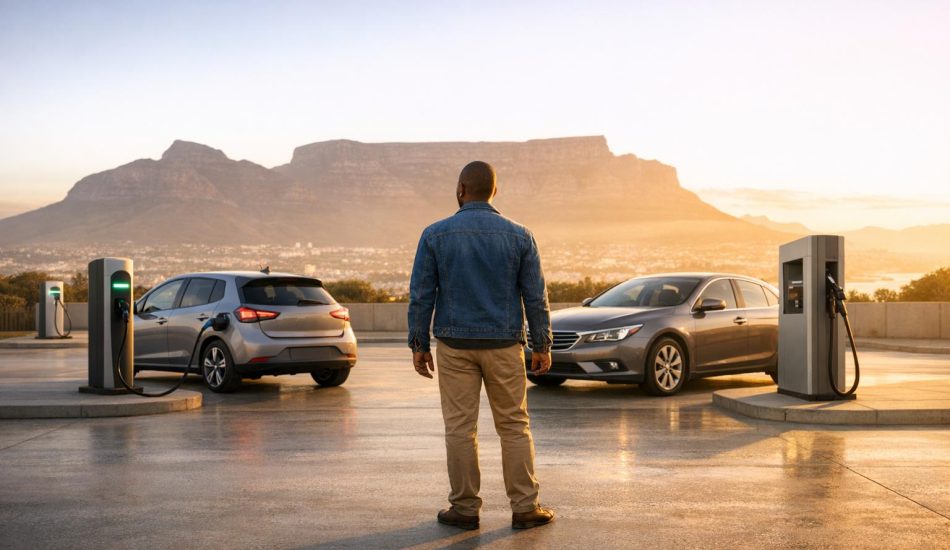
The BEV and EREV versions of the C11 cater to different driving needs, especially for African users. The BEV is a great option for urban drivers with access to reliable home charging. It offers an estimated range of 398 miles on a full charge and comes with the advantage of lower running costs. However, its 84 kW rapid charging limit might feel slower compared to some international competitors.
On the other hand, the EREV variant is designed to ease range anxiety, delivering about 106 miles of pure electric driving before the 1.5L gasoline generator kicks in, extending the total range to 758 miles. South African tests showed that the range-extender consumed 8.0 L/100 km during spirited driving, which is higher than the claimed 5.5 L/100 km. While the BEV excels in efficiency, the EREV’s extended range and flexibility make it a better choice for rural areas and inter-city travel.
Charging and Ownership Costs
Charging and ownership costs play a crucial role in determining the long-term value of the 2026 Leapmotor C11, complementing its strong performance and practicality.
Charging Hardware and Times
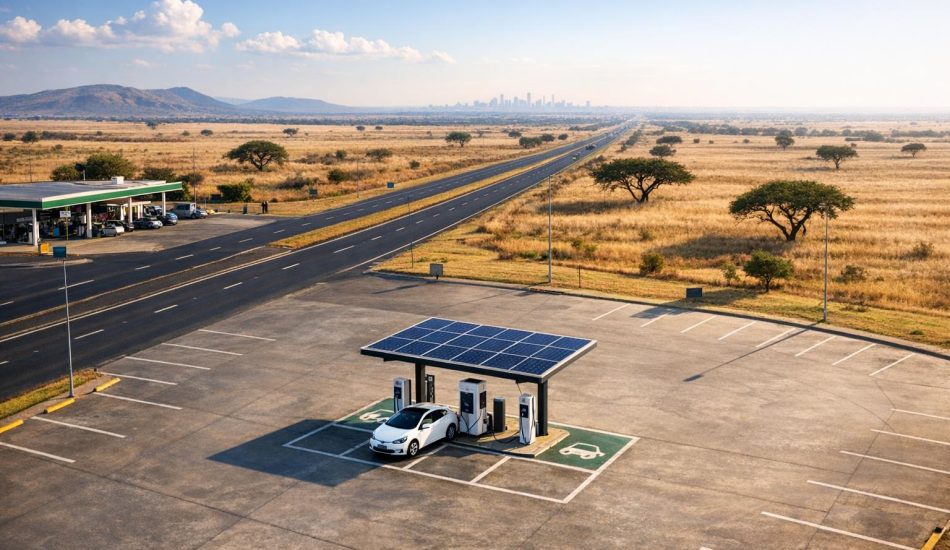
The 2026 Leapmotor C11 is equipped with an 800V high-voltage platform, which significantly cuts down charging times. With a DC fast charger, the C11 can go from 30% to 80% charge in just 18 minutes. Both the BEV and EREV models benefit from this advanced system, offering speedy recharging when you’re on the go.
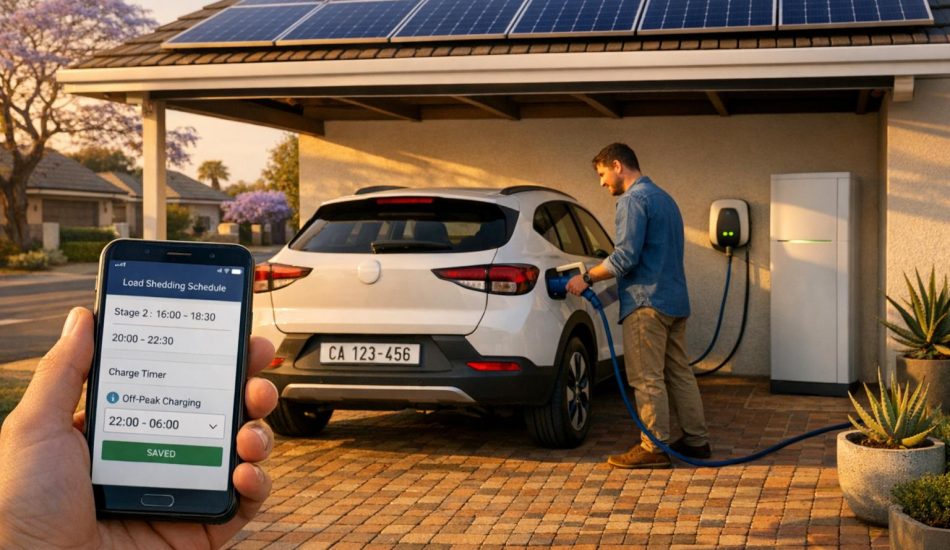
For home charging, the C11 supports 6.6 kW AC charging. Fully charging the BEV variant from 0% to 100% takes over 12 hours, while the EREV’s smaller battery requires about 6–7 hours. Most owners prefer to charge overnight, taking advantage of lower off-peak electricity rates, which helps keep energy costs manageable.
Energy Costs and Comparisons
Energy costs for charging depend on the power source. In the United States, the average residential electricity rate is 17.98 cents per kWh (as of September 2025). To put this into perspective, charging the C11 BEV at home for 1,015 miles of driving per month costs approximately $60.77. In comparison, fueling a 30-mpg gasoline car for the same distance at $2.86 per gallon would cost around $102.96. However, public DC fast charging is much pricier, with rates ranging from 50 to 64 cents per kWh – nearly three times the cost of home charging.
"The cheapest way to charge your electric car is almost always at home, overnight. Some utilities have special low rates for the overnight period when their demand is lightest."
- John Voelcker, Automotive Journalist and Industry Analyst
For the EREV variant, real-world fuel consumption during spirited driving in South Africa was 8.0 L/100 km, higher than the manufacturer’s claim of 5.5 L/100 km. This makes the BEV more cost-effective for daily urban driving, especially in areas where fuel prices fluctuate. Meanwhile, the EREV offers a predictable cost structure for longer trips, giving buyers flexibility based on their driving habits. These factors highlight the importance of an efficient home charging setup to maximize savings.
Home Charging Setup
A Level 2 home wallbox is highly recommended, as standard outlets charge too slowly to be practical. The 6.6 kW AC charging system is well-suited for overnight charging, helping households minimize energy costs by using off-peak electricity rates. In regions like Africa, where power instability can be an issue, the C11’s compatibility with standard AC wallboxes allows for integration with solar-plus-storage systems. This setup not only mitigates grid outages but also provides a locally adaptable solution for consistent charging.
Since approximately 90% of EV charging happens overnight at home, investing in a reliable home charging setup is essential for getting the best experience with the C11. This ensures convenience, cost savings, and readiness for daily use.
sbb-itb-99e19e3
Interior, Technology, and Safety
Cabin Design and Comfort
The 2026 Leapmotor C11 boasts a spacious cabin, thanks to its 2,930 mm wheelbase, which ensures plenty of legroom for passengers. A standout feature is the 1.49 m² panoramic sunroof, which fills the interior with natural light and creates an open, inviting ambiance. For added comfort, upgraded trims include heated and ventilated front seats, along with heated rear seats, making it suitable for all climates. Practicality is also a focus, with 26 storage compartments designed for everyday items, while a 12-speaker audio system delivers crisp, immersive sound.
The cabin doesn’t just stop at comfort – it’s smart too. Face recognition technology customizes settings for each driver, adjusting everything from seat positions to climate preferences. Plus, a smart air purification system ensures clean air throughout your journey, perfect for long trips or urban commutes. All these features blend seamlessly with the C11’s state-of-the-art infotainment system, offering a modern and high-tech driving experience.
Technology and Infotainment
The 2026 update introduces a cutting-edge infotainment setup, headlined by a 17.3-inch 2K central touchscreen alongside a 10.25-inch digital instrument cluster. This system runs on Leapmotor OS 4.0 Plus, which is powered by the Qualcomm Snapdragon SA8295P chip. It also incorporates the DeepSeek AI model, enabling a highly responsive voice assistant. Another highlight is the third-generation 60-inch AR-HUD, which projects navigation and driving assistance information directly into the driver’s line of sight, reducing distractions.
The system supports CarLink phone mirroring, 4G connectivity, and over-the-air updates, ensuring the tech stays up-to-date and functional. These features are particularly handy for navigating diverse terrains, such as those found in Africa. However, some users have noted that relying on the touchscreen for nearly all controls – like adjusting mirrors or changing climate settings – can be a bit inconvenient while driving.
Safety Features
Safety is a priority in the Leapmotor C11, which comes equipped with the advanced Leapmotor Pilot ADAS suite. At its core is the Qualcomm Snapdragon 8650 intelligent driving chip, paired with a 128-line roof-mounted LiDAR capable of detecting objects up to 300 meters away with a 140° field of view. The system also utilizes 14 external cameras, 12 ultrasonic radars, and 5 millimeter-wave radars to enable 27 autopilot functions for both highway and urban settings.
The vehicle’s "cell-to-chassis" design enhances structural safety by improving torsional rigidity, making it more stable and secure. Its suspension system is another strong point, providing smooth handling even on rough or uneven roads. Testers have praised its ability to handle gravel and bumpy surfaces with ease, though some found the lane-keeping assist overly intrusive and tricky to turn off when not needed. These safety and driving features combine to make the C11 a reliable companion on a wide range of road conditions.
Value for African Buyers
The Leapmotor C11 brings a compelling mix of affordability and efficiency to African buyers, making it a strong contender in the region’s growing EV market.
Pricing and Import Costs
In China, the 2026 Leapmotor C11 starts at around $20,900, with the EREV models priced between $20,900 and $22,300 and the BEV variant reaching up to $23,100. For international buyers, export prices range from $17,100 to $21,000 per unit. Final costs for African buyers depend on local import policies, which are increasingly favorable for EV adoption. For instance:
- Kenya: Excise duty on EVs has been reduced from 20% to 10%, and VAT on fully electric cars has been eliminated.
- South Africa: Import duties for EVs have been completely removed.
- Ghana: Offers duty waivers to encourage EV adoption.
- Morocco: Buyers benefit from up to 90% tax reductions and waived import duties.
Shipping times from Chinese ports like Shanghai or Ningbo to African transit hubs typically range from 18 to 25 days. These tax and duty incentives, combined with efficient logistics, make the Leapmotor C11 a more affordable option for buyers across the continent.
Cost of Ownership
Owning a Leapmotor C11 is easier on the wallet compared to traditional gasoline SUVs. For example, EV owners in Kenya can save up to $700 annually on operating costs, according to Latiff Cherono, Chief Operations Officer at Gearbox Europlacer.
The BEV variant’s 81.9 kWh battery and 800V high-voltage platform ensure efficient urban charging. Meanwhile, the EREV model, equipped with a 1.5L range extender, recorded fuel consumption of 8.0 L/100 km during South African tests, though this exceeded the claimed 5.5 L/100 km.
Maintenance costs are also lower due to fewer moving parts. On top of that, Leapmotor provides a 5-year/100,000 km vehicle warranty and an 8-year/150,000 km battery warranty. These factors, combined with competitive pricing, make the C11 a cost-effective choice for both individual and fleet buyers.
Buyer Suitability
The Leapmotor C11 caters to a wide range of buyers. For urban drivers with access to home charging, the BEV model is a perfect fit. Its 640 km range (approximately 397 miles) eliminates range anxiety for daily commutes, especially in cities where Kenya Power is installing 45 new EV chargers across six counties.
For long-distance drivers or those in rural areas with limited charging infrastructure, the EREV variant is an excellent alternative. It offers a combined range of 1,220 km (758 miles), including 300 km (186 miles) on pure electric power.
Fleet operators also stand to gain, thanks to the C11’s competitive pricing and the Stellantis partnership, which provides service networks across all 54 African countries through platforms like EV24.africa. Additionally, the C11’s suspension is designed to handle rougher terrain, including corrugated gravel roads, making it suitable for diverse driving conditions.
Conclusion
The Leapmotor C11 is tailored to meet the needs of African buyers by blending affordability, cutting-edge technology, and dependable performance. This electric SUV stands out with its flexible powertrain options and practical design, appealing to both individual drivers and fleet operators alike.
The range-extended (EREV) powertrain is a game-changer, offering a pure electric range of 186 miles (300 km) for emission-free daily commutes, while extending to an impressive total range of 758 miles (1,220 km). This dual capability addresses concerns about charging infrastructure availability across different regions. As Rachel Burgess from Autocar aptly put it, "The C11 REEV seems an excellent solution for those not ready for EVs".
But the C11 isn’t just about performance. Ownership perks are a key highlight. Through its partnership with Stellantis, buyers gain access to a well-established service network spanning 14 automotive brands across Africa. Plus, the vehicle includes a five-year/100,000 km (approximately 62,000 miles) warranty and an eight-year/150,000 km (about 93,000 miles) battery warranty, ensuring long-term peace of mind.
On top of that, the C11’s sleek design and user-friendly technology provide a premium driving experience, rivaling even luxury SUVs. Its sturdy suspension is designed to handle the diverse and often challenging road conditions found across the continent.
FAQs
What are the main differences between the BEV and EREV versions of the Leapmotor C11?
The BEV (Battery Electric Vehicle) version of the Leapmotor C11 is a fully electric SUV that comes in two configurations: rear-wheel drive (RWD) and all-wheel drive (AWD). It boasts a range of up to 640 km (approximately 398 miles) on a single charge, measured using the CLTC standard.
On the other hand, the EREV (Extended Range Electric Vehicle) version is equipped with a 1.5-liter gasoline engine that works as a range extender. It delivers around 300 km (186 miles) of pure electric driving and offers a combined range of up to 1,220 km (758 miles). This version features a front-engine, rear-motor setup, making it a practical choice for longer journeys.
Whether you’re an all-electric enthusiast or need the added flexibility of extended range, the Leapmotor C11 has an option to suit your lifestyle.
How well does the Leapmotor C11 handle various road conditions in Africa?
The Leapmotor C11 is built to handle a variety of road conditions, offering both rear-wheel-drive and all-wheel-drive (AWD) options. The AWD version packs a punch with up to 540 horsepower, ensuring strong traction and torque for tackling uneven surfaces, steep hills, and gravel roads – common challenges in regions like Africa.
For the pure-electric model, the C11 boasts an impressive estimated range of about 379 miles per charge, making it a solid choice for areas where charging stations are scarce. Meanwhile, the extended-range version runs approximately 186 miles on electric power before its gasoline generator kicks in. While it’s designed with versatility in mind, the vehicle’s long-term performance in more rugged environments is still under review as Leapmotor continues to grow its support network. The C11 presents itself as a promising option for dependable electric mobility in these demanding settings.
What are the costs of owning and maintaining the Leapmotor C11?
The Leapmotor C11 is crafted to offer an affordable option in the midsize electric SUV market. When it launched in 2026, the fully electric model came with a price tag ranging from $20,870 to $23,090, while the extended-range hybrid version was priced similarly. As an electric vehicle, it brings the advantage of lower running costs compared to traditional gas-powered SUVs. This is largely due to savings on fuel and reduced maintenance needs – no oil changes, spark plugs, or complex transmissions to worry about.
Although detailed figures for annual maintenance or insurance costs for the C11 aren’t widely available yet, the electric design typically translates to lower upkeep expenses. For now, its competitive price and the potential for reduced operating costs make it an appealing choice for budget-conscious buyers.