
 Thabo Nkosi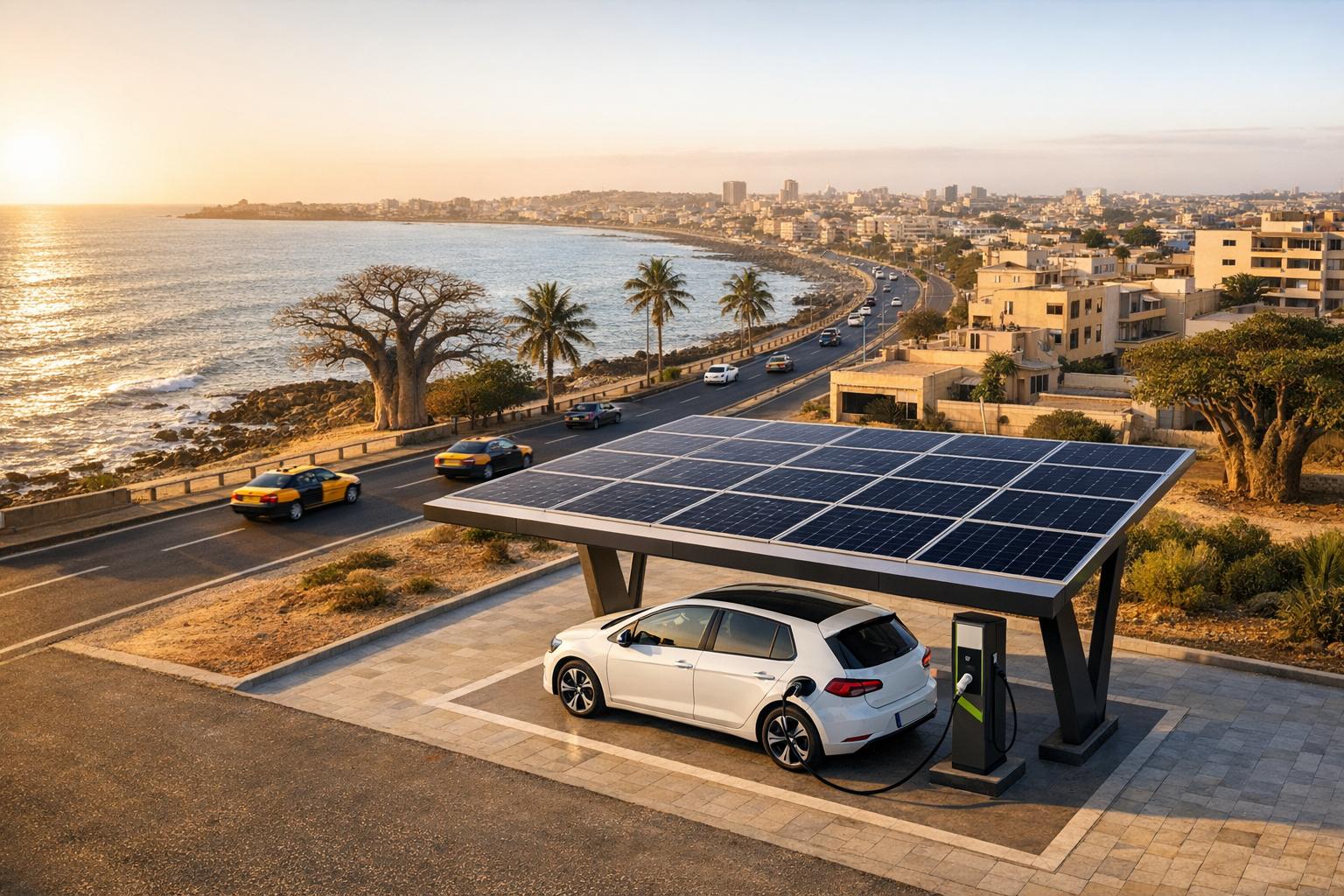
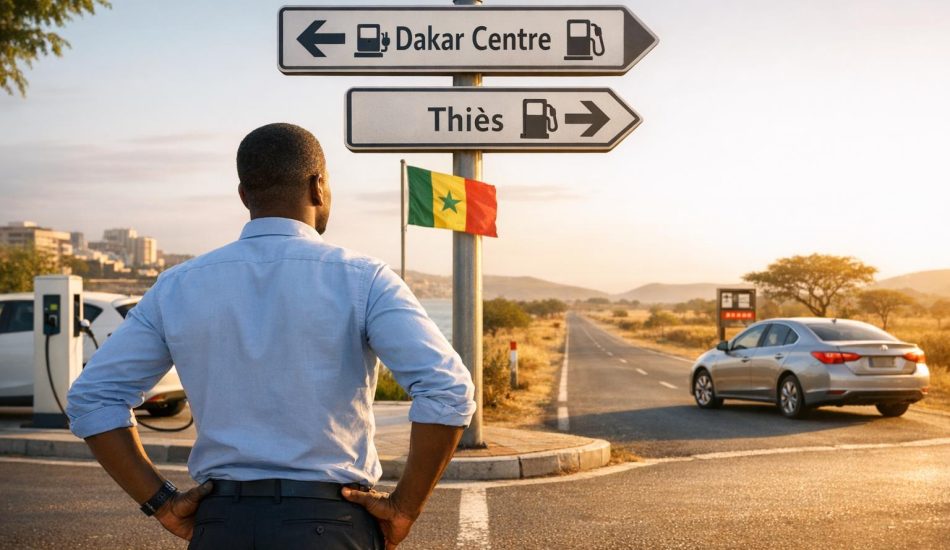
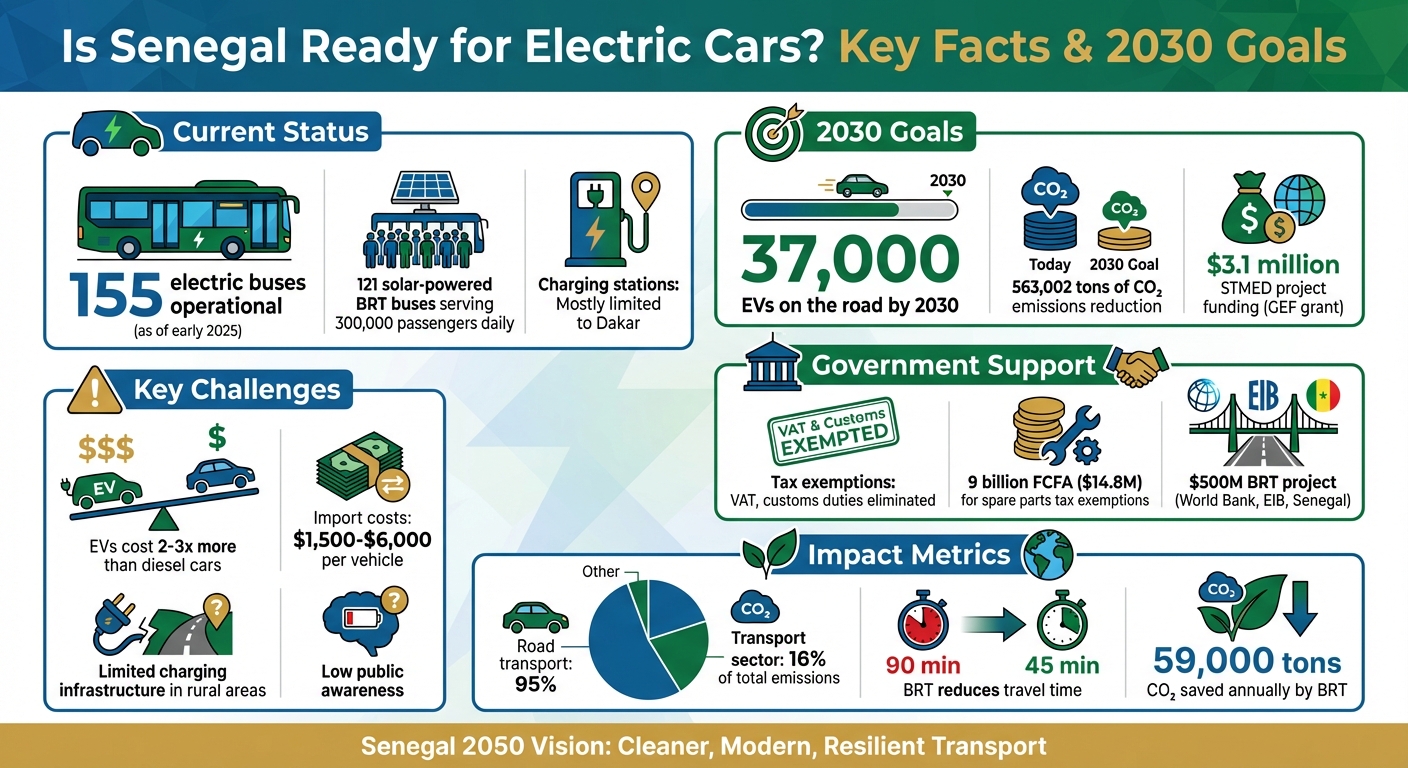
Senegal is taking steps to integrate electric vehicles (EVs) into its transportation system, but challenges remain. The government aims to have 37,000 EVs on the road by 2030, supported by tax exemptions, international partnerships, and renewable energy projects. However, limited charging infrastructure, high vehicle costs, and low public awareness hinder progress.
Key points:
- Charging Infrastructure: Mostly limited to Dakar, leaving rural areas underserved.
- High Costs: EVs are 2-3 times more expensive than diesel cars, despite tax incentives.
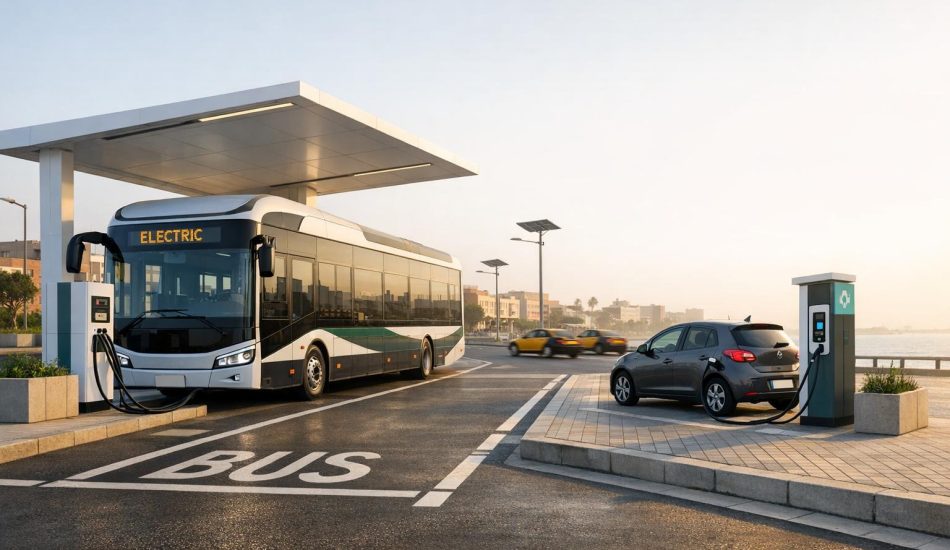
- Public Transport: Electric buses are operational, reducing emissions and travel time.
- Renewable Energy: Solar-powered charging pilots are underway to support EV adoption.
The government and private sector must work together to address these barriers and accelerate EV adoption in Senegal.
Senegal Electric Vehicle Adoption: Key Statistics and Goals for 2030
Senegal embraces electric cars to fight pollution in Dakar • FRANCE 24 English
sbb-itb-99e19e3
Challenges Facing Electric Vehicle Adoption in Senegal
Senegal is grappling with several obstacles that make the widespread adoption of electric vehicles (EVs) an uphill battle. Limited charging infrastructure, high costs, and low consumer awareness are some of the key hurdles slowing progress. Let’s break these challenges down.
Limited Charging Infrastructure
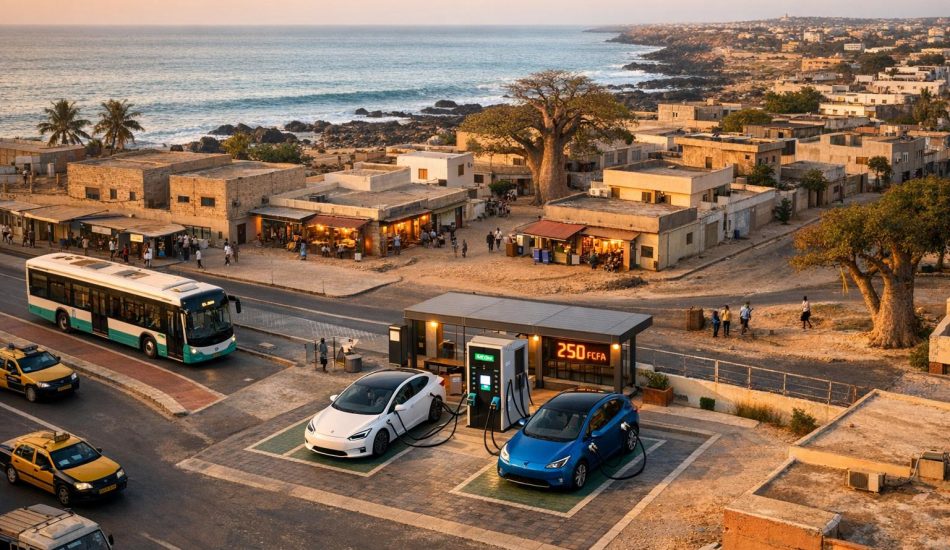
One of the biggest roadblocks is the lack of EV charging stations. The few public chargers that do exist are mostly concentrated in Dakar, leaving rural areas almost entirely without access. This uneven distribution fuels range anxiety among potential buyers, as they worry about running out of power without a reliable charging network. For comparison, Ghana has taken a step forward by installing West Africa’s first public charger through Total Energies, but Senegal has yet to follow suit. While the government has issued calls for private sector involvement to expand the infrastructure, the gap remains a major deterrent for EV adoption.
High Import Costs and Limited Local Manufacturing
The cost of EVs in Senegal is another major barrier. Electric vehicles are priced two to three times higher than imported diesel cars, largely due to steep shipping fees and the absence of local manufacturing. Even with the 2025 Finance Act eliminating VAT, customs duties, and internal taxes on fully electric vehicles, buyers still face hefty logistics costs ranging from $1,500 to over $6,000 per vehicle. Additionally, a ban on importing vehicles older than eight years limits access to affordable second-hand EVs, making them less accessible to the average consumer.
Low Consumer Awareness and Market Demand
Beyond infrastructure and cost, a general lack of public knowledge about EVs further hampers adoption. Many Senegalese consumers are skeptical about EVs, believing they won’t perform well in the region’s hot climate. Concerns about battery efficiency, replacement costs, and the absence of reliable service networks add to their hesitation. Without targeted educational campaigns or financing options tailored to local needs, most buyers continue to favor second-hand diesel vehicles, leaving the EV market largely untapped.
Government Policies and Support for Electric Mobility
The Senegalese government is rolling out measures to make electric vehicles (EVs) more accessible. Among these efforts are proposed tax exemptions on EV spare parts, aimed at reducing maintenance costs and improving affordability. This initiative, projected to cost 9 billion FCFA (around $14.8 million), is part of a broader push to reshape the country’s transportation landscape.
Tax Incentives for EV Imports
By exempting EV spare parts from taxes, Senegal aims to lower the total cost of owning an electric vehicle. This policy is a key step in encouraging a transition away from diesel-powered vehicles, which are a major contributor to the country’s greenhouse gas emissions. In fact, the transport sector accounts for 16% of Senegal’s total emissions, with road transport responsible for a staggering 95% of that figure.
Development of National EV Strategies
In July 2024, the Ministry of Transport and Infrastructure (MITTA), under Minister Malick Ndiaye, joined forces with Manufacturing Africa – a program funded by the UK – to draft a regulatory framework for electric mobility. This partnership led to the creation of an intra-governmental task force tasked with setting standards for quality, fiscal policies, and infrastructure development. Minister Ndiaye highlighted the importance of this collaboration, stating:
"With the help of Manufacturing Africa, we are looking for ways and means to equip our country not only with a regulatory framework but also with the necessary devices to influence the Senegalese to use more electric vehicles."
The framework draws inspiration from case studies in Kenya, Rwanda, and India, tailoring a roadmap to Senegal’s specific needs. This strategy addresses challenges like high costs and limited consumer awareness by setting clear standards and incentives. The government is also aligning these efforts with programs such as STMED, working alongside international partners to accelerate EV adoption.
Public Sector Investments in Electric Transportation
In January 2024, President Macky Sall launched the Dakar Bus Rapid Transit (BRT) network, a $500 million initiative funded by the World Bank, the European Investment Bank, and Senegal itself. The BRT system introduced 121 solar-powered electric buses, which now serve 300,000 passengers daily across 14 communes. This project not only demonstrates the potential of electric public transportation but also sets the stage for broader EV integration.
To ensure seamless connectivity, the government is developing a Master Plan for Transport Infrastructure, aimed at integrating the Regional Express Train (TER), the BRT, and electric feeder services. These efforts are part of a larger plan to create a thriving EV ecosystem through fiscal and regulatory reforms.
Minister Ndiaye underscored the wider benefits of these initiatives, noting:
"The transition to electric cars will not only reduce costs but also have a positive impact on the population, as there will be very comfortable mass transportation with preferential rates."
The STMED project is expected to cut CO2 emissions by 563,002 tons, positioning Senegal as a leader in West Africa’s move toward electric mobility. Additionally, the government is encouraging private companies to invest in EV charging infrastructure, signaling its openness to public-private partnerships that could unlock new opportunities for stakeholders.
Current and Emerging Infrastructure Developments
In February 2026, Senegal’s CETUD took a significant step toward advancing electric mobility by launching the STMED project in Dakar. This initiative focuses on EV charging pilots, creating a regulatory framework, and managing battery end-of-life processes. Spearheaded by Director General Ababacar Fall, the project is backed by a 1.9 billion FCFA (around $3.1 million) grant from the Global Environment Facility (GEF). These efforts align closely with Senegal’s broader sustainability objectives.
Expansion of Public EV Charging Networks
Dakar is at the heart of Senegal’s EV charging infrastructure expansion, with particular attention on areas linking neighborhoods to major transit systems like the BRT and TER. The government is actively encouraging private sector involvement by soliciting proposals for investment in the national EV charging network. Instead of directly constructing the stations, the state focuses on establishing a regulatory framework, leaving the hardware rollout to private companies. This strategy also opens the door for renewable energy integration into EV charging systems, supporting greener energy solutions.
Integration of Renewable Energy with EV Charging
Senegal is tapping into its abundant solar energy to reduce reliance on imported fuels and power its EV charging infrastructure. In March 2025, ChargePoint and Africa GreenTec launched a renewable energy project in Keur Niangane. This initiative includes a mobile solar plant equipped with storage, solar streetlights, and cabling, supplying uninterrupted power to 150 families while serving as a model for solar-powered EV charging. Wolfgang Rams, CEO of Africa GreenTec, emphasized the importance of partnerships in such projects, stating:
"Our strong international partnerships are the key to sustainable rural electrification in sub-Saharan Africa… A great example of the positive impact that can be achieved through collaboration is the electrification of the community of Keur Ndiangane in Senegal."
These efforts not only highlight the potential of renewable energy but also build consumer trust by showcasing reliable and sustainable charging solutions that can be scaled across the country.
Electric Public Transport Projects
Senegal’s commitment to electric mobility extends beyond charging infrastructure to include public transport. In January 2024, President Macky Sall inaugurated the BRT fleet, which reached full operational capacity with 121 fully electric buses by February 2026. This $500 million project, funded by the World Bank, the European Investment Bank, and the Senegalese government, serves 300,000 passengers daily across 14 communes along an 18.3-km (11.4 miles) corridor. The electric buses have significantly reduced travel times from 90 minutes to 45 minutes and are estimated to cut 59,000 tons of CO₂ emissions annually. By early 2025, Senegal had 155 electric buses in operation, cementing its position as a leader in West Africa’s transition to electric mobility and boosting confidence in the viability of EV technology.
Opportunities for Private Sector and Stakeholders
With the government setting the stage, the private sector has a key role in driving progress through initiatives in sales, infrastructure, and education. Their involvement is not just encouraged – it’s seen as critical. In February 2026, Director General of Road Transport Ababacar Fall emphasized this, stating:
"I invite the private sector and local authorities to commit themselves to succeeding in this transition toward a cleaner and more modern transport system."
These opportunities present a chance for private sector leadership to shape Senegal’s electric vehicle (EV) future.
Market Opportunities for EV Sales and Financing
The government’s goal of introducing 37,000 EVs by 2030 creates a growing market for sales and financing solutions. Platforms like EV24.africa are well-positioned to address this demand by connecting buyers with a range of EVs from brands such as Tesla, BYD, Leapmotor, and Hyundai. These platforms tackle common barriers like high upfront costs and limited availability by offering transparent pricing, financing options, and dependable delivery services. Additionally, the government’s focus on integrating EVs into urban transport systems opens doors for commercial fleet sales, particularly for logistics companies aiming to electrify their operations.
Partnerships to Expand Charging Infrastructure
Expanding EV charging infrastructure is another area ripe for private sector involvement. Energy companies, tech firms, and infrastructure developers can seize investment opportunities in building charging points across urban and rural areas. The 60-month STMED project highlights the integration of renewable energy into charging systems and prioritizes efficient battery lifecycle management, with a goal of reducing 563,002 tons of CO₂ emissions.
Consumer Education and Awareness Campaigns
Beyond markets and infrastructure, consumer education is vital to boost EV adoption. Since road transport accounts for a significant share of emissions, stakeholders need to emphasize the cost savings and financial advantages of EVs to build public trust. Minister of Infrastructure Malick Ndiaye underscored this, stating:
"The transition to electric cars will not only reduce costs but also have a positive impact on the population, as there will be very comfortable mass transportation with preferential rates."
Efforts should focus on showcasing the affordability, convenience, and long-term benefits of EVs to address consumer hesitations. The government’s collaboration with UK-based Manufacturing Africa to develop incentive mechanisms further supports coordinated campaigns aimed at raising awareness and stimulating demand for electric vehicles.
Conclusion
Senegal is stepping into the electric vehicle (EV) era with clear intent and action. The launch of the STMED project in February 2026, backed by $3.1 million in funding, sets the stage for acquiring 37,000 EVs by 2030. On top of that, removing VAT and customs duties on EVs signals a strong commitment to making electric mobility more accessible. As Ababacar Fall, Director General of Road Transport, put it:
"By launching this project today, Senegal clearly affirms that the course is set, that of a cleaner, more modern, more resilient transport system fully committed to the Senegal 2050 vision."
However, challenges remain. Charging infrastructure is still sparse outside urban areas, many consumers lack awareness about EVs, and the high upfront costs continue to be a hurdle. With road transport being a major contributor to emissions, delaying action isn’t an option.
The next steps require collective effort. The government must strengthen international partnerships and ensure that the regulatory framework is enforced effectively. Meanwhile, private companies need to step up by investing in charging stations, offering flexible financing options, and educating consumers. Initiatives like EV24.africa are already filling gaps by providing clear pricing, financing plans, and dependable delivery for top EV brands.
Senegal has laid a solid foundation, but the real test lies in scaling these efforts quickly. Achieving the ambitious 2030 targets – like reducing 563,002 tons of CO₂ emissions – will depend on how fast all stakeholders can act. With the right momentum, Senegal is poised to lead the region in electric mobility, shifting the focus from "if" to "how fast" these goals can become a reality.
FAQs
Where can I charge an EV in Senegal outside Dakar?
You can charge your EV at 27 well-placed locations across Senegal, including key spots like major hotels, shopping centers, and popular tourist destinations. On top of that, two advanced charging stations, backed by TotalEnergies, are available: one at the BYD showroom in Ngor Almadies and another at a TotalEnergies station along the motorway.
What would an electric car cost in Senegal after tax exemptions?
After accounting for tax exemptions, the cost of an entry-level electric car in Senegal ranges from $4,800 to $25,000 as of March 2026. However, the final price may fluctuate depending on import duties and other associated fees.
Will EV batteries and service centers be available by 2026?
Senegal is on track to establish electric vehicle (EV) battery production and service centers by 2026. This development comes as a result of growing investments in battery manufacturing, improvements in infrastructure, and government-led initiatives aimed at advancing electric mobility. These combined efforts are creating the groundwork for a more EV-supportive ecosystem within the country.