
 Thabo Nkosi
Electric vehicles (EVs) are reshaping ride-hailing in Africa. Drivers in cities like Johannesburg, Nairobi, and Kigali are switching to EVs to cut costs and earn more. By eliminating fuel expenses (which can reach $480/month) and reducing maintenance costs by up to 40%, drivers are seeing a 15–25% boost in net income. Key factors like affordability, range, charging options, and durability determine which EVs work best for ride-hailing.
Here’s a quick look at the top EVs for 2026:
- BYD Seagull: Affordable ($11,400), 140–190 miles range, compact for city rides.
- BAW Bagel Mini EV: Budget-friendly ($10,800), quick battery swaps, ideal for urban trips.
- BAW Pony: Under $10,700, low running costs, designed for rough roads.
- BYD Yuan Plus (Atto 3): Premium ($42,600+), spacious, 211–314 miles range.
- Volkswagen ID.3: Mid-range ($39,600+), 227–335 miles range, fast charging.
- Tesla Model 3: High-end ($55,000), 305–374 miles range, premium features.
- Leapmotor C Series: Mid-range ($20,000–$28,000), 342 miles range, durable.
- Dongfeng Seres Compact Crossover: Affordable, practical for urban and airport trips.
- Hyundai Kona Electric: $35,000+, 200–261 miles range, suited for premium rides.
- Henrey Minicar (Uber Go Electric): Budget option ($10,800), battery swaps in under 60 seconds.
Key Takeaways:
- Compact EVs like the Henrey Minicar offer low upfront costs and quick battery swaps, perfect for busy city drivers.
- Premium models like the Tesla Model 3 or BYD Yuan Plus cater to higher-end services with better comfort and range.
- Charging infrastructure is essential. Battery-swap networks (e.g., in Johannesburg) save time and increase trip counts.
- Local incentives, such as tax breaks in Rwanda or Ethiopia, can reduce costs significantly.
Choosing the right EV depends on your budget, service type, and region’s charging options. Whether you’re focused on affordability or premium service, EVs are proving to be a smart investment for ride-hailing in Africa.
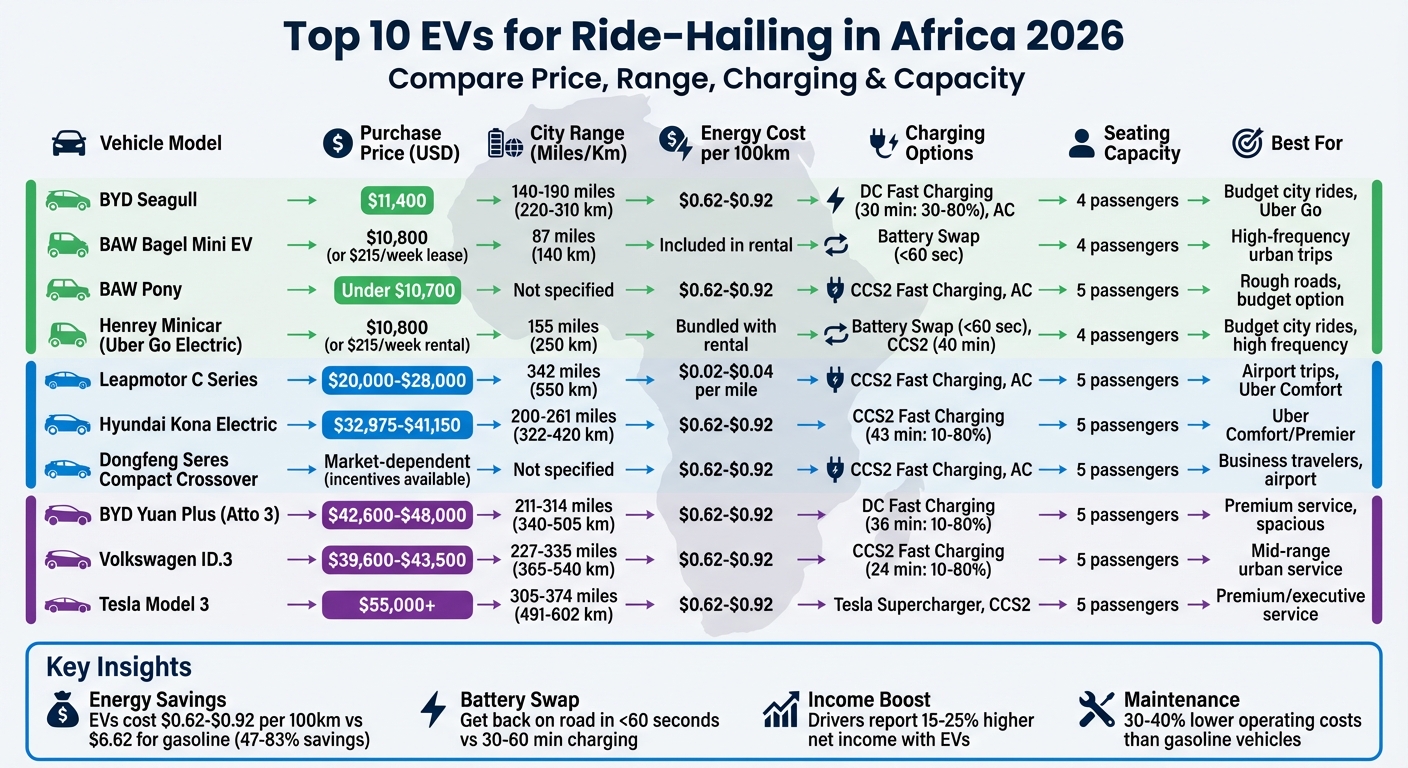
Top 10 EVs for Ride-Hailing in Africa 2026: Price, Range & Features Comparison
Chinese EVs You Can Buy in Kenya – Africa EV Show
What Makes an EV Profitable for Ride-Hailing in Africa
Every aspect – from upfront costs to how well the vehicle holds up over time – impacts a driver’s ability to earn.
Upfront costs remain a hurdle. In Africa, most ride-hailing drivers purchase second-hand gas-powered cars priced between $6,000 and $10,000, while new EVs come with a much steeper price tag. But when you look beyond the purchase price, the math changes. EVs eliminate daily fuel costs and require far less maintenance, which can make them more lucrative for drivers who cover long distances. For instance, in Kenya, driving 62 miles (100 km) in an EV costs 47–83% less than doing the same in a gas-powered car. That said, the efficiency of charging systems is a crucial part of this equation.
Range and charging infrastructure are deal-breakers. Ride-hailing drivers often log over 62 miles (100 km) per day, but traditional charging – which takes 30–60 minutes – cuts into their working hours and earnings. Battery-swap systems are a game-changer here, allowing drivers to quickly replace depleted batteries and get back on the road, maximizing their trip count.
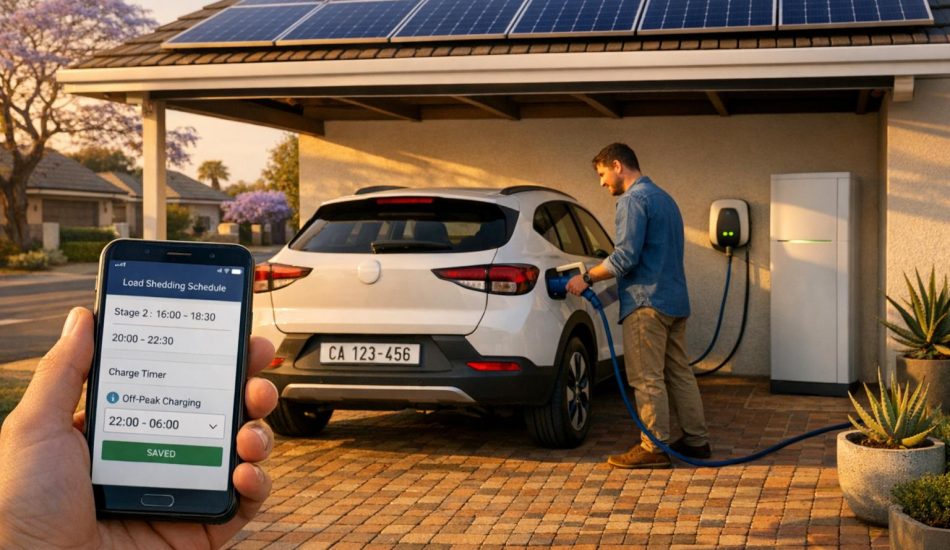
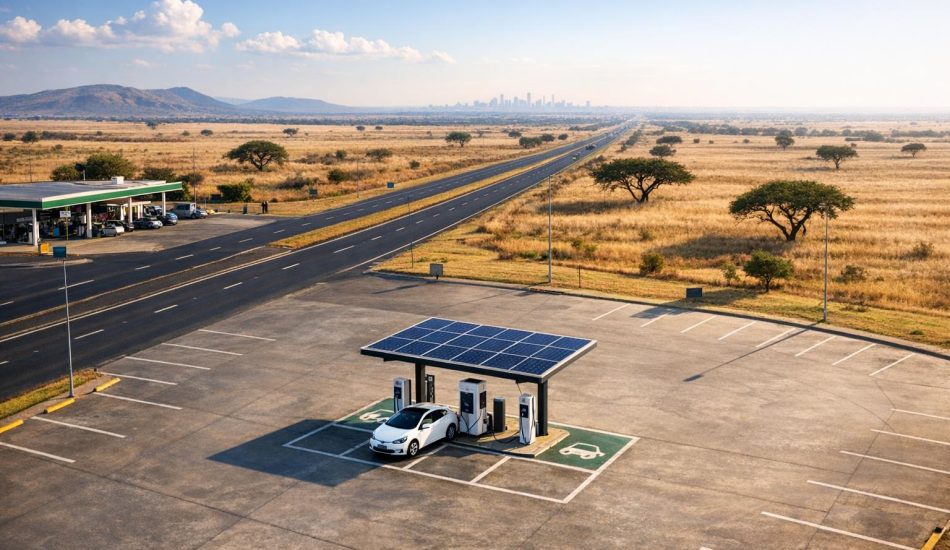
Electricity reliability is another major factor. Sub-Saharan Africa’s power grid faces frequent outages, with a System Average Interruption Disruption Index (SAIDI) of 39.30, compared to just 0.87 in high-income nations. Unreliable electricity makes home charging a gamble for drivers. That’s where battery-swap stations, especially those equipped with solar backups, become incredibly valuable.
Resale value also plays a big role in profitability. EVs tend to lose about 60% of their value within 3–5 years, compared to a 39% depreciation rate for gas-powered vehicles. Additionally, battery degradation – around 1–2% per year – further impacts their resale worth. As Anirudh Damani, Managing Director at Artha Venture Fund, points out:
"For individual consumers, the resale value is an inconvenience; for fleet operators, it’s a major concern".
Durability on tough roads is non-negotiable. Ride-hailing cars in African cities face rough conditions like heavy traffic, pothole-ridden streets, and usage rates up to 3–4 times higher than private vehicles. Compact EVs designed for urban use, such as the Henrey Minicar currently being tested in Johannesburg, are showing promise. These vehicles are built to handle challenging conditions while keeping running costs manageable.
Grasping these cost and performance factors provides a clearer picture of what makes an EV a smart choice for ride-hailing in Africa.
1. BYD Seagull
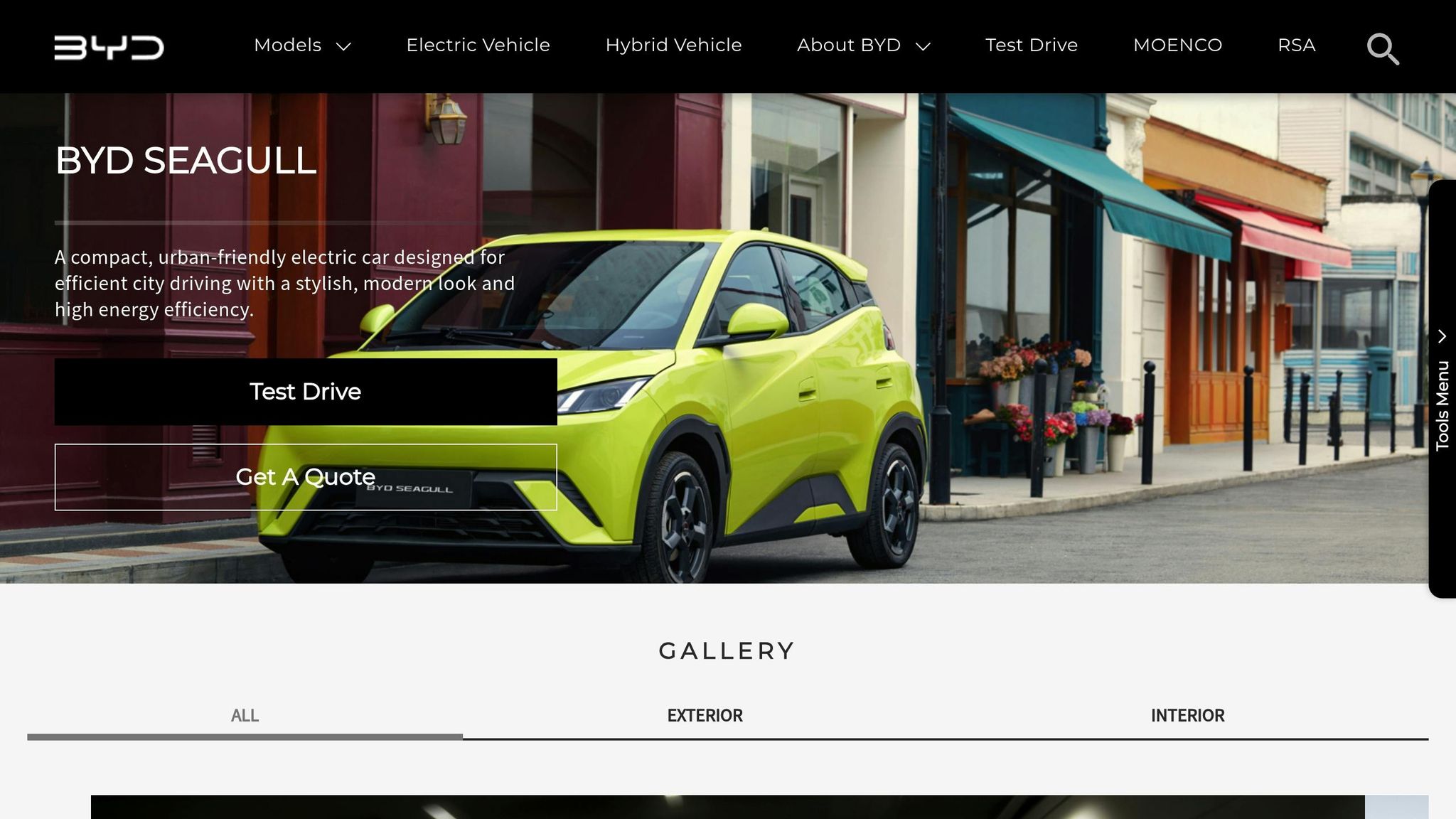
The BYD Seagull is a subcompact hatchback in the B-segment, built on BYD’s e-Platform 3.0. It made an impressive debut with 10,000 orders in just 24 hours and reached one million units sold by August 2025. Designed with affordability and efficiency in mind, the Seagull is a smart choice for ride-hailing drivers, especially those operating in entry-level categories like Uber Go. Its compact size and low running costs make it ideal for maximizing profitability.
Purchase or Lease Price (USD)
The Seagull’s base model is priced at around $11,400. This price point delivers exceptional value, as highlighted by Kevin Williams from InsideEVs:
"It’s smooth riding, sophisticated and well finished, not something I can say about any car this cheap, no matter gas or electric".
City Range (Miles/Km)
The Seagull comes with two battery options, offering ranges of 190 miles (305 km) and 252 miles (405 km) on the CLTC cycle. In real-world WLTP conditions, this translates to approximately 140 miles (220 km) and 190 miles (310 km). These ranges are well-suited for urban ride-hailing, reducing the need for frequent charging during shifts. Plus, its DC fast charging can boost the battery from 30% to 80% in just 30 minutes.
Passenger Comfort and Cargo Space
With a wheelbase of 2,500 mm and a flat-floor design, the Seagull maximizes interior space for passengers. Its five-door setup ensures easy entry and exit, making it practical for ride-hailing operations. Standard features include a 10.1-inch touchscreen, wireless charging, and two cup holders. The hatchback design also provides convenient cargo space for luggage, adding to its functionality.
Up next, we’ll dive into another cost-effective option tailored for Africa’s ride-hailing market.
2. BAW Bagel Mini EV
The BAW Bagel Mini EV is a small, four-seater vehicle designed specifically for high-mileage urban ride-hailing. Built on BAW’s mini-EV platform, it features quick battery-swapping technology, helping reduce costs and improve efficiency in crowded city environments. Let’s dive into its pricing, range, and other key features.
Purchase or Lease Price (USD)
In South Africa, the Bagel Mini EV is available for under $10,800. Alternatively, it can be leased for approximately $215 per week. This weekly fee includes unlimited battery swaps, insurance, and maintenance, making it an appealing option for ride-hailing operators.
City Range (Miles/Km)
Equipped with a 15.12 kWh lithium iron phosphate battery, this EV offers a range of 87 miles (140 km) on a single charge. Regenerative braking further boosts its efficiency in stop-and-go urban traffic. What truly sets it apart is the battery-swap system, allowing drivers to replace a depleted battery with a fully charged one in less than 60 seconds. This feature enables 20–30% more trips per shift compared to gas-powered vehicles that require time-consuming refueling stops.
Energy Cost per Mile (Electricity vs. Gasoline)
Instead of traditional fuel expenses, the Bagel Mini EV operates on a weekly rental model that includes battery swaps, insurance, and maintenance. Early data suggests drivers can see a 15–25% boost in net income and a 30–40% drop in operating costs compared to gasoline-powered vehicles.
Passenger Comfort and Cargo Space
With a top speed of 43 mph (70 km/h) and a 30 kW motor, the Bagel Mini EV is perfectly suited for urban commutes. Despite its compact size, it comfortably seats four passengers, making it ideal for city-center ride-hailing. Its IP67-rated battery system, which is both dustproof and waterproof, ensures reliability even in challenging weather conditions.
3. BAW Pony

The BAW Pony is a standout option in the compact Chinese EV segment, tailored for African ride-hailing services. While specific pricing and specs for this model are still under wraps, similar vehicles are generally priced under $10,700. This affordability makes it easier for drivers to transition from traditional gasoline-powered cars to electric ones. Let’s break down how these cost advantages translate into daily savings.
Energy Cost per Mile: Electricity vs. Gasoline
In Kenya, driving a light-duty EV for 62 miles (100 km) costs just $0.62 to $0.92. Compare that to the $6.62 it takes to cover the same distance with a gasoline-powered vehicle, and you’re looking at an 86–90% reduction in running costs. That’s a massive difference, especially for ride-hailing drivers.
For someone driving 125 miles (200 km) per day – a typical shift in ride-hailing – the energy savings amount to around $11 to $12 daily. Over the course of a month, that’s $330 to $360 in savings. These consistent, lower operating expenses are a game-changer, especially in regions where fuel prices can be unpredictable.
Passenger Comfort and Efficiency
Compact EVs like the BAW Pony are designed with passenger comfort and reliability in mind. They require less maintenance, which means less downtime and more hours on the road to earn. With shared transport accounting for 60–80% of urban trips, the Pony’s design is perfect for navigating stop-and-go city traffic, making it a practical choice for busy urban areas.
4. BYD Yuan Plus (Atto 3)
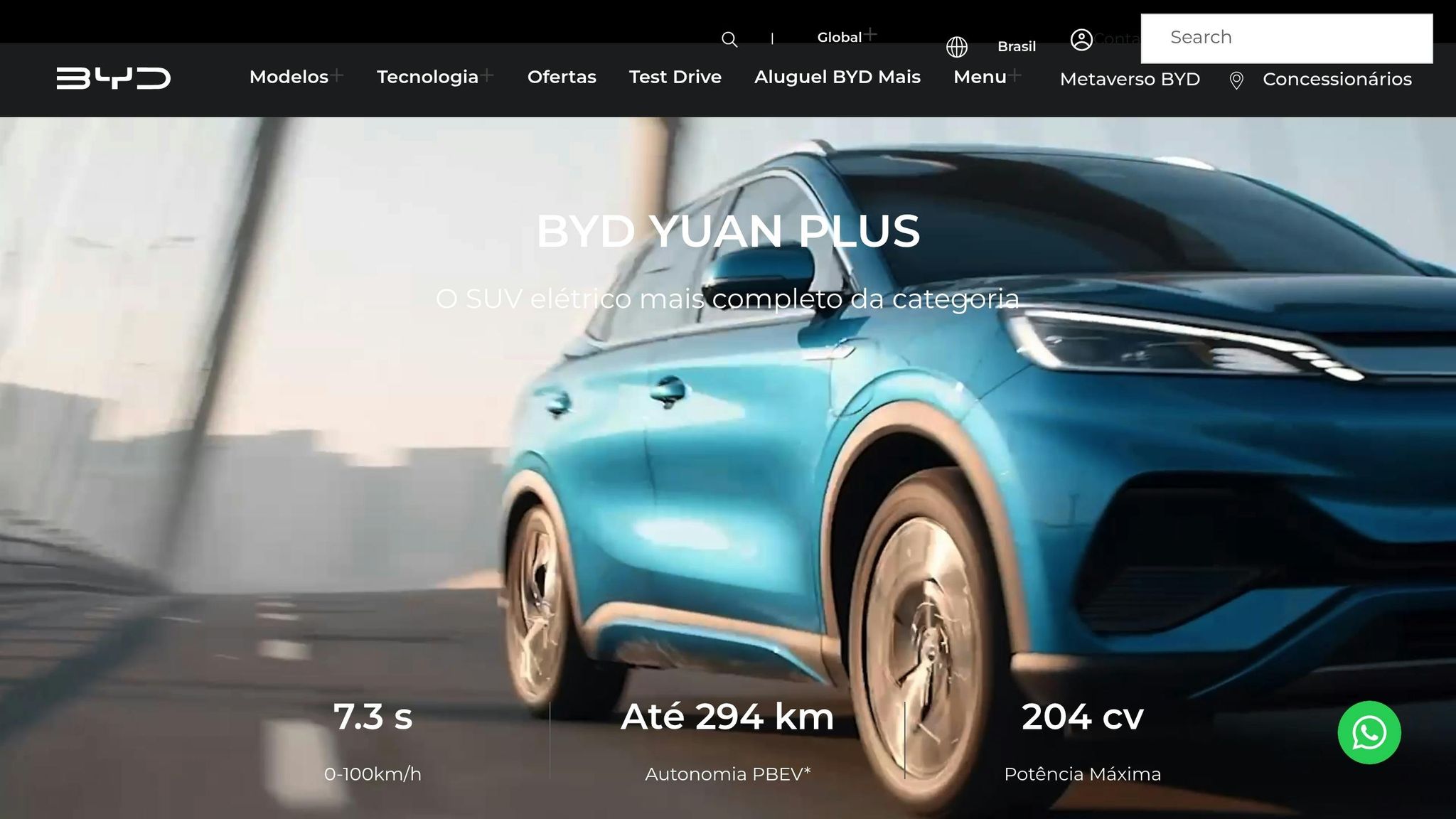
The BYD Yuan Plus, known as the Atto 3 in some markets, stands out as a mid-size crossover designed with ride-hailing efficiency in mind. Built on BYD’s e-Platform 3.0, it features a 60.5 kWh Blade Battery with LFP chemistry, offering both safety and durability – key for the demands of daily ride-hailing operations.
Purchase or Lease Price (USD)
The 2026 model comes with a price tag ranging from $42,600 to $48,000. Prices in African markets may differ due to local duties and incentives, positioning the Atto 3 as a higher-end option with added range and interior space.
City Range (Miles/Km)
In mild weather, the Atto 3 delivers an impressive range of 314 miles (505 km), while colder conditions reduce it to around 211 miles (340 km). Thanks to its 110 kW DC fast charging capability, the battery can go from 10% to 80% in just 36 minutes.
Energy Cost per Mile
With an average energy consumption of 178 Wh/km, the Atto 3 keeps operating costs significantly lower than those of traditional gasoline-powered vehicles.
Passenger Comfort and Cargo Space
The e-Platform 3.0 provides a flat rear floor for better legroom, enhancing passenger comfort. Cargo space starts at 440 liters and expands to 1,338 liters with the rear seats folded. Standard features include a 12.8-inch touchscreen, vegan leather seats, and a 5-star Euro NCAP safety rating. This combination of comfort and safety makes it a strong contender for ride-hailing services.
5. Volkswagen ID.3
The Volkswagen ID.3 is making waves in the ride-hailing market, combining high-quality craftsmanship with a strong emphasis on safety. Designed on Volkswagen‘s MEB electric platform, this C-segment hatchback boasts a 5-star Euro NCAP safety rating, scoring 86% for adult occupants and 87% for child occupants. With a compact 10.3-meter turning circle, it’s perfect for navigating the tight, bustling streets of African cities. Let’s take a closer look at its pricing, range, and other features that make it a standout choice.
Purchase or Lease Price (USD)
The 2026 ID.3 Pro is priced between $39,600 and $43,500. While it’s not the cheapest option out there, Volkswagen aims to match the cost of traditional combustion engine vehicles. As Volkswagen South Africa explains:
"The ID. Family offers driving solutions at the price point of a comparable car with a combustion engine – because no game-changing idea is for the better, unless everyone can become a part of it."
For those who prefer leasing, plans start at approximately $384 per month. These options make the ID.3 an appealing investment for ride-hailing drivers.
City Range (Miles/Km)
Built for city life, the ID.3 offers an impressive urban range of up to 335 miles (540 km) under mild weather conditions. On average, its combined range is around 227 miles (365 km), but the larger 79 kWh battery variant extends that to between 270 and 320 miles (434–515 km). The vehicle also supports 165 kW DC fast charging, allowing a 10% to 80% charge in just 24 minutes. For ride-hailing drivers on tight schedules, a 100-mile top-up can be completed in just 10–15 minutes.
Energy Cost per Mile
The ID.3 shines when it comes to energy efficiency. It consumes just 109 Wh/km in city driving, with a fuel-equivalent rate of about 1.5 to 1.8 liters per 100 km. Its efficiency rating of 4.36 miles per kWh keeps operating costs manageable. Adding to its appeal, Volkswagen provides an eight-year or 100,000-mile battery warranty, ensuring at least 70% capacity retention.
Passenger Comfort and Cargo Space
Inside, the ID.3 comfortably seats five adults and offers 385 liters of cargo space, which expands to 1,267 liters when the rear seats are folded. While this setup is ideal for urban ride-hailing, those handling airport transfers or carrying heavy luggage might find the cargo space somewhat limited compared to larger crossovers. Still, the ID.3 is gaining popularity in private hire and minicab markets, thanks to its balance of comfort and practicality.
sbb-itb-99e19e3
6. Tesla Model 3
The Tesla Model 3 has become a popular choice for ride-hailing fleets worldwide. The 2026 Long Range Rear-Wheel Drive (RWD) model stands out with the longest range of any EV currently available. This makes it an excellent option for drivers who want to minimize charging stops and maximize their time on the road. Tesla’s growing footprint in Africa – particularly its interest in manufacturing opportunities in Morocco – is also making the Model 3 more accessible to African drivers, positioning it as a strong contender for boosting earnings in the region.
Purchase or Lease Price (USD)
The Tesla Model 3 starts at roughly $55,000, putting it in the higher price bracket. However, various policy incentives in African countries, such as Ethiopia’s removal of customs duties, VAT, and surtax on EV imports, can significantly lower the cost. Additionally, some early Model 3 units come with free Supercharging for life, a feature that can greatly enhance profitability for high-mileage drivers.
City Range (Miles/Km)
With a range of 305 to 374 miles (491–602 km), the Model 3 offers impressive driving distances. It also benefits from Tesla’s Supercharger network, which allows for rapid charging.
Passenger Comfort and Cargo Space
The Model 3 provides seating for four passengers and boasts a rear boot with 425 liters of space – larger than competitors like the Polestar 2. It also features a front trunk ("frunk") for extra storage. However, the narrow rear boot opening can make loading larger suitcases a challenge. According to Mark Bursa, editor of Professional Driver magazine, the Model 3’s popularity in ride-hailing has led some executive car owners to opt for other brands to avoid the "Uber driver" association. Despite this perception, the Model 3 remains a top choice for standard ride-hailing services.
7. Leapmotor C Series

The Leapmotor C10, part of the C Series lineup, is making waves in the ride-hailing market as a mid-range electric SUV. This Chinese-manufactured vehicle is gaining popularity in African markets, thanks in part to a partnership with Stellantis that supports broader distribution and service networks. Built on the LEAP 3.0 architecture, the C10 features cell-to-chassis (CTC) technology, which optimizes interior space while boosting structural durability – perfect for the rigorous demands of daily ride-hailing operations.
Purchase or Lease Price (USD)
The estimated price for the Leapmotor C10 ranges from $20,000 to $28,000 by 2026, though local taxes and incentives may affect final costs. For drivers transitioning to electric vehicles, flexible lease-to-own options make this SUV an appealing choice.
City Range (Miles/Km)
Powered by a 69.9 kWh battery, the C10 offers a city range of about 342 miles (550 km). This range is more than sufficient for daily ride-hailing distances of 93–155 miles (150–250 km). Its Lithium Iron Phosphate (LFP) battery is particularly suited for hot climates, providing up to 3,000+ charge cycles, which extends the vehicle’s operational lifespan.
Energy Cost per Mile (Electricity vs Gasoline)
In regions with high fuel prices, such as Kenya and Ghana, the C10 provides a clear cost advantage. Its energy cost is estimated at just $0.02–$0.04 per mile, compared to $0.10–$0.15 per mile for a comparable gasoline-powered SUV. Over time, this significant difference translates into substantial savings for drivers.
Passenger Comfort and Cargo Space
The Leapmotor C10 doesn’t just save on costs – it also prioritizes passenger comfort. With a 2,825 mm wheelbase, the SUV offers generous rear legroom, providing an "Uber Comfort" level of service. Its 435-liter trunk can easily fit 2–3 large suitcases, making it ideal for airport trips. The spacious cabin accommodates four passengers comfortably, enabling drivers to accept both standard and premium ride requests, which can boost earnings per trip.
8. Dongfeng Seres Compact Crossover

The Dongfeng Seres Compact Crossover stands out as a solid EV option for Africa’s ride-hailing market. With Chinese automakers introducing vehicles at a range of price points, this model is positioned to compete with the region’s second-hand car market effectively. Its combination of practical features and affordability makes it an appealing choice for drivers. Let’s dive into the pricing and leasing details, as well as the features that enhance its utility.
Purchase or Lease Price (USD)
The pricing for the Dongfeng Seres Compact Crossover depends on the market, but government incentives in countries like Ethiopia, Rwanda, and South Africa are making these EVs more affordable. For instance, South Africa offers a groundbreaking 150% tax deduction on qualifying investments in EV production assets. This initiative significantly lowers the cost for drivers entering the electric ride-hailing space, making it easier to transition to EVs while improving profitability.
Passenger Comfort and Cargo Space
Passenger comfort and cargo capacity are essential for ride-hailing success. Compact crossovers, like the Dongfeng Seres, excel in this area by offering elevated seating for easier entry and exit during urban pickups. Additionally, the inclusion of a separate luggage compartment is a major advantage, especially for business travelers or airport transfers. This design not only keeps passenger belongings secure but also reduces cabin noise, which could lead to higher customer satisfaction and better ratings – critical for repeat business in the ride-hailing industry.
9. Hyundai Kona Electric
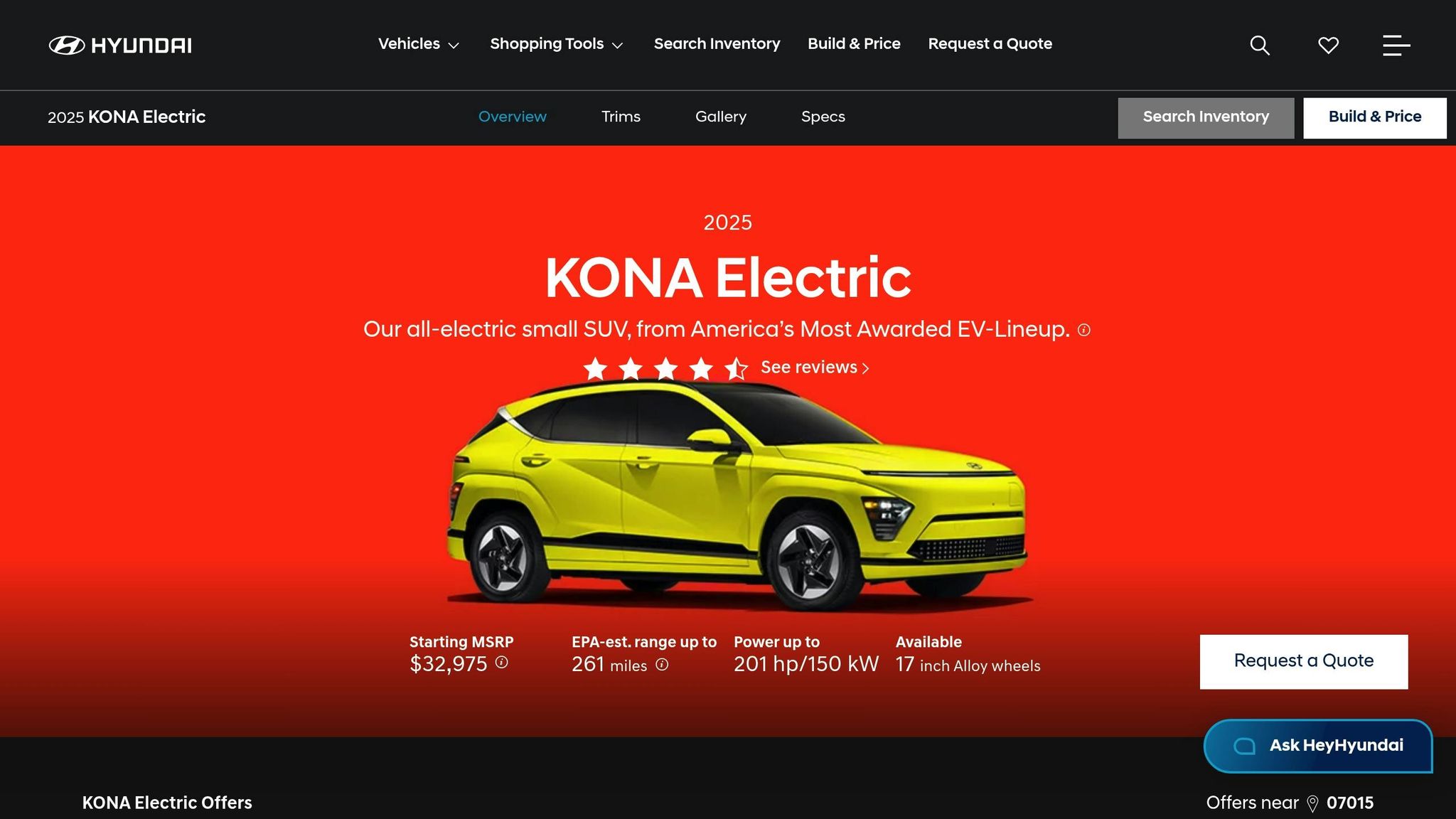
The Hyundai Kona Electric is a standout choice for premium urban ride-hailing services, aiming at segments like Uber Comfort and Uber Premier. With a price tag hovering around $35,000 USD, it sits well above budget-friendly options like the Henrey Minicar, but its features and capabilities justify the higher cost.
Purchase or Lease Price (USD)
For 2026, the Kona Electric offers three trims with varying price points: the base SE starts at about $32,975 USD, the SEL comes in at $36,975 USD, and the top-tier Limited trim is priced at $41,150 USD. Hyundai includes a 10-year/100,000-mile powertrain warranty, a huge plus for drivers covering long distances.
City Range (Miles/Km)
The range depends on the trim. The SE trim provides an EPA-estimated 200 miles (322 km) per charge, while the SEL and Limited trims stretch that to 261 miles (420 km). Charging is efficient too – using DC fast charging, the battery can go from 10% to 80% in just 43 minutes. Its compact 34.8-foot turning diameter also makes it a breeze to maneuver through tight urban streets. Additionally, the Kona Electric boasts an impressive city efficiency rating of 131 MPGe.
Energy Cost per Mile (Electricity vs. Gasoline)
When it comes to energy costs, the Kona Electric proves its worth. Kelley Blue Book estimates its 5-year electricity cost at around $3,713, a noticeable savings compared to gasoline-powered vehicles. While the electric version achieves 131 MPGe in city driving, its gas-powered counterpart only manages 29 MPG. In regions like South Africa, where 75% of consumers lean toward EVs to cut fuel expenses, the Kona Electric becomes an even more appealing option. Combined with reduced maintenance costs, these savings enhance profitability for ride-hailing drivers, particularly in premium segments.
Passenger Comfort and Cargo Space
The Kona Electric offers a roomy interior with 99.0 cubic feet of passenger space, including 36.4 inches of rear legroom. Higher trims like the SEL and Limited include rear AC vents, ensuring a comfortable ride even on hot days. Cargo space is practical, with 25.5 cubic feet available behind the second row, expanding to 63.7 cubic feet when the rear seats are folded down. That said, Mark Bursa, Editor at Professional Driver magazine, points out a limitation:
"the boot isn’t fantastic. It would struggle to take three people and their luggage to the airport".
On the plus side, the Kona Electric features standard Vehicle-to-Load (V2L) capability, allowing drivers to power laptops or other devices directly from the car. This small but thoughtful addition can help justify higher fares, adding a touch of luxury to the ride-hailing experience.
10. Uber Go Electric Fleet Car
The Uber Go Electric fleet car, officially known as the Henrey Minicar (or Valternative EV4), is setting a new standard for ride-hailing efficiency. Built by Beijing Henrey Automobile Technology, this four-seater EV is tailored for the fast-paced environment of African city centers, delivering reliability and nimble performance.
Purchase or Lease Price (USD)
At under R200,000 (approximately $10,800 USD), the Henrey Minicar holds the title of the most budget-friendly electric vehicle on this list. For drivers looking to avoid upfront costs, a weekly rental option is available at around R4,000 (about $215 USD). This fee includes the vehicle, insurance, maintenance, and unlimited battery swaps. By bundling these expenses, the model offers predictable costs and removes the financial barriers typically associated with EV ownership.
Now, let’s take a closer look at its range and battery-swapping capabilities.
City Range (Miles/Km)
Equipped with a 25kWh battery, the Henrey Minicar delivers a range of approximately 250 km (155 miles) per charge. What sets it apart is its access to a battery-swap network powered by solar and hybrid backup systems. A swap takes less than 60 seconds, ensuring drivers experience minimal downtime – even during power outages. Uber South Africa and Valternative Energy introduced this service in Johannesburg in November 2025 with 70 vehicles, expanding to 350 by late January 2026. Over 100 battery-swap stations support this growing fleet.
Energy Cost per Mile (Electricity vs. Gasoline)
Energy costs are bundled into the weekly rental fee, significantly reducing operating expenses. According to 234Drive, this approach lowers driver costs by 30% to 40% compared to gasoline-powered vehicles. Automotive analyst Adekiya Ibukun explains:
"Early adopters report 15-25% higher net take-home income, driven both by eliminated fuel costs and increased productivity – the near-instant battery swaps enable 20-30% more trips per shift".
By cutting out lengthy charging times, drivers can increase their daily trips, leading to higher earnings.
Beyond cost savings, the Henrey Minicar offers practical features tailored for urban ride-hailing.
Passenger Comfort and Cargo Space
The Henrey Minicar is designed with urban functionality in mind. It seats four passengers and includes a 7-inch LCD display, Bluetooth connectivity, smartphone integration (compatible with CarPlay and Android Auto), and a reverse camera. While its 35kW motor and top speed of 85 km/h (53 mph) make it ideal for city streets, it’s not suited for highway use. Cargo space is limited compared to larger sedans, but its compact design makes it perfect for short, budget-friendly urban trips. For drivers focused on efficiency and affordability, this EV checks all the right boxes.
EV Comparison Table
Here’s a quick look at how different EV models stack up in terms of energy costs, charging options, and seating capacity – key factors for maximizing profits in Africa’s ride-hailing industry.
| Vehicle Model | Energy Cost per 100 km | Charging Options | Seating Capacity |
|---|---|---|---|
| BYD Seagull | $0.62 – $0.92 | CCS2 Fast Charging, AC | 4 |
| BAW Bagel Mini EV | $0.62 – $0.92 | AC Charging | 4 |
| BAW Pony | $0.62 – $0.92 | CCS2 Fast Charging, AC | 5 |
| BYD Yuan Plus (Atto 3) | $0.62 – $0.92 | CCS2 Fast Charging | 5 |
| Volkswagen ID.3 | $0.62 – $0.92 | CCS2 Fast Charging | 5 |
| Tesla Model 3 | $0.62 – $0.92 | Tesla Supercharger, CCS2 | 5 |
| Leapmotor C Series | $0.62 – $0.92 | CCS2 Fast Charging, AC | 5 |
| Dongfeng Seres Compact Crossover | $0.62 – $0.92 | CCS2 Fast Charging, AC | 5 |
| Hyundai Kona Electric | $0.62 – $0.92 | CCS2 Fast Charging | 5 |
| Uber Go Electric Fleet Car (Henrey Minicar) | Bundled with rental | CCS2 Fast Charging (40 min) and Battery Swap (<60 sec) | 4 |
Light-duty EVs offer energy costs of just $0.62–$0.92 per 100 km, a massive savings of 47–83% compared to gasoline vehicles, which cost around $6.62 per 100 km. For drivers covering hundreds of miles each week, these savings can make a noticeable difference in profitability.
Compact four-seaters like the Henrey Minicar are perfect for maneuvering through heavy traffic and completing more trips in less time. On the other hand, five-seat models are ideal for premium services, such as airport pickups or business travel, where the added space can justify charging higher fares. These insights can help drivers pinpoint the EV that best aligns with their specific ride-hailing needs and goals.
Conclusion
Selecting the ideal EV for ride-hailing boils down to aligning the vehicle with your specific needs. If you’re working with a tight budget and tackling high-traffic city routes, compact models like the Henrey Minicar (priced under $11,000) or the Leapmotor C Series (ranging from $20,000 to $28,000) are excellent choices. These vehicles keep upfront costs low and are perfect for navigating crowded streets. On the other hand, if you’re focused on premium services like airport transfers or business travel, options like the BYD Yuan Plus or Hyundai Kona Electric offer the added comfort and space that can justify higher fares.
Charging infrastructure is another key consideration. In Johannesburg, for instance, battery-swap stations can get you back on the road in under a minute, making them a game-changer for drivers in that area. In other regions, you might rely more on home charging setups or public fast-charging networks. If power outages are a frequent issue, look for vehicles compatible with solar-powered charging hubs or battery-swap systems that don’t depend on the grid.
Road conditions also play a role. For rougher terrain, models with higher ground clearance, such as the Leapmotor C Series or Hyundai Kona Electric, can help you avoid costly repairs. For smoother urban roads, compact EVs provide better efficiency and make parking a breeze.
Don’t forget to check for local incentives. For instance, in Rwanda, VAT and duty exemptions can cut final costs by over 25%. Also, ensure your home can support a Level 2 wall box for faster overnight charging, and confirm that the EV’s battery warranty covers at least 8 years or 93,000 miles.
As electric ride-hailing continues to grow, early adopters are already reaping the rewards. With lower operating and charging expenses, choosing the right EV can significantly increase your earnings.
FAQs
What are the benefits of battery-swap systems for ride-hailing drivers in Africa?
Battery-swap systems offer ride-hailing drivers a fast and efficient way to replace a drained battery, taking just about a minute. This quick turnaround gets vehicles back on the road almost immediately, bypassing the hours-long wait that comes with traditional plug-in charging – especially in areas where charging infrastructure is scarce.
This system not only cuts down on idle time but also allows drivers to complete more trips during their shifts, boosting their earnings. It also makes electric vehicles (EVs) a more practical alternative to gas-powered cars. Plus, battery-swapping alleviates range anxiety. With nearby swap stations, drivers can stay on the move without waiting for a full charge. Another advantage? The batteries are owned and maintained by the swap network, which means lower upfront costs for vehicles and easier maintenance. Altogether, this setup makes EVs a more profitable and appealing choice for ride-hailing drivers in Africa.
What should I consider when choosing an EV for ride-hailing in Africa?
When choosing an EV for ride-hailing in Africa, it’s essential to weigh factors like cost, range, charging options, and durability. Start by aiming for vehicles with a purchase price between $10,000 and $40,000, ensuring they also come with low operating costs to boost your earnings. A range of 155–250 miles per charge is ideal, paired with fast-charging capabilities that allow the battery to reach 80% in under 30 minutes – this helps keep downtime to a minimum.
Durability is another critical factor. Look for EVs designed to handle challenging road conditions and extreme temperatures. Features like ground clearance of 5–6 inches, reinforced suspension systems, and heat-resistant batteries are invaluable in these environments. Don’t forget to consider passenger capacity: compact cars work well for city rides, while SUVs are better suited for longer trips. Lastly, ensure there’s access to reliable local service centers for maintenance and spare parts. By balancing these priorities, you can achieve smoother operations and maximize your profits.
How do government incentives affect the cost of owning an EV for ride-hailing in Africa?
Government incentives are making it easier and more affordable for ride-hailing drivers in Africa to own and operate electric vehicles (EVs). Many countries are rolling out measures like tax breaks, reduced import duties, and VAT exemptions, which can slash the purchase price of EVs by thousands of dollars. For instance, South Africa plans to offer a 150% tax deduction for EV production starting in 2026. Meanwhile, Kenya and Rwanda are already providing reduced excise duties and VAT exemptions, making EVs a more budget-friendly option for drivers.
These incentives go beyond just lowering the initial cost. They also help reduce operational expenses. Access to special electricity tariffs, solar-powered charging stations, and the lower maintenance needs of EVs – thanks to their simpler mechanics – means drivers can save on energy and upkeep. Added perks like priority parking and grants for installing private chargers make EV ownership even more appealing, enabling ride-hailing drivers to boost their earnings while offering greener transportation options.