
 Thabo Nkosi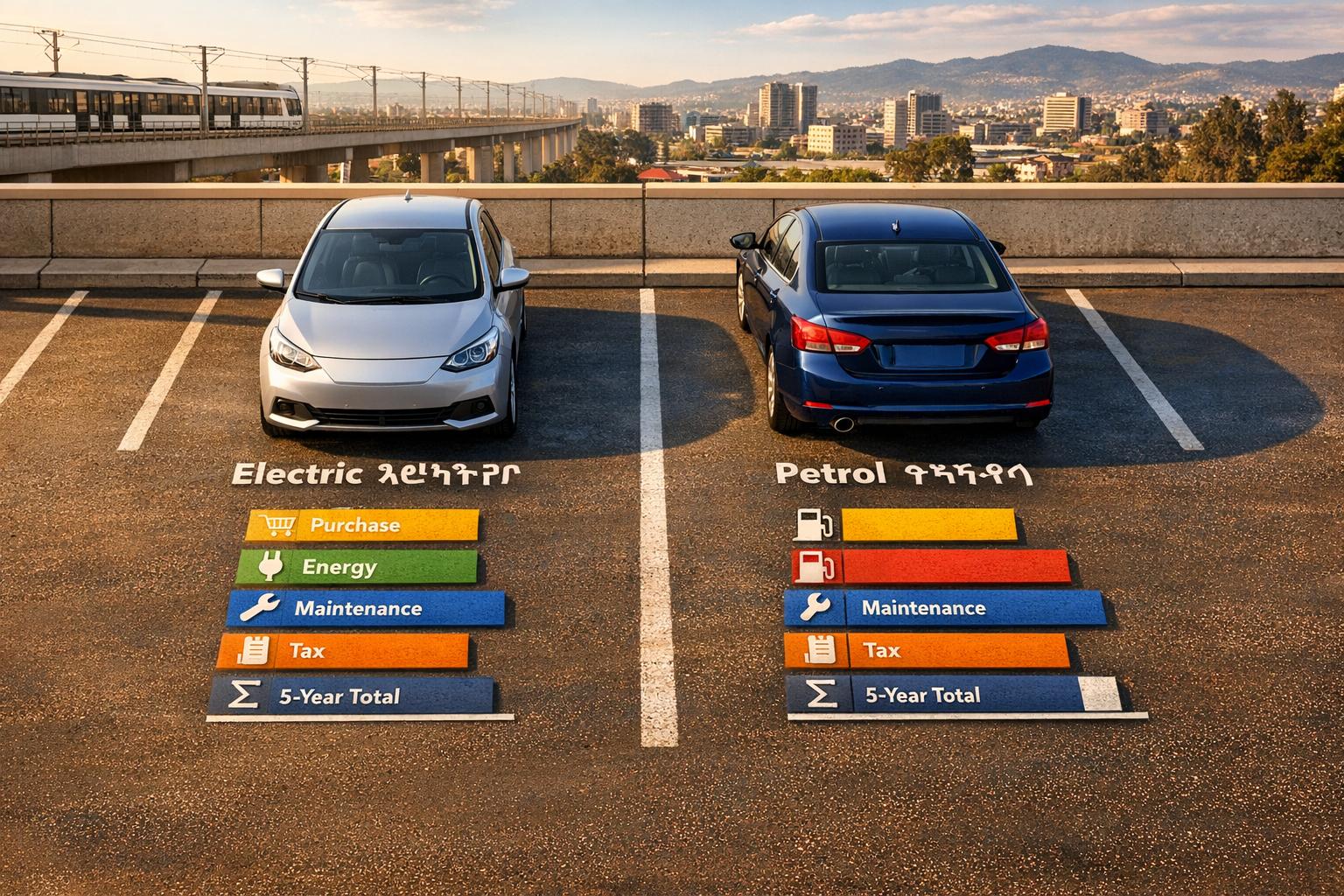
Switching to an electric car in Ethiopia could save you thousands of dollars over five years. Here’s why:
- Fuel Savings: Driving 15,000 km annually costs just $225 for an EV compared to $801 for a petrol car.
- Maintenance Costs: EVs require fewer repairs, with annual costs around $150–$300 vs. $900–$1,800 for petrol cars.
- Government Incentives: EVs benefit from 0% VAT, excise tax, and surtax, while petrol cars face taxes exceeding 500% of their factory price.
- Energy Costs: Electricity is 72% cheaper than petrol, with EVs costing about $1.50 per 100 km compared to $5.34 for petrol vehicles.
Quick Comparison:
| Aspect | Electric (BYD Seagull) | Petrol (Suzuki Dzire) |
|---|---|---|
| Purchase Price | $19,440–$23,330 | $14,850 |
| Energy Costs (5 Years) | $787.50 | $4,500 |
| Maintenance (5 Years) | $750–$1,500 | $4,500–$9,000 |
| Taxes/Duties | Minimal | Up to 500% of factory cost |
While EVs have higher upfront costs, Ethiopia’s tax incentives, reduced fuel expenses, and lower maintenance make them the smarter choice long-term.
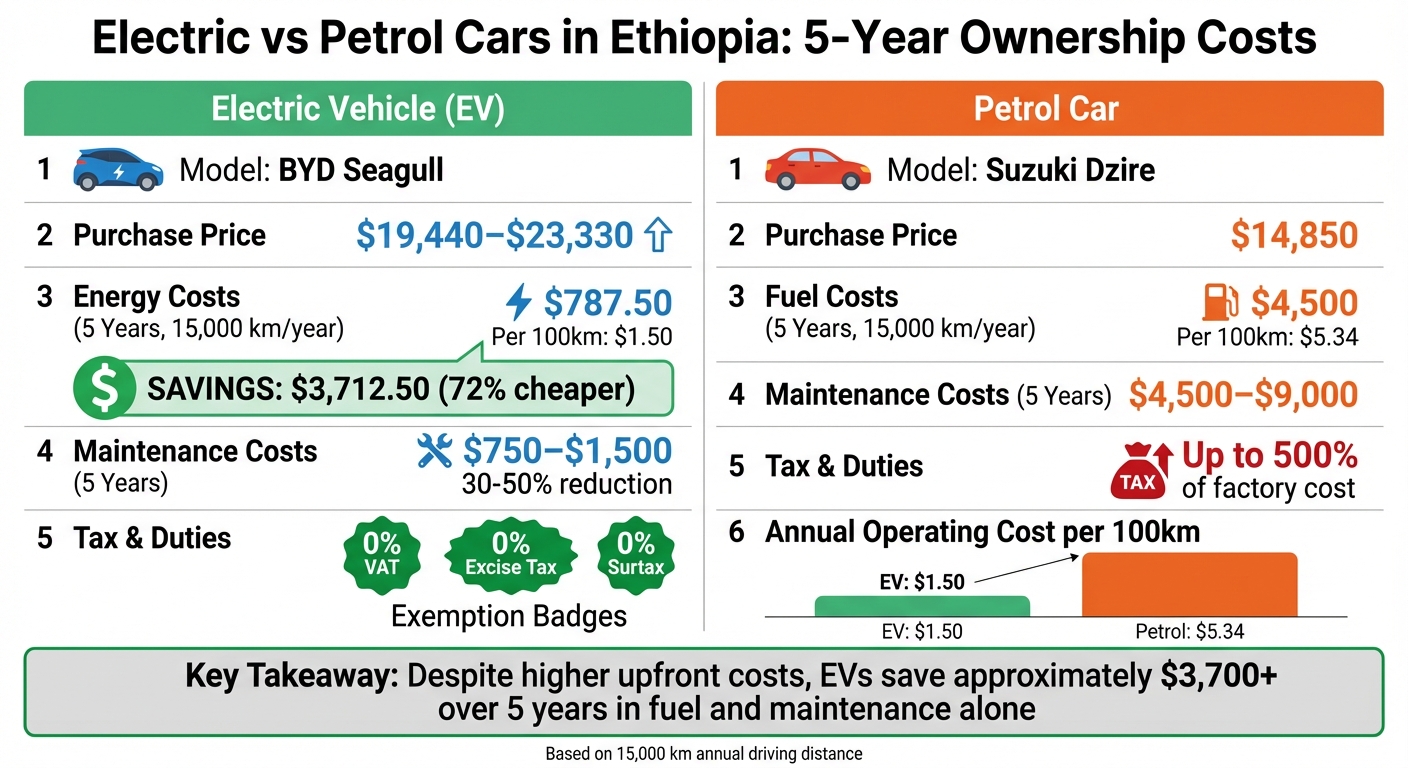
5-Year Cost Comparison: Electric vs Petrol Cars in Ethiopia
Ethiopians embrace electric vehicles
Initial Purchase Costs
The January 2024 ban on non-electric imports has reshaped the car market, especially when it comes to upfront costs. New petrol models like the Suzuki Dzire are no longer legally imported, leaving buyers to navigate a limited and increasingly expensive used car market. Meanwhile, electric vehicles (EVs) have taken center stage, offering competitive pricing that varies based on import categories and assembly methods. Below, we break down the pricing landscape for popular EV models and the inflated costs of petrol alternatives.
Electric Cars: BYD Seagull and Yuan Plus
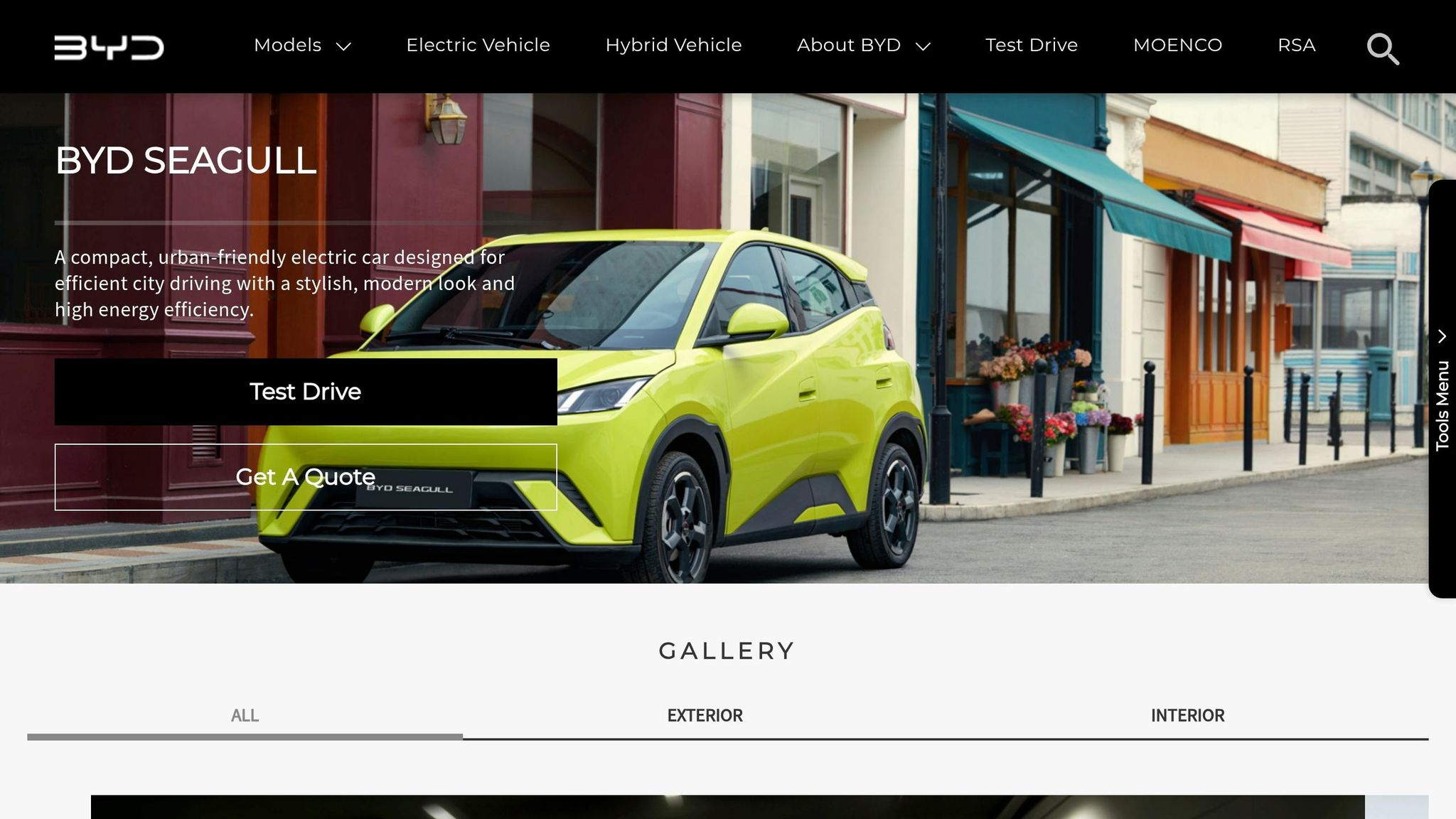
The BYD Seagull has become a favorite entry-level EV in Ethiopia. New models are priced at around 2.7 million ETB (about $47,700), while used models typically sell for 2.2 million ETB ($38,900). Back in mid-2025, an increase in supply caused prices to drop from 3.2 million ETB down to 2.7 million ETB, making it more accessible. The high-end "Comfort" trim, however, can still fetch up to 4.95 million ETB (roughly $87,500).
The BYD Yuan Plus (also known as the Atto 3), a compact SUV, comes with a higher price tag, ranging from 4.5 million to 5.5 million ETB (approximately $79,600 to $97,200). These prices account for a 15% customs duty on fully assembled (CBU) units. However, EV buyers benefit from exemptions on VAT, excise tax, and surtax, significantly lowering overall costs. For importers using semi-knocked-down (SKD) kits, the duty drops to just 5%, while locally assembled (CKD) units enjoy a 0% duty rate. In July 2025, entrepreneur Belayneh Kinde capitalized on these incentives by launching an assembly plant in Debre Berhan, capable of producing up to 1,000 EVs annually.
These tax breaks and incentives make EVs an attractive option, especially when compared to the steep tax burdens that petrol vehicles face.
Petrol Cars: Suzuki Dzire
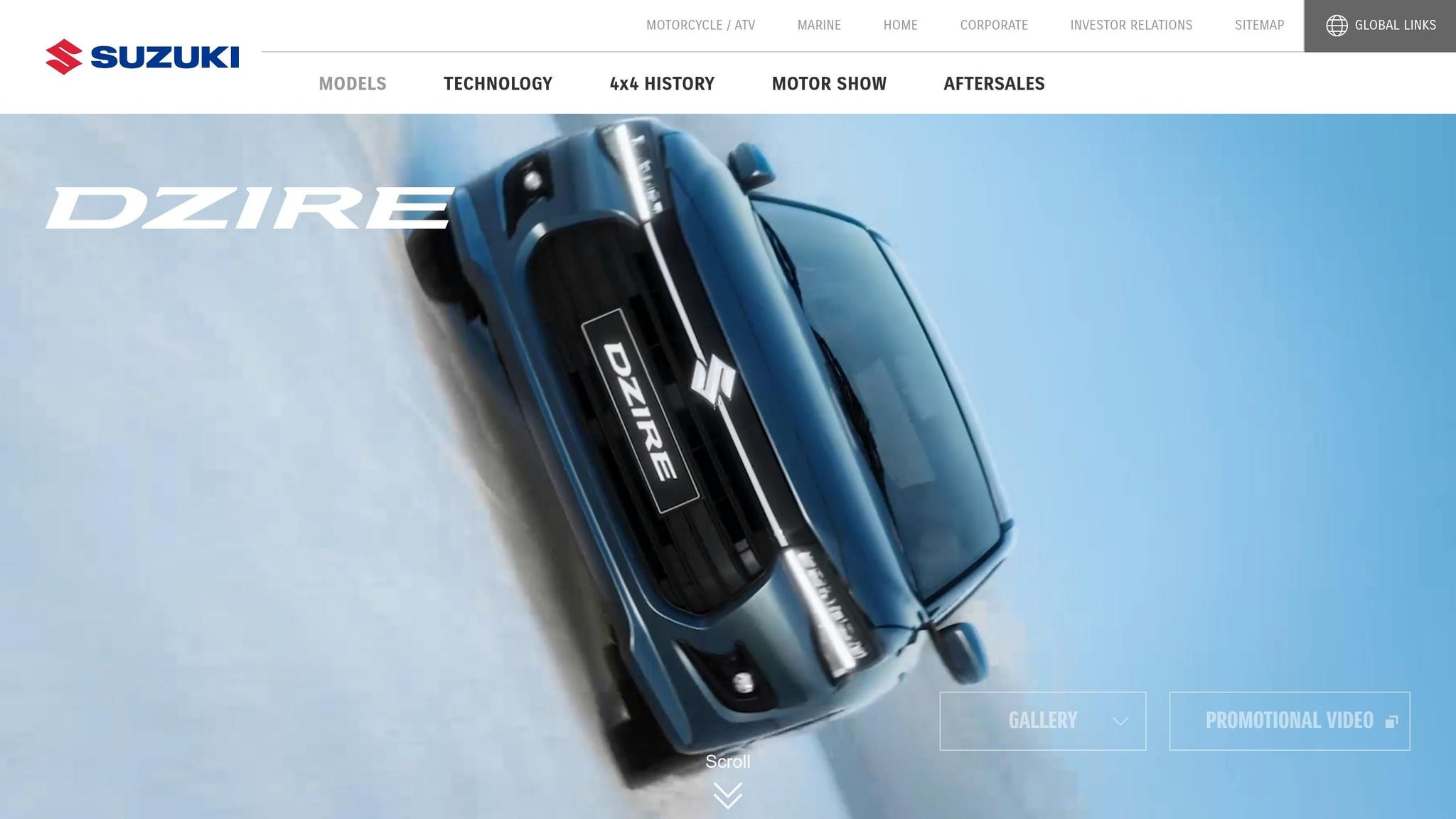
The Suzuki Dzire, now only available in the used car market, illustrates why petrol cars have become less appealing. Before the January 2024 ban, importing a new Dzire was a costly endeavor. Its $8,000 factory price ballooned to approximately 2 million ETB (around $35,400) after taxes – a staggering 363% markup. This increase was fueled by a complex tax structure, including 25% customs duty (for vehicles under 1,500cc), 10% excise tax, 15% VAT, 10% surtax, and 3% withholding tax. Even before dealer margins were added, these taxes alone drove up the base cost by 78%.
With petrol imports now banned, the limited supply of Suzuki Dzire vehicles in the used market has caused prices to climb further, as demand continues to outpace availability. This sharp contrast in pricing dynamics highlights the market’s pivot toward electric mobility, driven by both regulatory changes and economic factors.
Fuel and Charging Costs
Charging an electric vehicle (EV) in Ethiopia is significantly less expensive than fueling a petrol-powered car. Electricity costs hover around $0.10 per kilowatt-hour (kWh), while petrol prices are expected to rise to approximately $0.89 per liter by 2026 due to the removal of fuel subsidies. This price gap is largely due to Ethiopia’s reliance on hydropower, with projects like the Grand Ethiopian Renaissance Dam projected to reach a capacity of 5,150 megawatts in 2025. Meanwhile, the subsidy phase-out, completed in early 2025, is driving up fuel costs. Let’s dive into the numbers that highlight the cost differences between EVs and petrol vehicles.
"Electricity costs about $0.10 per kWh – roughly half of what consumers pay in the US. Some households pay even less because of subsidies. That makes charging an EV much cheaper than buying fuel." – 234Drive
Electricity Costs for EVs
Charging an EV in Ethiopia is highly affordable. On average, EVs consume about 15 kWh per 100 km. At the current electricity rate, that translates to a cost of $1.50 per 100 km. If you drive 15,000 km annually, your charging expenses amount to about $225, while doubling that distance to 30,000 km raises the cost to $450.
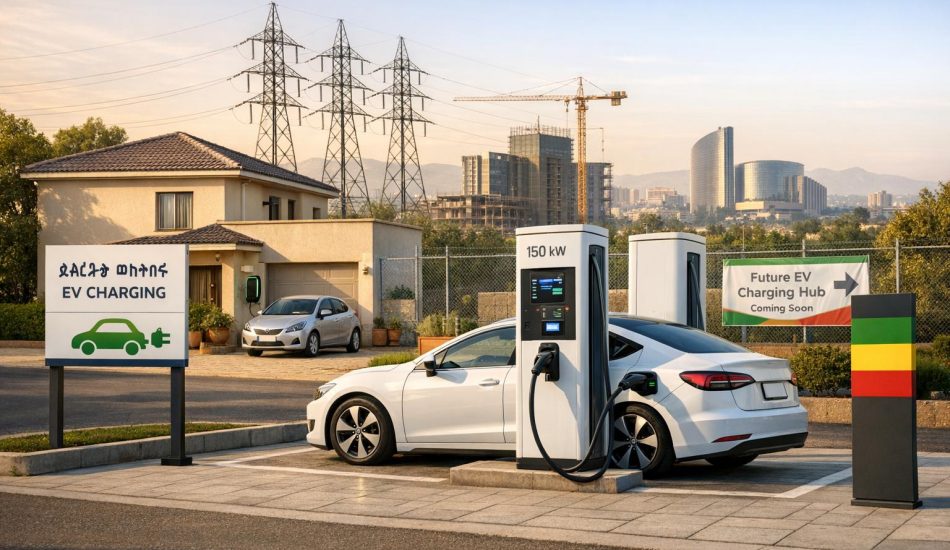
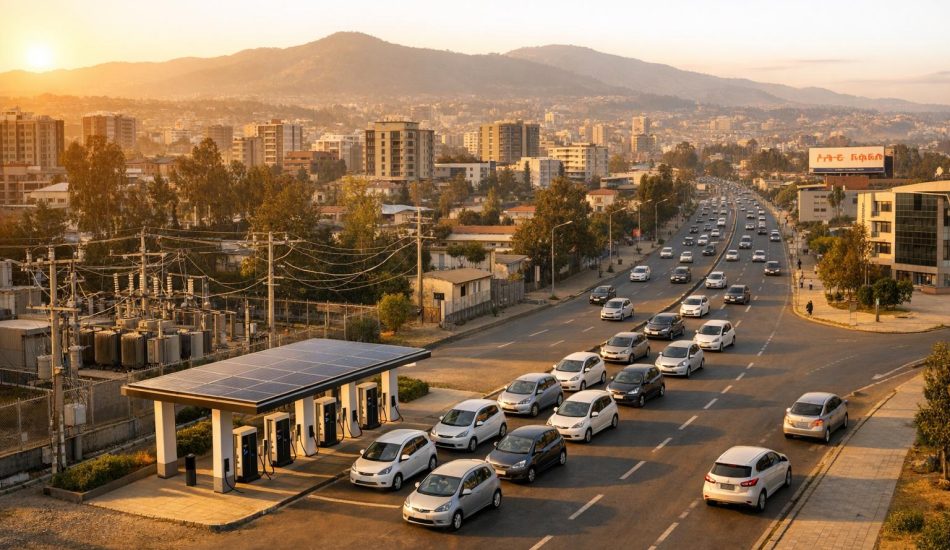
Public charging stations, such as Ethio Telecom’s ultra-fast chargers, charge 10 birr per kWh. Though slightly higher than home charging rates, these stations remain cost-effective. However, Addis Ababa’s charging infrastructure is still developing. With around 500 chargers in the city, there’s a shortfall compared to the estimated 1,000 chargers needed to meet demand. Most standard chargers take four to six hours for a full charge. These electricity costs are a key factor in the broader five-year ownership comparison, where EVs consistently outpace petrol vehicles in affordability.
Petrol Costs for ICE Vehicles
Petrol-powered cars, on the other hand, come with much steeper fuel costs. A typical petrol vehicle consumes about 6 liters per 100 km. At the projected petrol price of $0.89 per liter, this results in a fuel cost of $5.34 per 100 km. For someone driving 15,000 km annually, that’s an expense of $801, which doubles to $1,602 for 30,000 km.
The removal of fuel subsidies in 2025 has further pushed up petrol prices. As Mignot Tariku from BirrMetrics explained, "Subsidies on imported fuel were fully phased out in early 2025, sending pump prices skyward". For drivers covering 15,000 km per year, switching to an EV can save approximately $576 annually on energy costs – an impressive 72% reduction. The savings grow even more for higher mileage.
Maintenance and Operating Costs
When comparing electric vehicles (EVs) and petrol cars in Ethiopia, maintenance costs add another layer to the discussion beyond fuel and charging expenses. EVs generally require less routine maintenance because they don’t need oil changes, timing belt replacements, or exhaust system repairs. For typical maintenance like cabin air filter replacements and tire rotations, EV owners spend about $150–$300 annually, compared to $900–$1,800 for petrol vehicles. Over a five-year period, this means EV owners might spend $750–$1,500 on maintenance, while petrol car owners face a much steeper $4,500–$9,000 bill – a reduction of 30% to 50% in favor of EVs.
"Basically amounts to replacing the cabin air filter, checking the windshield wipers, and rotating the tires" – Dave Nichols, GreenCars
EV Battery Replacement and Service
Beyond routine maintenance, the lifespan and replacement costs of EV batteries are key considerations. Most EV batteries are designed to last 8 to 10 years with proper care. However, in Ethiopia, limited access to spare parts and a lack of technical expertise make EV repairs more challenging. Many Chinese EV importers provide minimal after-sales support, often without warranties or reliable service centers.
On the bright side, battery replacement costs are dropping quickly. By 2030, replacing a 100 kWh battery pack is expected to cost around $4,500–$5,000, roughly equivalent to a major petrol engine repair. This is a significant shift, considering battery prices have already fallen by nearly 90% since 2008.
"Soon enough, it will be cheaper to replace a battery pack than it would be to replace a combustion engine" – Liz Najman, Recurrent
Petrol Engine Repairs and Oil Changes
For petrol vehicles, repairs become increasingly expensive with age. Major issues like engine repairs or transmission rebuilds typically cost between $3,000 and $5,000. Ethiopia’s nearly 20% inflation rate has also driven up the costs of imported components, from tires to spark plugs. Even routine oil changes, required every 5,000 to 10,000 miles, add up significantly over time.
While petrol cars benefit from a well-established network of mechanics and readily available spare parts, their repair costs remain high. This accessibility has made older petrol models, like the Toyota Corolla, a safer investment due to their durability and compatibility with Ethiopia’s roads.
"The Corolla’s reputation for durability, its adaptation to Ethiopia’s roads, and the ease of finding a mechanic make it a safer purchase" – Ermias Abebe, car broker
Interestingly, this reliability has caused older petrol cars like the Corolla to appreciate in value, while EVs face rapid depreciation due to concerns about battery servicing and repair capacity. Despite this, the lower maintenance costs of EVs continue to provide a financial edge over time in Ethiopia.
sbb-itb-99e19e3
Government Incentives and Tax Benefits
Ethiopia has reshaped the economics of car ownership with bold policies. In January 2024, it became the first country in the world to ban the import of non-electric private vehicles. While this move aligns with environmental priorities, it also addresses a pressing economic issue: the country spent $7.6 billion on fuel imports in 2023, a heavy burden on the national budget. These changes aim to make electric vehicles (EVs) more accessible upfront while also lowering their long-term running costs.
EV Tax Exemptions
To accelerate EV adoption, Ethiopia’s Ministry of Finance introduced sweeping tax exemptions. Electric vehicles are now entirely free from VAT, surtax, and excise taxes. These incentives have had an immediate impact, with EV registrations surging by 5,000–7,000 units.
The government also implemented a tiered customs duty system to encourage local assembly. Here’s how it works:
- 0% customs duty for completely knocked-down (CKD) kits.
- 5% customs duty for semi-knocked-down (SKD) kits.
- 15% customs duty for fully built units (CBU).
Since the 2024 ban, Ethiopia’s EV market share has grown from under 1% to nearly 6% of all vehicles, surpassing the global average of 4%.
"By eliminating all taxes, it is a significant step towards reducing price escalations, particularly for electric vehicles." – Mushe Semu, Former Politician and Banker
While EV owners enjoy these benefits, the situation for petrol vehicle imports is starkly different.
Petrol Import Restrictions
The government has effectively halted the import of petrol cars by freezing Letters of Credit (LC) for these vehicles. Even before the ban, petrol cars were heavily taxed, with cumulative taxes exceeding 500% of the vehicle’s original cost. For example, petrol cars faced:
- 15% VAT
- Up to 100% excise tax
- 10% surtax
- 3% withholding tax.
Take the Suzuki Dzire as an example: it now sells for around 2.1 million birr (~$14,850), with dealers profiting 1.1 million birr (~$7,780) due to limited supply.
The government is also phasing out fuel subsidies, driving petrol prices to approximately $2 per liter. This, combined with import restrictions, has made petrol vehicle ownership out of reach for many Ethiopians. Running costs tell the full story: a petrol car costs about 4.64 birr (~$0.03) per kilometer, compared to just 0.06 birr (~$0.0004) for an EV. That makes electricity 7,984% cheaper than gasoline.
These aggressive policy shifts set the stage for a closer look at the five-year cost differences between owning an EV and a petrol vehicle.
5-Year Ownership Cost Breakdown
When comparing the BYD Seagull (an electric vehicle) to the Suzuki Dzire (a petrol car) over a five-year period, the financial benefits of owning an EV become clear. Assuming an annual driving distance of 15,000 km (about 9,320 miles), here’s how the numbers compare:
| Cost Category | BYD Seagull (EV) | Suzuki Dzire (Petrol) | 5-Year Difference |
|---|---|---|---|
| Purchase Price | 2,750,000–3,300,000 ETB (~$19,440–$23,330) | 2,100,000 ETB (~$14,850) | +$4,590–$8,480 |
| Energy/Fuel (5 Years) | 111,000 ETB (~$787.50) | 634,500 ETB (~$4,500) | -$3,712.50 |
| Maintenance (5 Years) | About 30% of petrol maintenance costs | Standard servicing costs | ~70% lower for the EV |
| Taxes & Duties | Reduced tax burden due to exemptions | Import taxes can add ~78% to factory cost | Significant savings for EVs |
While the BYD Seagull has a higher upfront cost, operational savings make up for it over time. For instance, EVs like the Seagull cost significantly less to maintain. With only one annual service required, it avoids expenses tied to oil changes, timing belts, and exhaust repairs. These savings amount to about $742.50 annually, helping to bridge the initial price gap within just three years. By the five-year mark, fuel and maintenance savings nearly cancel out much of the early cost difference.
Efficiency is another standout factor. EVs operate at over 85% efficiency compared to petrol engines, making energy usage far more effective. The Seagull’s 30 kWh Blade Battery offers a 300 km (186-mile) range, which is perfect for daily city commutes. Combined with Ethiopia’s favorable tax policies for electric vehicles, the financial case for choosing an EV becomes even stronger over the long term.
Available Models on EV24.africa

Electric Models: Tesla, BYD, Hyundai
EV24.africa offers a range of electric vehicles designed to handle Ethiopia’s unique road conditions. Chinese automaker BYD has become a standout player in this market. For instance, the BYD Dolphin, priced at 3.5–4.2 million ETB (~$24,780–$29,730), is perfect for urban commutes. Meanwhile, the BYD Yuan Plus, costing 4.5–5.5 million ETB (~$31,860–$38,940), is better suited for mixed terrains thanks to its higher ground clearance and an impressive range of 480–510 km (298–317 miles).
For those seeking a budget-friendly option, the Changan Lumin Corn is an excellent choice. With a price tag of 1.8–2.2 million ETB (~$12,730–$15,570) and a range of 300 km (186 miles), it’s ideal for city driving or as a secondary vehicle. On the premium side, Tesla models cater to buyers who value cutting-edge technology and global prestige. Hyundai, benefiting from local assembly operations, ensures easier access to spare parts and trained technicians. Another strong contender is the Volkswagen ID.4, priced between 5.0–6.5 million ETB (~$35,400–$46,020). With a range of 450–520 km (280–323 miles), it combines European craftsmanship with SUV practicality.
Experts note that Chinese brands have struck a balance in Ethiopia by offering advanced technology at accessible prices. When browsing EV24.africa, it’s wise to focus on vehicles with at least 150 mm (6 inches) of ground clearance to handle potholes and unpaved roads. Locally assembled cars, built using completely knocked down (CKD) or semi-knocked down (SKD) kits, benefit from reduced customs duties (0–5%) compared to the 20% levied on fully assembled imports. While electric cars are gaining momentum, the availability of traditional petrol vehicles is shrinking.
Petrol Car Options
Starting January 2024, new petrol cars are no longer available on the Ethiopian market. The only options left are used vehicles from pre-ban inventory. As broker Abenezer Mengistu explains:
"No fuel cars are being imported for private use. What is circulating is what is left in the market".
This scarcity has caused prices for used petrol vehicles to climb. For example, early 2000s Toyota Corollas are now selling for nearly 2 million ETB (~$14,160), while 20-year-old Toyota Vitz models are priced between 1.3–1.6 million ETB (~$9,200–$11,330). This trend underscores the growing shift toward electric mobility in Ethiopia.
For those still considering petrol options, platforms like AUTO24.africa (the parent site of EV24.africa) may have listings for remaining used inventory. However, with fuel subsidies set to end in early 2025 and no new imports allowed, the long-term practicality of owning a petrol car in Ethiopia is rapidly diminishing.
Conclusion
Electric vehicles (EVs) offer a clear financial advantage for drivers in Ethiopia. With fuel costs at just $1.05 per 100 km compared to $6.00 for traditional vehicles, an annual distance of 30,000 km translates to savings of approximately $1,485 in fuel alone. Add to that the elimination of oil changes and other maintenance common to fuel-powered cars, and the financial benefits become even more compelling.
Recent policy changes have further accelerated the adoption of EVs. Ethiopia’s decision to ban fuel-powered vehicle imports starting January 2024 has transformed the automotive market. Anteneh Tesfaye, Founder and CEO of Shega, highlights this shift:
"EVs are comparably cheaper for the value. For example, I’d spend ETB 2.5 million in the past for a used car of about five to ten years old. But now, I’d be spending ETB 2.5 million for an EV, but a new car".
Government incentives and Ethiopia’s 96% hydropower-based electricity grid amplify this transition, delivering both financial savings and environmental benefits. The country is also cutting its $7.6 billion annual fuel import costs, a significant economic relief. With over 100,000 EVs already on the roads and a goal of reaching 400,000 by 2032, the supporting infrastructure continues to grow.
For Ethiopian drivers, EVs represent a practical and eco-friendly choice. Whether you’re looking for an affordable option like the Changan Lumin Corn (starting at 1.8 million Ethiopian Birr, or about $12,730) or a high-end model like the Volkswagen ID.4, platforms like EV24.africa offer transparent pricing, financing options, and detailed specifications to match your needs and budget. The move to electric mobility is no longer just an environmental decision – it’s a smart financial one as well.
FAQs
How soon does an EV pay back its higher price in Ethiopia?
Electric vehicles (EVs) in Ethiopia can offset their higher initial cost within 3 to 5 years. This timeframe largely depends on factors such as government incentives, fuel savings, and lower maintenance expenses. Ethiopia offers substantial tax exemptions and reduced import duties for EVs, which, when paired with the country’s affordable electricity and the minimal upkeep EVs require, make them an economical option in the long run. However, the exact payback period will vary depending on individual driving habits, electricity rates, and the specific EV model chosen.
Can I reliably charge an EV in Addis Ababa today?
Yes, charging an EV in Addis Ababa is dependable. The city currently offers public AC charging hubs operated by the government and the Ethiopian Electric Utility (EEU). Looking ahead, there are plans to install 54 additional fast-charging stations, some featuring ultra-fast options with up to 32 charging points. These upgrades are expected to be completed by March 2026, making EV charging increasingly accessible for residents.
What happens if I need an EV battery repair or replacement?
EV battery repairs or replacements tend to happen less often and usually cost less compared to maintaining petrol cars. This is largely due to the simpler mechanics of electric vehicles. However, in Ethiopia and other regions across Africa, challenges like limited access to trained technicians and the lack of proper infrastructure for battery maintenance could complicate the repair process.