
 Thabo Nkosi
Electric and hybrid cars are gaining attention in Zimbabwe, but which is the better fit? Here’s the quick answer:
- Electric Vehicles (EVs): Lower long-term costs with reduced import duties (25% since 2025) and minimal maintenance. Ideal for short commutes and urban areas, especially if you have access to solar charging. However, frequent power outages and limited charging stations make them less practical for long trips.
- Hybrid Vehicles: Higher import duties (40%) and maintenance costs, but they rely on both gasoline and electricity, making them more reliable for long distances and rural areas. They work seamlessly with Zimbabwe’s existing fuel infrastructure.
Key Factors to Consider:
- Cost: EVs are cheaper to maintain but have higher upfront costs. Hybrids are pricier to import but use gasoline, which is more accessible.
- Infrastructure: EVs depend on charging stations or home solar setups, while hybrids use the country’s established fuel stations.
- Power Supply: Zimbabwe’s unreliable grid favors hybrids, but solar-powered EVs can bypass this issue.
- Environmental Impact: EVs produce no emissions but depend on coal-heavy electricity unless charged with solar. Hybrids emit less than traditional cars but still rely on gasoline.
Quick Comparison:
| Feature | Electric Vehicles | Hybrid Vehicles |
|---|---|---|
| Import Duty (2025) | 25% | 40% |
| Range | ~168 miles (Nissan Leaf) | ~329 miles (Honda Fit Hybrid) |
| Charging/Refueling | Requires charging stations/solar | Gas stations (no external charge) |
| Maintenance Costs | Minimal (no oil, plugs, filters) | Standard (oil, plugs, filters) |
| Energy Source | Electricity (solar/grid) | Gasoline + self-charging battery |
| Best Use Case | Urban, short commutes | Long distances, rural areas |
If you drive short distances and can invest in solar charging, an EV might work for you. But if you need flexibility and reliability, a hybrid is the safer bet.
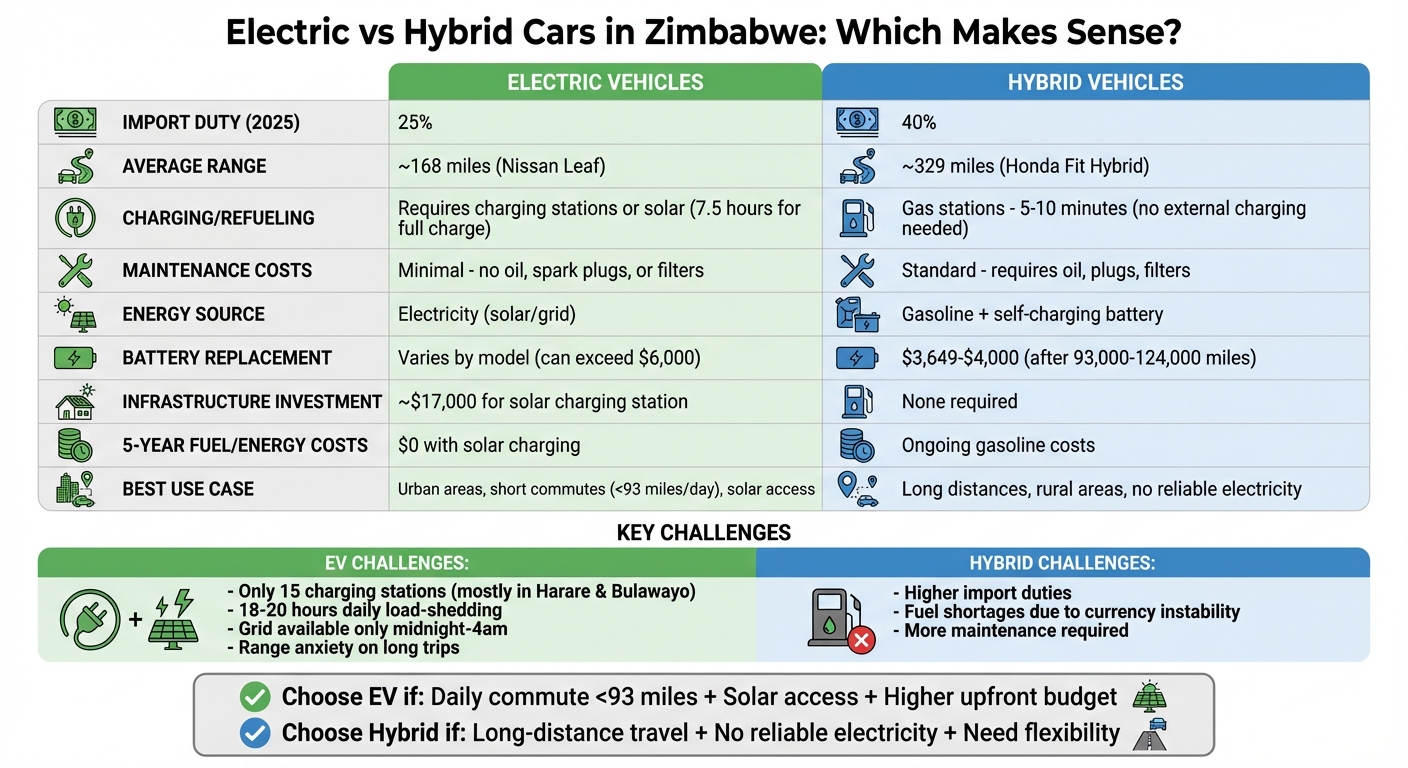
Electric vs Hybrid Cars in Zimbabwe: Complete Comparison Guide 2025
Electric Cars in Zimbabwe: Pros and Cons
How Electric Cars Work
Electric vehicles (EVs) run entirely on rechargeable batteries. These batteries power an electric motor, which drives the car’s wheels. When the battery runs low, you simply recharge it – either at home or at a public charging station. Some of the popular EV models available on EV24.africa include well-known brands like Tesla, BYD, Nissan, and Hyundai. Unlike traditional gas-powered cars, EVs have fewer moving parts. There’s no need for spark plugs, oil filters, or fuel injectors, making them mechanically simpler and easier to maintain.
Why Electric Cars Work Well in Zimbabwe
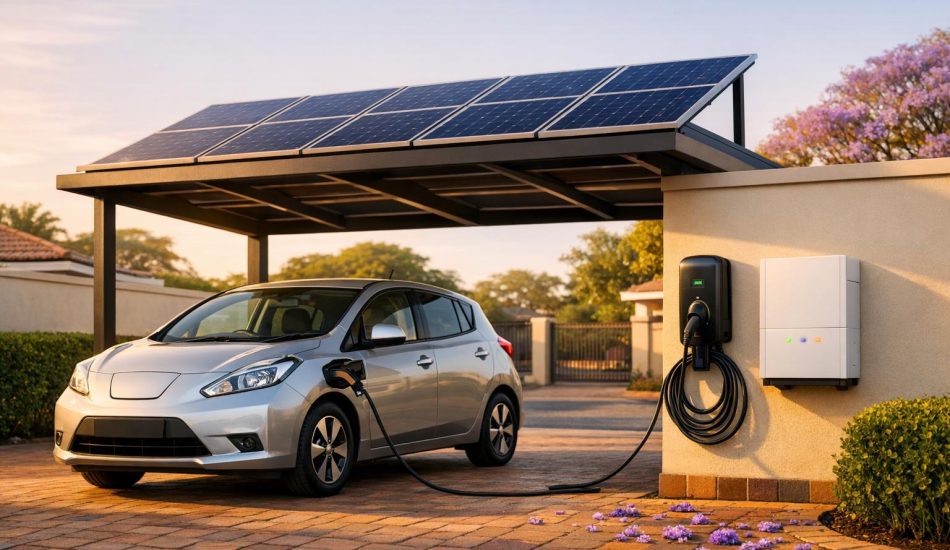
For urban driving, EVs are a practical choice. With an average range of about 168 miles, they can easily handle most daily commutes in cities. Charging at home, especially with solar power, can significantly lower running costs by reducing reliance on fuel stations. For example, a 2019 Nissan Leaf with a 40kWh battery offers enough range for city use and requires far less maintenance compared to traditional internal combustion engines.
Barriers to EV Adoption in Zimbabwe
Despite the advantages, there are notable challenges to widespread EV adoption in Zimbabwe. One of the biggest hurdles is the lack of charging infrastructure. As Valentine Muhamba from Techzim points out, "range anxiety" – the fear of running out of power before finding a charging station – is a real concern for drivers. Frequent power outages make this issue even more complicated. Muhamba explains, "a string of power outages will compromise your charging frequency".
Charging times also pose a challenge. A Nissan Leaf takes about 7.5 hours to charge fully using a standard outlet. Without fast-charging stations, long-distance travel becomes difficult. Moreover, the upfront cost of buying an EV is higher, and importing a replacement battery pack can be as expensive as purchasing a used gasoline car. These financial barriers make EVs less accessible to many in Zimbabwe.
sbb-itb-99e19e3
Hybrid Cars in Zimbabwe: Pros and Cons
How Hybrid Cars Work
Hybrid cars combine a gasoline engine with an electric motor, seamlessly switching between the two based on driving conditions. They use a system called regenerative braking to recharge the battery while driving. This means there’s no need for external charging, as the internal combustion engine also helps keep the battery charged. This feature ensures hybrids remain operational even during power outages, which is a vital consideration in Zimbabwe.
Why Hybrid Cars Work Well in Zimbabwe
Hybrids bring several benefits to drivers in Zimbabwe. Models like the Toyota Prius, Toyota Corolla Hybrid, and Honda Fit Hybrid are popular and readily available in the used car market. For instance, a 2019 Honda Fit Hybrid offers an impressive range of about 329 miles – almost double the 168-mile range of a comparable Nissan Leaf.
Refueling is quick and convenient, thanks to the many gas stations spread across the country. Additionally, local mechanics are well-versed in servicing Japanese models, which dominate the hybrid market in Zimbabwe. Valentine Muhamba from Techzim highlights their practicality:
PHEVs and HEVs… offer the best middle ground for Zimbabwe and the rest of Africa.
Drawbacks of Hybrid Cars in Zimbabwe
Despite their advantages, hybrids come with notable drawbacks. One major concern is the cost of battery replacement. Hybrid batteries typically last between 93,000 and 124,000 miles, but replacing one can cost anywhere from US$3,649 to US$4,000. If the battery fails, the car relies more heavily on the engine, which can lead to additional wear and tear.
Hybrids also require regular maintenance, such as oil changes, spark plug replacements, and filter changes – tasks that aren’t necessary with fully electric vehicles, which have fewer moving parts. Another downside is the looming import duty increase. Starting January 1, 2025, hybrid vehicles will face a 40% import duty, compared to the 25% duty on fully electric vehicles.
These pros and cons provide a foundation for understanding the broader costs and infrastructure challenges associated with hybrids in Zimbabwe.
Cost Comparison: Electric vs Hybrid
Purchase Prices and Import Duties
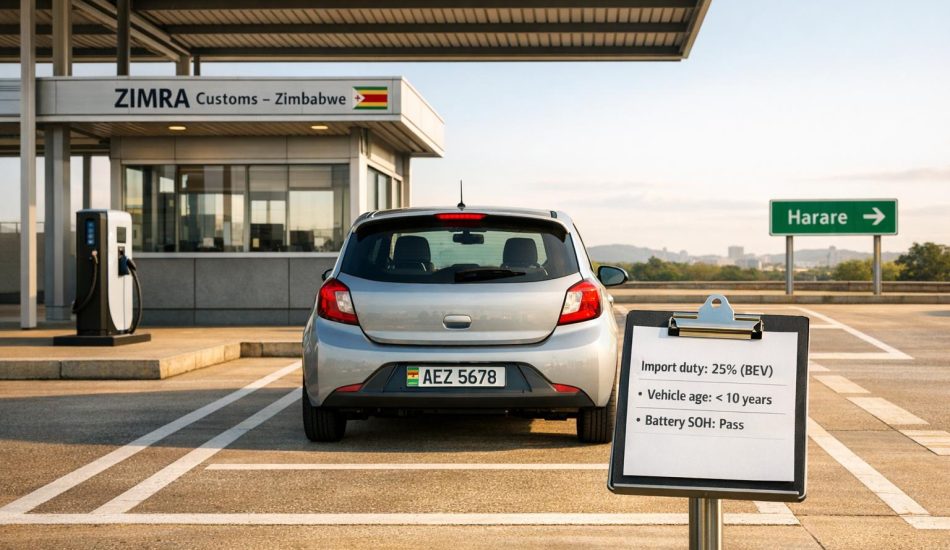
In Zimbabwe, electric and hybrid vehicles are subject to different import duties. Starting January 1, 2025, the customs duty on fully electric vehicles will drop from 40% to 25%, while hybrid cars will continue to face the standard 40% duty rate.
This reduction makes a noticeable difference. For instance, a 15% duty cut translates to $1,500 in savings on a $10,000 import. Finance Minister Mthuli Ncube explained the reasoning behind this policy shift:
"Cognisant of the need to promote use of eco-friendly vehicles, which will result in reduced carbon emissions, I propose to reduce Customs Duty on Electric Motor Vehicles, with effect from 1 January 2025."
Despite the reduced duties, electric vehicles remain pricey. The BYD Atto 3, for example, costs about $71,000 in Zimbabwe, compared to $42,000 in South Africa and $31,000 in Hong Kong. Representatives from BYD Zimbabwe emphasized:
"without tax and duty incentives, the adoption of EVs will be quite slow in Zimbabwe."
While the upfront cost is a significant factor, ownership costs over time also play a major role in decision-making.
5-Year Ownership Costs
Electric vehicles (EVs) generally have lower maintenance needs. They don’t require oil changes, spark plug replacements, or filter swaps. Additionally, charging an EV at home using solar power eliminates fuel expenses – an important advantage given the unreliable national power supply (ZESA). On the other hand, hybrids, though more fuel-efficient than traditional gas-powered cars, still depend on gasoline and require routine maintenance.
Hybrid vehicles also come with battery replacement costs, which typically range from $3,649 to $4,000 and are needed after around 93,000 to 124,000 miles. While EV batteries tend to last longer, their replacement costs can be higher depending on the model.
Infrastructure investments are another consideration. Many EV owners in Zimbabwe install solar charging systems to avoid relying on the national grid. For example, a high-capacity BYD charging station costs about $17,000. To support this transition, the government provides duty rebates on equipment for solar-powered EV charging stations.
The table below highlights the main cost differences between electric and hybrid vehicles:
| Cost Factor | Electric Vehicle | Hybrid Vehicle |
|---|---|---|
| Import Duty (2025) | 25% | 40% |
| Duty Savings (on $10,000 import) | $1,500 saved | Standard rate |
| Regular Maintenance | Minimal (no oil, filters, spark plugs) | Standard (oil, filters, spark plugs, etc.) |
| Fuel/Energy Costs | $0 with solar charging | Ongoing gasoline costs |
| Battery Replacement | Varies by model | $3,649–$4,000 |
| Infrastructure Investment | ~$17,000 for solar charging station | None required |
Infrastructure and Reliability in Zimbabwe
Charging Stations vs Fuel Stations
When it comes to green vehicles in Zimbabwe, access to infrastructure is just as important as cost. Currently, the country’s electric vehicle (EV) charging network is very limited. By late 2022, there was only one public 60 kW DC fast charger available, located at Sam Levy’s Village in Harare. This station is operated by ZUVA Petroleum and Electric Vehicle Centre Africa. By August 2024, the number of charging stations had grown slightly to around 15 private and commercial stations, including a 40kW DC fast charger at Petrotrade. However, most of these are concentrated in Harare and Bulawayo, leaving rural areas completely without public charging options.
In contrast, hybrid vehicles have the advantage of Zimbabwe’s well-established network of fuel stations, which are spread across both urban and rural areas. Refueling a hybrid is quick and convenient, typically taking just 5–10 minutes at almost any fuel station. On the other hand, charging an EV using a standard home outlet can take several hours, making it far less practical. Valentine Muhamba, Founder and CEO of dotzedw, highlighted the challenge:
"The future of EVs looks bleak, for now, according to the numbers… with rolling blackouts, few public EV charging stations and no import and vehicle licencing incentives, Zimbabweans will take longer to bite."
These gaps in charging infrastructure tie directly to the broader issues with Zimbabwe’s unreliable power grid.
Power Supply and Dependability
Zimbabwe’s power grid poses significant challenges for EV owners. The country faces 18 to 20 hours of daily load-shedding, with electricity typically available only during off-peak hours, usually between midnight and 4 am. The Kariba hydropower plant, which is the largest electricity source in Zimbabwe, has seen its output reduced to 300 MW from its original 1,050 MW capacity due to low water levels.
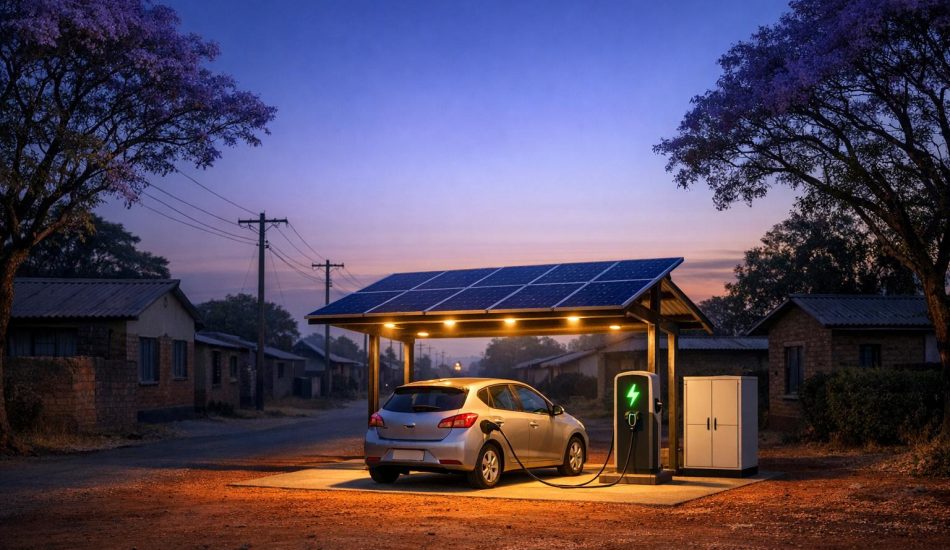
For EV owners, this means charging is only feasible during the limited midnight window. Smaller battery EVs, like the 24 kWh Nissan Leaf, can potentially be fully charged during this time. However, unstable grid voltage often extends charging times to more than 12 hours, even when electricity is available. As a result, solar backup systems are essential for many EV owners. Unfortunately, affordable solar setups often lack the capacity to fully charge a vehicle. These power supply issues significantly impact the practicality and cost-effectiveness of owning an EV in Zimbabwe.
Hybrids, while not dependent on the grid, face their own challenges. Fuel shortages, driven by currency instability and inflation, can disrupt their usability. Still, hybrids have a major advantage: their combination of an internal combustion engine and electric motor makes them far more adaptable. This is particularly important for long-distance travel or rural areas where charging infrastructure is nonexistent.
These infrastructure and reliability concerns play a key role in shaping how EVs and hybrids are perceived in Zimbabwe, especially when factoring in the environmental considerations unique to the country.
Environmental Impact in Zimbabwe
Zero Emissions vs Lower Emissions
Battery Electric Vehicles (BEVs) produce zero tailpipe emissions, while hybrids emit fewer pollutants compared to traditional gasoline-powered vehicles. This distinction is particularly relevant in urban areas like Harare and Bulawayo, where reducing exhaust fumes can significantly enhance air quality.
However, Zimbabwe’s reliance on a coal-heavy energy grid complicates the environmental benefits of EVs. As Andre Silva points out:
grid relies heavily on coal; indirect emissions remain high.
While EVs convert over 77% of grid energy into usable vehicle power – far more efficient than gasoline engines, which only achieve 12%–30% efficiency – charging with coal-based electricity diminishes some of these advantages. For urban EV owners with home solar systems, though, true zero-emission driving becomes possible.
Another concern is the environmental cost of EV battery production. Lithium mining, essential for EV batteries, generates substantial carbon emissions and environmental damage. Additionally, many EVs imported into Zimbabwe are 8–12 years old, often with aging batteries. With limited recycling infrastructure for lithium-ion batteries, these batteries frequently end up in landfills. Gifty Mawache, an Independent Geographer, highlights the risks:
Improperly disposed of EV batteries can lead to fires, toxic chemical releases, and contamination of soil and water.
Failing to properly manage these batteries not only increases the risk of fires but also introduces harmful chemicals into the environment. These impacts, however, vary depending on local driving conditions and energy sources.
Urban vs Rural Suitability
Beyond emissions, the practicality of EVs and hybrids depends heavily on the specific region. In urban settings, EVs shine for drivers with access to solar charging systems. By bypassing the coal-powered grid, urban EV owners can eliminate both tailpipe and indirect emissions, achieving energy independence while improving air quality.
In rural areas, hybrids often prove more practical. Limited charging infrastructure outside major cities makes hybrids a better fit for long-distance travel, as they can rely on traditional gas stations. As the U.S. Environmental Protection Agency notes:
energy efficiency is the most cost-effective way to address climate change.
Given Zimbabwe’s current infrastructure and energy challenges, hybrids offer a reliable solution for rural drivers. Balancing environmental concerns with practicality, the choice between EVs and hybrids ultimately depends on the region’s infrastructure and energy availability.
Petrol vs Diesel vs Hybrid vs Electric. Buying pre-owned cars in Zimbabwe EP1
Which Option Makes Sense for Zimbabwe?
When weighing the costs, infrastructure, and other local factors, the decision between electric and hybrid vehicles in Zimbabwe comes down to your specific needs. Consider your driving habits, access to electricity, and budget before making a choice. The challenges of power instability and limited charging infrastructure are key factors to keep in mind.
Electric vehicles are ideal if your daily commute is under 93 miles, you have access to solar power as a backup, and you can handle the higher upfront investment. Thanks to reduced import duties, models like the Nissan Leaf (priced between $18,000 and $22,000) or the Kia Soul EV ($16,000–$20,000) become more financially accessible. Charging with solar energy not only reduces reliance on fuel but also leads to significant long-term savings on running costs.
On the other hand, hybrid vehicles are a better fit for those who frequently travel longer distances, lack reliable electricity, or prefer the convenience of traditional fuel stations. Although hybrids face higher import duties, with a Toyota Prius Plug-in costing $22,000–$26,000 landed, they offer flexibility and eliminate concerns about range. Plus, they align well with Zimbabwe’s current infrastructure. Automotive expert Andre Silva explains:
Unless you plan to charge regularly and stay within 150 km per day, a BEV may create more hassle than benefit.
Regardless of your choice, ensure any electric vehicle you import has a battery State of Health (SOH) above 80%, as replacing the battery could cost over $6,000. For more options and financing details, visit EV24.africa to find the right vehicle for your needs.
FAQs
How much solar power do I need to charge an EV at home in Zimbabwe?
To charge an EV at home in Zimbabwe, you’ll need a solar power system capable of producing about 6–7 kWh of energy daily. The specific setup you’ll require depends on your EV’s battery capacity and your daily driving distance. Generally, a reasonably sized solar system can handle this energy need, offering a convenient way to power your vehicle at home.
What should I check about battery health before buying a used EV or hybrid?
When purchasing a used EV or hybrid, it’s crucial to assess the battery health since it directly impacts performance and longevity. For EVs, focus on the battery’s capacity and any signs of degradation. It’s also wise to check its service history and whether the warranty is still valid. For hybrids, go a step further by examining maintenance records and inspecting both the electric motor and the fuel system. A thorough review can help you make a dependable choice and steer clear of unexpected expenses.
Which option is better if I travel outside Harare and Bulawayo often?
If you frequently travel beyond Harare and Bulawayo, a hybrid car – particularly a plug-in hybrid – might be a smarter option. These vehicles can handle short city drives using electric power alone, while their hybrid engines are perfect for longer trips. This combination works well in regions with fewer charging stations or inconsistent electricity, making hybrids a practical choice for Zimbabwe’s rural areas.