
 Thabo Nkosi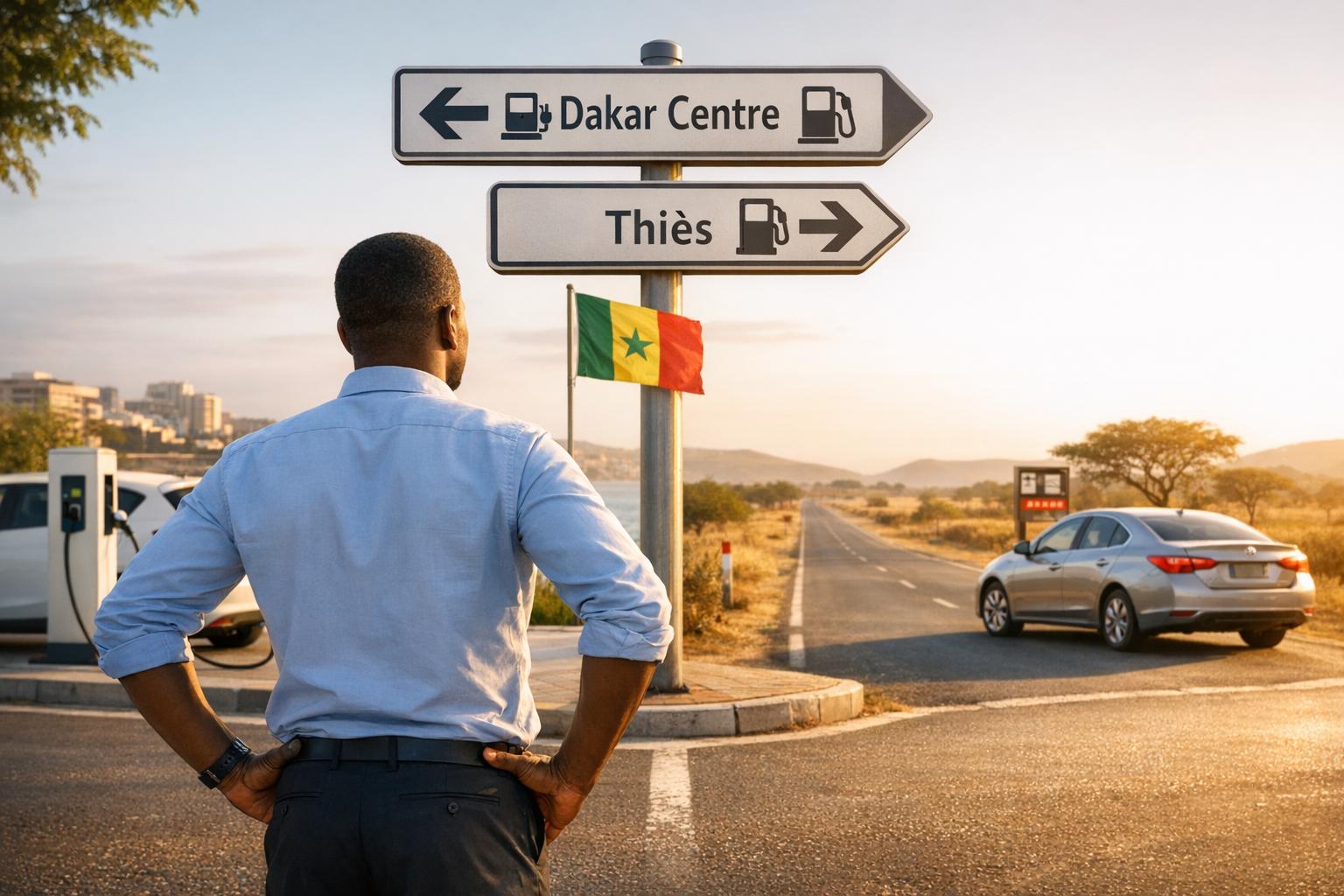
Hybrid cars are currently the better choice for most drivers in Senegal. While electric vehicles (EVs) offer lower emissions and reduced long-term costs, hybrids are more practical given Senegal’s limited EV charging infrastructure and rural electricity access. Here’s why:
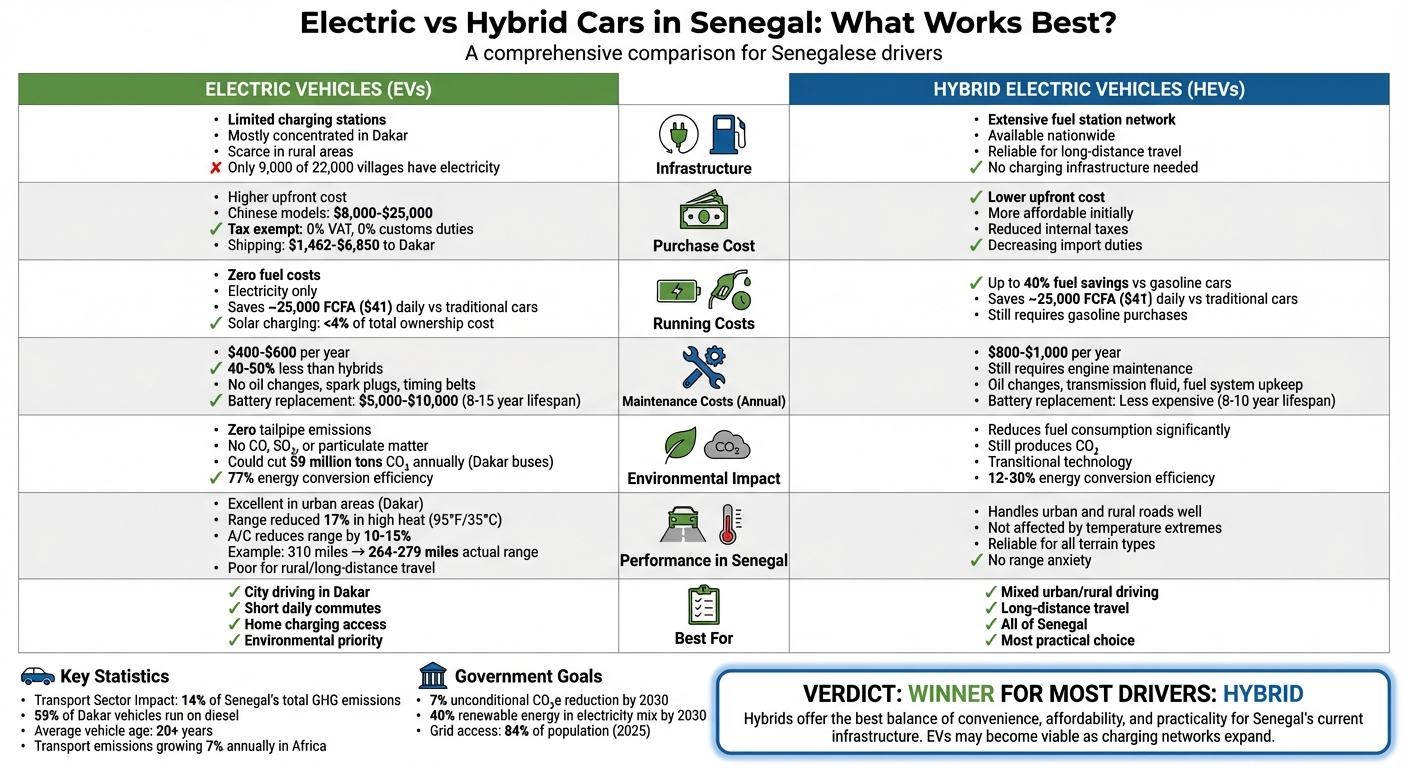
- Charging Infrastructure: EV charging stations are concentrated in Dakar, with scarce options in rural areas. Hybrids rely on Senegal’s extensive fuel station network, making them more reliable for long-distance or rural travel.
- Cost: EVs have lower maintenance costs but higher upfront prices. Hybrids offer fuel savings and are more affordable initially.
- Performance: Hybrids handle Senegal’s mix of urban and rural roads better. EVs perform well in cities but face challenges like reduced range in extreme heat.
- Environmental Impact: EVs produce no tailpipe emissions, but hybrids still reduce fuel consumption significantly, making them a good interim solution.
For urban drivers with access to charging, EVs can work. But for most, hybrids offer a balance of convenience, affordability, and practicality.
Quick Comparison
| Feature | Electric Vehicles (EVs) | Hybrid Vehicles (HEVs) |
|---|---|---|
| Infrastructure | Limited charging stations, mostly in Dakar | Extensive fuel station network |
| Cost | Higher upfront cost, lower maintenance | Lower upfront cost, moderate maintenance |
| Performance | Best for urban areas, range affected by heat | Handles rural and urban roads well |
| Environmental Impact | Zero tailpipe emissions | Reduces fuel consumption |
| Best For | City driving with charging access | Mixed urban and rural driving |
Hybrids are the more practical choice for Senegal’s current conditions. EVs may become more viable as infrastructure improves.
Electric vs Hybrid Cars in Senegal: Complete Comparison Guide
Senegal embraces electric cars to fight pollution in Dakar • FRANCE 24 English
sbb-itb-99e19e3
Charging Stations and Fuel Access in Senegal
Infrastructure plays a key role in deciding between electric and hybrid vehicles in Senegal, with stark differences in accessibility and convenience.
EV Charging Station Availability
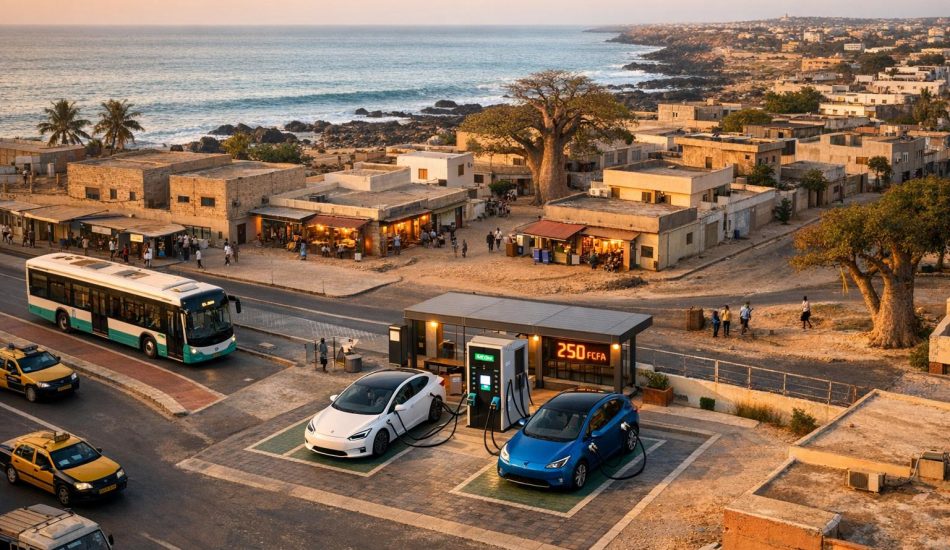
In Senegal, electric vehicle (EV) charging stations are mostly concentrated in Dakar. The capital offers a mix of public Level 1-2 chargers (up to 50 kW), faster DC Level 3 chargers, and even some shared home charging options. Popular destinations like Pink Lake (Lac Rose) and Bandia Reserve also have charging facilities. However, once you venture beyond these areas, charging stations become increasingly rare. This scarcity highlights the challenges of relying on EVs for travel outside urban hubs. It’s always a good idea to confirm the availability of charging stations before planning trips to less populated regions.
The country’s power grid poses additional hurdles. By 2025, grid access reached about 84% of the population, but rural electrification remains a challenge. As of early 2026, only 9,000 of Senegal’s 22,000 villages had electricity. Efforts like ASER and AEE Power’s recent project to connect nine rural communities in Linguere are steps forward, but they barely scratch the surface of what’s needed.
"The transition towards EVs in SSA still faces significant challenges… Particularly, the absence of clear policies and regulations… poor electricity networks, and the scarcity of public e-charging stations are the primary impediments." – ScienceDirect
Charging costs can also be unpredictable. Many users rely on PlugShare’s "PlugScores" for station reliability, but some stations lack upfront pricing details, making it harder to budget for charging.
Fuel Stations for Hybrid Vehicles
Hybrid vehicles, on the other hand, benefit from Senegal’s extensive network of traditional fuel stations. These stations are widely available in both urban centers and rural areas, offering a level of convenience EV owners can’t yet enjoy. This accessibility makes hybrids a practical choice for long-distance travel and driving in regions where charging infrastructure is underdeveloped.
Unlike EV drivers – who must navigate issues like connector compatibility and station availability – hybrid owners can rely on a consistent petroleum distribution network across the country. For those in areas with limited electricity or charging options, this is a major advantage.
The next sections will explore how these infrastructure differences affect costs and vehicle performance.
Price Comparison: Purchase Costs, Running Expenses, and Savings
Initial Purchase Prices
The upfront cost of buying an electric or hybrid vehicle in Senegal is a significant barrier for many buyers. In African markets, financing can nearly double the sticker price. For example, a $15,000 car might end up costing close to $30,000 once financing is factored in.
Chinese-made electric vehicles (EVs) are priced similarly to entry-level gasoline cars. In China, nearly 40% of electric models are available for under $25,000, with some smaller city EVs, like the MG Comet, priced as low as $8,000. On the other hand, plug-in hybrids in more developed markets often come with a price premium of 35% to 50% compared to traditional vehicles. However, some Chinese hybrid models have already achieved price parity. A recent drop in battery prices – over 25% between 2023 and 2024 – could further lower EV costs.
While the initial purchase price is a key consideration, long-term savings in fuel and maintenance could tip the scales in favor of greener vehicles.
Fuel Costs vs. Electricity Costs
When it comes to running costs, the story shifts. Hybrid vehicles can reduce fuel consumption by up to 40% compared to gasoline-only cars, offering substantial savings. Fully electric vehicles go a step further by eliminating fuel costs entirely, relying solely on electricity. In Senegal, eco-friendly vehicles can save drivers around 25,000 FCFA (approximately $41) per day compared to traditional fuel-powered cars.
"Our hybrid vehicles reduce your fuel consumption by up to 40%, while our 100% electric models completely eliminate this expense." – YouSenegal
However, it’s worth noting that air conditioning, a necessity in Senegal’s hot climate, can reduce an EV’s driving range by 10–15%. For those using solar-powered off-grid charging systems, charging costs typically make up less than 4% of the total cost of ownership.
While fuel and electricity costs are crucial, maintenance expenses are another key factor in determining overall affordability.
Maintenance and Repair Expenses
Electric vehicles generally cost 40% to 50% less to maintain than hybrids in Senegal’s demanding conditions. Annual maintenance costs for EVs typically range from $400 to $600, compared to $800 to $1,000 for hybrids. EVs avoid many of the routine maintenance tasks required for traditional vehicles, such as oil changes, spark plug replacements, timing belt adjustments, and exhaust system repairs .
"Fewer parts mean lower upkeep, eliminating common tasks like oil changes."
Hybrids, however, combine a gasoline engine with an electric motor, meaning owners still face costs for items like transmission fluid, fuel system upkeep, and engine cooling . Both hybrids and EVs benefit from regenerative braking, which extends the life of brake pads, but EVs rely on it more heavily. This reliance, combined with the heavier weight of EVs, leads to faster tire wear and more frequent rotations.
Battery replacement is another consideration. EV batteries typically last 8 to 15 years and cost between $5,000 and $10,000 to replace. Hybrid batteries are less expensive but usually have a shorter lifespan of 8 to 10 years.
To address concerns about maintenance and support, companies like LOXEA Senegal are stepping in with integrated leasing options. These plans include maintenance, 24/7 roadside assistance, and access to charging networks, making EV ownership more accessible.
Emissions and Climate Impact
EV Emissions Profile
Electric vehicles (EVs) bring a significant advantage by eliminating harmful exhaust emissions like carbon monoxide (CO), sulfur oxide (SO₂), and particulate matter (PM). These pollutants are a major contributor to Senegal’s urban air quality crisis, especially given the country’s aging vehicle fleet, which averages over 20 years old and relies almost entirely on fossil fuels. In Dakar, where about 59% of vehicles run on diesel, EVs can make a noticeable difference in improving air quality.
"Electric vehicles produce no exhaust fumes therefore significantly reducing air pollution generation in comparison with fossil fuel engine alternatives leading to healthier and cleaner air." – KliK Foundation
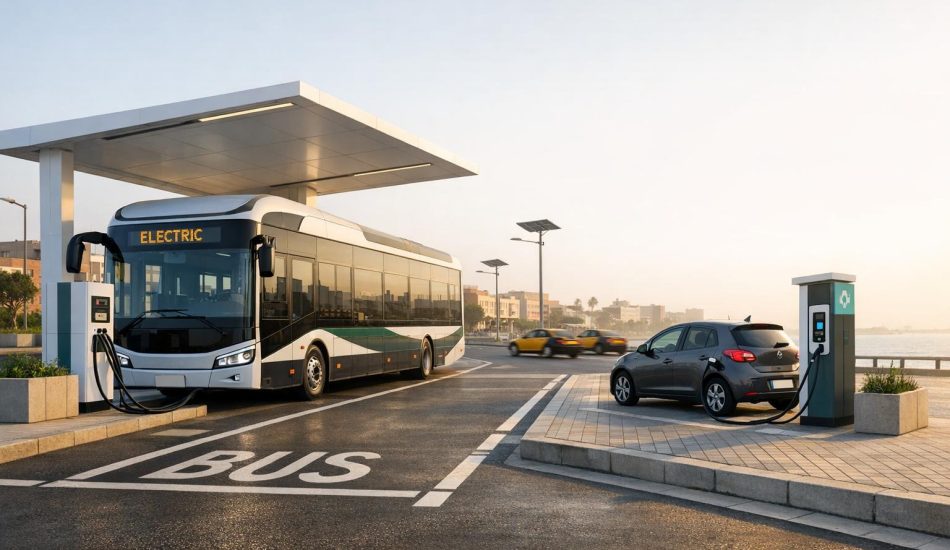
The transport sector in Senegal is responsible for 14% of the country’s total greenhouse gas emissions. Deploying electric buses in Dakar alone could cut emissions by approximately 59 million tons of CO₂ annually when compared to diesel buses. This aligns with Senegal’s Nationally Determined Contributions (NDC), which aim for an unconditional 7% reduction in CO₂e emissions by 2030.
However, the environmental benefits of EVs depend heavily on the electricity mix. In regions where coal dominates power generation, EVs may not significantly outperform traditional vehicles in terms of emissions. Senegal is addressing this by committing to increase renewable energy to 40% of its electricity mix by 2030 under the Just Energy Transition Partnership.
While EVs achieve zero tailpipe emissions, hybrids remain a practical interim solution for Senegal as its infrastructure evolves.
Hybrid Vehicle Emissions
Hybrids act as a transitional technology for Senegal, offering lower emissions without requiring the immediate development of a widespread charging infrastructure. Although hybrids still produce CO₂, they are cleaner than conventional gasoline vehicles and are particularly useful in areas where electricity supply is unreliable or charging stations are scarce.
Africa’s transport emissions are growing at an alarming 7% annually, with projections showing a rise from 90 MtCO₂eq in 2020 to 180 MtCO₂eq by 2030. Hybrids, which consume less fuel and use smaller batteries (resulting in lower production emissions), could help slow this trend. For Senegalese commercial drivers, who make up a significant portion of motorized trips, hybrids provide an immediate way to cut emissions while the country works on expanding its charging network and strengthening its energy grid.
How EVs and Hybrids Perform in Senegal
Road Quality and Terrain Handling
Senegal’s roads present a mix of conditions, from smooth urban streets to rugged rural paths. In cities like Dakar, where paved roads dominate, both electric vehicles (EVs) and hybrids perform well. EVs, in particular, shine in urban settings thanks to their instant torque and smooth acceleration, which are ideal for stop-and-go traffic. Plus, their regenerative braking system helps recover energy during deceleration, adding to their efficiency.
However, the story changes in rural areas like Sine Saloum and the Petite Côte. These regions often feature unpaved or uneven roads, making hybrid SUVs a more practical choice. Hybrids can seamlessly switch to gasoline when needed, offering the flexibility required for longer trips or challenging terrain. Popular models such as the Toyota Land Cruiser, Kia Sportage, and Suzuki Vitara are well-suited for these conditions and come at competitive prices. While EVs thrive in urban and peri-urban areas with accessible charging stations, the limited charging infrastructure in rural Senegal makes hybrids a more reliable option.
Heat and Battery Performance
Senegal’s climate adds another layer of complexity to vehicle performance, especially for EVs. High temperatures, which often reach 95°F (35°C), can reduce an EV’s range by about 17% due to faster battery degradation. In extreme heat, such as temperatures nearing 122°F (50°C) in parts of sub-Saharan Africa, this range loss becomes even more pronounced.
Using air conditioning in such heat further impacts EV range, cutting it by 10%–15%. For example, an EV with a stated range of 310 miles (500 km) might realistically deliver closer to 264–279 miles (425–450 km) when factoring in air conditioning use. This means careful planning is essential for EV trips in these conditions. Hybrids, on the other hand, rely on their gasoline engines to maintain performance, making them less affected by temperature extremes.
Despite these challenges, EVs still maintain a significant edge in efficiency. They convert over 77% of electrical energy into power for the wheels, far surpassing internal combustion engines, which manage only 12% to 30%. This efficiency highlights how EVs can still offer advantages, even in the face of environmental hurdles in Senegal.
Vehicle Availability and Financing Options
Models Available and Current Prices
Senegal’s market for EVs and hybrids is steadily expanding, with platforms like EV24.africa making it easier for buyers to access these vehicles. Popular brands include Tesla, BYD, Volkswagen, XPeng, Leapmotor, Mercedes-Benz, and Toyota (for hybrids). While local dealerships primarily focus on traditional cars, EV24.africa handles the entire import process for EVs and hybrids. This includes sourcing, customs clearance, and registration. Buyers can choose between Delivered Duty Paid (DDP) for a fully managed import experience or Free on Board (FOB) for more control over the process.
The 2025 Finance Act has introduced tax breaks to encourage EV adoption. Fully electric vehicles are exempt from VAT, customs duties, and internal taxes, making them more affordable. Hybrids benefit from reduced internal taxes and decreasing import duties, while traditional vehicles still face a hefty 58% duty based on their Cost, Insurance, and Freight (CIF) value.
"The government of Senegal has taken the initiative to exempt 100% electric vehicles from VAT and customs duties." – Le Monde
Shipping costs from the U.S. to Dakar depend on the method. Roll-on/Roll-off (RoRo) shipping ranges from $1,462 to $1,842, while container shipping costs between $3,230 and $6,850. However, vehicles older than 8 years cannot be imported. Additionally, EVs must include a Material Safety Data Sheet for their lithium-ion battery and a VIN label on the windshield to qualify for tax exemptions.
This supportive financial framework aligns with Senegal’s goals for cleaner mobility and infrastructure development, making EV ownership increasingly accessible.
Payment Plans and Government Support
The combination of tax exemptions and flexible financing options is making EVs more affordable for Senegalese buyers. By eliminating VAT, customs duties, and internal taxes, the government has significantly reduced the upfront cost of EVs. Lower shipping expenses further enhance affordability. On top of that, EV owners can save around 25,000 FCFA per day on fuel costs, adding to the long-term financial appeal of going electric.
Which Vehicle Type Works Best in Senegal
The best vehicle for you in Senegal depends largely on your driving patterns and where you live. For most drivers across the country, Hybrid Electric Vehicles (HEVs) are the most practical choice. Since they recharge their batteries while driving, they don’t rely on dedicated charging stations. This makes them ideal for both city streets and rural roads. Plus, they significantly cut down on fuel usage, which is a big win for your wallet and the environment.
For those living in Dakar, Plug-in Hybrids (PHEVs) might be a better fit, especially if you have occasional access to charging. These vehicles let you drive short distances using electricity alone, but they switch to a gasoline engine for longer trips. This combination makes them a good option for city dwellers looking to reduce emissions without worrying about running out of power.
On the other hand, fully electric vehicles (BEVs) face challenges in Senegal. Charging infrastructure is scarce, particularly outside Dakar, and even within the city, charging stations are few and far between. However, if you’re based in Dakar, have reliable home charging, and mostly drive short distances, a BEV could work for you. They offer zero tailpipe emissions and lower operating costs, but their practicality is limited by the current lack of charging options.
For those who frequently travel between cities or venture into rural areas, HEVs remain the most convenient and budget-friendly choice. They eliminate the need to plan charging stops and are well-suited to Senegal’s existing infrastructure.
Given the current challenges with charging networks and costs, hybrids strike the best balance between practicality, affordability, and environmental impact. While electric vehicles may become a more realistic option as charging networks grow, that shift is still in progress. For now, hybrids are the most versatile and user-friendly option for Senegalese drivers.
FAQs
Can I rely on an EV outside Dakar?
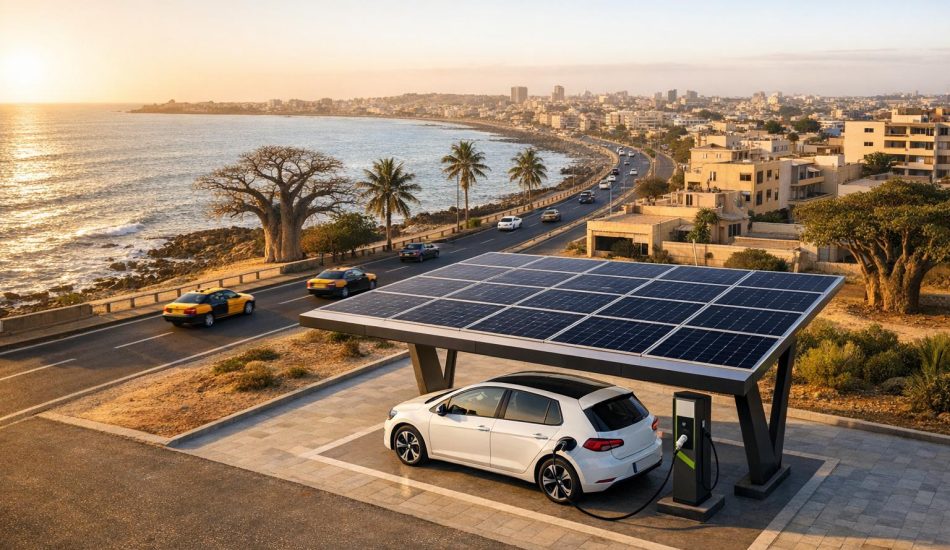
EVs are starting to make more sense beyond Dakar, thanks to growing infrastructure and off-grid solar charging options. That said, rural areas can still pose challenges, particularly with limited charging access. With careful planning – like incorporating solar-powered charging setups or hybrid systems – EVs can still work as a solution outside cities. Gradual improvements in infrastructure are steadily boosting EV reliability throughout Senegal.
How much money can I save with a hybrid or EV?
In Senegal, electric vehicles (EVs) present a compelling case for long-term savings, thanks to their lower fuel and maintenance expenses. Charging an EV costs approximately $0.06 per kWh, which translates to fuel savings of over $4,600 over five years. However, hybrids also offer a practical alternative. With upfront costs ranging between $18,000 and $28,000, hybrids reduce fuel consumption and emissions without relying on an extensive charging network. While EVs deliver the greatest savings, hybrids remain a smart option for regions where charging stations are scarce or electricity supply is inconsistent.
Does Senegal’s heat reduce EV range a lot?
Senegal’s hot climate poses a challenge for electric vehicles (EVs), as high temperatures – especially those exceeding 95°F (35°C) – can lead to reduced battery efficiency. When it’s this hot, the resistance within EV batteries increases, causing them to discharge faster and potentially lose capacity over time.
In cities like Dakar, the issue is even more pronounced. Urban heat islands – where localized temperatures can spike 5–15°F higher than surrounding areas – intensify the problem. This makes managing EV performance in Senegal’s urban environments particularly difficult during peak heat conditions.