
 Thabo Nkosi
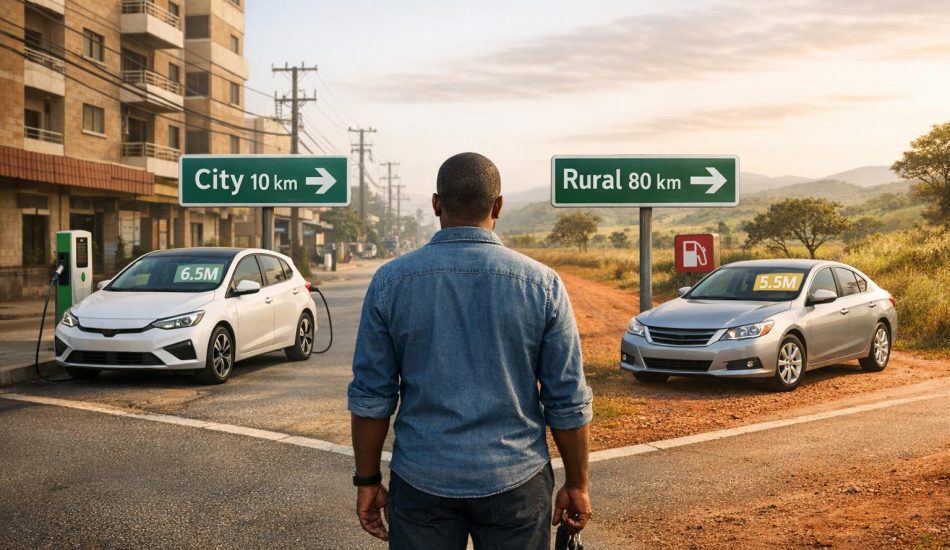
Electric vehicles (EVs) are becoming more accessible in Africa in 2025, thanks to improved charging infrastructure, government incentives, and affordable models. With prices starting as low as $4,000, options like the ROX Micro-EV and BYD Dolphin are making EV ownership possible for more people. However, challenges like limited charging networks and rough road conditions mean buyers must carefully consider their options.
Key Points:
- Affordable Models: BYD Dolphin ($11,800) and ROX Micro-EV ($4,000) cater to budget-conscious buyers.
- Driving Range: Models like the Tesla Model Y (330 miles) and Volkswagen ID.4 (275 miles) are ideal for long trips.
- Road Durability: SUVs like the Hyundai Kona Electric and Volkswagen ID.4 offer better ground clearance for rough roads.
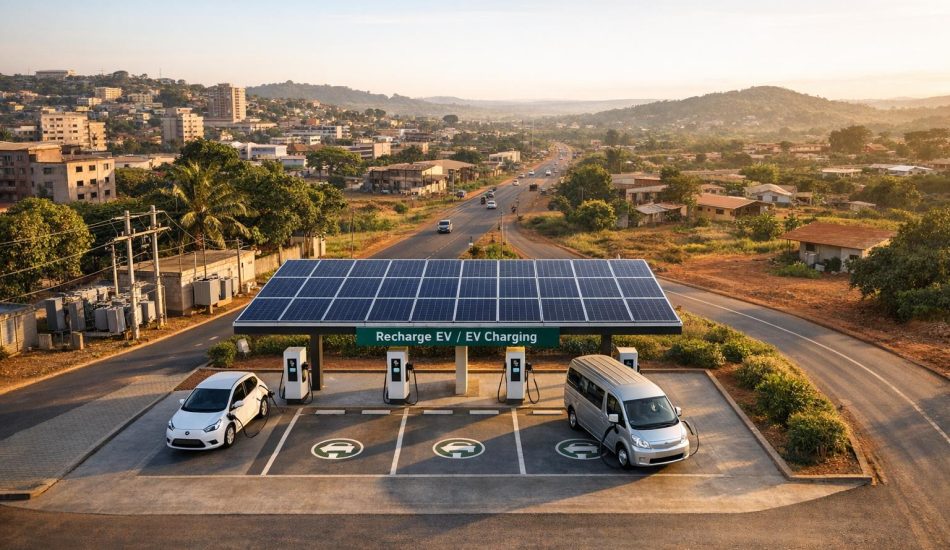
- Charging Access: Home charging remains essential, as public charging infrastructure is still developing in many regions.
Quick Comparison:
| Model | Price (USD) | Range (miles) | Best For |
|---|---|---|---|
| Tesla Model Y | $50,000–$65,000 | 330 | Long trips, highways |
| BYD Dolphin | $11,800 | 265 | Daily urban driving |
| Hyundai Kona Electric | $38,000–$44,000 | 299 | Versatile everyday use |
| Volkswagen ID.4 | $40,000–$48,000 | 275 | Family trips, comfort |
| ROX Micro-EV | $4,000–$6,000 | 75 | Short city trips |
For a more detailed breakdown of each model, including pricing, performance, and suitability for African roads, read on.
Top 10 Electric Cars for Africa 2025: Price, Range & Best Use Comparison
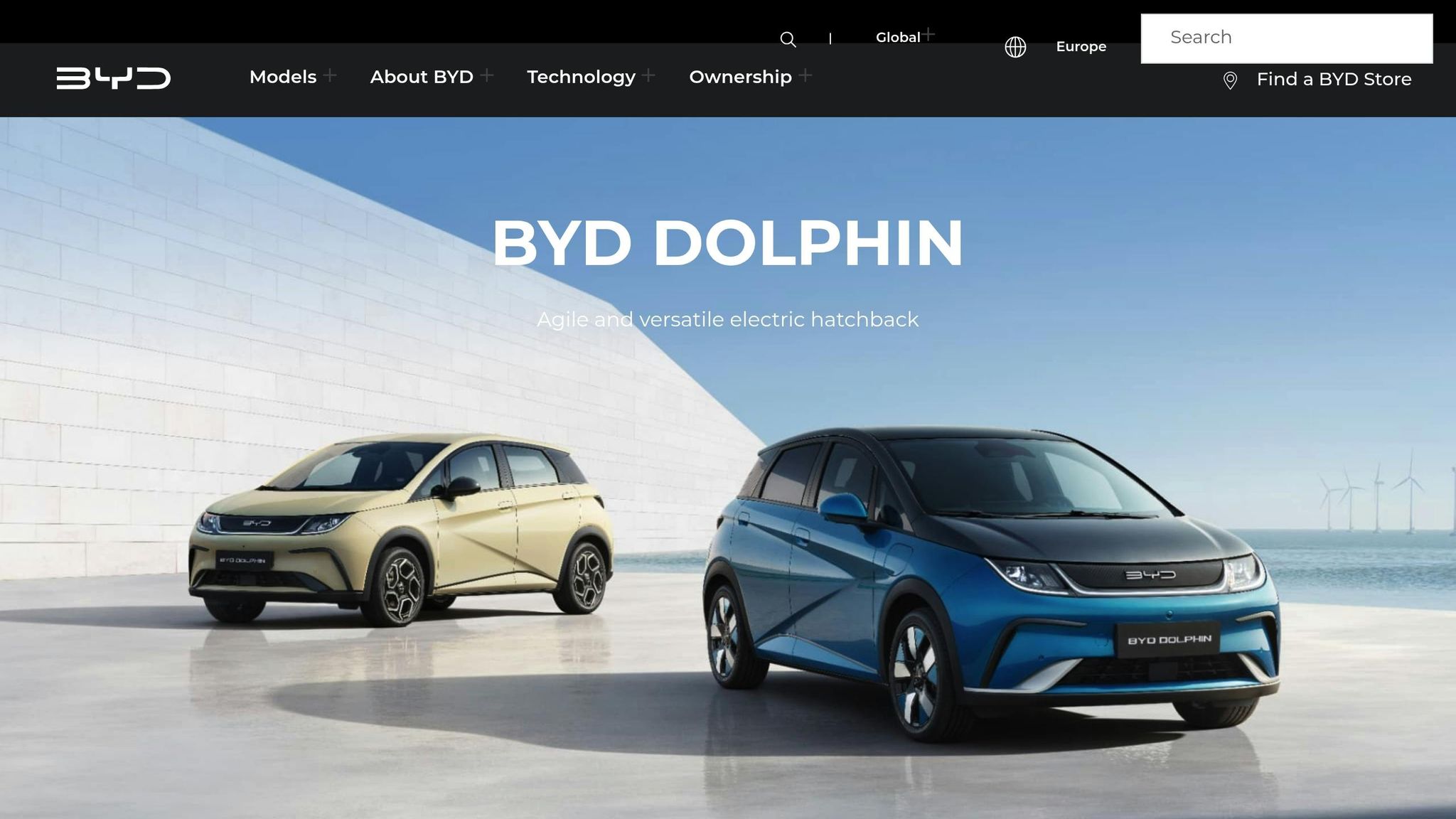
2025 BYD Dolphin Surf | New Electric Hatchback for South Africa
How to Choose an Electric Car in Africa
Selecting an electric vehicle (EV) in Africa requires balancing infrastructure challenges with practical design features. The charging infrastructure should be your top priority. In most cases, African EV owners will depend on home charging, either through standard wall outlets or solar-inverter systems. Without consistent home electricity, owning an EV becomes nearly impossible. It’s also important to note that charging an EV takes significantly longer than refueling a gasoline car – typically requiring overnight charging. These limitations make it essential to consider other key factors carefully.
Road conditions are another major consideration. Look for EVs with higher ground clearance and durable builds. Many African roads are riddled with potholes, unpaved stretches, and rough terrain that can damage vehicles with low ground clearance. Additionally, extreme weather conditions, such as heat and humidity, can affect battery performance and the overall lifespan of the vehicle. EVs equipped with advanced cooling systems are better suited to handle these challenges, ensuring consistent range and reliability even in tough environments.
The battery quality of an EV plays a crucial role in controlling long-term costs. Replacing a battery is expensive, so it’s wise to choose a vehicle backed by a solid global warranty. Check the manufacturer’s policy on battery degradation and ensure the warranty applies to your country. Well-established brands often provide better warranty coverage, offering peace of mind and protecting your investment over time.
Finally, consider the impact of import duties and local assembly on pricing. For instance, imported Teslas in Nigeria can cost over $250,000, while locally assembled models like the Jet EV are priced around $137,500. Investigate whether your country offers tax breaks or reduced import duties for EVs. Understanding these financial factors will help you identify the most affordable and practical options for your market.
1. Tesla Model Y
The Tesla Model Y continues to dominate as a global favorite, making it an appealing option for buyers across Africa. That said, pricing in African markets can fluctuate significantly due to local taxes and import duties.
When it comes to range and charging, specifics tailored to African conditions are scarce. Public charging infrastructure remains sparse across the continent – only 17% of African countries have at least 10 public charging stations, and just 8 out of 48 assessed nations boast reliable electrical grids. This underscores the importance of dependable home charging setups for most buyers.
Performance reviews for the Model Y on rugged terrain are limited. However, recent feedback highlights noticeable strides in ride quality, energy efficiency, and interior comfort. While these improvements enhance its appeal, the Model Y’s ability to fully adapt to Africa’s varied and often challenging landscapes is still a work in progress.
Given the existing infrastructure challenges, charging compatibility is a critical factor. Charging options differ by location. Countries like South Africa, Morocco, and Mauritius are making strides in expanding their charging networks. Still, for the majority of African buyers, home charging remains the most practical solution.
2. BYD Dolphin
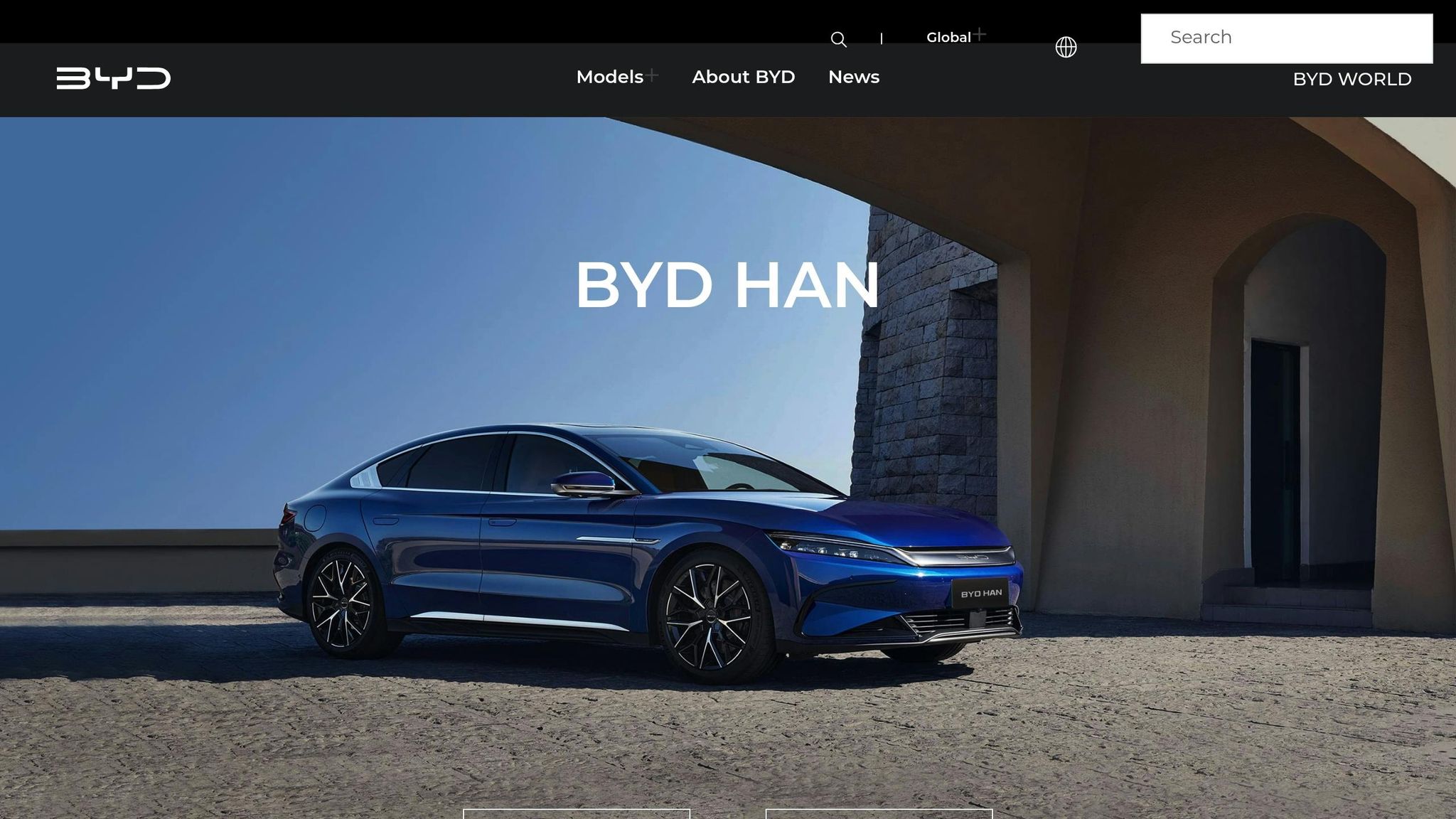
The BYD Dolphin secured the ninth spot globally among electric models from January to September 2025, with an impressive 162,744 units sold during that period. In September alone, it added another 27,723 units to its tally worldwide. These numbers showcase its growing popularity, though specific details about its performance in local markets may need further exploration.
When it comes to pricing and availability in Africa, information is limited. To get the most accurate and up-to-date details, it’s best to reach out to local dealerships.
While the sales figures are noteworthy, information about the Dolphin’s performance is harder to come by. Details such as its driving range, ground clearance, and build quality – especially for conditions in Africa – are not widely available. Potential buyers should consider arranging local test drives and consulting current owners to determine if the vehicle suits their daily needs.
Another key factor to consider is charging infrastructure. In many parts of Africa, public charging networks are still in the early stages of development. For this reason, home charging might be the most practical option for many owners.
3. BYD Atto (Yuan Plus)
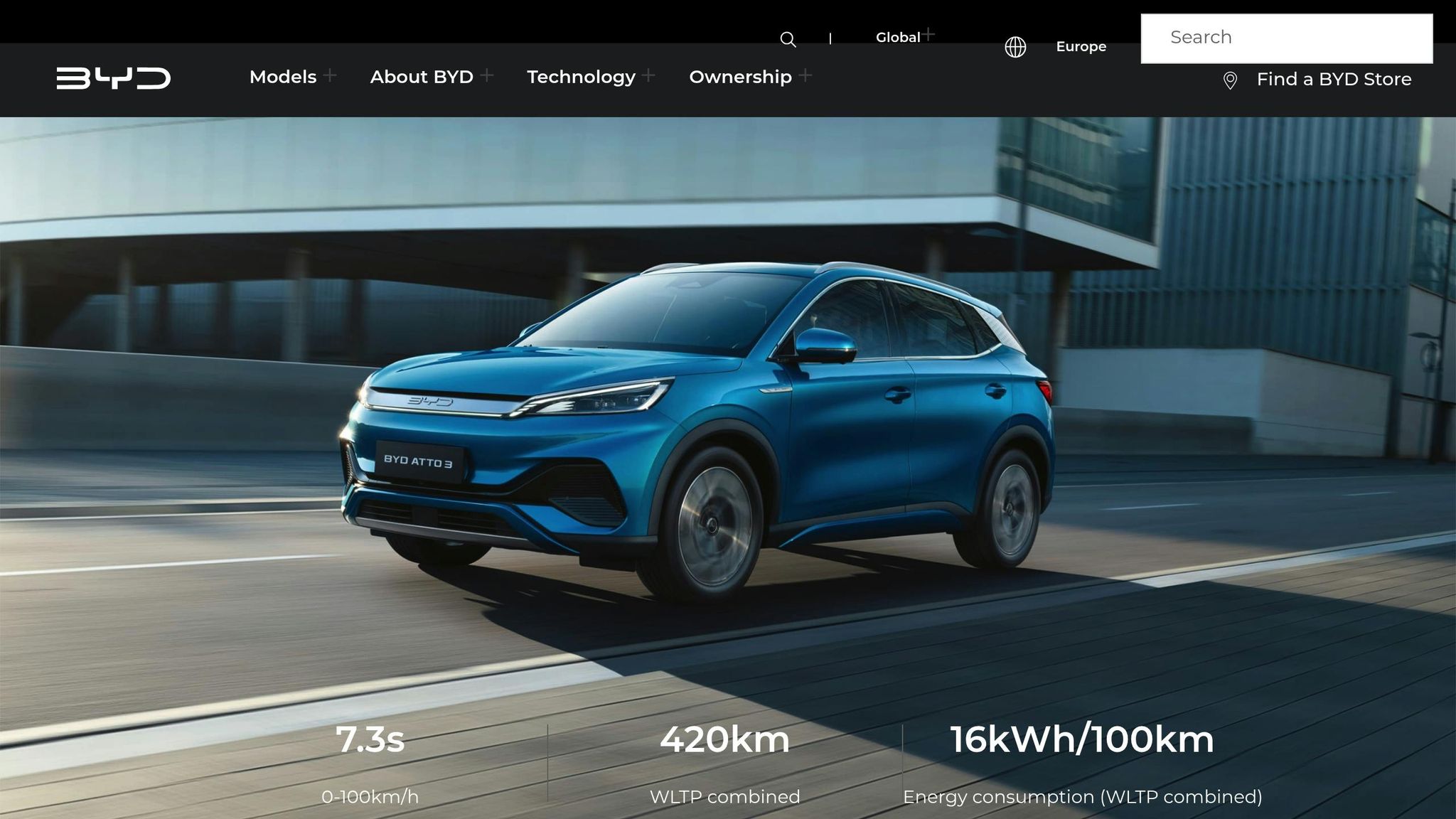
The BYD Atto 3, also called the Yuan Plus, has made a solid mark in the global electric vehicle (EV) market. Between January and September 2025, it recorded 184,300 units sold worldwide, earning it the title of the seventh most popular all-electric model globally and securing a 1.9% share of the global BEV market. Impressively, this model contributed to 6.3% of BYD’s total EV sales during that time, showcasing its importance within the company’s lineup.
One of its standout features is the inclusion of a heat pump as standard equipment. This addition boosts efficiency, especially in Africa’s diverse climates, making it a practical choice for drivers who frequently face varying temperature conditions across the region.
When it comes to pricing and availability in Africa, the details remain uncertain. Interested buyers should reach out to local dealerships for the latest information. Beyond pricing, key performance metrics like driving range, ground clearance, and charging speed are not fully detailed. To get a better sense of how the Atto 3 performs on African roads, potential buyers are encouraged to schedule test drives and gather feedback from current owners.
Given the limited public charging infrastructure in many parts of Africa, home charging is likely to be the most dependable option for most owners, at least until the charging network develops further across the continent.
4. Hyundai Kona Electric
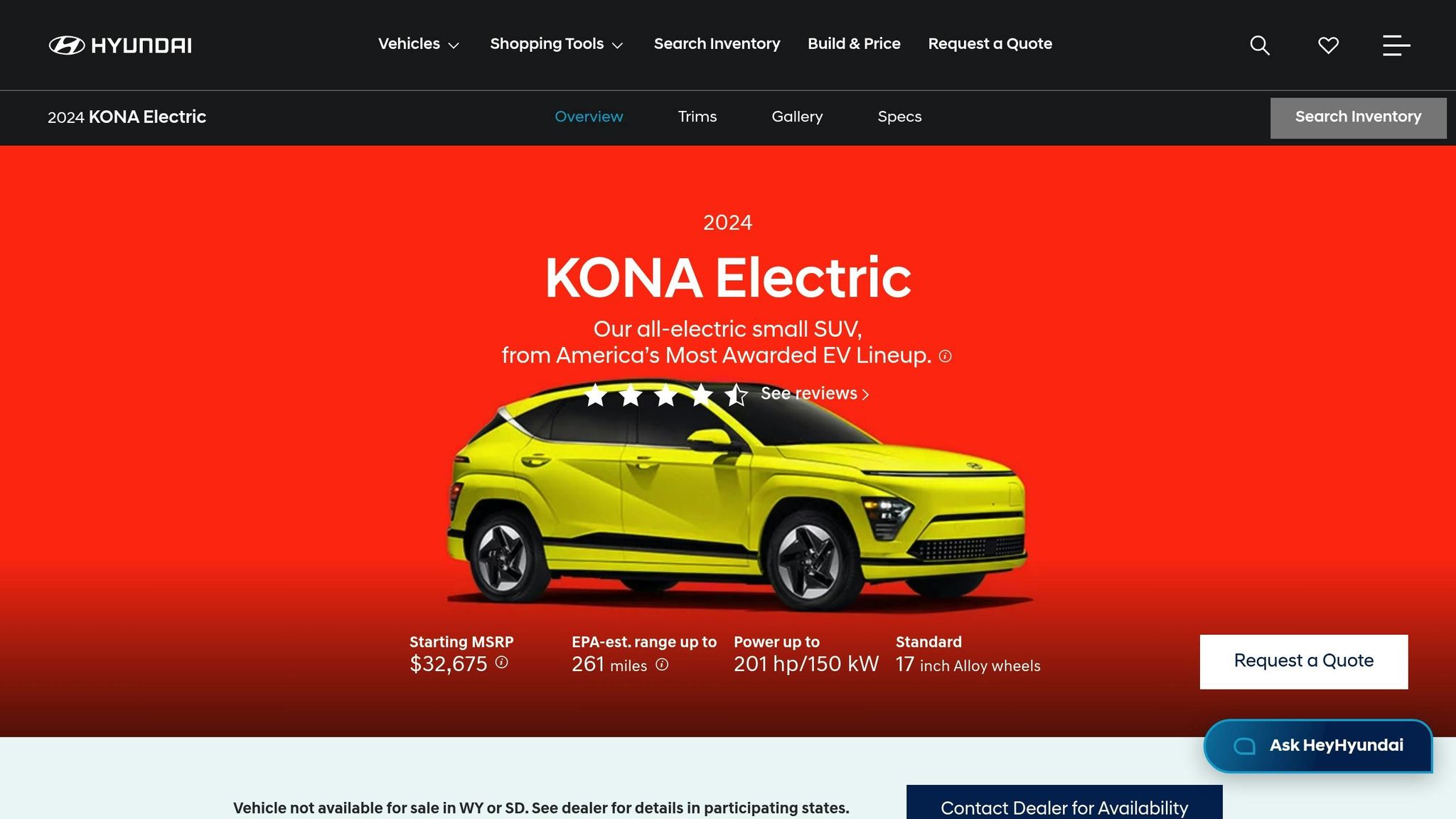
The Hyundai Kona Electric stands out as a well-rounded choice among Africa’s leading electric vehicles, offering a blend of performance and affordability. In Nigeria, it’s priced between ₦60M and ₦75M (around $38,000–$44,000), while in Kenya, the price ranges from Ksh. 3.5M to Ksh. 4.2M. In Nigeria, it’s available through Stallion Motors.
Range and performance are major highlights of the Kona Electric. It boasts an impressive range – up to 299 miles (482 km) in Nigeria and 280 miles (450 km) in Kenya. Powered by a 201 hp engine, it supports fast charging in just 1 hour, with standard home charging taking about 6–7 hours.
What makes the Kona Electric particularly suitable for African roads is its practicality. With a ground clearance of approximately 6.7 inches (170 mm) and an elevated ride height, it handles potholes and unpaved roads with ease. Its high-strength steel construction ensures durability, making it a reliable companion for challenging terrains.
"The Kona Electric’s build quality and ground clearance make it a reliable choice for navigating the diverse and often challenging road conditions found across Africa." – TechCentral
With its solid range, robust build, and comfortable driving experience, the Kona Electric appeals to both highway commuters and those eager to embrace electric vehicles in Africa.
5. Nissan Leaf (Second Generation)
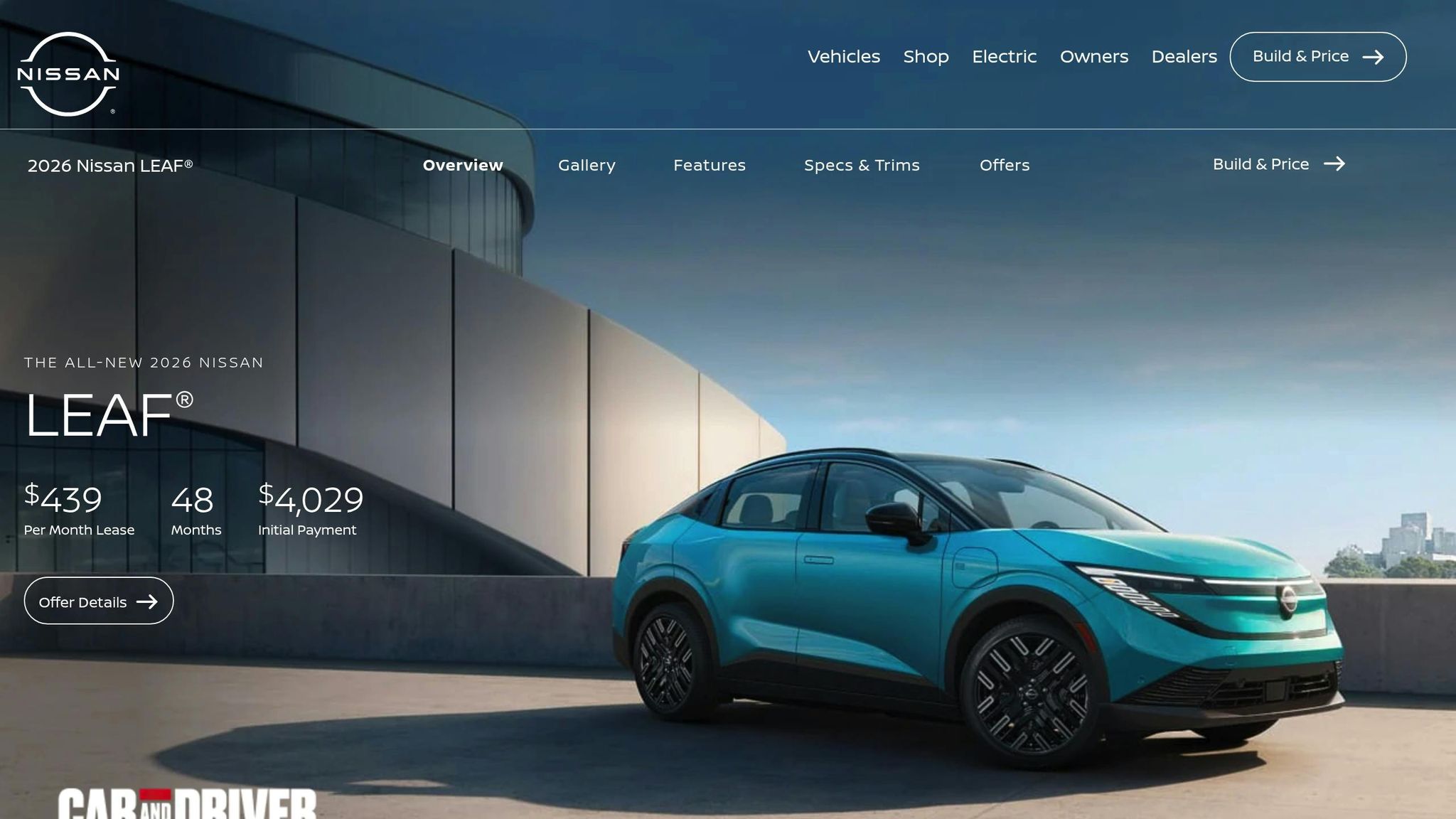
The second-generation Nissan Leaf continues to enjoy global popularity, but its pricing and accessibility in Africa remain uncertain. Let’s take a closer look at its performance features and design aspects.
Range and Charging:
The standard version of the Leaf offers a driving range of about 149 miles (240 km) on a full charge, while the extended-range model can go up to 226 miles (364 km). When it comes to charging, DC fast chargers can replenish 80% of the battery in just 40–60 minutes. For those relying on Level 2 home charging, expect a full charge to take about 7–8 hours.
Road Considerations:
With its compact sedan build, the Leaf is well-suited for city driving and paved roads. However, it may not perform as well on rough or unpaved surfaces, which could limit its versatility in certain areas.
Infrastructure Compatibility:
The Leaf uses the CHAdeMO fast-charging system. This could be a challenge in Africa, where charging infrastructure is still developing. In fact, only 17% of African countries currently have 10 or more public charging stations.
Build Quality and Reliability:
The Nissan Leaf is known for its dependable build quality and reliability. However, if you’re considering purchasing one, it’s essential to check for local dealer support, the availability of replacement parts, and whether charging infrastructure in your area can accommodate the CHAdeMO standard.
sbb-itb-99e19e3
6. Volkswagen ID.4
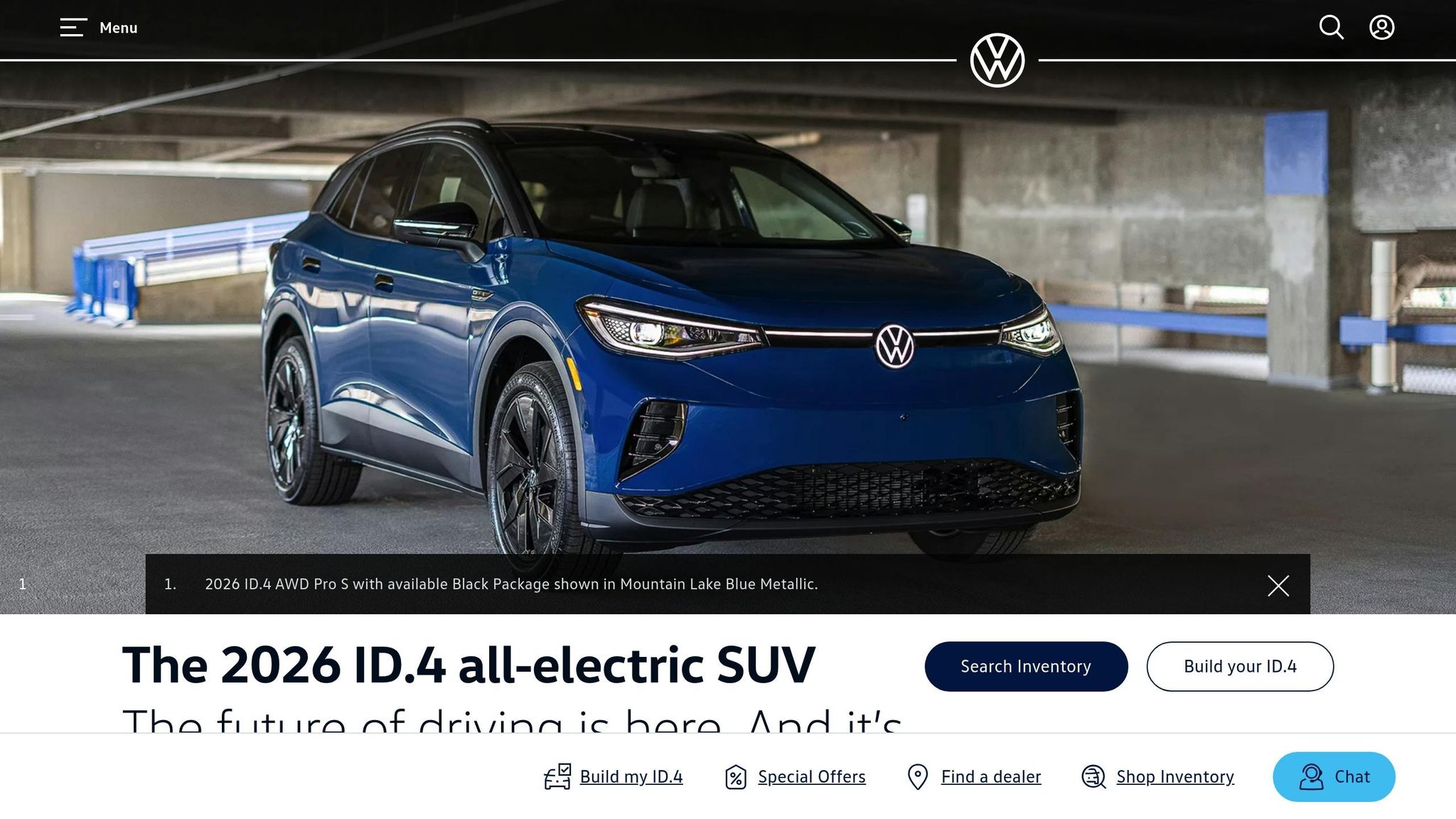
The Volkswagen ID.4 is a midsize electric SUV that has gained attention worldwide. While pricing specifics aren’t yet available, you can reach out to local dealers for the latest updates.
Range and Charging:
The ID.4 stands out with its practical range and solid performance. Most modern electric SUVs can cover over 200 miles (322 km) on a single charge, with some models reaching up to 350 miles (563 km). Of course, how far you can go depends on your driving habits and local conditions. If you frequently take long trips, opting for a version with a bigger battery might be worth the added expense. This range capability makes the ID.4 a good choice for long-distance journeys – assuming charging networks continue to expand.
Charging Infrastructure:
Charging networks are growing across Africa, making longer trips more feasible. That said, relying only on public charging can be costly and inconvenient. For ID.4 owners, installing a reliable home charging station can make all the difference and significantly increase the vehicle’s practicality.
Road Performance:
In Africa, buyers in 2025 are prioritizing vehicles with high ground clearance, tough durability, and 4WD capabilities to handle rough roads. While the ID.4’s SUV design hints at better ground clearance than sedans, it’s essential to confirm these specs. Testing the ID.4 on local, rugged roads will help determine if it meets the demands of your specific environment.
Practical Considerations:
Before committing to an ID.4, check whether local dealers can support the model in terms of parts availability and charging compatibility. With fuel prices continuing to climb, the ID.4’s efficient electric powertrain could help reduce long-term costs, making it an appealing option for budget-conscious buyers.
7. Geely Geometry C
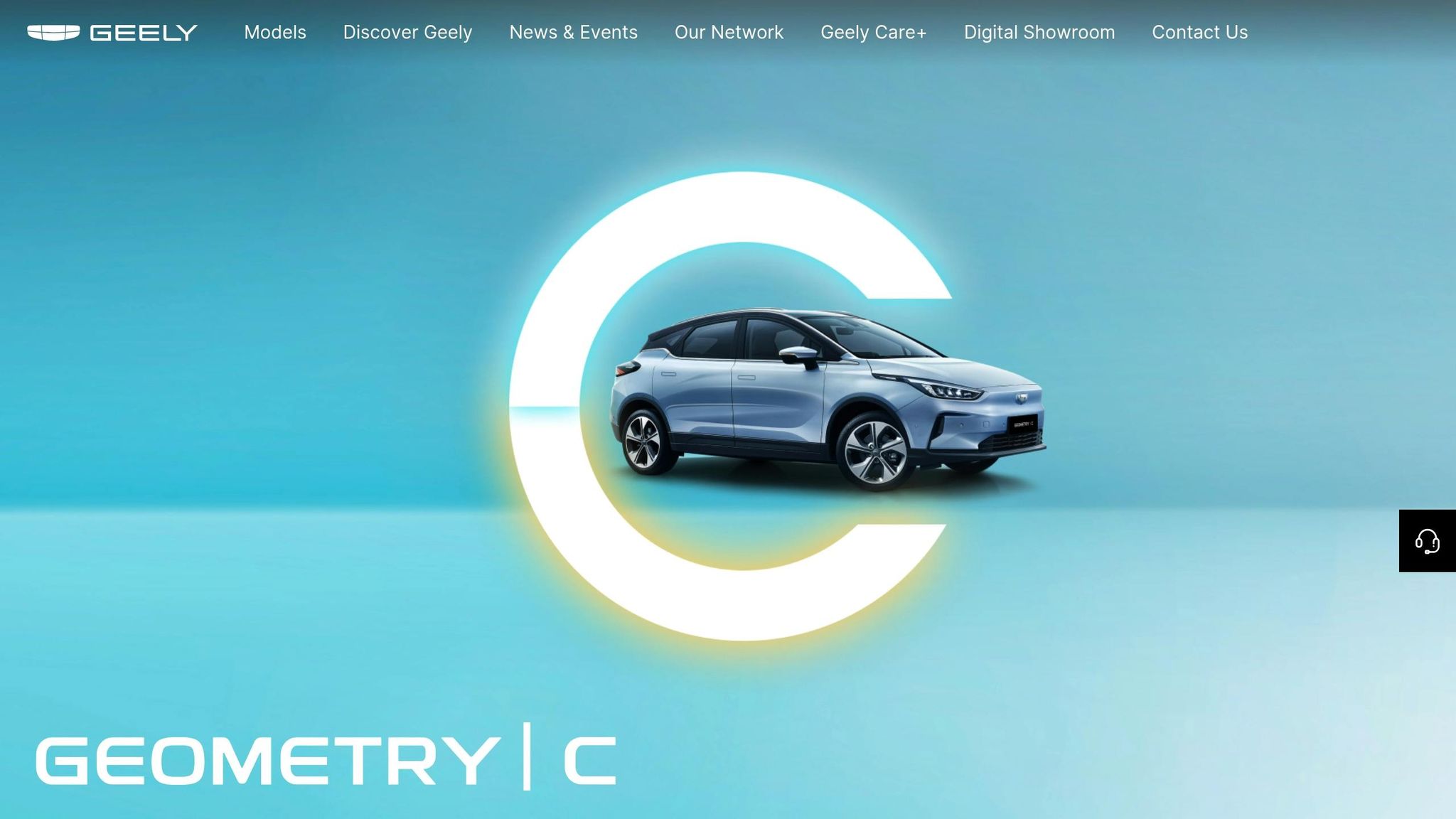
The Geely Geometry C is a compact electric SUV from a Chinese automaker that’s starting to make its way into select African markets. While pricing details specific to Africa aren’t currently available, reaching out to local dealerships is the best way to get accurate quotes. This lack of upfront pricing underscores the importance of evaluating its overall value and performance for African drivers.
Range and Charging:
Official range figures haven’t been disclosed, and the actual range will vary based on factors like driving style, traffic conditions, temperature, and terrain.
Infrastructure Compatibility:
Charging infrastructure remains a major hurdle for the Geometry C in Africa, with limited charging networks and frequent power grid issues. For most users, installing a home charging station may prove to be the most dependable option for daily use.
Road Performance and Build Quality:
There’s limited information about how the Geometry C handles African roads, especially in terms of ground clearance and durability on rough surfaces. SUVs and crossovers are often favored in the region for their ability to tackle varying road conditions. Prospective buyers should check key specifications and, if possible, test the vehicle on local roads to ensure it meets their needs.
Practical Considerations:
Before purchasing, it’s crucial to confirm the availability of dealer support, spare parts, and service expertise in your area. These factors play a significant role in determining whether the Geometry C can handle the unique demands of African driving conditions, aligning with the expectations discussed in this guide.
8. Leapmotor T03
The Leapmotor T03 stands out as a budget-friendly choice for those seeking an electric vehicle tailored for urban driving. Designed as a compact city car, it offers an entry point into the EV market without breaking the bank. While specific pricing for African markets isn’t readily available, the T03 is generally considered affordable, with costs comparable to models like the Dacia Spring. To get a clearer idea of its price in your area, reach out to local dealerships or explore EV sales platforms.
Range and Charging:
The T03 delivers a driving range of under 199 miles (around 320 km) on a full charge, making it a practical choice for daily commutes and short trips. However, keep in mind that factors like driving style, weather, and road conditions can influence the actual range, which is crucial to consider given Africa’s varied environments.
Charging Infrastructure:
Most users will likely depend on home charging setups. Before purchasing, ensure your home’s electrical system can handle the vehicle’s charging needs, and consider backup power solutions to account for potential outages.
Road Performance and Build Quality:
Details on the T03’s ground clearance and durability for African roads are limited. Many buyers in the region prioritize vehicles with higher ground clearance and sturdy construction to handle challenging terrains. The T03’s compact design may not be ideal for rough or uneven roads. If you’re interested, it’s wise to arrange a test drive on local roads to evaluate its performance and check the availability of service centers and spare parts in your area.
9. Dongfeng Seres 3
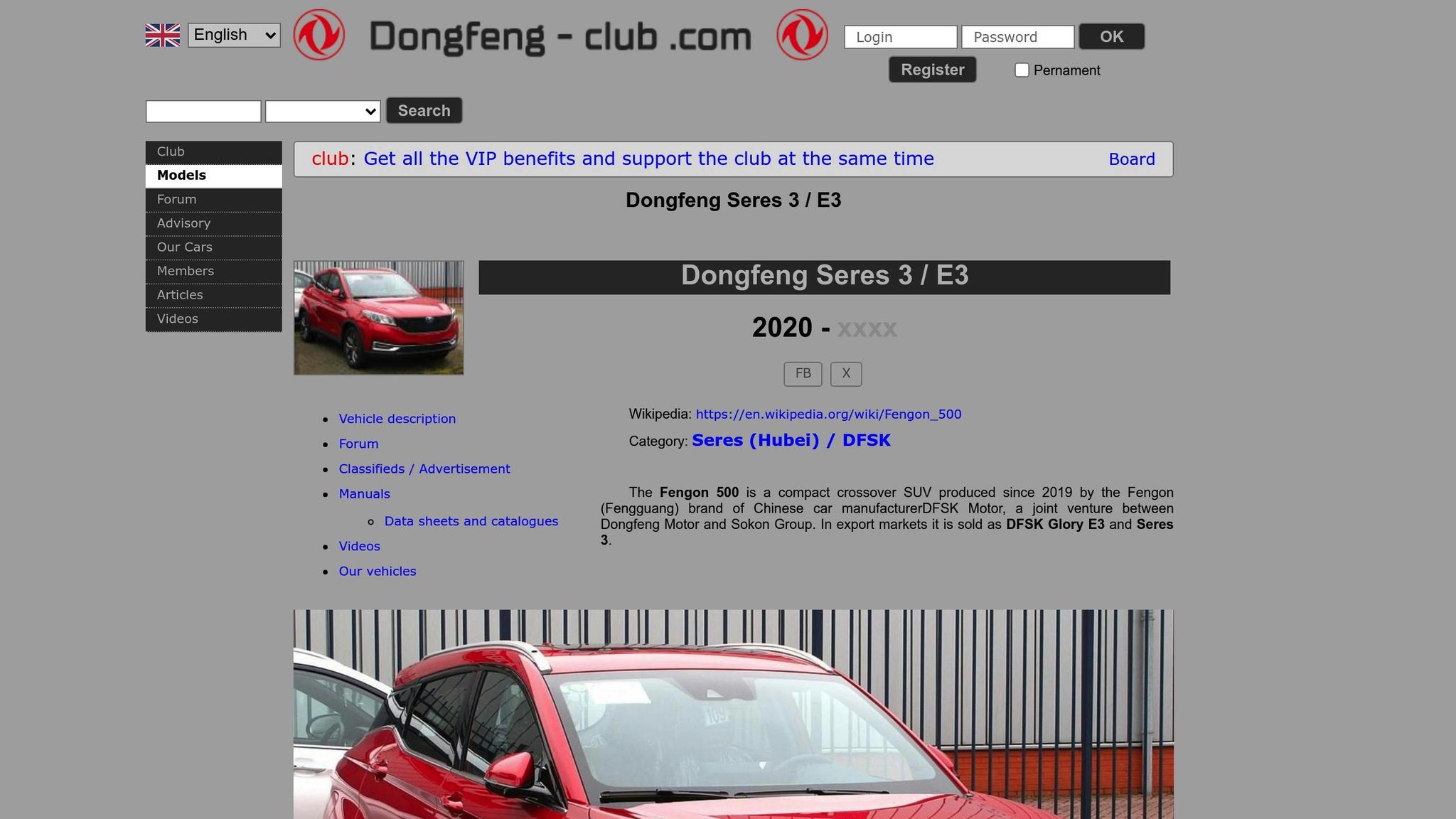
The Dongfeng Seres 3 is an electric SUV beginning to appear in African markets. However, detailed specifications and pricing remain scarce. To get accurate information about its availability, pricing in USD, and configurations, it’s best to contact local dealers. This model is assessed using the same practical criteria as others in this guide.
Let’s take a closer look at its range, charging performance, and how it handles African road conditions.
Range and Charging Considerations:
The exact range of the Dongfeng Seres 3 under African driving conditions hasn’t been confirmed. It’s a good idea to check with local dealers for more precise details. Generally, city driving tends to be more efficient than highway travel, but Africa’s varied landscapes – ranging from smooth urban roads to rough rural trails – can significantly impact real-world range. If you’re planning longer trips, it’s wise to include a buffer for unexpected energy use.
Charging Infrastructure Challenges:
Electric vehicle charging infrastructure in Africa is still developing. Public charging stations can be both costly and inconvenient. For example, charging a 70kWh battery on a 7kW home charger typically takes about 10 hours. Faster public chargers can reduce this time to 30–60 minutes, but they often come with higher fees. Before committing, check the availability of charging stations along your usual routes to ensure compatibility with your driving needs.
Suitability for African Roads:
Information on the Dongfeng Seres 3’s ground clearance and overall build quality is limited. For many African buyers, the ability to handle unpaved roads, potholes, and rugged terrain is a top priority. As with other models, it’s important to schedule a test drive on the types of roads you encounter most often. Additionally, confirm the availability of service centers and spare parts in your region to avoid potential maintenance headaches down the line.
10. ROX Micro-EV
The ROX Micro-EV is designed for those seeking an ultra-budget electric vehicle, with prices starting at just $4,000 USD. It’s one of the most affordable electric options in Africa, aimed at buyers looking for a simple, cost-effective solution for urban commuting. For exact pricing and availability, it’s best to check with local dealers through EV24.africa.
Range and Urban Suitability
With a range of about 120 km (75 miles), the ROX Micro-EV is ideal for short city trips. Its compact design makes it a breeze to navigate through congested streets and fit into tight parking spaces. The 150mm (5.9 inches) ground clearance is sufficient for handling curbs and minor potholes often found in urban areas across Africa. However, this limited range means it’s not the right choice for long-distance travel or rural areas where charging infrastructure is scarce.
Charging and Infrastructure
Thanks to its smaller battery pack, the ROX Micro-EV charges faster than larger electric vehicles, making overnight charging on a standard outlet a practical option. That said, public charging stations can be both expensive and inconvenient, so it’s important to plan trips within its range to avoid surprises.
Road Conditions and Durability
This micro-EV is built for city life, focusing on practicality over ruggedness. While optional off-road kits are available, the vehicle’s low ground clearance and lightweight construction make it best suited for well-maintained urban roads. Before committing, it’s a good idea to test drive it on local streets to ensure it meets your needs. Also, confirm that service centers are accessible in your area for any maintenance requirements.
Comparison Table
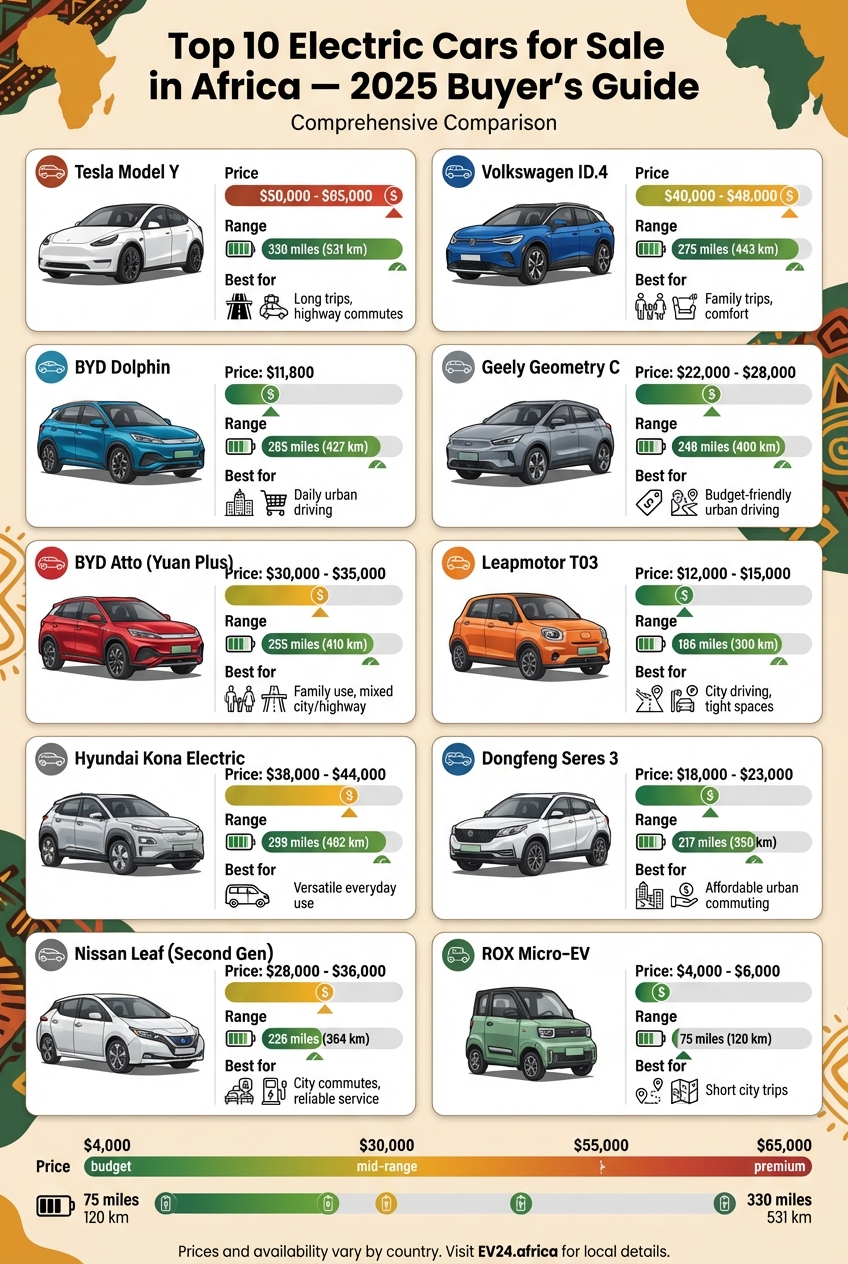
Here’s a quick reference guide for African buyers exploring electric vehicles (EVs). The table below highlights key features such as price range, driving range, and ideal use cases for ten EV models. Note that charging speed and ground clearance data are often unavailable for these vehicles.
| Model | Price Range (USD) | Range per Charge | Best Use Case |
|---|---|---|---|
| Tesla Model Y | $50,000 – $65,000 | 330 miles (531 km) | Long trips, highway commutes |
| BYD Dolphin | $25,000 – $30,000 | 265 miles (427 km) | Daily urban driving |
| BYD Atto (Yuan Plus) | $30,000 – $35,000 | 255 miles (410 km) | Family use, mixed city/highway travel |
| Hyundai Kona Electric | $35,000 – $42,000 | 258 miles (415 km) | Everyday driving versatility |
| Nissan Leaf (Second Gen) | $28,000 – $36,000 | 226 miles (364 km) | City commutes, reliable service network |
| Volkswagen ID.4 | $40,000 – $48,000 | 275 miles (443 km) | Family trips, comfort-focused driving |
| Geely Geometry C | $22,000 – $28,000 | 248 miles (400 km) | Budget-friendly, urban-focused driving |
| Leapmotor T03 | $12,000 – $15,000 | 186 miles (300 km) | City driving, perfect for tight spaces |
| Dongfeng Seres 3 | $18,000 – $23,000 | 217 miles (350 km) | Affordable urban commuting |
| ROX Micro-EV | $4,000 – $6,000 | 75 miles (120 km) | Short city trips, secondary vehicle option |
The next table evaluates each model’s advantages and disadvantages, specifically within the African context.
| Model | Africa-Specific Pros | Africa-Specific Cons |
|---|---|---|
| Tesla Model Y | Excellent range for areas with limited charging options | Expensive, limited service centers, and costly replacement parts |
| BYD Dolphin | Affordable with a good range for daily use | Service network still expanding |
| BYD Atto (Yuan Plus) | Great balance of price and range, growing dealer network | Service availability depends on location |
| Hyundai Kona Electric | Backed by an established service infrastructure | Higher price makes it less accessible |
| Nissan Leaf (Second Gen) | Proven technology and wider service network | Older design and moderate range |
| Volkswagen ID.4 | Durable build quality | Premium pricing |
| Geely Geometry C | Budget-friendly with decent specs | Reliability concerns and sparse service centers |
| Leapmotor T03 | Highly affordable and compact for congested areas | Limited range and uncertain parts availability |
| Dongfeng Seres 3 | Cost-effective for city use | Low brand awareness and limited service options |
| ROX Micro-EV | Extremely low cost, ideal for tight parking spots | Minimal range, basic features, and potential durability issues |
For the latest updates on availability and pricing, visit EV24.africa.
Conclusion
The electric vehicle scene in Africa is evolving rapidly as we move into 2025. The current market offers a variety of EVs tailored to different driving needs – whether it’s navigating crowded city streets, commuting between towns, or taking on longer family trips. This variety ensures there’s something for every driver, designed to work with local roads and lifestyles.
Affordable and eco-friendly mobility is no longer out of reach. Cars like the BYD Dolphin (priced at $11,800) and Leapmotor T03 ($12,000) bring electric vehicles within financial reach for many, while models with extended ranges address concerns about limited charging infrastructure.
Choosing the right EV comes down to your daily driving habits. For city dwellers, efficient models that cover shorter distances are ideal. On the other hand, those planning longer trips might lean toward options like the Tesla Model Y or Volkswagen ID.4, both known for their impressive range. These choices give drivers across Africa the flexibility to find vehicles that suit their needs.
To make the process even smoother, EV24.africa simplifies everything from research to importation and registration. The platform takes care of the complexities of customs clearance and local registration in all 54 African countries. With transparent pricing, flexible payment plans, and expert advice available through WhatsApp, buying an EV has never been easier.
Visit EV24.africa to explore and compare EV options, and find the perfect match for your lifestyle.
FAQs
What challenges do electric car owners face in Africa?
Owning an electric car in Africa presents a mix of hurdles that can complicate both daily use and long-distance travel. A major issue is the scarcity of charging stations, which makes owning an EV less convenient for many. On top of that, the high initial cost of electric vehicles puts them out of reach for a large portion of potential buyers, even though they may save money over time.
There are other obstacles too. Inconsistent government policies and unreliable electricity supplies in certain areas add to the complexity. Plus, in some countries, electricity is still produced using methods that emit significant amounts of carbon. Together, these factors make it harder for electric vehicles to gain widespread popularity across the continent.
How does Africa’s charging network affect owning an electric car?
The availability of charging stations is a major factor in determining how practical and convenient it is to own an electric vehicle (EV) in Africa. By 2025, cities like Cape Town and Johannesburg are seeing an increase in public charging stations, including fast chargers capable of powering up to 80% of a battery in less than 30 minutes. This growing network is making EV ownership a more attractive option for urban residents.
On the other hand, rural and less-developed areas are still grappling with limited access to charging facilities, which makes long-distance travel a real challenge. To bridge this gap, many African EV owners are turning to home charging solutions, with solar-powered setups emerging as a popular choice. While these efforts are helping to improve access, establishing dependable infrastructure outside major cities remains a significant obstacle to broader EV adoption.
What are the best electric cars for handling rough roads in Africa?
For the challenging road conditions often encountered in Africa, rugged electric vehicles such as the ROX eXplorer and BYD Shark stand out as ideal options. These vehicles are built with high ground clearance, sturdy construction, and off-road capabilities, ensuring they can handle uneven terrain and tough environments with ease.
With their solid designs, they deliver dependable performance even in regions where infrastructure might be limited. They offer a smooth and efficient driving experience, perfectly aligned with the demands of Africa’s diverse landscapes.