
 Thabo Nkosi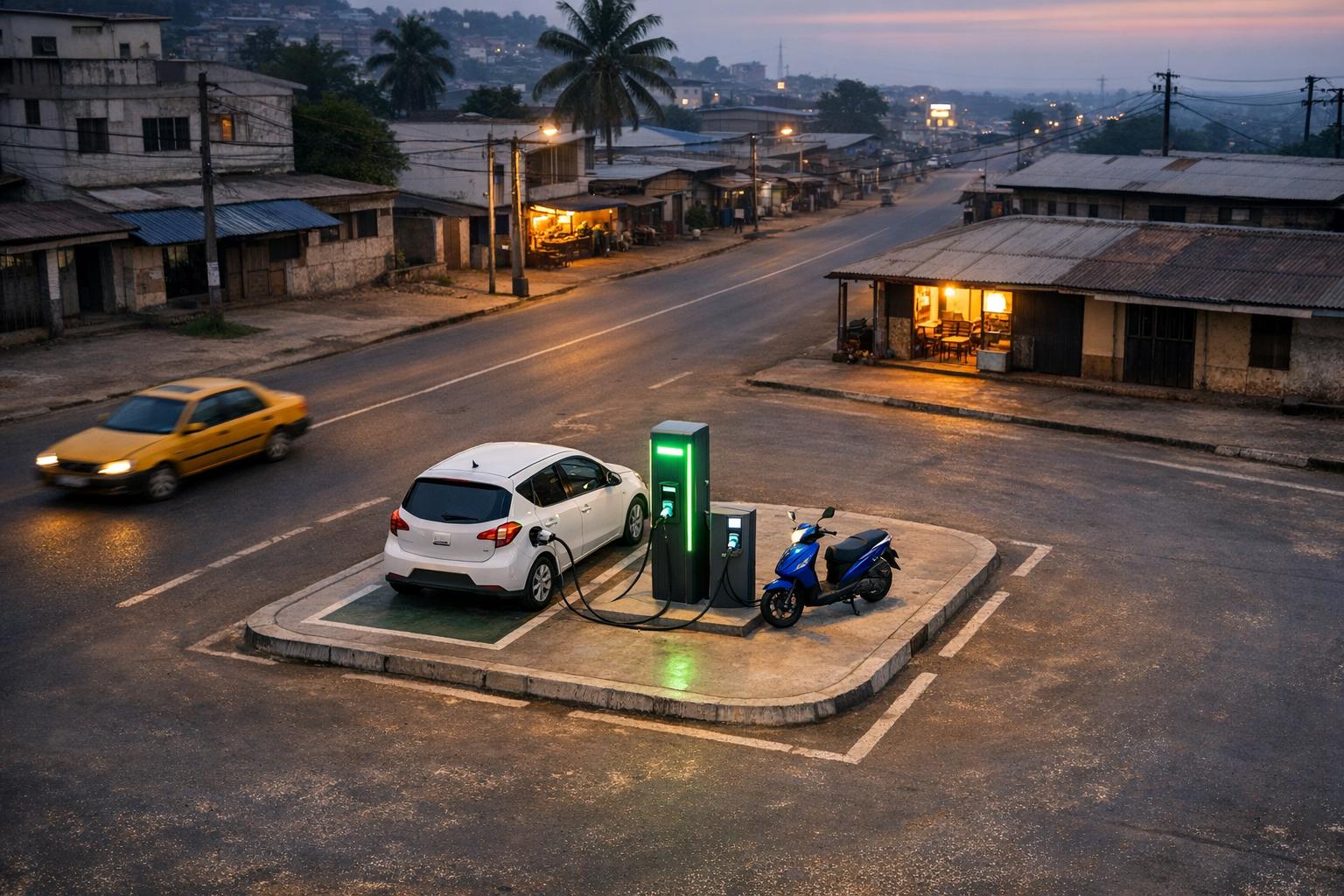
Cameroon’s electric vehicle (EV) market is in its infancy, with electric motorcycles leading the way due to their affordability and suitability for the informal transportation sector. Government policies, like the 2025 Finance Act, have introduced tax breaks and incentives to encourage adoption, but challenges such as limited charging infrastructure, unreliable power supply, and high costs remain significant barriers.
Key Points:
- Market Focus: Electric motorcycles dominate due to lower operating costs (~$2.50 per 100 km) compared to petrol bikes.
- Government Incentives: Temporary tax cuts introduced in 2025 aim to boost EV adoption but expire in 2026.
- Infrastructure Gaps: Only three public charging stations exist, with unreliable electricity complicating usage.
- Affordability Issues: High upfront costs and limited financing options make EVs inaccessible for most citizens.
- Policy Challenges: Lack of clear standards for EVs and charging systems hinders market growth.
Solutions:
- Expand charging infrastructure, focusing on affordable, solar-powered units.
- Introduce financing models like Battery-as-a-Service (BaaS) and lease-to-own programs.
- Extend tax incentives and establish clear regulations for EV imports and infrastructure.
Cameroon’s EV market shows promise, but addressing infrastructure, affordability, and policy gaps is critical for long-term growth.
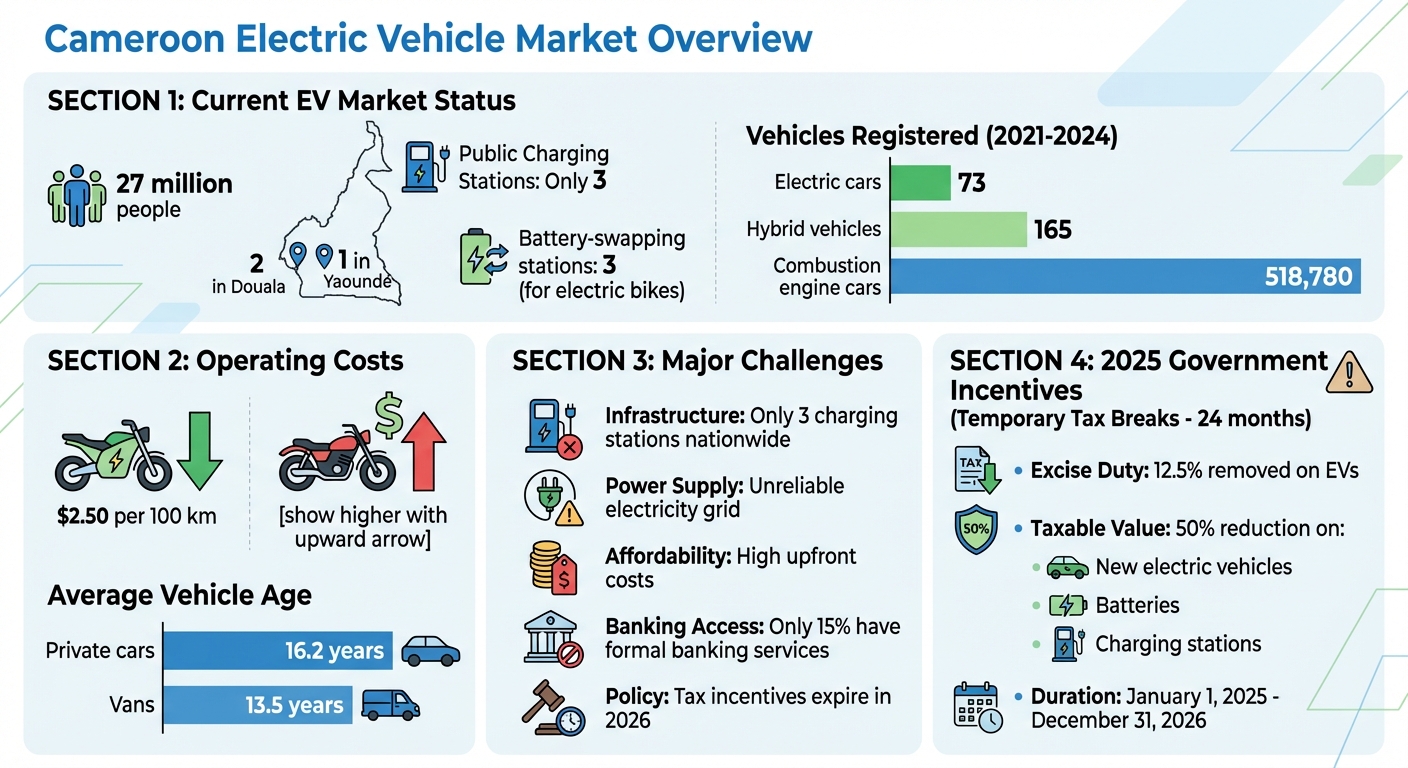
Cameroon EV Market Overview: Key Statistics and Challenges
Movin’On Inside Special Edition – The role of electric vehicles in Africa’s global energy transition
sbb-itb-99e19e3
Infrastructure Problems Blocking EV Adoption
Cameroon’s electric vehicle (EV) market faces significant hurdles, with infrastructure issues standing out as a major roadblock. Two key challenges – scarcity of charging stations and an unreliable power grid – are deterring many potential buyers.
Too Few Charging Stations
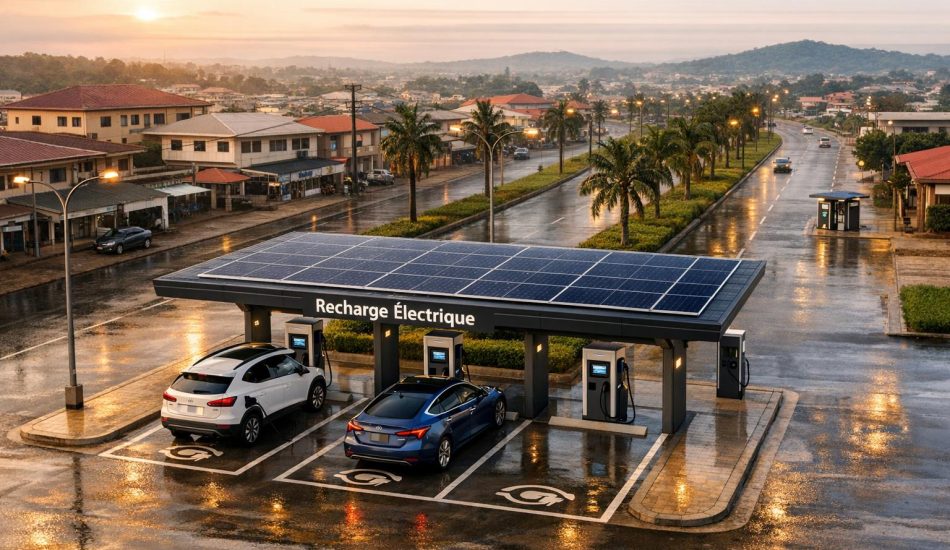
Cameroon has only three public charging stations: two in Douala and one in Yaoundé. For a population of 27 million, this severe shortage creates widespread range anxiety, making both daily commutes and long-distance travel impractical for EV owners. The numbers speak for themselves: between 2021 and 2024, just 73 electric cars and 165 hybrid vehicles were registered in the country, compared to a staggering 518,780 internal combustion engine cars.
There are some attempts to address this gap. For example, 3S Motors has installed a charging station in Douala, while TotalEnergies is working with the Cameroon Electric Mobility Promotion Association (Apeme-Cam), launched in 2023, to expand charging infrastructure. Additionally, upOwa by EDF operates three battery-swapping stations for electric bikes. But these efforts are still far from sufficient to support widespread adoption.
Even where charging stations exist, another challenge looms large: the country’s unreliable power supply.
Unstable Power Supply
Frequent power outages and an unstable grid make charging an EV a gamble. Whether at public stations or at home, owners cannot count on consistent electricity. Experts have pointed out that the lack of reliable power and advanced charging technology are critical issues holding back the EV market.
In cities, EV owners often rely on home charging systems with backup power solutions to cope with outages. But without dependable electricity, even the convenience of home charging becomes a challenge. For most potential buyers, this lack of stability makes EV ownership feel like a distant dream, no matter how promising the technology might seem.
High Costs and Affordability Problems
The steep upfront costs of electric vehicles (EVs) – largely due to high import expenses and limited financing options – make them inaccessible for most people in Cameroon.
Expensive Purchase Prices
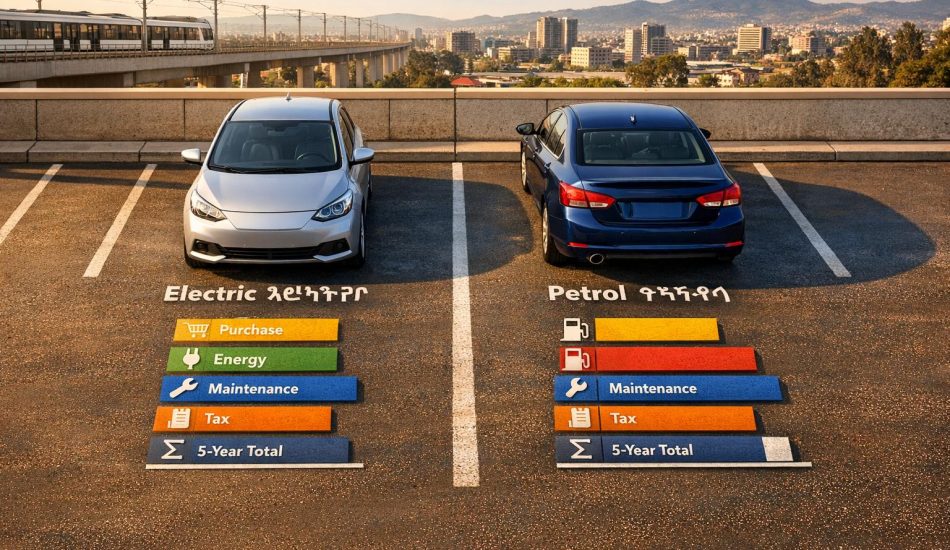
New EVs come with price tags that are significantly higher than older, low-cost combustion vehicles. For context, the average age of private cars in Cameroon is 16.2 years, while vans average 13.5 years. This makes used vehicles far more appealing to budget-conscious buyers, even though they rely on outdated technology and produce higher emissions. For families and businesses operating on tight budgets, the hefty cost of a new EV is hard to justify when cheaper, used alternatives are available.
While recent tax cuts offer some relief, the reliance on imported EV models keeps prices high due to shipping costs and import duties.
"Affordability keeps used cars dominant… there is need to have innovative schemes to incentivize cleaner cars." – United Nations Environment Programme
Beyond the purchase price, limited financing options further exacerbate the affordability challenge.
Few Financing Options
Even if someone manages the down payment for an EV, securing a loan is another hurdle. High interest rates in some African markets mean that the total cost of financing can exceed the vehicle’s original price. Banks remain cautious about EV loans, viewing them as risky due to the lack of a developed resale market and the high cost of replacing EV batteries.
Adding to the challenge, only 15% of Cameroonians have access to formal banking services. This leaves the majority unable to obtain traditional vehicle loans. Without affordable, locally-tailored financing options, EVs are likely to remain out of reach for all but the wealthiest. Studies indicate that for EVs to achieve cost parity with conventional vehicles by 2030, financing costs in many African countries would need to drop by 7 to 15 percentage points.
"In some markets, financing costs exceed the vehicle’s initial purchase price, which delays economic parity despite steady technological cost declines." – Abdoullah Diop
Policy and Market Gaps
Unclear policies and a limited selection of electric vehicles (EVs) are slowing market growth in Cameroon. Without a strong regulatory framework, both potential buyers and investors face uncertainty, making it difficult to drive adoption. These policy gaps, combined with a lack of model variety, only add to existing challenges like infrastructure and high costs.
No Tax Incentives
The 2025 Finance Law introduced some relief measures, such as removing the 12.5% excise duty on EVs and offering a 50% reduction on taxable value for new electric vehicles, batteries, and charging stations. However, these benefits are temporary, lasting just 24 months starting January 1, 2025. This short-term approach discourages long-term planning among dealers, importers, and consumers.
Adding to the uncertainty, there are no official testing or homologation (certification) processes for EVs entering Cameroon. This lack of standardization raises questions about the safety and quality of imported EVs. Similarly, the absence of technological standards for charging infrastructure leaves investors unsure about which systems to install.
"The presence of electric vehicles in Cameroon poses many challenges… the lack of tests and homologations of these vehicles, the absence of technological choices for charging infrastructure and their availability, the training of professionals on technical aspects." – Frédéric Nonos, Journalist/Analyst
At the same time, lax import regulations allow outdated, high-emission used vehicles to dominate the market, making it even harder for cleaner EVs to compete.
Limited EV Model Selection
The availability of EV models in Cameroon remains very limited. Most vehicles are imported, and without large-scale local manufacturing, consumers have few options. While local entrepreneur Gaspard Mpondo launched Jengu Sarl in 2019 to assemble electric motorcycles and tricycles using solar energy, these efforts remain small and lack the policy support needed to grow significantly.
In 2023, the Association for the Promotion of Electric Mobility in Cameroon (Apeme-Cam) – a collaboration between 3S Motors and TotalEnergies – was formed to expand the market. Their plan includes mass imports of 2-, 3-, and 4-wheeled EVs beginning in 2025. However, without clear government-backed homologation standards and import guidelines, these private-sector initiatives face significant hurdles in diversifying the market.
Solutions for Growing the EV Market in Cameroon
To address the challenges facing electric vehicle (EV) adoption in Cameroon, stakeholders need to act across infrastructure, financing, and policy. While the hurdles are considerable, there are actionable steps that don’t require waiting for massive government funding or full modernization of the power grid.
Building More Charging Infrastructure
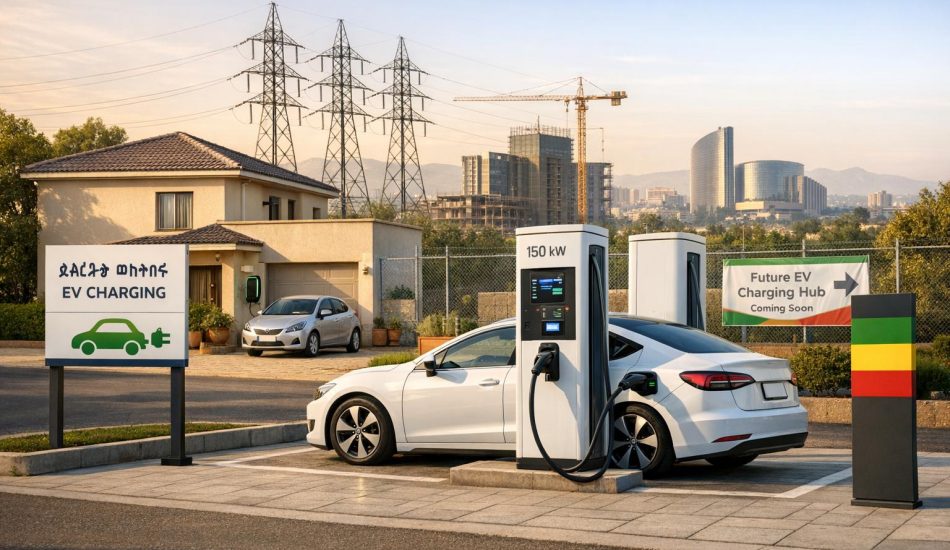
Expanding EV charging infrastructure doesn’t have to rely on expensive fast chargers. Slow and medium-speed chargers are far more affordable, costing only 4% to 10% of what fast chargers do. A slow charger’s price ranges from $100 to $10,000, compared to fast chargers, which can exceed $200,000 per unit.
The focus should be on “top-up” locations – places where people naturally spend time, like gyms, grocery stores, workplaces, and shopping centers. Medium-speed chargers at these spots offer convenience without requiring drivers to go out of their way. In regions with unreliable electricity, solar-powered charging units provide a dependable and cost-effective alternative, addressing power supply concerns directly.
"The perception that electric vehicle (EV) charging infrastructure is a significant barrier to adopting EVs has long been a common concern… we hold ourselves back if we let the requirement of building charging stations halt adoption of electric vehicles today." – Ben Pullen, VUKA Group
Public-private partnerships could also play a critical role. For instance, collaborations between the government and companies like TotalEnergies could speed up the installation of charging stations along major highways. Similarly, fleet operators could build private charging hubs tailored to their routes, which could later be opened to the public.
Improving infrastructure alone won’t solve the problem. Making EVs financially accessible is just as important.
Affordable Financing Options
The high upfront cost of EVs is a major barrier. Battery-as-a-Service (BaaS) offers a practical solution by separating the battery cost from the vehicle price, reducing initial purchase prices by 40% to 50%. With this model, consumers own the car but lease or subscribe to the battery, making EVs more comparable to conventional vehicles.
Other financing options, like lease-to-own models, allow buyers to pay in installments, easing the burden of large upfront payments. Partnerships between local banks and EV platforms can also provide green loans with lower interest rates and longer repayment terms. Platforms such as EV24.africa already offer these kinds of financing solutions, making EVs more accessible across Africa, including Cameroon.
To further lower costs, bulk import strategies could consolidate orders, reducing logistics and clearing expenses. These efforts could be particularly effective for corporate and taxi fleets, which drive high mileage and benefit from quicker returns on investment through fuel savings. This makes them more attractive to lenders.
Once financing options are in place, supportive government policies can ensure long-term growth.
Government Policy Changes
The government should extend tax incentives beyond 2026 to maintain investor confidence and encourage sustained growth. Establishing official safety and quality standards for imported EVs is also crucial to fill current regulatory gaps. Clear guidelines for charging infrastructure technology would reassure investors about system compatibility.
Another key step is to tighten import restrictions on old, high-emission vehicles while supporting local EV production. For example, Gaspard Mpondo’s Jengu Sarl has been manufacturing solar-powered electric motorcycles and tricycles in Cameroon since 2019. Government subsidies could focus on electric buses and taxis, making green transportation accessible to more people instead of being limited to wealthier buyers.
"With charging infrastructure and investment-friendly regulations now in focus, Cameroon’s bold fiscal move signals a turning point." – United Nations Environment Programme
Conclusion: What’s Next for Electric Cars in Cameroon
Cameroon’s electric vehicle (EV) market is at a pivotal moment. The 2025 Finance Act has already made waves by removing the 12.5% excise duty on EVs and offering a 50% tax break on batteries and charging infrastructure for two years. Now, the challenge lies in turning these policy shifts into tangible, long-term growth for the market.
To build on this momentum, several steps are essential. Urban hubs like Douala need expanded battery-swapping networks, while extending policy incentives and fostering microfinance partnerships for informal transport systems will help make EVs more accessible. Encouragingly, local solutions are already emerging, proving that affordability and innovation can go hand in hand.
"This isn’t just about vehicles; it’s about financial inclusion." – Patrick Timani, CEO, Bee Group
Organizations like EV24.africa are playing a key role by connecting buyers with financing options that align with the infrastructure and policies already in place. The economic potential of EVs is undeniable – but success hinges on advancing infrastructure, financing, and supportive policies simultaneously.
The road ahead for Cameroon’s EV market depends on immediate collaboration. Government, investors, and innovators must work together to bridge infrastructure gaps, address affordability challenges, and clarify regulatory frameworks.
FAQs
Can I realistically own an EV in Cameroon without home charging?
Owning an electric vehicle (EV) in Cameroon without access to home charging can be done, but it comes with its share of hurdles. The country’s network of public charging stations is still quite sparse, particularly in rural regions, where infrastructure development is lagging behind urban areas. Without the convenience of home charging, you’ll need to carefully plan your routes around the limited public charging points or explore portable charging solutions as an alternative.
On the brighter side, government incentives, such as tax exemptions, are in place to encourage EV ownership. However, until the charging infrastructure expands and becomes more accessible, using an EV for day-to-day activities will likely require extra effort and preparation.
How much money would an EV actually save me each month in Cameroon?
Electric vehicles (EVs) in Cameroon can help you cut down your monthly operating costs by approximately CFA 24,480. The main reason? Electricity is at least 50% cheaper than gasoline, making EVs a more cost-effective option for daily use.
What happens after the 2025 tax incentives end in 2026?
Once the 2025 tax incentives end in 2026, import taxes on new electric vehicles in Cameroon are set to revert to regular rates. This change might increase prices for buyers, which could impact both affordability and the overall adoption of electric vehicles in the country.