
 Thabo Nkosi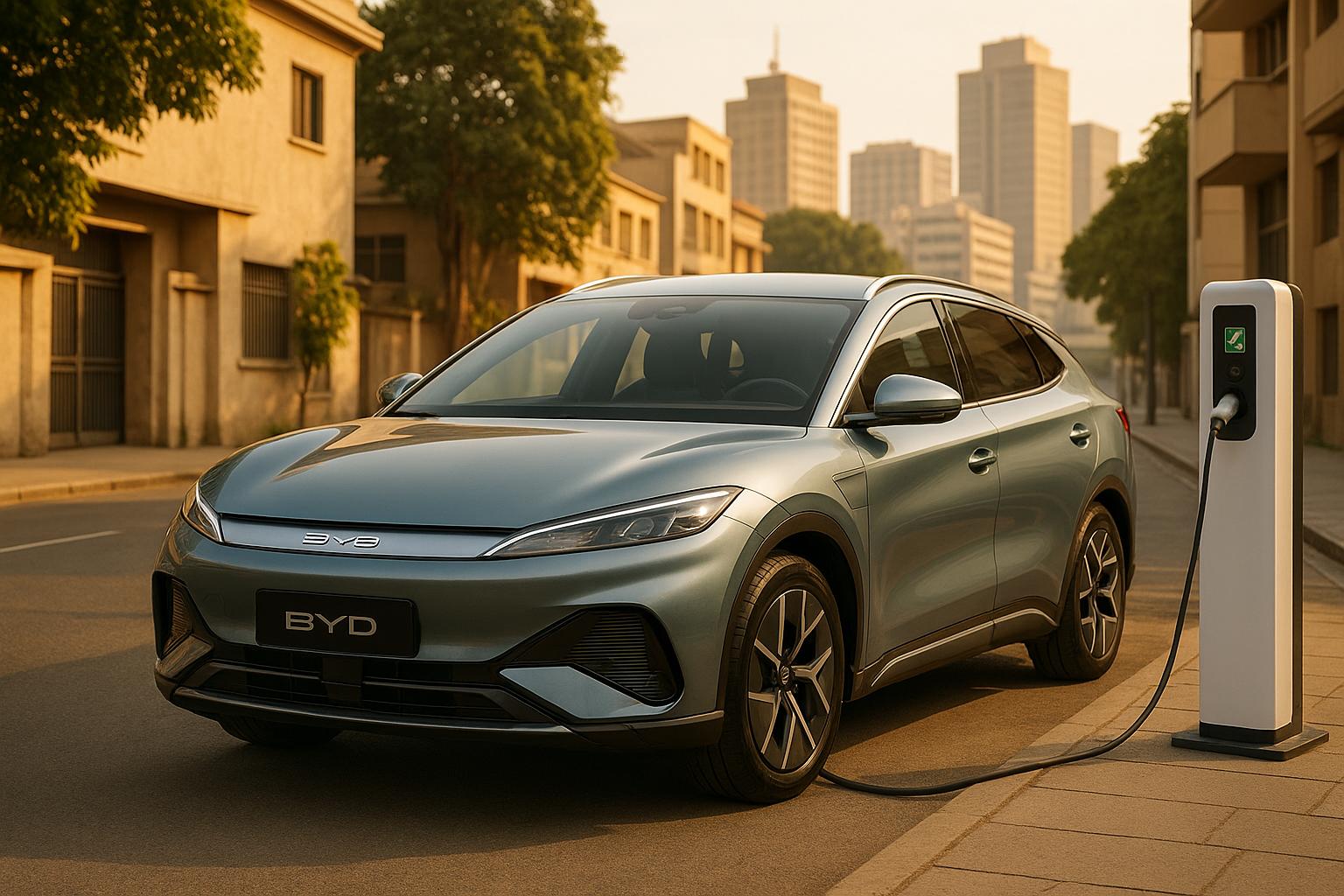
BYD officially entered Nigeria’s automotive market on March 28, 2025, partnering with Loxea to introduce a lineup of electric vehicles (EVs) tailored to Nigerian needs. With rising fuel costs and environmental concerns, BYD offers options for urban commuters, families, and professionals. Here’s a quick breakdown of the models, their features, and pricing:
- BYD Seagull: Compact, city-friendly EV with a range of 190–252 miles. Price: ₦15–18 million ($9,200–$11,000).
- BYD Dolphin: Hatchback with a range of 186–217 miles and fast charging. Price: ₦22–25 million ($13,500–$15,300).
- BYD Atto 3: Electric SUV with a spacious interior and a range of 261 miles. Price: ₦28–32 million ($17,200–$19,700).
- BYD E1: Budget-friendly hatchback with a range of 186–190 miles. Price: ₦12–14 million ($7,400–$8,600).
- BYD Yuan Plus: Mid-range SUV with a range of 267–317 miles. Price: ₦29.1–33.7 million ($17,900–$20,700).
- BYD Song Plus DM-i & Tang (PHEVs): Plug-in hybrids with electric ranges of 50–56 miles. Price: ₦28–33 million ($17,200–$20,300) for Song Plus DM-i; ₦45–50 million ($27,600–$30,700) for Tang.
Loxea supports buyers with showrooms, charging stations, and warranties, ensuring ease of adoption despite Nigeria’s limited charging infrastructure. Whether you’re looking for affordability, range, or hybrid flexibility, BYD has options for every need.

BYD Electric Vehicle Models in Nigeria: Price and Range Comparison 2025
BYD Electric Cars FINALLY in Nigeria | EXCLUSIVE Official Launch Video

1. BYD Seagull
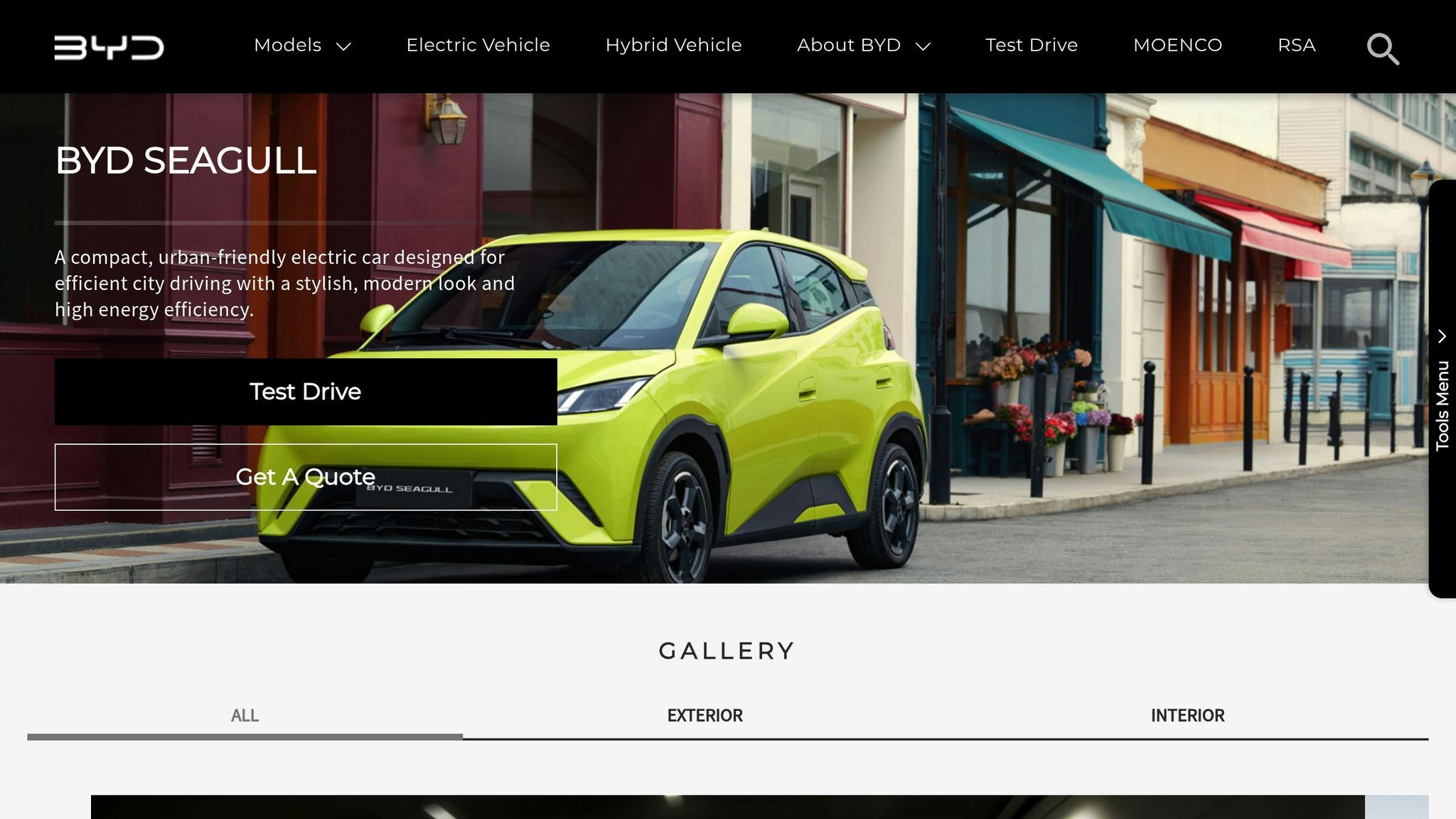
The BYD Seagull is BYD’s most affordable electric vehicle, crafted specifically for urban driving. Measuring just 12.4 feet in length with a 16.2-foot turning radius, it’s designed to handle Nigeria’s busy and crowded city streets with ease. The Seagull comes in two versions: the 305KM Active, equipped with a 30.08 kWh battery offering around 190 miles of range, and the 405KM Fly, which boasts a 38.88 kWh battery capable of delivering approximately 252 miles on a single charge.
Both models are powered by a 55 kW (75 HP) permanent magnet synchronous motor, producing 135 N.m of torque. The Seagull can accelerate from 0 to 31 mph in just 4.9 seconds. It also supports DC fast charging, allowing the battery to go from 30% to 80% in about 30 minutes. The vehicle’s Blade Battery is equipped with smart temperature control, ensuring reliable performance even in Nigeria’s hot climate.
Pricing for the Seagull in Nigeria is expected to range between ₦15–18 million (approximately $9,200–$11,000). Notably, BYD reduced the Seagull’s price in China by 22% in June 2025, bringing it down from $10,000 to $7,800. This price cut could signal a potential decrease in EV costs for Nigerian buyers as well. The Seagull is confirmed to be entering the Nigerian market through BYD’s exclusive partnership with Loxea.
Loxea has established showrooms in prominent Nigerian cities, offering test drives that can be booked online. Each dealership is equipped with on-site charging stations, provides comprehensive after-sales services, and includes a 6-year (93,000-mile) warranty for the vehicle.
Safety features in the Seagull include front dual airbags, side air curtains, tire pressure monitoring, ABS, and electronic stability control. These features make it a practical option for Nigerian families and taxi operators looking for an efficient and affordable urban vehicle.
2. BYD Dolphin
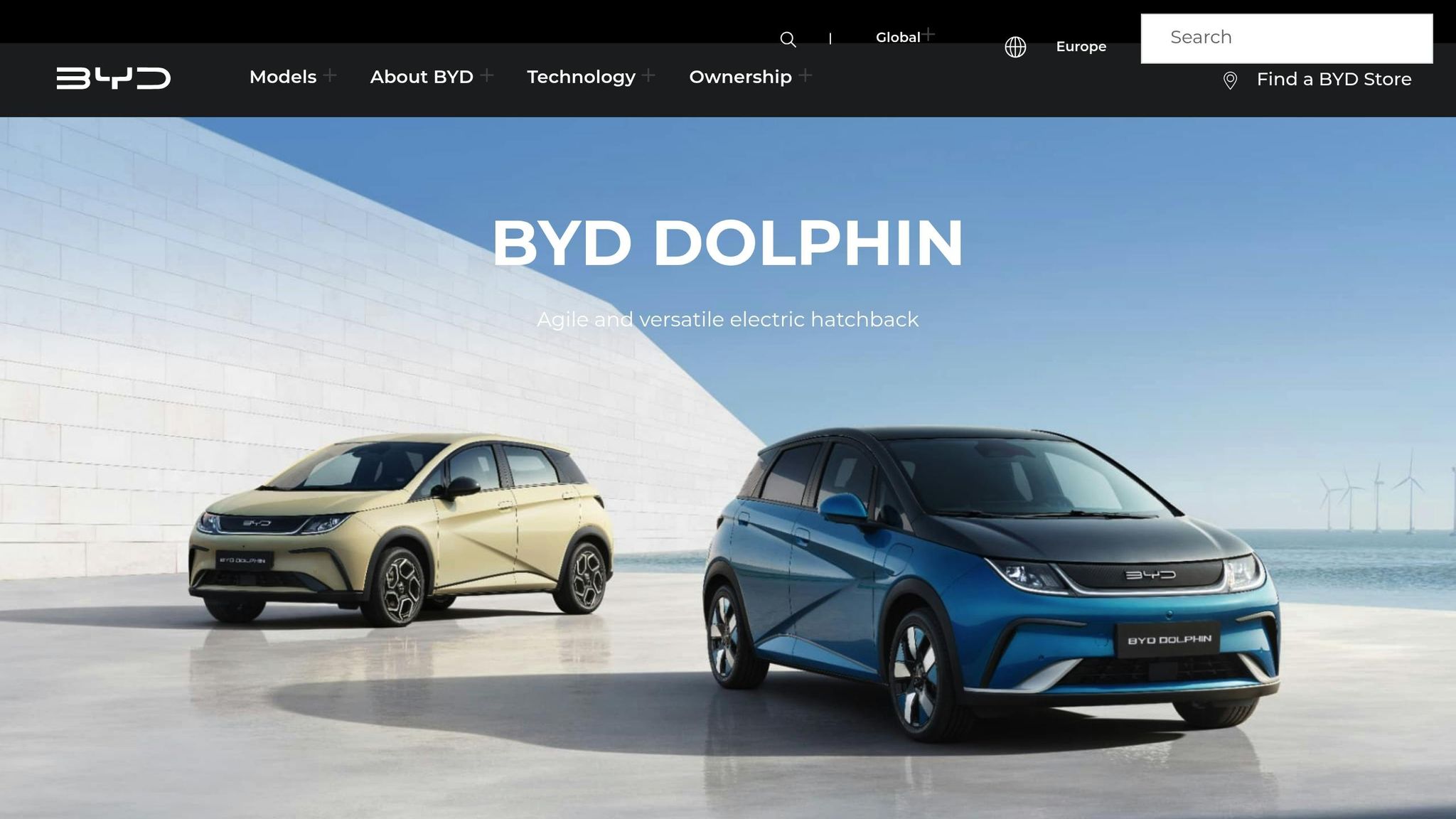
The BYD Dolphin is a C-segment hatchback designed for urban life, built on BYD’s advanced e-Platform 3.0. Officially introduced to Nigeria by Loxea (a division of CFAO Mobility) on March 28, 2025, this compact electric vehicle (EV) offers a smart and practical solution for navigating the country’s bustling traffic. Equipped with a 44.9 kWh Blade Battery, it boasts a range of up to 252 miles (405 km) under WLTP standards. However, in real-world Nigerian traffic, the range typically falls between 186 to 217 miles (300 to 350 km).
At the heart of the Dolphin is its 8-in-1 electric powertrain, which achieves an impressive 89% efficiency. To further enhance performance, it features an integrated heat pump that boosts thermal efficiency by up to 15% by utilizing residual heat from various components. This is particularly useful in Nigeria’s warm climate, as it helps maintain battery efficiency even in high temperatures.
Charging is where the Dolphin truly shines. Its "Chameleon" charger supports both AC and DC fast charging, making it adaptable to different charging setups. At a fast-charging station, the battery can go from 30% to 80% in just 30 minutes. Additionally, the Dolphin includes Vehicle-to-Load (V2L) functionality, which means it can power external devices during outages – an invaluable feature in regions with inconsistent electricity supply.
The estimated price for the BYD Dolphin in Nigeria ranges from ₦22–25 million (around $13,500–$15,300). Loxea provides comprehensive support, including showrooms, charger installations, after-sales services, and warranty coverage, ensuring a seamless ownership experience.
Safety is another strong point of the Dolphin. Its Blade Battery technology has passed the rigorous Nail Penetration Test, often regarded as the toughest safety standard for batteries. It has also endured extreme conditions such as crushing, bending, heating to 572°F (300°C), and overcharging by 260%, all without catching fire or exploding. This makes the Dolphin a dependable choice for Nigerian families looking for a safe and efficient vehicle for their daily commutes.
3. BYD Atto 3
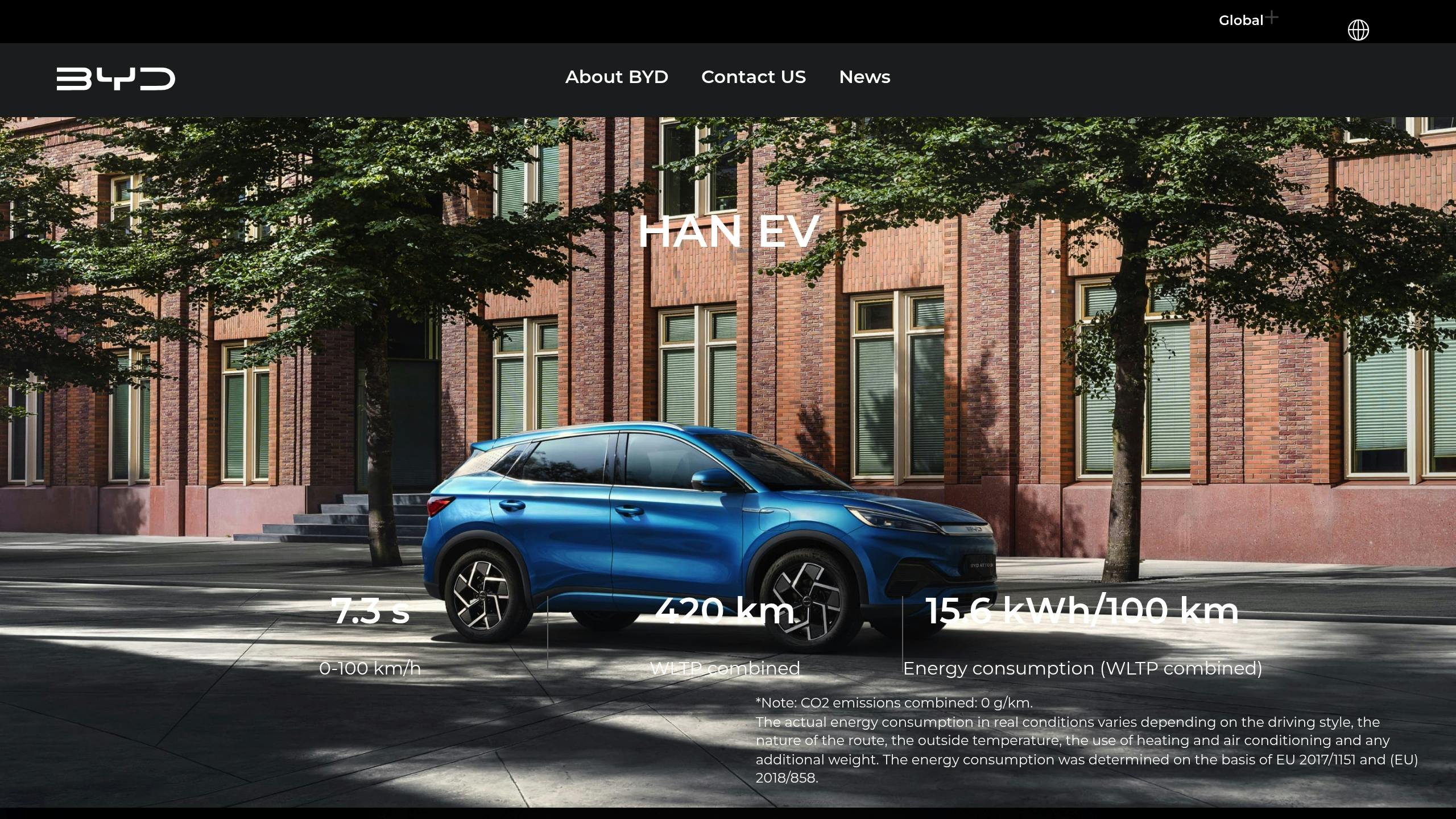
The BYD Atto 3 is a compact electric SUV designed with Nigerian families and professionals in mind. Built on BYD’s e-Platform 3.0, it offers more space and power while meeting the demands of modern electric mobility. Officially launched in Nigeria on March 28, 2025, the Atto 3 holds the distinction of being the country’s first widely available electric SUV. It’s powered by a 60.5 kWh Blade Battery, delivering a WLTP range of about 261 miles (420 km). This range has been tested on Lagos roads, proving its practicality for local conditions.
Under the hood, the Atto 3 is equipped with a 150 kW motor that generates 204 horsepower and 310 N·m of torque. This setup allows the SUV to go from 0 to 62 mph (0–100 km/h) in just 7.3 seconds, making it well-suited for navigating Nigeria’s bustling highways. It also features a High Efficiency Heat Pump System, designed to handle Nigeria’s warm climate effectively, and supports DC fast charging, offering added convenience for its users.
Practical road tests in Lagos highlighted its responsive handling, making it a reliable choice for daily commutes. Inside, the Atto 3 impresses with its tech-savvy design, including a rotatable touchscreen and advanced driver assistance systems (ADAS) for a modern driving experience. Like other models from BYD, the Atto 3 combines efficiency with cutting-edge technology, addressing Nigeria’s growing need for sustainable mobility solutions.
To further support this transition, Loxea is actively expanding its network of showrooms, test-drive centers, and charging stations across the country, ensuring that Atto 3 buyers enjoy a seamless ownership experience.
4. BYD Fore1 / E1
The BYD E1 is a compact, budget-friendly hatchback aimed at urban commuters who need a simple yet efficient ride. Listed as "upcoming" in Nigeria on the BYD Nigeria website, this vehicle is designed with city driving in mind. Its small dimensions – 3,465 mm in length and 1,618 mm in width [24,26] – make it perfect for navigating Nigeria’s busy streets, where space is often at a premium. Compared to larger models like the Atto 3, the E1 is notably smaller, which adds to its urban practicality.
Under the hood, the E1 is powered by a 45 kW motor (61 HP) and a 32 kWh Lithium Iron Phosphate (LFP) battery, giving it an estimated range of 300–305 km (186–190 miles) on a single charge. It’s built for daily commutes, with a top speed of 130 km/h (81 mph) and a 0–100 km/h (0–62 mph) acceleration time of 10.3 seconds. The energy consumption is efficient too, averaging about 10.5 kWh per 100 km (62 miles).
In terms of pricing, the E1 is expected to cost between ₦12–14 million in Nigeria, making it the most affordable BYD model available. This price point is significantly lower than the Dolphin (₦22–25 million) and the Atto 3 (₦28–32 million), positioning the E1 as an accessible entry into the electric car market for middle-class Nigerians. The E1 supports DC fast charging at 50 kW, allowing it to charge from 30% to 80% in just 30 minutes. It also offers AC charging at 6.6 kW, although it lacks features like a heat pump or Vehicle-to-Load (V2L) functionality.
BYD’s exclusive distributor in Nigeria, Loxea, provides comprehensive support for E1 owners through service centers and showrooms located in Lagos (Ikeja and Victoria Island), Abuja (Wuse II), and Port Harcourt (GRA). Additional locations in Enugu and Onitsha are also in the pipeline. These centers offer on-site charging, maintenance, and after-sales services to ensure a smooth ownership experience. For those considering independent importation, AUTO IN CHINA facilitates procurement and shipping from Guangzhou to Lagos at competitive rates.
Durability is another strong point for the E1, as its LFP battery is optimized to handle Nigeria’s high temperatures. This heat resistance enhances both safety and battery life [1,24]. While detailed reviews of its performance in Nigerian conditions are not yet available, BYD advises regular battery check-ups to maintain cooling efficiency. Additionally, the car’s lightweight frame (1,080 kg or 2,381 lbs) makes it essential to monitor tire and brake wear for peak performance [1,24]. With a five-seat configuration and front-wheel drive, the E1 is a practical option for small families or professionals navigating Nigeria’s urban landscapes.
sbb-itb-99e19e3
5. BYD Yuan Up / Yuan Plus
The BYD Yuan Plus steps up as a mid-range compact SUV, offering a balance of performance and premium features. Positioned between the Dolphin and Atto 3 in BYD’s lineup, this SUV is built on the advanced e-Platform 3.0, blending smart technology with safety and efficiency. According to the BYD Nigeria website, the 2025 models are priced between ₦29,100,000 and ₦33,700,000.
This model comes with two battery options. The first is a 49.92 kWh battery providing a CLTC range of 430 km (267 miles), while the second features a 60.48 kWh battery with a range of 510 km (317 miles). Both versions are powered by a 150 kW motor (204 HP) delivering 310 N·m of torque, allowing the SUV to accelerate from 0 to 100 km/h (0–62 mph) in just 7.3 seconds. For charging, the larger battery supports 80 kW DC fast charging, while the smaller one charges at 70 kW. Both can go from 30% to 80% charge in about 30 minutes. Additionally, the 510 km variant comes with V2L (Vehicle-to-Load) functionality.
Inside, the Yuan Plus boasts a modern design with a 12.8-inch adaptive touchscreen, wireless charging, and a unique "Mobile Gym Inspired" interior featuring guitar-styled door panels. The SUV measures 4,455 mm in length, 1,875 mm in width, and 1,615 mm in height, with a wheelbase of 2,720 mm, comfortably seating five passengers. Its suspension system combines MacPherson struts in the front and a multi-link setup in the rear, ensuring a smooth ride on Nigeria’s diverse road conditions. Safety features include multiple airbags, electronic stability control, blind spot detection, Lane Keeping Assistance, and Integrated Adaptive Cruise Control.
Designed with Nigeria’s warm climate in mind, the Yuan Plus uses a high-efficiency heat pump and direct battery cooling to maintain optimal performance. Its Lithium Iron Phosphate Blade Battery enhances thermal stability and safety, while the extended range helps reduce concerns about charging infrastructure as it continues to develop.
6. BYD Song Plus DM-i and Tang (PHEVs)
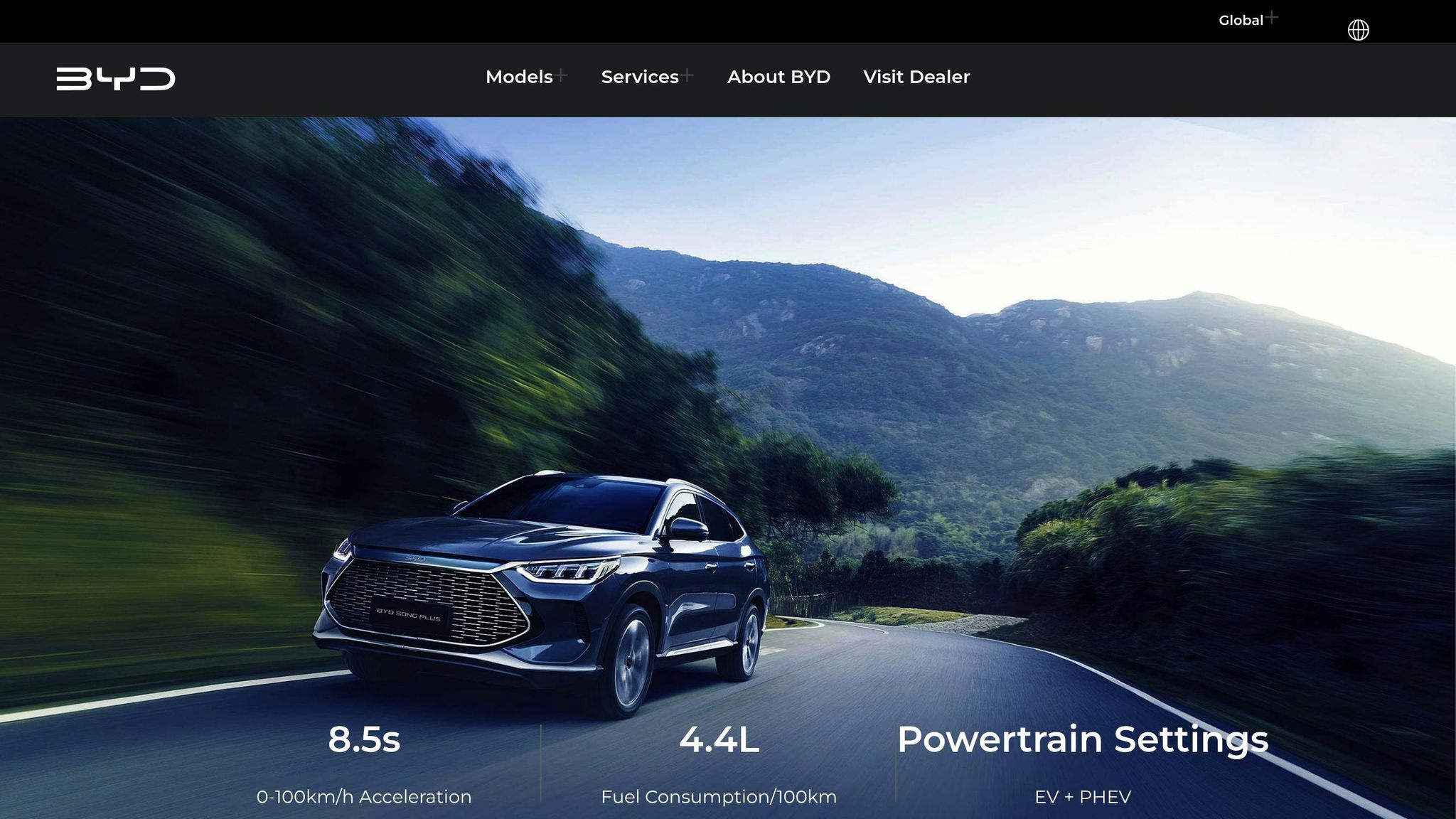
BYD is making strides in Nigeria with two plug-in hybrid electric vehicles (PHEVs) that combine a petrol engine and an electric motor, offering a mix of efficiency and flexibility. The Song Plus DM-i is priced between ₦28–33 million, accelerates from 0 to 62 mph in about 7 seconds, and provides an electric-only range of approximately 50 miles. Meanwhile, the Tang, positioned as a premium option, costs around ₦45–50 million and extends the electric range to about 56 miles. These hybrids are a practical addition to BYD’s fully electric lineup, catering to buyers who face challenges with limited charging infrastructure.
These vehicles are designed to address Nigeria’s unique charging challenges. Drivers can charge the battery at home during stable electricity periods for daily city commutes. For longer trips or areas with fewer charging options, the petrol engine steps in, ensuring uninterrupted performance. This dual functionality also helps offset the impact of fluctuating fuel prices, making them a versatile choice for Nigerian roads.
BYD’s exclusive distributor, LOXEA, strengthens the brand’s presence with extensive aftersales support and warranties. Buyers enjoy a 6-year body warranty and an 8-year battery warranty. Interested customers can visit LOXEA’s offices in Lagos or Abuja to check availability and schedule test drives. Alternatively, the BYD Nigeria website offers an easy way to book test drives and connect with authorized dealers.
Together, the Song Plus DM-i and Tang offer a balance of electric efficiency and petrol reliability. While Nigeria continues to develop its charging infrastructure, these PHEVs provide a practical solution for reducing emissions and cutting fuel costs without compromising convenience.
Advantages and Disadvantages
When weighing the pros and cons of BYD’s models, it’s clear each vehicle comes with its own set of perks and trade-offs. Let’s break it down:
The E1 and Seagull are the most budget-friendly options, priced between ₦12–14 million and ₦15–18 million, respectively. Both offer a range of around 190 miles, making them suitable for city commutes. However, their smaller size might not be ideal for larger families or those needing extra space.
Stepping up, the Dolphin and ATTO 3 fall into the ₦22–25 million and ₦28–32 million price brackets. These models provide ranges of around 186–217 miles, offering more versatility. The ATTO 3, in particular, stands out with its spacious cabin, making it a better fit for families. That said, Nigeria’s limited charging infrastructure remains a hurdle, especially for fully electric models.
For drivers worried about charging availability, the Song Plus DM-i and Tang plug-in hybrids are solid alternatives. These models combine electric motors with petrol engines, easing range anxiety while cutting down daily fuel expenses. Priced at ₦28–33 million for the Song Plus DM-i and ₦45–50 million for the Tang, they offer flexibility. However, managing a hybrid system can be more complex, and the Tang’s price might be out of reach for budget-conscious buyers.
Aftersales support is another critical factor. LOXEA provides a 6-year body warranty and an 8-year battery warranty, addressing common concerns about owning an EV in Nigeria. Charging infrastructure, while growing in Lagos, Abuja, and Port Harcourt, is still sparse outside these areas, which could limit the practicality of fully electric models.
For those looking for a middle ground between economy and premium, the Yuan Up and Yuan Plus are worth considering. Priced at ₦25–28 million and ₦30–35 million, these crossovers offer competitive ranges and stylish designs. However, availability through import channels can be inconsistent, which may pose challenges for some buyers.
Ultimately, Nigerian buyers need to carefully balance their budget, desired range, and the realities of the current charging infrastructure when choosing a BYD model. Each option caters to different needs, but compromises are inevitable.
Conclusion
On March 28, 2025, BYD made its entry into Nigeria through LOXEA, bringing a broad range of electric vehicle (EV) options that cater to both budget-conscious buyers and those seeking premium models. This lineup is designed to meet the needs of urban commuters and families alike.
For city drivers on a budget, models like the E1 and Seagull offer practical and affordable solutions. Meanwhile, families looking for more space can turn to the ATTO 3 and Dolphin. For those worried about charging infrastructure, plug-in hybrids like the Song Plus DM-i and Tang provide the convenience of switching to petrol when needed.
LOXEA has addressed common barriers to EV adoption by creating a well-rounded ecosystem. With showrooms, charging stations, and after-sales services, they make the transition to EVs much easier. Combined with LOXEA’s dependable support network, these offerings present a clear path toward sustainable transportation. BYD’s global milestones – selling 4.27 million new energy vehicles in 2024 and becoming the first automaker to produce its 10-millionth NEV in November 2024 – highlight the brand’s reliability and global impact.
Whether you’re prioritizing your budget, driving habits, or charging options, there’s a BYD model to suit your needs. Visit LOXEA showrooms to explore these vehicles in person, and take advantage of home and office charging solutions designed to address Nigeria’s infrastructure challenges.
FAQs
What are the main advantages of buying a BYD electric car in Nigeria?
Choosing a BYD electric car in Nigeria brings several notable benefits. For starters, these vehicles help you save on fuel expenses since electricity generally costs less than gasoline or diesel. Plus, they’re a cleaner alternative, helping to lower emissions and promote a healthier environment.
BYD electric cars come packed with useful features like long-lasting batteries, quick-charging options, and advanced safety systems, making them a practical choice for everyday driving. They also include regenerative braking technology, which boosts energy efficiency while you’re on the road. With local dealerships providing maintenance and warranty services, owning a BYD electric car is not only easy but also dependable.
What is BYD doing to address the challenges of limited charging infrastructure in Nigeria?
BYD is addressing Nigeria’s limited charging infrastructure by incorporating fast-charging capabilities and regenerative braking systems into its electric vehicles. These technologies not only enhance energy efficiency but also cut down on the need for frequent charging, making EV ownership more practical while the country’s charging infrastructure develops.
On top of that, BYD is working with local partners to find ways to expand charging networks, aiming to ensure drivers have reliable access to charging options in the future.
Are there any government incentives or support programs for buying BYD electric vehicles in Nigeria?
At the moment, Nigeria does not offer any government incentives or support programs for purchasing BYD electric vehicles. This means buyers will need to pay the full price without the benefit of subsidies or tax reductions.
That said, as electric vehicles gain traction in the country, there’s a possibility that policies or initiatives to encourage EV adoption might emerge. For now, buyers can look into financing options through local dealerships or private lenders to help spread out the cost of their purchase.