
 Thabo Nkosi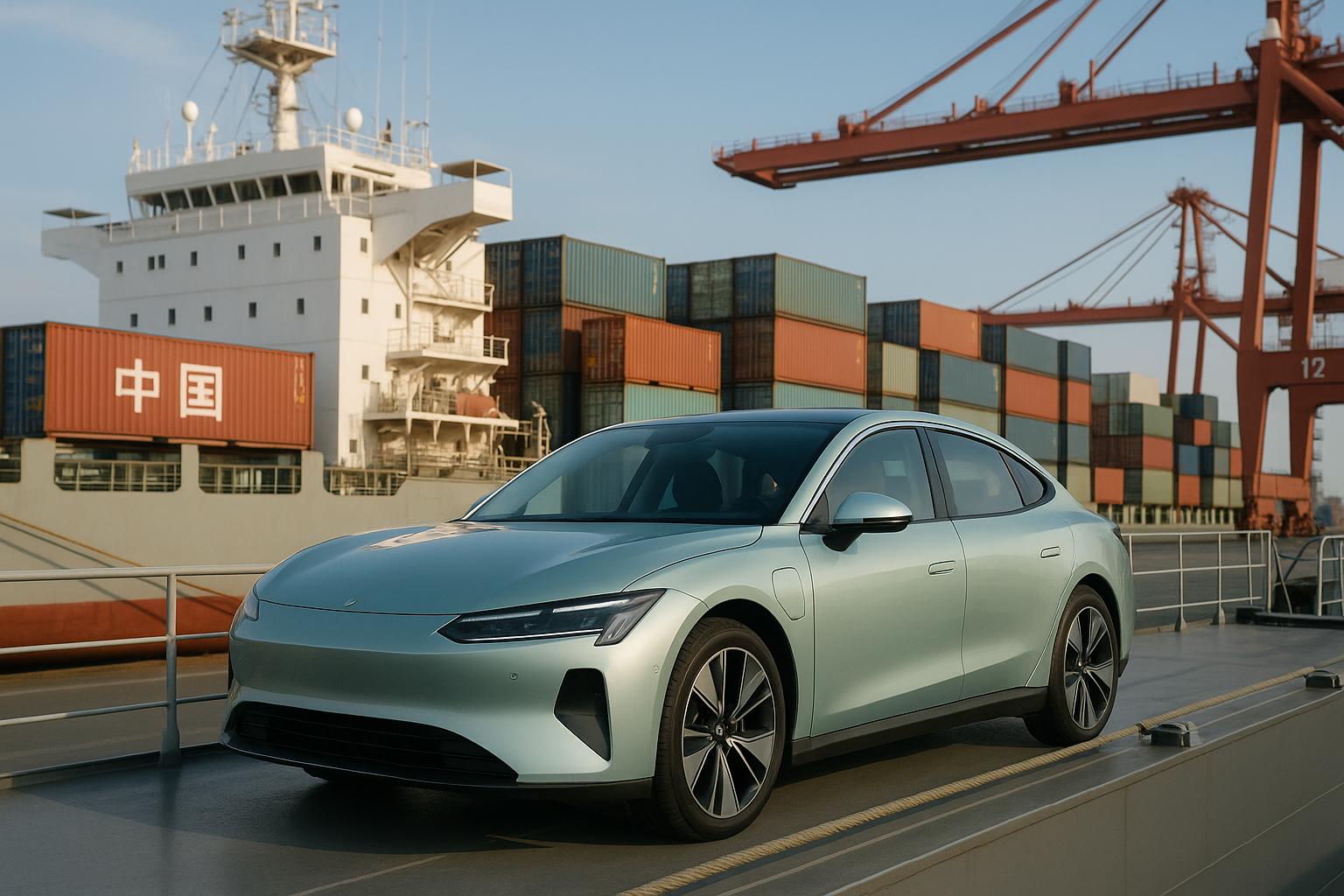
In 2025, importing electric vehicles (EVs) from China to Zambia has become easier and more cost-effective due to Zambia’s tax exemptions and growing EV market. The Zambian government has removed customs duties on EVs and charging systems, making EVs a practical choice over traditional vehicles. With Chinese manufacturers offering competitive pricing and Zambia’s EV registrations increasing by over 330% between 2023 and 2025, now is a great time to consider this option.
Here’s what you need to know:
- Tax Breaks: EVs are exempt from import duty, VAT, and excise duty in Zambia.
- Compliance: Vehicles must meet Zambian safety standards and undergo inspections.
- Shipping: Common routes include Durban, South Africa, with costs starting at $2,300 for a full container.
- Costs: Budget for purchase price, shipping, customs clearance, and registration fees.
- Challenges: Limited charging infrastructure, warranty coverage, and currency fluctuations require careful planning.
This guide covers everything from finding reliable suppliers to calculating total costs and navigating logistics. With the right preparation, importing an EV can be a smooth process.
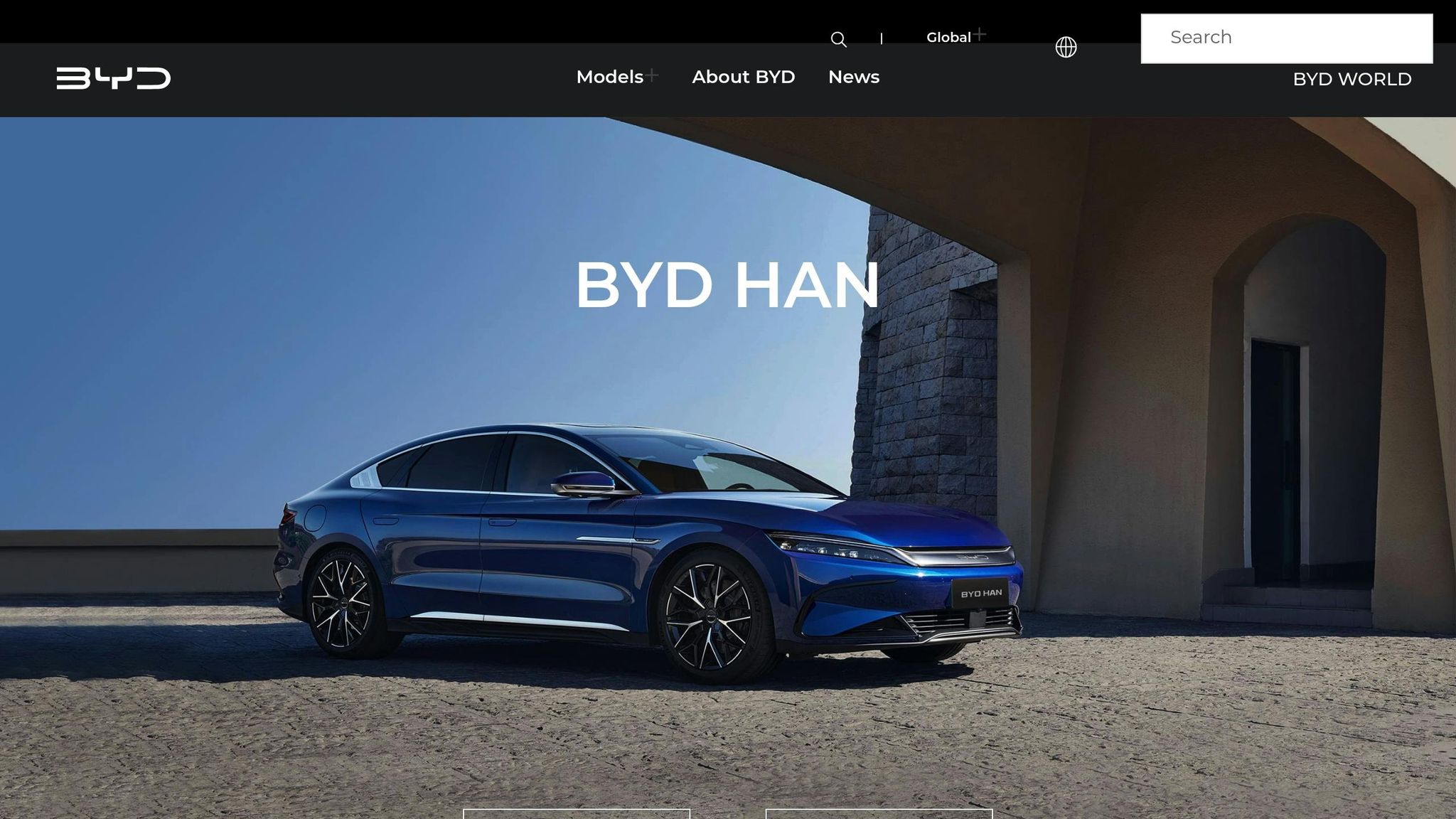
BYD and Pilatus Motors Launch Multiple EV Models in Zambia
Zambia’s EV Import Policies and Regulations
Before diving into the import process, it’s crucial to understand Zambia’s regulatory framework. The government has introduced policies aimed at encouraging the use of electric vehicles (EVs), offering importers substantial tax breaks compared to traditional vehicles.
Customs Duties and Tax Incentives for EVs
Electric vehicles, whether imported or assembled locally in Zambia, enjoy full exemptions from import duty, Value Added Tax (VAT), and excise duty. By comparison, conventional imports are subject to customs duties ranging from 0% to 40%, plus a 16% Import VAT. These exemptions even cover charging infrastructure, significantly reducing the overall cost of EV ownership compared to gasoline or diesel models. Hybrid vehicles, while not entirely exempt, benefit from reduced duties.
It’s a good idea to confirm the exemption status with the Zambia Revenue Authority (ZRA), as tax policies can change.
Road and Safety Compliance Standards
All imported EVs must comply with road safety standards set by the Road Transport and Safety Agency (RTSA) and the Zambia Compulsory Standards Agency (ZCSA). For used EVs, a pre-shipment inspection in the export country must verify compliance with ZS 560. In 2025, ZCSA worked with the Zambia Motor Dealers Association (ZMDA) to strengthen these safety protocols, emphasizing strict adherence to ZS 560.
Once the vehicle arrives in Zambia, you’ll need to obtain a Physical Inspection Report and an Interpol Motor Vehicle Clearance from RTSA, which involves an additional inspection.
On the environmental side, Zambia enforces Extended Producer Responsibility (EPR) Regulations under Statutory Instrument No. 65 of 2018. These rules include electronic waste management, such as EV batteries. Although specific standards for EV battery disposal and recycling are still being developed, staying informed about these evolving requirements is especially important for importers handling multiple vehicles or running a dealership.
Next, explore how to import EVs from China to Zambia.
How to Import EVs from China to Zambia
Bringing an electric vehicle (EV) from China to Zambia involves several critical steps, from choosing a reliable supplier to navigating customs and shipping logistics. Here’s a breakdown of the process.
Choosing a Reliable Chinese EV Manufacturer or Supplier
The first step is finding a trustworthy supplier who understands export regulations and can deliver a vehicle that meets Zambian requirements.
Start by verifying the supplier’s credentials. If you’re purchasing a used EV, look for suppliers certified by China’s Ministry of Commerce (MOFCOM) as "Used Car Export Pilot Enterprises." These companies have official export license numbers, which you should ask for and verify.
Suppliers must also meet China’s WM/T8-2022 standard. This ensures vehicles have undergone checks for accident history, water damage, and the condition of key components like the motor and battery.
Reputable suppliers provide detailed information, such as real-time inventory, VINs, inspection videos, and maintenance records. Some even offer online video inspections, allowing you to check the vehicle remotely before it’s shipped.
After-sales support is another key consideration. Check if the supplier or manufacturer has a service network in Africa and whether they offer warranty coverage in Zambia. Also, request a detailed contract outlining the vehicle’s condition, delivery schedule, payment terms, and what happens if the vehicle doesn’t match the description.
Once you’ve chosen a supplier, you’ll need to prepare the required documentation for customs clearance.
Required Documentation and Customs Procedures
Having accurate documentation is essential to avoid delays and penalties.
You’ll need:
- A commercial invoice detailing the purchase price and vehicle specifications.
- A certificate of origin.
- A bill of lading confirming shipment details.
Ensure all document details match exactly to prevent customs issues.
Additionally, secure marine insurance to cover the vehicle during shipping. This is often required by both customs authorities and lenders. The insurance should cover the full value of the vehicle, including shipping costs.
An import license or permit from the Zambia Revenue Authority (ZRA) is mandatory. Check ZRA’s current guidelines, as these can change. You’ll also need a customs declaration form that includes details like the vehicle’s make, model, year, VIN, engine type, and declared value. Accuracy is crucial – undervaluing the vehicle can result in fines.
Shipping and Logistics Considerations
Since Zambia is landlocked, your EV will arrive by sea at a neighboring country’s port and then continue overland to Zambia.
The most common route is through Durban, South Africa, followed by overland transport to cities like Lusaka, Ndola, or Kitwe. Other port options include Dar es Salaam in Tanzania, Beira in Mozambique, or Walvis Bay in Namibia. Transit times from Durban to Zambia typically range from 20 to 25 days.
Sea freight is generally the most cost-effective shipping option. If you’re shipping Less than Container Load (LCL) – where your vehicle shares container space with other cargo – expect to pay around $120–200 per cubic meter (CBM). For a full 20-foot container (FCL), costs start at approximately $2,300, though prices vary depending on the shipping line, fuel costs, and season. Most passenger EVs are shipped via roll-on/roll-off (RoRo) vessels or containers, with RoRo being more common for individual vehicles.
Air freight is faster but significantly more expensive. It’s mainly suitable for urgent shipments or high-value vehicles.
To simplify the process, consider door-to-door or DDP (Delivered Duty Paid) services. These options cover everything from pickup and shipping to customs clearance and delivery, often including duties and VAT in the quoted price.
Several factors can influence shipping costs and timelines:
- Seasonal fluctuations: Peak shipping periods, such as the Chinese Spring Festival or year-end, often lead to delays and higher prices.
- Port efficiency: High-traffic ports like Durban can experience congestion, affecting delivery times.
- Weather and fuel prices: These can impact freight rates.
Trade policies and agreements between China and African nations also affect costs. For example, trade volumes between China and Zambia reached $3.56 billion in the first half of 2025, a 15.5% year-on-year increase, reflecting well-established shipping routes.
When deciding on a shipping method, consider your EV’s specifications. Compact passenger cars have different weight and handling needs compared to heavy-duty electric trucks. Provide these details to your freight forwarder for accurate quotes and proper handling.
Finally, account for inland transportation costs from the port to your destination in Zambia. Whether by road or rail, be prepared for potential delays at border crossings. Choose a shipping provider familiar with the route to ensure a smooth process.
sbb-itb-99e19e3
Total Cost of Importing an EV
When planning to import an electric vehicle (EV) from China to Zambia, understanding the full range of costs involved is essential for proper budgeting. It’s not just about the sticker price of the car – several additional expenses come into play, and knowing these in advance can save you from unexpected financial surprises.
Purchase Price and Shipping Costs
The foundation of your total cost is, of course, the purchase price of the EV. Chinese EV prices typically break down as follows: battery costs account for 35%–45%, manufacturing makes up 25%–30%, technical premiums contribute 10%–15%, and tariffs and logistics add another 15%–20% to the total price. To start, ensure you get an itemized invoice detailing all these components, as this will be critical for customs clearance.
Shipping costs are another significant factor. Depending on the shipping method and route you choose, prices can vary widely. Be sure to get updated quotes from your logistics provider to include these costs in your calculations. Together with insurance and any incidental fees incurred before the vehicle reaches Zambia’s port of entry, these costs form the CIF (Cost, Insurance, and Freight) value. This CIF value serves as the baseline for customs duty calculations.
Now, let’s look at how customs duties, taxes, and port charges further increase the total cost.
Customs Duties, Taxes, and Port Charges
Once your EV arrives in Zambia, customs duties and taxes will make up a significant portion of your expenses. The Zambia Revenue Authority (ZRA) calculates these charges based on the Value for Duty Purposes (VDP), which is the Kwacha equivalent of your CIF value. To estimate these costs, multiply the VDP by the applicable duty and tax rates.
The specific rates depend on several factors, including the vehicle’s engine capacity, age, and type. To avoid surprises, consult the latest ZRA guidelines. The ZRA website offers helpful tools like a motor vehicle tax calculator and a duty lookup tool to assist you in estimating these expenses.
For shipments with a CIF value exceeding $2,000, you’ll need to hire a licensed clearing agent to handle declarations through the Customs electronic processing system. Clearing agents charge a fee for their services, so don’t forget to include this in your budget.
In addition to duties, you’ll also need to pay Value Added Tax (VAT) on the total dutiable value. Other possible charges include surtaxes, port handling fees, and terminal charges. Physical inspections at the port may also verify that all taxes have been paid. Keeping your documentation accurate and organized is crucial to avoid penalties or delays.
Once these steps are completed, you can move on to registering and licensing your EV.
Registration and Licensing Fees
After clearing customs, the next step is to register your EV with the Road Transport and Safety Agency (RTSA). Zambia offers reduced registration fees for electric vehicles, which helps lower overall ownership costs. Be sure to have all necessary documents, including proof of ownership and customs clearance papers, ready for submission.
It’s also wise to budget an additional 10%–15% for any unexpected fees that may arise during the process. To confirm the exact registration fees and requirements, contact RTSA directly, as these can change over time.
Common Challenges When Importing EVs
Bringing an electric vehicle (EV) from China to Zambia can be a complex process, filled with potential hurdles. Knowing what to expect ahead of time can save you from unnecessary headaches and expenses. Let’s break down some of the common challenges and practical ways to address them.
Limited Charging Infrastructure
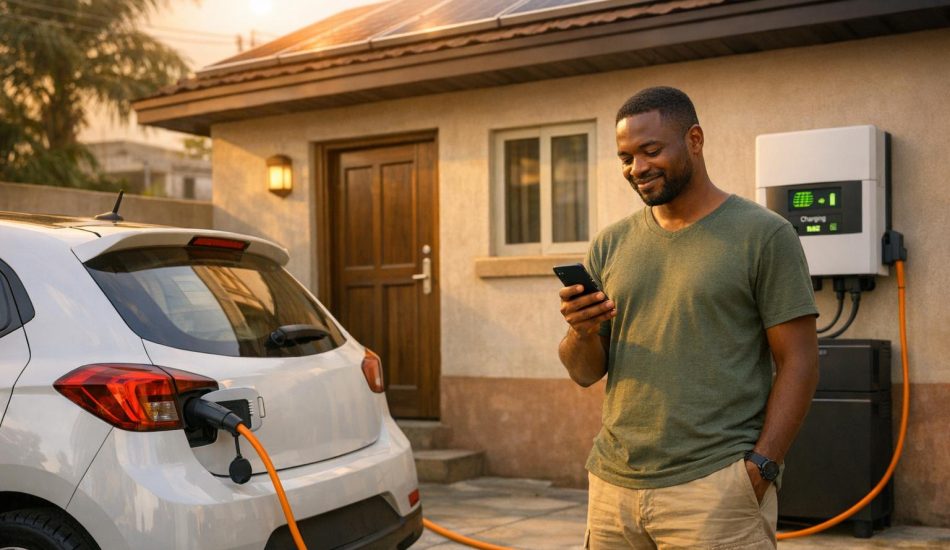
Charging infrastructure in Zambia is still in its early stages, and public charging stations can be unreliable. One of the best ways to work around this is by installing a home charging station. Before your EV arrives, hire an electrician to evaluate your property’s electrical setup. This will help ensure it can handle a Level 2 charger, which typically requires a 240-volt connection (similar to what’s used for larger household appliances). Keep in mind that installation costs will depend on your current electrical system and any upgrades needed.
If you don’t have dedicated parking, you might need to negotiate with landlords or nearby businesses to set up shared charging stations. Alternatively, portable charging options can be a lifesaver. Many EVs from China come with a Level 1 charger that plugs into a standard outlet. While slower, this option works well for short daily commutes or as a backup solution.
For businesses importing multiple EVs, investing in solar-powered charging systems could be a game-changer. Zambia’s ample sunshine makes solar panels a practical way to reduce reliance on the grid and cut long-term costs. Until public charging networks improve, plan your trips carefully, keep an eye on your vehicle’s range, and always maintain a healthy battery reserve.
These logistical issues are just one part of the equation – warranty and service risks are another major consideration.
Warranty and After-Sales Service Risks
Service and support for imported EVs can be tricky. Start by verifying the warranty details with your supplier. Not all Chinese manufacturers offer warranties that remain valid outside of China. Some warranties may even become void once the vehicle leaves the country. Ask for written confirmation about what the warranty covers, how long it lasts, and whether it applies in Zambia. Pay special attention to battery warranties, as replacing a battery can be a significant expense.
If the manufacturer doesn’t provide international coverage, look into third-party warranties. Some global insurance providers offer extended plans that cover key components like the battery, motor, and electronics. While these plans can add to your costs, they provide peace of mind.
It’s also a good idea to connect with a local mechanic willing to learn about EV technology. Even though EVs generally require less maintenance than traditional vehicles, occasional servicing or repairs will still be necessary. Stock up on commonly needed parts like brake pads, tires, and filters to avoid delays in sourcing EV-specific components.
Joining online EV owner communities in Zambia and nearby regions can also be incredibly helpful. These groups often share tips on reliable service providers, common model-specific issues, and where to find parts locally.
Currency Fluctuations and Payment Risks
Importing EVs also comes with financial challenges. Currency fluctuations between the Zambian Kwacha, Chinese Yuan, and US Dollar can significantly impact your final costs.
One way to manage this is by locking in exchange rates. Banks and foreign exchange services often offer forward contracts, which allow you to secure a fixed rate for future transactions. While this may involve a small fee, it protects you from sudden unfavorable changes. Keeping an eye on exchange rate trends can also help you time your payments strategically.
When making payments, use secure methods that include buyer protection. For example, letters of credit ensure that funds are only released to the supplier once certain conditions – such as shipment verification – are met. Avoid sending full wire transfers to suppliers unless you’ve thoroughly vetted them. If a wire transfer is necessary, break it into smaller payments tied to milestones, such as order confirmation, shipping, and delivery.
It’s also wise to build a buffer into your budget to account for unexpected currency shifts. Opening a US Dollar or multi-currency account can help you gradually collect foreign currency at favorable rates, reducing the impact of sudden changes.
Lastly, keep detailed records of everything – supplier communications, payment confirmations, exchange rate details, and shipping documents. These records are invaluable if you face disputes with suppliers, customs, or financial institutions.
Conclusion
Bringing electric vehicles into Zambia from China in 2025 presents a promising opportunity in a rapidly growing market. With recent government initiatives removing customs duties on electric vehicles – covering everything from motorcycles and cars to buses, trucks, and charging systems – entry costs are significantly reduced. This move underscores Zambia’s push toward cleaner and more sustainable transportation options.
To make the most of these incentives, having reliable resources is essential. Platforms like EV24.africa simplify the importation process by offering transparent listings and verified manufacturer details. These tools help address potential challenges, ensuring a smoother and more efficient experience for importers.
With supportive policies and resources like EV24.africa at your disposal, now is an ideal time to explore Zambia’s evolving electric vehicle market.
FAQs
What steps are needed to ensure an imported electric vehicle from China meets Zambian safety and environmental standards?
To bring an electric vehicle (EV) from China into Zambia, you’ll need to ensure it aligns with the country’s safety and emissions standards. This process involves adhering to regulations set by the Zambia Revenue Authority and other relevant agencies. Key steps include completing all necessary customs procedures, paying the required taxes and duties, and ensuring the EV undergoes a pre-shipment inspection to confirm roadworthiness and emissions compliance.
After the EV arrives in Zambia, it must pass local inspections to verify it meets safety and environmental requirements. These checks might take place at the port of entry. Be sure to have all the necessary paperwork on hand – this includes proof of inspection, records of tax payments, and any certifications needed for registration and licensing.
How can I manage currency fluctuations when planning to import an electric car from China to Zambia?
Managing currency fluctuations is a key part of budgeting when importing an electric vehicle. To start, keep a close eye on exchange rates. Partner with a reliable financial institution or forex service to secure favorable rates when the opportunity arises. Tools like forward contracts can also help shield you from unexpected rate changes.
It’s also wise to include a buffer in your budget to absorb any shifts in currency value. Staying up-to-date on economic trends in both China and Zambia can give you a clearer picture of potential rate movements, helping you plan more effectively.
How can I address the challenges of limited EV charging infrastructure in Zambia?
Zambia’s abundant hydroelectric resources make running electric vehicles (EVs) more affordable, offering a practical way to address the country’s limited charging infrastructure. On top of that, the expanding solar energy sector in Zambia opens doors for innovative solutions like rooftop solar systems or utility-scale solar plants to charge EVs, cutting down dependency on public charging networks. Setting up charging options at home or work can also be a smart move, ensuring your vehicle always has reliable access to power, even with infrastructure gaps.