
 Thabo Nkosi
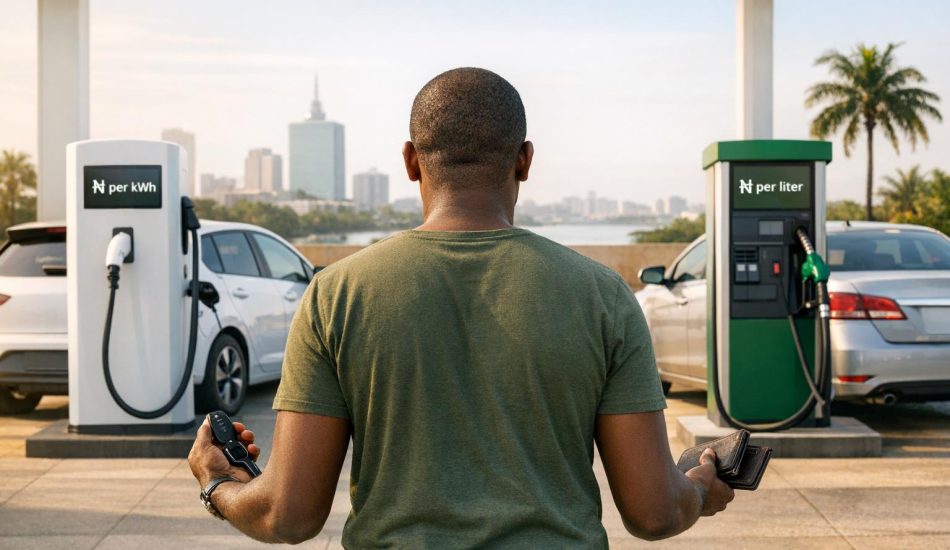
Battery Electric Vehicles (BEVs) are gaining attention in Africa, but adoption faces challenges. BEVs offer lower running costs and no emissions, making them appealing for urban areas. However, high purchase prices, limited charging infrastructure, and unreliable electricity grids make them less practical for many. Internal Combustion Engine (ICE) vehicles remain dominant due to affordability, widespread fuel availability, and established repair networks. Here’s a quick breakdown:
- BEVs: Lower running costs, no emissions, but expensive and reliant on limited infrastructure.
- ICE Vehicles: Cheaper upfront, easier to maintain in Africa, but higher fuel costs and pollution.
Quick Comparison
| Feature | BEVs in Africa | ICE Vehicles in Africa |
|---|---|---|
| Operating Costs | Lower (electricity cheaper than fuel) | Higher (fuel costs add up) |
| Maintenance | Lower (fewer parts, no oil changes) | Higher (regular servicing needed) |
| Emissions | None | High (contributes to air pollution) |
| Infrastructure | Limited charging stations | Widespread fuel and repair networks |
| Purchase Price | High | Lower, especially used models |
For now, ICE vehicles are more practical for most Africans, but BEVs could grow as infrastructure improves and costs fall.
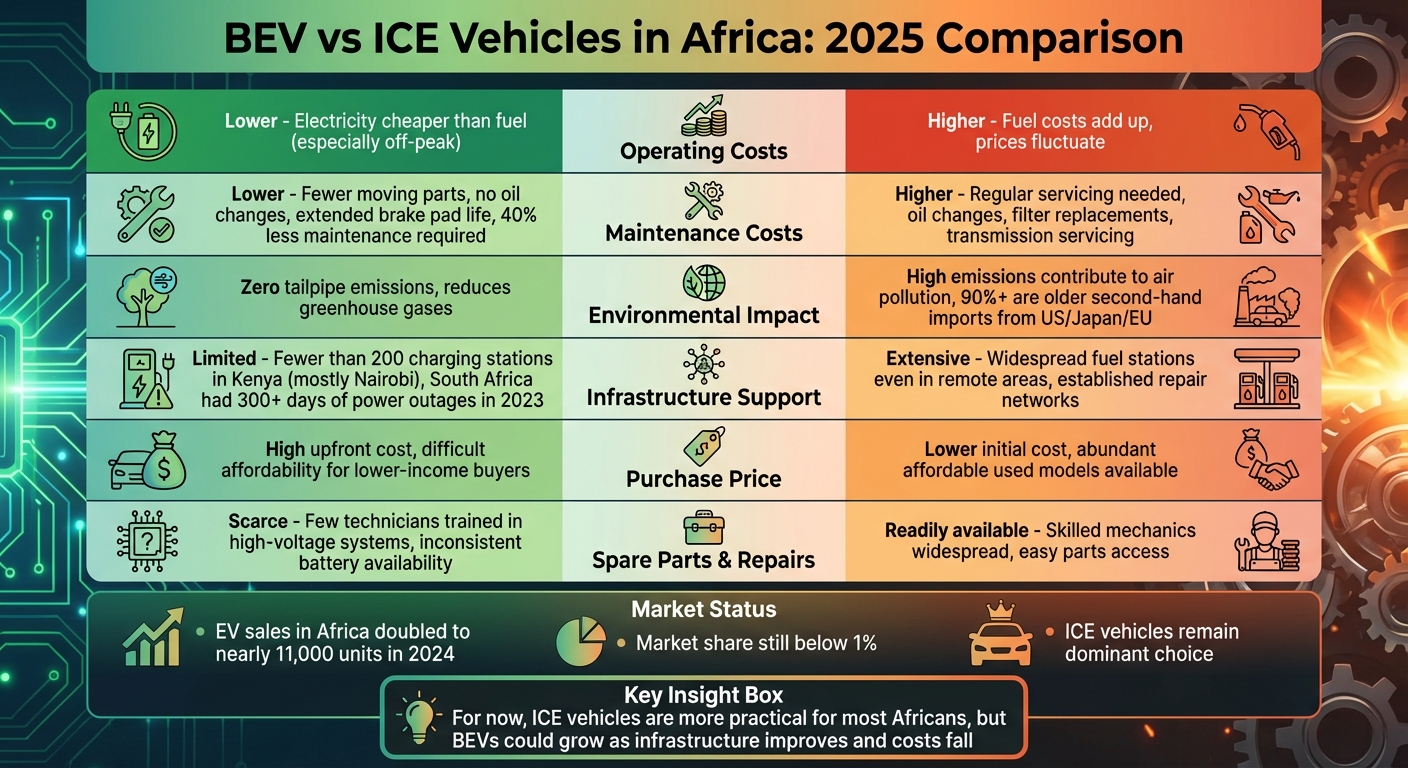
BEV vs ICE Vehicles in Africa: Complete Comparison 2025
1. Battery Electric Vehicles (BEVs)
Operating Costs
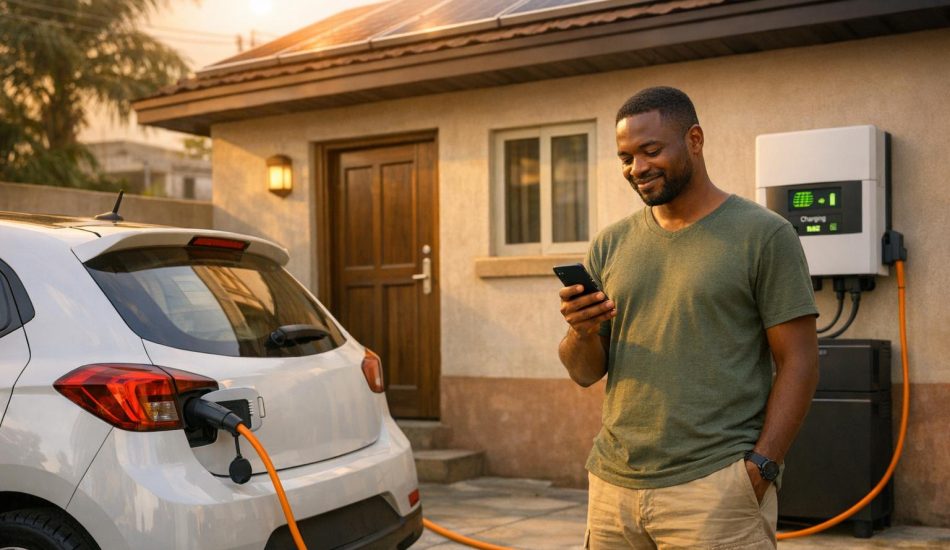
BEVs offer substantial savings in day-to-day operations. With no need for fuel stops and fewer moving parts, they sidestep costs like engine oil changes. Plus, regenerative braking reduces brake wear, cutting down on maintenance expenses. However, these savings can be undermined by challenges like unreliable electricity, reliance on expensive diesel generators, rough road conditions, and extreme heat, all of which can accelerate battery wear. While these vehicles promise lower operating costs, the reality often depends on local conditions.
Environmental Impact
One of the standout benefits of BEVs is their ability to cut urban air pollution. With no tailpipe emissions, they can play a critical role in improving air quality – a pressing concern for densely populated African cities where public health is a major priority.
Infrastructure and Support
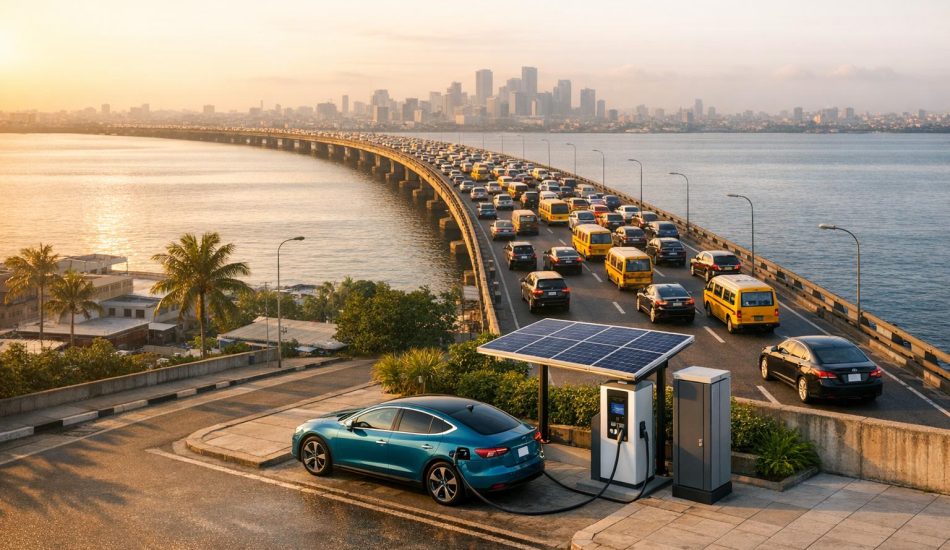
Charging infrastructure remains a significant hurdle for BEV adoption in Africa. Take Kenya, for instance: by 2023, the country had fewer than 200 public charging stations, most of which were concentrated in Nairobi. This is a far cry from the expansive networks seen in other parts of the world. South Africa’s situation is even more challenging, with over 300 days of rolling power outages in 2023, making reliable EV charging a daunting task.
Beyond charging, the region struggles with other critical issues. Repair facilities and technicians trained in high-voltage systems are scarce, and the availability of spare parts and batteries is inconsistent. These challenges contribute to range anxiety and potential vehicle downtime, adding to the operational difficulties of owning a BEV in the region.
Purchase Prices
When it comes to affordability, BEVs face an uphill battle. While emerging EV markets often see entry-level BEVs priced lower than comparable internal combustion engine vehicles, this trend doesn’t necessarily translate to accessibility. In many African countries, lower average incomes make even these lower-priced options difficult for a large portion of the population to afford. This financial barrier may keep BEVs out of reach for many potential buyers, despite their long-term benefits.
2. Internal Combustion Engine (ICE) Vehicles
Operating Costs
Owning an ICE vehicle comes with ongoing expenses. Every trip to the pump adds to fuel costs – something BEVs completely sidestep. Beyond fuel, ICE engines demand regular upkeep, such as oil changes, filter replacements, and transmission servicing. Over time, this adds up, with ICE vehicles typically requiring about 40% more maintenance than BEVs. However, ICE vehicles do have one clear advantage: their established refueling network. This makes them particularly practical for long-distance travel in regions like Africa, where charging infrastructure is still limited and charging times can be lengthy. That said, the environmental toll of ICE vehicles can’t be ignored.
Environmental Impact
The environmental footprint of ICE vehicles in Africa is substantial. According to the United Nations Environment Programme, over 90% of vehicles imported into Africa are second-hand, older models typically powered by fuel and originating from places like the United States, Japan, or Europe. These aging vehicles emit higher levels of pollutants, worsening air quality in many African cities. While regions such as the European Union have introduced strict emissions regulations and incentives to promote electric vehicles, African countries remain heavily dependent on older ICE models. This reliance poses significant challenges to achieving climate change targets.
Infrastructure and Support
One of the key strengths of ICE vehicles in Africa is the extensive infrastructure supporting them. Gasoline and diesel stations are widely available, even in remote areas, ensuring easy refueling. Additionally, the continent boasts a well-established network of repair shops, skilled mechanics, and readily available spare parts. Despite the growing interest in electric vehicles – evidenced by a doubling of EV sales in Africa to nearly 11,000 units in 2024 – their market share still lingers below 1%. This highlights the region’s continued dependence on ICE vehicles and the mature systems built around them, which also play a role in keeping upfront costs manageable.
Purchase Prices
ICE vehicles remain accessible to a broad range of buyers, thanks to the abundance of affordable used models. This affordability is particularly important in a region where lower average incomes make purchasing even the cheapest new vehicles a challenge. While ICE vehicles may come with higher long-term operating costs, their lower initial price points make them a practical choice for many. This upfront affordability continues to cement ICE vehicles as the dominant option in Africa’s current economic landscape.
Focus On New Energy Vehicle Summit 2025: Leading the Charge to a Greener Tomorrow
sbb-itb-99e19e3
Advantages and Disadvantages
Deciding between battery electric vehicles (BEVs) and internal combustion engine (ICE) vehicles in Africa comes down to balancing costs, environmental effects, and practicality. BEVs shine when it comes to lower running and maintenance expenses. Electricity is generally cheaper than gasoline or diesel, and the simpler design of BEVs means no oil changes and less frequent servicing. Plus, BEVs produce no tailpipe emissions, which can improve air quality and reduce reliance on fossil fuels. That said, ICE vehicles still hold their ground thanks to an established network of fuel stations and repair facilities.
On the flip side, BEVs face some serious challenges in Africa. Charging infrastructure is limited, and unreliable electricity grids make charging a gamble in many areas. There’s also a shortage of specialized repair shops and technicians trained to handle high-voltage systems. Add to that the lack of battery recycling systems, and you can see why BEVs aren’t a perfect solution just yet. Harsh road conditions and extreme heat can also shorten battery life, while improper disposal of batteries could contribute to growing e-waste concerns.
ICE vehicles, meanwhile, benefit from a well-established infrastructure, including widespread fuel stations and repair networks, which make them easier to use in many parts of Africa. They also tend to have lower upfront costs. However, they come with higher long-term expenses due to fuel prices and regular maintenance needs. And, of course, their emissions contribute to urban air pollution and greenhouse gas levels.
Here’s a quick comparison of the key trade-offs:
| Feature | BEVs in Africa | ICE Vehicles in Africa |
|---|---|---|
| Operating Costs | Lower (electricity is cheaper and more stable, especially off-peak) | Higher (fuel prices can fluctuate) |
| Maintenance Costs | Lower (fewer moving parts, no oil changes, extended brake pad life) | Higher (more complex systems require regular servicing) |
| Environmental Impact | No tailpipe emissions, reducing greenhouse gases | Tailpipe emissions contribute to air pollution |
| Infrastructure Support | Limited charging stations and unreliable electricity grids | Widespread fuel stations and extensive repair networks |
| National Financial Impact | Reduces dependence on fossil fuel imports and subsidy costs | High fossil fuel import costs and associated subsidy burdens |
Each option has its strengths and weaknesses, and the best choice often depends on local conditions and priorities.
Conclusion
For now, internal combustion engine (ICE) vehicles remain the more practical option for many drivers across Africa. Factors like the widespread availability of fuel stations, lower upfront costs, and easy access to repair services make ICE vehicles a convenient choice for much of the population. On the other hand, battery electric vehicles (BEVs), while offering lower running costs and a smaller environmental footprint, face hurdles such as limited charging infrastructure, unreliable electricity supply, and higher purchase prices.
However, the landscape is starting to change. Countries like Ethiopia, Morocco, Egypt, and Nigeria are implementing policies that support BEV adoption, signaling a shift in market dynamics. These policy changes, combined with growing interest in sustainable transportation, suggest that improvements in affordability and infrastructure could be on the horizon.
As charging networks expand and more budget-friendly BEV models hit the market, these vehicles are likely to become a viable option for urban drivers and fleet operators with predictable routes. Additionally, local manufacturing efforts in places like Morocco and Egypt are expected to drive down costs, create jobs, and reduce reliance on imports.
Ultimately, the choice between ICE vehicles and BEVs will depend on individual circumstances and the availability of infrastructure. Urban residents with reliable electricity might find BEVs increasingly appealing, especially as platforms like EV24.africa simplify comparisons and financing options for buyers across the continent. Meanwhile, rural drivers and those traveling long distances may continue to favor ICE vehicles until charging infrastructure becomes more widespread. While the transition to electric vehicles won’t happen overnight, the groundwork is being laid for a more electrified future in Africa.
FAQs
What are the biggest challenges to adopting electric cars in Africa?
Adopting battery electric vehicles (BEVs) in Africa presents a unique set of hurdles. One of the biggest challenges is the high upfront cost, which makes these vehicles out of reach for many potential buyers. On top of that, the continent struggles with limited charging infrastructure and an unreliable electricity supply, raising questions about how practical BEVs can really be. A major concern for drivers is range anxiety – the fear of running out of battery power with no charging station nearby.
There are other obstacles too. Local manufacturing and technical expertise are lacking, making it harder to build and maintain BEV ecosystems. Public awareness about BEVs remains low, and financing options are limited, which discourages potential buyers. Compounding the issue, many areas still rely on grids powered by fossil fuels, which undermines the environmental advantages of switching to electric. Add to this poor road infrastructure and significant economic disparities across the continent, and it’s clear that the road to widespread BEV adoption in Africa is far from smooth.
How do the operating costs of BEVs compare to gas-powered cars in Africa?
In Africa, Battery Electric Vehicles (BEVs) tend to have much lower operating costs compared to traditional gas-powered cars. To put it into perspective, maintaining a BEV costs about $0.06 per mile, while gas-powered vehicles average around $0.10 per mile. That’s a savings of nearly 40% on maintenance costs.
This cost advantage comes from the fact that BEVs have fewer moving parts, which reduces wear and tear and cuts down on servicing needs. On top of that, electricity is often cheaper than gasoline, making BEVs an even more economical choice for owners.
What steps are being taken to enhance BEV infrastructure in Africa?
Efforts to strengthen battery electric vehicle (BEV) infrastructure across Africa are gaining momentum. A key focus is on expanding charging networks in urban areas and along critical highways. Many of these projects aim to incorporate solar power and other renewable energy sources, tapping into the continent’s abundant natural resources to create sustainable solutions.
Governments and organizations are also collaborating to develop regional policies that attract investment and harmonize regulations across borders. This approach is designed to streamline processes and encourage growth in the BEV sector.
On top of that, there’s increasing emphasis on local manufacturing of electric vehicles and their components. Pilot programs, including those for electric buses and motorcycles, are being introduced to address the specific needs of public and commercial transportation. These initiatives are tailored to tackle the region’s unique challenges while unlocking opportunities for broader BEV adoption.