
 Thabo Nkosi
Africa’s diverse terrains demand electric SUVs that offer long range, high ground clearance, and dependable performance. Here’s a quick rundown of the top models for 2026:
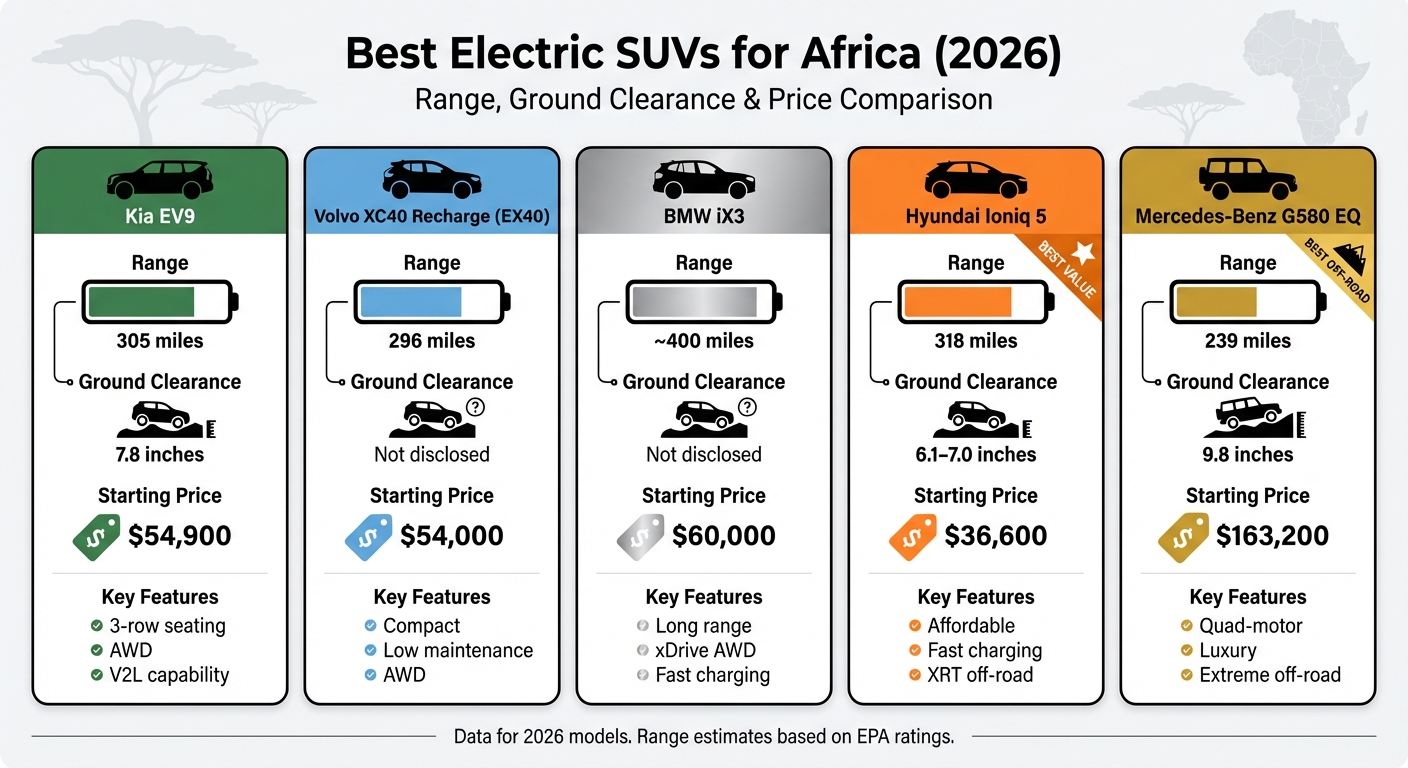
- Kia EV9: Up to 305 miles of range, 7.8 inches of ground clearance, and a starting price of $54,900.
- Volvo XC40 Recharge (EX40): Up to 296 miles of range, all-wheel drive, and starting at $54,000.
- BMW iX3: Estimated 400 miles of range, advanced all-wheel drive, and priced around $60,000.
- Hyundai Ioniq 5: Budget-friendly with up to 318 miles of range and prices starting at $36,600.
- Mercedes-Benz G580 EQ: Luxury off-road SUV with 239 miles of range and a hefty $163,200 starting price.
Each model balances range, off-road capability, and price differently, catering to the unique challenges of African roads. Below is a comparison to help you decide.
Quick Comparison
| Model | Range (miles) | Ground Clearance (inches) | Starting Price (USD) | Key Features |
|---|---|---|---|---|
| Kia EV9 | Up to 305 | 7.8 | $54,900 | 3-row seating, AWD, V2L capability |
| Volvo XC40 Recharge | Up to 296 | Not disclosed | $54,000 | Compact size, low maintenance, AWD option |
| BMW iX3 | ~400 | Not disclosed | $60,000 | Long range, xDrive AWD, fast charging |
| Hyundai Ioniq 5 | Up to 318 | 6.1–7.0 | $36,600 | Affordable, fast charging, XRT off-road |
| Mercedes G580 EQ | 239 | 9.8 | $163,200 | Quad-motor, luxury, extreme off-road |
For city commutes or off-road adventures, these SUVs offer solutions tailored to Africa’s conditions. Dive into the details to find the best fit for your needs.
Best Electric SUVs for Africa 2026: Range, Ground Clearance, and Price Comparison
2026 SA New Cars Preview: 10 Cars you need to see!
1. Kia EV9
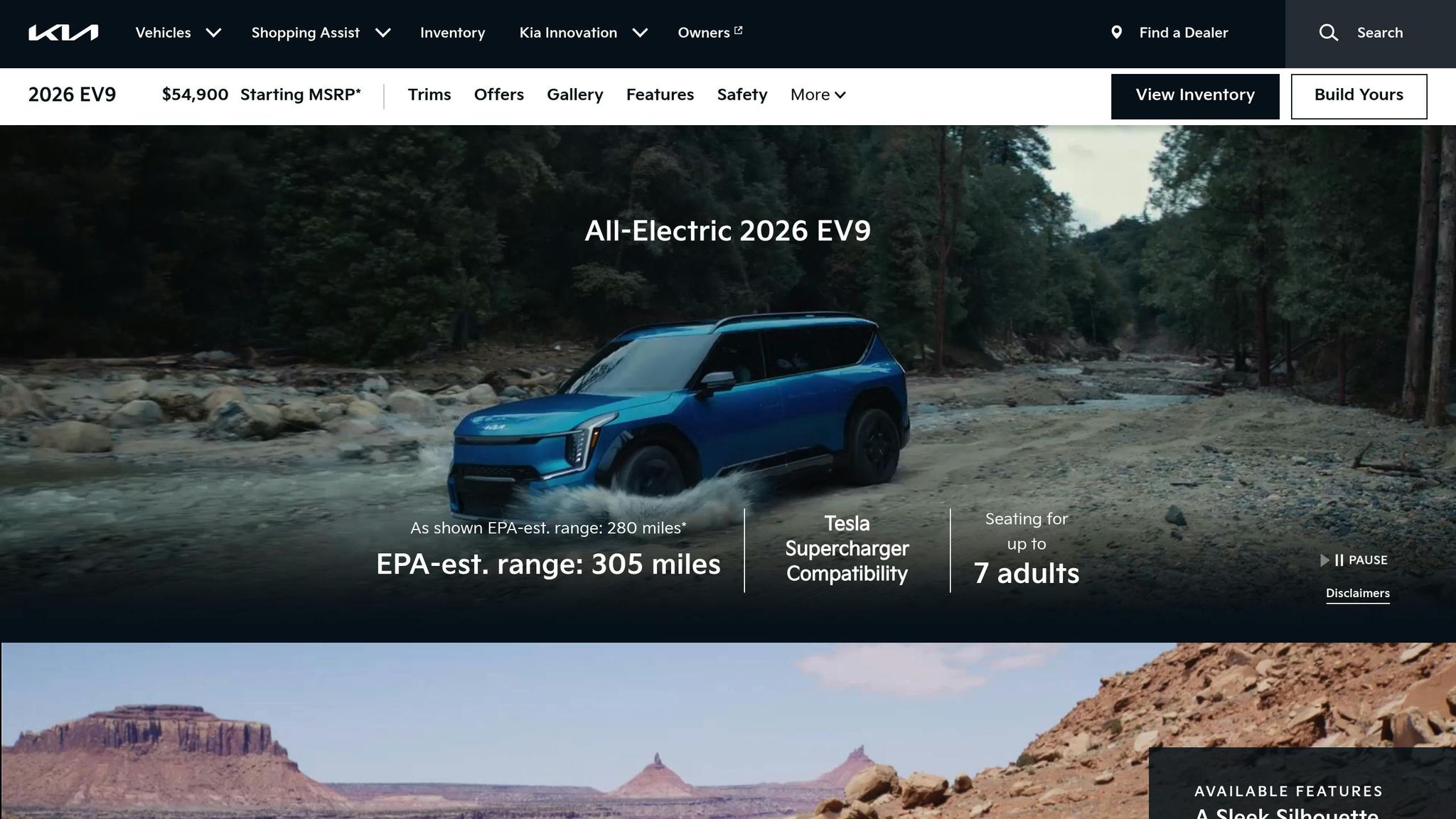
The Kia EV9 is a three-row electric SUV designed to offer a blend of range, capability, and value. With a roomy interior and fast-charging capabilities, it’s built to handle both city commutes and long road trips.
Range (miles)
The EV9 provides an EPA-estimated range that varies depending on the model. The base Light RWD trim, equipped with a 76.1 kWh battery, offers up to 230 miles, while the Light Long Range RWD trim, featuring a larger 99.8 kWh battery, extends the range to 305 miles. For those looking for enhanced traction, AWD models deliver between 280 and 283 miles of range.
Thanks to its 800V system, the EV9 supports 350kW DC fast charging, allowing the battery to go from 10% to 80% in just 24 minutes. AWD models also include a Cold Climate Range Preserving Heat Pump to maintain efficiency in colder temperatures. The EV9’s Vehicle-to-Load (V2L) feature can power external devices or act as a backup during power outages, adding extra utility.
Ground Clearance (inches)
Ground clearance depends on the drivetrain. RWD models come with 7.0 inches of clearance, while AWD trims (Wind, Land, and GT-Line) increase that to 7.8 inches. This added clearance, combined with Terrain Mode, improves traction on unpaved surfaces. Across all trims, the EV9 offers a 20.0° approach angle and a 22.8° departure angle, making it well-suited for tackling hills and obstacles.
"Whether you’re climbing steep inclines or navigating slippery roads, available Dual Motor AWD w/ Terrain Mode and available 7.8 in. of ground clearance helps maximize traction and stability." – Kia America
AWD models also feature a self-leveling rear suspension, ensuring stability when carrying heavy loads or towing up to 5,000 lbs.
Reliability
The EV9 is designed to handle tough conditions while maintaining comfort. Its suspension system includes a MacPherson Strut setup in the front and a 5-link multi-link configuration in the rear, enhanced with Smart Frequency Damper Valves and Hydraulic Rebound Stops to absorb impacts on uneven terrain. Ventilated disc brakes (14.2 inches in the front and 13.6 inches in the rear) provide reliable stopping power, even under heavy loads.
Kia backs the EV9 with a 10-year/100,000-mile limited warranty covering the battery and EV system. Reviewers have praised the EV9, with Car and Driver awarding it a perfect 10/10 and MotorTrend giving it an 8.4/10, highlighting its spacious interior and fast-charging capabilities.
Price (USD)
The 2026 Kia EV9 starts at $54,900 for the Light RWD trim and goes up to $71,900 for the GT-Line AWD.
| Trim Level | Battery Size | Starting Price | Range |
|---|---|---|---|
| Light RWD | 76.1 kWh | $54,900 | 230 miles |
| Light Long Range RWD | 99.8 kWh | $57,900 | 305 miles |
| Wind AWD | 99.8 kWh | $63,900 | 283 miles |
| Land AWD | 99.8 kWh | $68,900 | 283 miles |
| GT-Line AWD | 99.8 kWh | $71,900 | 280 miles |
For those venturing onto unpaved roads, the AWD trims – starting at $63,900 – offer the ideal mix of ground clearance, traction, and range. Additionally, the EV9 provides up to 81.7 cubic feet of cargo space behind the first row, making it a versatile option for families and adventurers alike.
2. Volvo XC40 Recharge
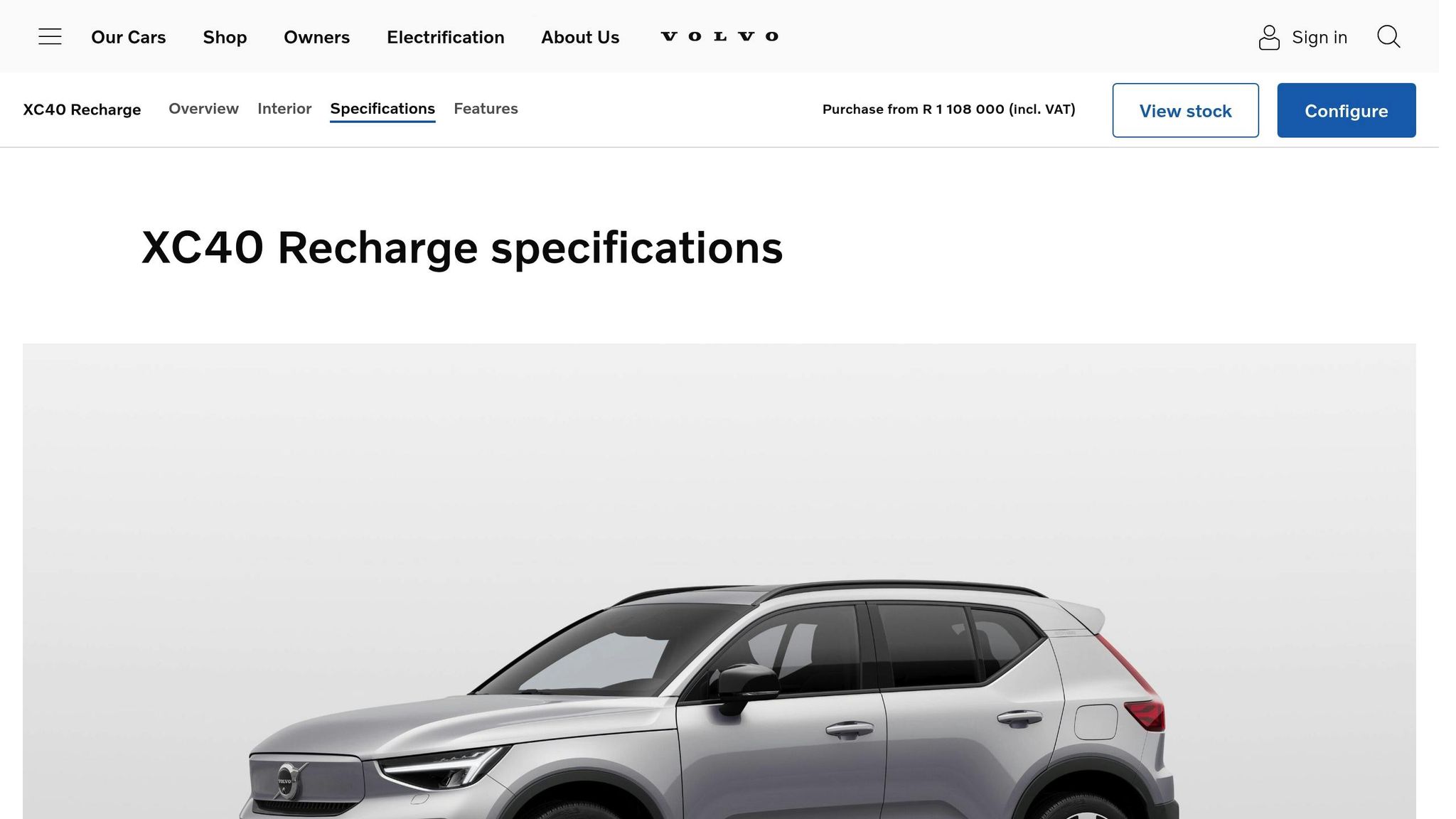
The Volvo XC40 Recharge, soon to be known as the EX40 starting with the 2025/2026 model years, is a compact electric SUV that combines sleek Scandinavian design with dependable performance. Built to tackle both city commutes and tougher terrains, it strikes a balance between range, capability, and low-maintenance engineering. This makes it an appealing choice for drivers navigating the varied challenges of African roads.
Range (miles)
The XC40 Recharge offers an EPA-estimated range of up to 296 miles for the Single Motor Extended Range model, while the Twin Motor variant delivers approximately 260 miles. Independent tests suggest that the range can reach close to 300 miles under certain conditions. It supports 200 kW DC fast charging, allowing the battery to go from 10% to 80% in just 27 to 28 minutes. Additionally, the vehicle’s battery pre-conditioning feature ensures efficient charging even in extreme weather. With built-in Google Maps, drivers can easily locate charging stations and get real-time updates on charge levels upon arrival, which is especially helpful in areas with limited charging infrastructure.
Ground Clearance (inches)
Though Volvo hasn’t disclosed specific ground clearance measurements, the XC40 Recharge provides a typical SUV ride height, making it capable of handling more than just city roads. The Twin Motor version includes full-time all-wheel drive, offering better traction on uneven or rugged surfaces. This variant also boasts a towing capacity of up to 3,968 lbs (1,800 kg), making it a practical option for hauling trailers or equipment.
Reliability
Volvo designed the XC40 Recharge to require minimal upkeep. Its electric motors are sealed and maintenance-free, significantly reducing the need for regular servicing compared to traditional gas engines. The battery comes with an 8-year/100,000-mile warranty and is housed in a protective safety cage for added durability. In markets like South Africa, Volvo enhances peace of mind with a 5-year maintenance and warranty plan. The 2026 model earned a 7.5/10 rating from Car and Driver, which highlighted its "outstanding design and build quality" as well as its "highly functional" interior.
Price (USD)
The estimated price range for the 2026 Volvo XC40 Recharge is between $54,000 and $63,000, depending on the chosen configuration. The Single Motor Extended Range model features rear-wheel drive and delivers 248 horsepower, while the Twin Motor version includes all-wheel drive and packs a punch with 402 horsepower, making it a strong performer even on challenging terrain.
3. BMW iX3
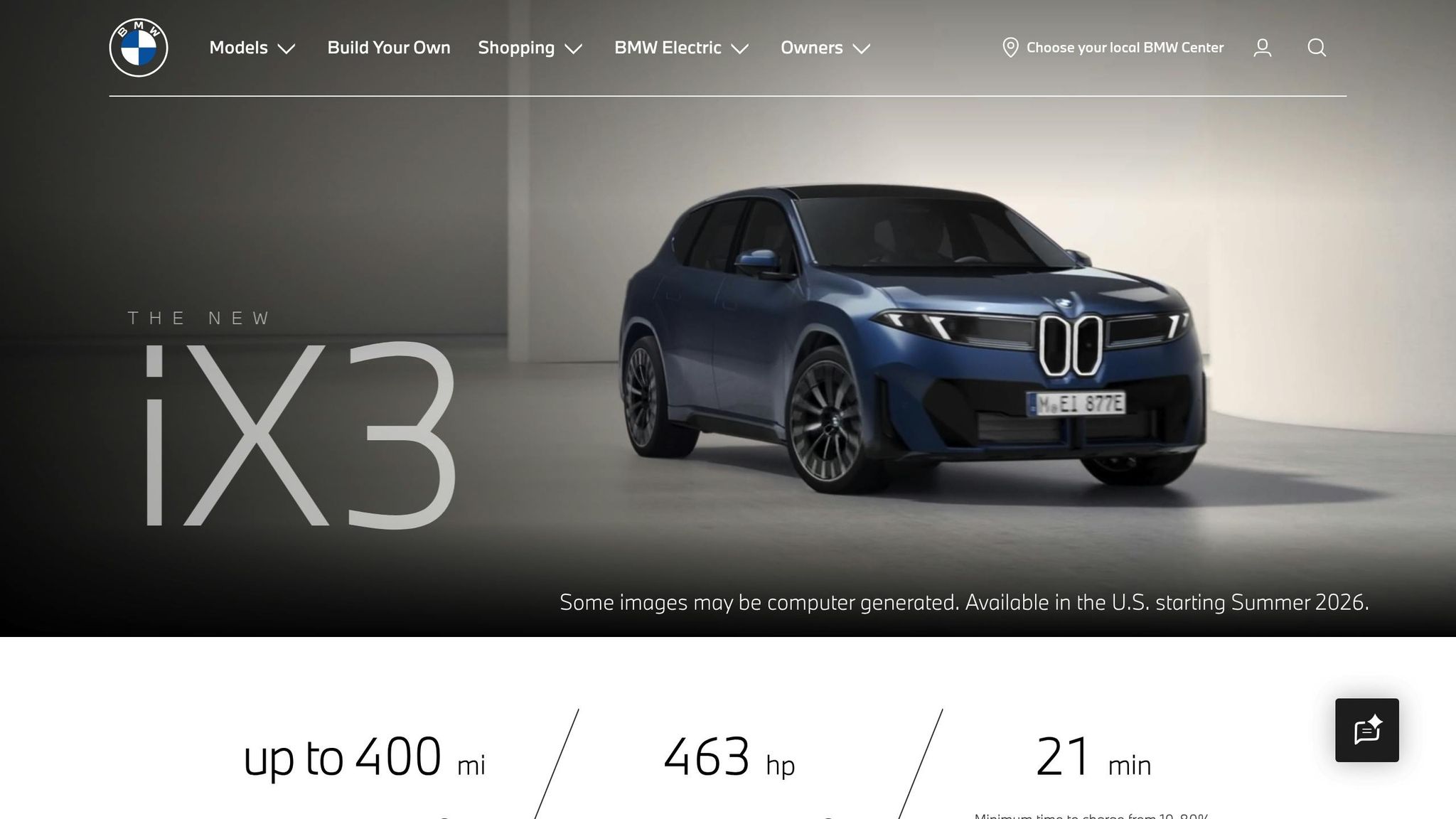
The BMW iX3 50 xDrive is BMW’s next-generation electric SUV, built on the Neue Klasse platform. Set to hit the market in March 2026, this model combines cutting-edge technology with features designed for both city driving and off-road adventures. Some automotive journalists have hailed it as BMW’s "best electric vehicle ever," praising its advanced capabilities for tough terrains while maintaining a "noticeably agile" feel for an SUV.
Range (miles)
The iX3 boasts an EPA-estimated range of around 400 miles, with WLTP tests showing a range between 421 and 500 miles, depending on driving conditions. This impressive performance is powered by a 108.7 kWh battery and an 800-volt architecture, enabling charging speeds of up to 400 kW. In practical terms, this means you can add about 175 miles of range in just 10 minutes or charge from 10% to 80% in 21 minutes. The vehicle also features a "Max Range" function that can boost the range by up to 25% by limiting top speed and disabling non-essential systems. These capabilities make it an excellent choice for long trips and rugged terrain alike.
Ground Clearance (inches)
While BMW has not released exact ground clearance specs, the iX3 is equipped with an intelligent xDrive all-wheel-drive system designed to handle rough roads with ease. It comes with dual electric motors and BMW’s "Heart of Joy" central computer, which ensures precise traction and smooth handling, even on uneven surfaces. Tim Levin from InsideEVs described the ride as follows:
"The iX3 soaks up bumps like nobody’s business, leading to an impeccably smooth ride even over poor roads and cobblestones".
Additionally, the iX3 offers a towing capacity of up to 4,409 lbs (2,000 kg), making it versatile enough for hauling gear or equipment.
Reliability
The iX3 is engineered for durability in extreme and remote conditions. Starting in March 2026, it will include bidirectional charging, meaning it can act as a power source for homes or external devices – an especially handy feature in areas with unreliable electricity. BMW’s "Proactive Care" system and over-the-air software updates ensure the vehicle remains optimized without requiring frequent trips to a service center. It also features advanced cooling systems and thermal pump technology to maintain performance in high temperatures. With a drag coefficient of 0.24, the iX3 is one of the most aerodynamic mid-size SUVs, further enhancing its range and efficiency in varied driving conditions. These features make it a solid choice for challenging environments, including demanding road conditions in Africa.
Price (USD)
The BMW iX3 50 xDrive is expected to start at around $60,000 in the U.S. market. Delivering 345 kW (approximately 463 horsepower), the SUV can accelerate from 0 to 62 mph in just 4.9 seconds.
sbb-itb-99e19e3
4. Hyundai Ioniq 5
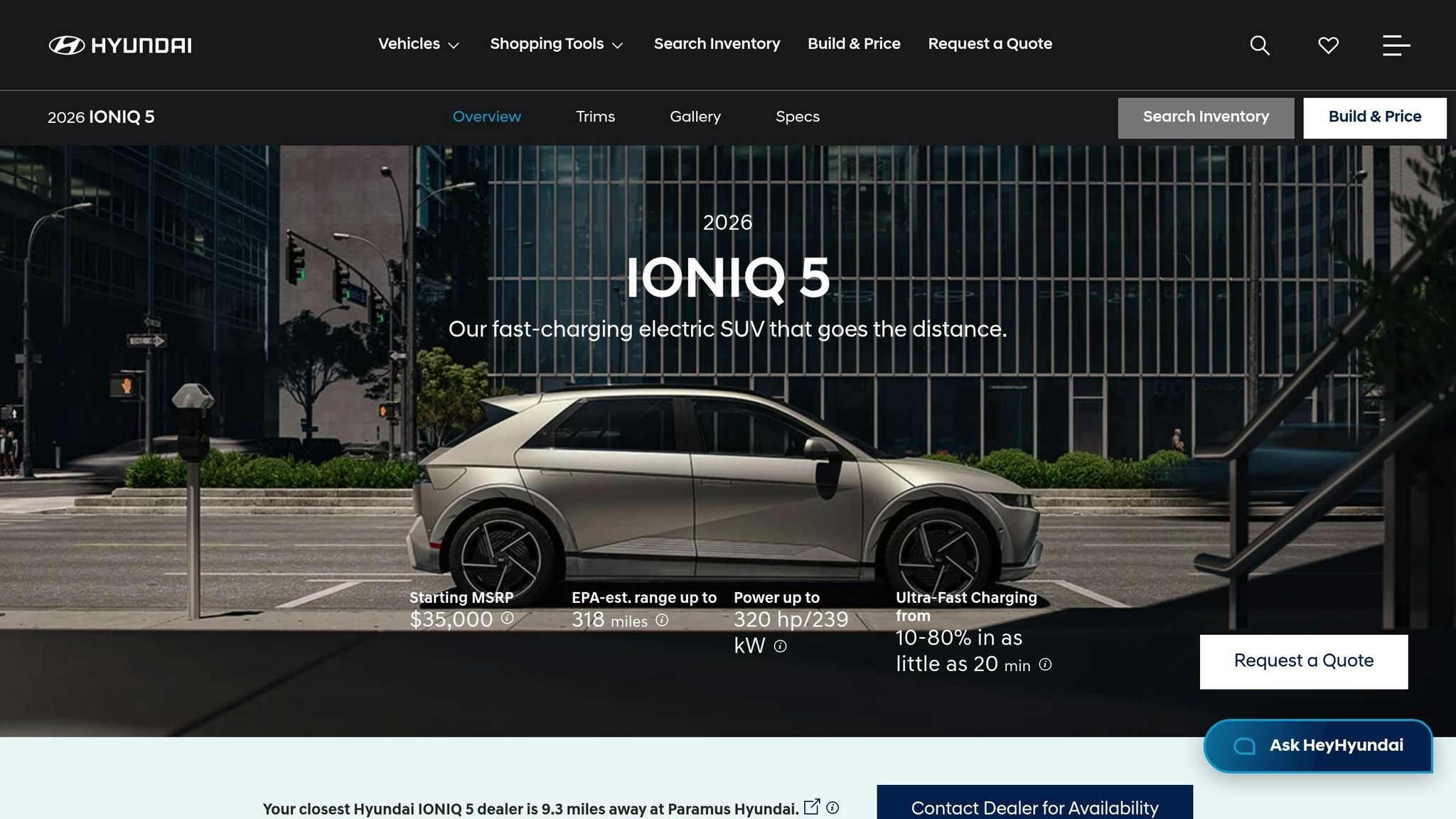
The Hyundai Ioniq 5 is a budget-friendly electric SUV designed with Africa’s diverse terrains in mind. Built on Hyundai’s Electric-Global Modular Platform (E-GMP), it boasts a low center of gravity and balanced weight distribution, making it well-suited for handling a variety of road conditions with ease. Car and Driver gave the 2026 model a stellar 10/10 rating, highlighting its quick charging capabilities and roomy interior.
Range (miles)
The Ioniq 5 comes with an EPA-estimated range of 245 to 318 miles, depending on the configuration. The Long Range RWD version, equipped with an 84.0 kWh battery, delivers the maximum range of 318 miles, making it ideal for extended journeys across Africa’s expansive landscapes. A standout feature is its 800-volt battery system, which supports ultra-fast charging. You can gain approximately 68 miles of range in just five minutes or charge the battery from 10% to 80% in about 20 minutes. Additionally, the 2026 model includes a North American Charging Standard (NACS) port, providing access to over 25,000 Tesla Superchargers without the need for an adapter.
Ground Clearance (inches)
The standard Ioniq 5 offers 6.1 inches of ground clearance, while the XRT trim increases this to 7.0 inches. The XRT trim includes a +23mm (0.9 inch) suspension lift, custom suspension tuning, and 18-inch wheels with 235/60 R18 all-terrain tires, making it particularly suited for rugged terrains. It also features dedicated Terrain modes for Snow, Mud, and Sand, along with improved approach angles (19.8 degrees) and departure angles (30.0 degrees) compared to the standard version. Andrew Wendler from Car and Driver remarked that the XRT trim’s "extra suspension travel and taller tire sidewalls give a little more compliance when encountering bumps in the road". These enhancements make the Ioniq 5 a reliable choice for challenging environments.
Reliability
To handle rough conditions, the XRT trim includes protective cladding and Continental CrossContact ATR all-terrain tires. Hyundai provides a 10-year/100,000-mile battery warranty and 5 years of unlimited roadside assistance for added peace of mind. For those looking for extra power, AWD models deliver 320 horsepower and can tow up to 2,700 lbs.
Price (USD)
The Ioniq 5 starts at $36,600 for the base SE model, with prices reaching $50,575 for the highest trims. The XRT trim, with its off-road capabilities, is priced at $46,275. Hyundai has significantly lowered prices for the 2026 lineup, with some trims seeing reductions of up to $9,800 compared to previous years. This makes the Ioniq 5 a highly affordable option for those seeking a capable electric SUV tailored to African conditions.
5. Mercedes-Benz G580 EQ
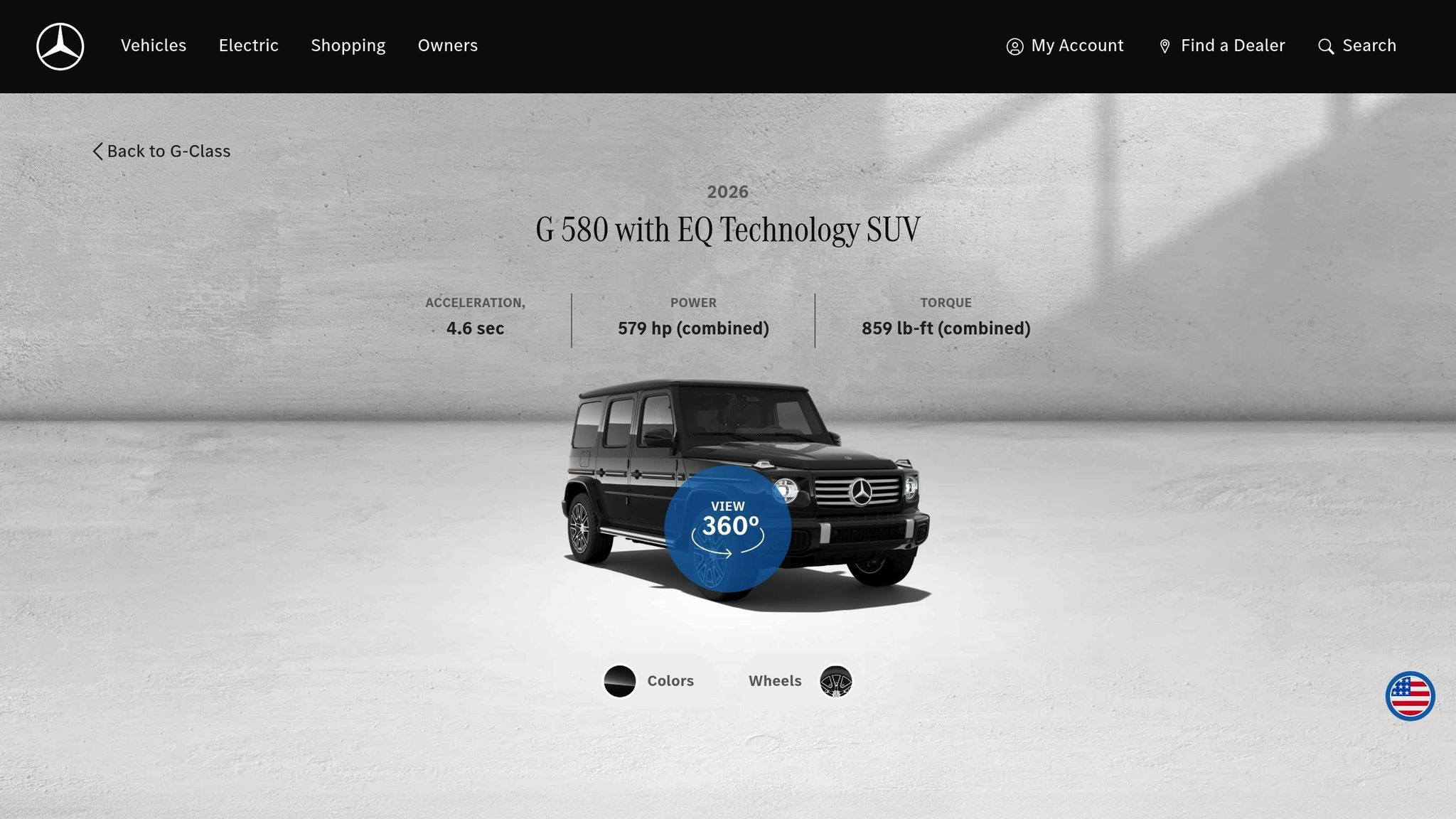
The Mercedes-Benz G580 EQ is where luxury meets rugged off-road performance in the electric vehicle world. Designed for drivers who want both opulence and capability, this model blends the iconic G-Wagen’s heritage with cutting-edge electric technology. Built on a reinforced ladder-frame chassis, it incorporates a 116-kWh battery pack as a structural element. With a quad-motor powertrain – one motor for each wheel – it churns out an impressive 579 horsepower and 859 lb-ft of torque. Car and Driver gave it a stellar 9/10 rating, with reviewer Drew Dorian highlighting how the electric setup enhances its off-road abilities.
Range (miles)
The G580 EQ comes with an EPA-estimated range of 239 miles. But real-world results tell a slightly different story. In testing, MotorTrend found the range dropped to 204 miles during road trips and as low as 160 miles when cruising at 75 mph [32, 34]. The vehicle’s hefty 7,000-pound curb weight and boxy design impact its efficiency, averaging about 1.6 miles per kWh on long drives. On the bright side, it supports 200-kW DC fast charging, allowing you to go from 10% to 80% charge in just 32 minutes. For adventurers tackling remote areas, careful planning around charging stations is a must.
Ground Clearance (inches)
Built for rugged terrains, the G580 EQ boasts 9.8 inches of ground clearance. Its off-road geometry includes a 32.0° approach angle and a 30.7° departure angle, enabling it to ford water up to 33.5 inches deep – 6 inches more than many competitors. The quad-motor torque vectoring allows it to climb 45-degree inclines (a 100% grade) with ease. The battery is well-protected by a 127-pound, 1-inch-thick carbon-composite armor plate secured with 50 bolts, ensuring it can handle the harshest conditions [36, 37].
Reliability
The G580 EQ is engineered to thrive in extreme environments. It has undergone rigorous thermal shock testing and features a "Rock" drive mode for navigating tough terrain. The quad-motor system eliminates the need for traditional mechanical differentials, using virtual locks to enhance reliability. The "Rock" mode also enables ultra-slow descents at just 1 mph. Plus, specialized lubrication means there’s no need for oil changes. Backing this robust design is a 10-year/100,000-mile warranty on its electrical components, giving peace of mind to drivers venturing into the unknown.
Price (USD)
With a starting price of $163,200 for the base model and climbing to $180,900 for the Edition One trim, the G580 EQ is the priciest option in this lineup. Its cost reflects its status as a luxury, off-road powerhouse, catering to those who value both prestige and performance.
Advantages and Disadvantages
In Africa, where extended range and durable design are non-negotiable, these factors set electric SUVs apart. Each model comes with its own set of compromises, making it essential to weigh the pros and cons against your specific needs and budget – especially when navigating the continent’s varied landscapes.
Take range, for example. Large electric SUVs often pack batteries exceeding 80 kWh but average just 2.8 miles per kWh, which can make long-distance travel more costly. This inefficiency becomes even more noticeable in regions with limited charging infrastructure. For extended trips across Africa, choosing a model with a range of over 300 miles can provide added convenience, reducing the frequency of charging stops.
Another key factor is ground clearance. Some electric SUVs excel in this area, offering up to 16 inches of clearance in specialized off-road modes. This feature is a game-changer for navigating obstacles like rocks or fallen branches, protecting the undercarriage from potential damage. Adjustable suspensions and dedicated off-road settings further enhance their ability to tackle rugged terrain.
Then there’s reliability in tough environments. High ambient temperatures can diminish EV range due to increased cooling demands. Additionally, the heavy batteries that power these vehicles can lead to quicker suspension wear on rough roads. On the flip side, EVs generally require less routine maintenance than traditional gas-powered cars – a major plus in remote areas where service options are scarce. This balance of strengths and challenges is what makes understanding your specific needs so important when selecting the right electric SUV.
Conclusion
Choosing the right electric SUV comes down to matching its features with your specific needs. For family adventures, the Kia EV9 is a standout option. With a perfect 10/10 rating, seating for seven across three rows, a respectable 304-mile range, and a starting price of $56,495, it checks all the boxes for road trips and group travel.
If you’re looking for an affordable yet reliable choice, the Hyundai Ioniq 5 delivers excellent value. Priced at $36,600, it offers an impressive 318-mile range along with strong safety ratings, making it a smart pick for cost-conscious buyers.
For those who prioritize off-road adventures, the Mercedes-Benz G580 EQ stands out. It combines high-end luxury with rugged performance, though it comes with a hefty price tag of $164,350. Alternatively, the BMW iX3 offers a balance of long-range capability and off-road handling, boasting a 400-mile range and an advanced xDrive system.
It’s worth noting that large electric SUVs average about 2.8 miles per kWh, which can be a critical factor when traveling in areas with limited charging infrastructure. Opting for models with over 300 miles of range can help ease charging concerns on extended trips.
These comparisons underscore the need to balance performance, range, and practicality, especially when navigating Africa’s diverse and often demanding road conditions. To explore these models further, visit EV24.africa. The platform provides detailed specifications, localized pricing, financing options, and delivery services across all 54 African countries, making it easier to find the perfect electric SUV for your needs and budget.
FAQs
What should I look for in an electric SUV that’s ideal for African roads?
When picking an electric SUV to tackle Africa’s varied and often rugged landscapes, it’s essential to pay attention to range, ground clearance, and reliability. A battery range of 250–400 miles per charge is ideal, especially since charging stations can be few and far between in some areas. Opt for models equipped with heat-resistant batteries to handle the region’s high temperatures without compromising performance.
For navigating uneven terrain, look for SUVs with at least 5.5 inches of ground clearance and a sturdy suspension system. Features like off-road driving modes or water-wading capabilities can be invaluable when dealing with muddy paths, sandy stretches, or water crossings. A strong chassis and decent payload capacity add versatility, whether you’re taking the family on a road trip or transporting light cargo.
Don’t overlook the cost and charging compatibility. Prices generally fall between $24,900 and $61,630, but the lower running costs of an electric vehicle can offset the initial expense over time. Make sure the SUV supports the local charging infrastructure and comes with dependable service options or warranties suited to African conditions. By considering these factors, you can choose an electric SUV that meets the region’s demands while remaining practical and reliable.
Why is ground clearance important for electric SUVs in Africa?
Ground clearance plays a key role for electric SUVs in Africa, especially when dealing with rugged terrains like rocky paths, deep ruts, and mud-filled potholes. It helps protect the undercarriage and battery pack from potential damage, saving drivers from expensive repairs and ensuring the vehicle’s structure and safety systems remain intact.
For Africa’s varied road conditions, electric SUVs with at least 6 inches of ground clearance (or more) are better equipped to handle steep inclines and uneven surfaces with ease. While a higher ride height might slightly affect efficiency due to increased aerodynamic drag, many modern SUVs address this with adaptive suspensions and sleek designs, striking a balance between off-road performance and maintaining a solid driving range.
What maintenance tips should electric SUV owners follow in remote areas of Africa?
Electric SUVs operating in remote African areas need proper care to stay dependable. Let’s break it down:
Battery maintenance is a top priority. The combination of intense heat and dusty roads can take a toll on performance. Make it a habit to inspect the underbody and seals for wear or damage, and clean out wheel wells weekly to keep dust at bay. If you have the option, go for heat-resistant battery systems – they’re better suited for these conditions.
Next up, suspension and tires. The rugged terrain in these regions can be tough on your SUV. After any off-road adventure, check the shock absorbers, bushings, and tire tread depth. Always have the essentials on hand: a spare tire, a portable air compressor, and some basic tools. With service stations often miles apart, being prepared is non-negotiable.
Finally, don’t overlook software and charging systems. Keep your SUV’s software updated to ensure it performs well, even in extreme heat. Schedule an annual battery health check at an authorized service center to catch potential issues early. For those venturing far off the grid, a portable DC fast charger or a solar charging setup can be game-changers.
By staying on top of these maintenance steps, your electric SUV will be ready to tackle Africa’s demanding landscapes.