
 Thabo Nkosi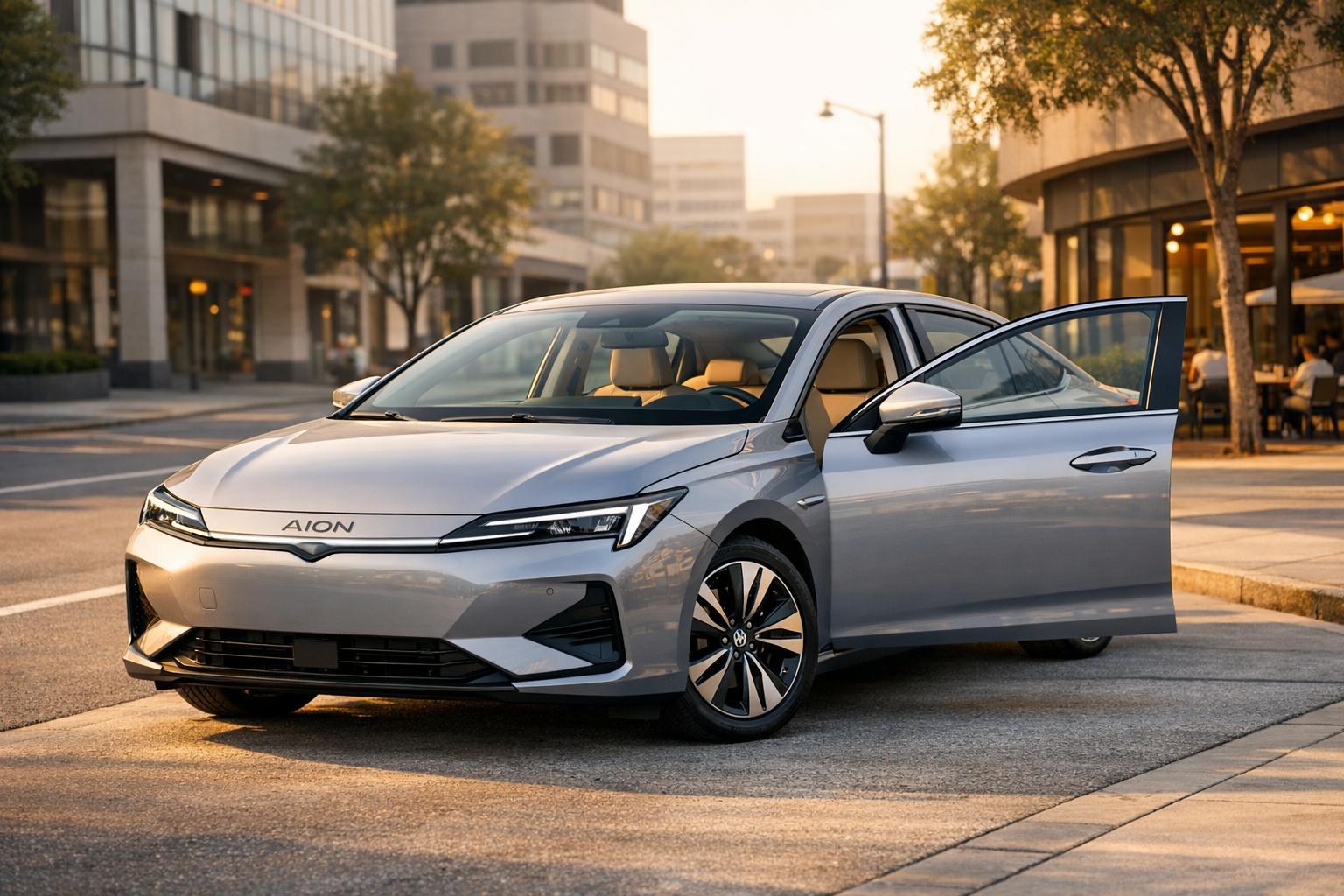
The Aion S is a long-range electric sedan offering impressive mileage, spacious design, and affordability. Priced between $19,470 and $21,910, it delivers up to 379 miles of range, quick charging in 34 minutes, and a well-designed interior with modern tech. Built by GAC, it’s gaining global popularity with over 220,000 units sold and plans for large-scale ride-hailing deployments.
Key Features:
- Battery Options: 46.8 kWh to 69.9 kWh, providing 267 to 379 miles of range (CLTC).
- Performance: 134 to 241 hp, 0–62 mph in 6.7–7.5 seconds.
- Safety: LFP batteries with rapid cooling and lifetime warranty for first owners.
- Interior: Spacious cabin, 14.6-inch control screen, and optional luxury features like Nappa leather and massage seats.
- Pricing: Starts at $19,470, making it a budget-friendly alternative to competitors like the Tesla Model 3.
The Aion S combines practicality with affordability, making it a strong contender for markets transitioning to electric mobility.
2025 Aion S: The Future of Electric Sedans – Performance, Design & More!
Features and Specifications

Aion S 2026 Model Comparison: Specs, Range and Pricing
The Aion S brings a mix of advanced technology and affordability to the table. At its heart is a permanent-magnet synchronous motor paired with a front-wheel-drive setup. Power output ranges from 100 kW (134 hp) in the standard models to 180 kW (241 hp) in the high-performance Max variant. Acceleration from 0 to 62 mph takes between 6.7 and 7.5 seconds for the standard models, while the Plus variant clocks in at about 6.8 seconds. Most trims are electronically capped at 81 mph, but the Max variant pushes that limit to 101 mph. These performance metrics lay the groundwork for understanding its efficiency and range.
Performance and Range
The Aion S offers a variety of range options to suit different needs. The 2026 Shine 530 is equipped with a 46.8 kWh battery, providing a range of 267 miles (430 km) on the CLTC cycle. Meanwhile, the Shine 580, with its larger 55.6 kWh battery, stretches the range to 314 miles (505 km). It’s worth noting that the CLTC testing standard tends to yield more optimistic results compared to real-world driving conditions.
The Plus model stands out with its 0.211 Cd drag coefficient, which enhances its efficiency. Additionally, the Nidec-designed integrated e-axle system combines the motor, gearbox, and inverter into a single compact unit weighing just 192 pounds (87 kg). This design is particularly useful in regions like Africa, where charging infrastructure might be sparse. When it comes to recharging, the Aion S supports DC fast charging, allowing the battery to go from 30% to 80% in about 30–34 minutes.
Battery and Safety Technology
The Aion S doesn’t just focus on performance – it also emphasizes safety and battery durability. GAC’s proprietary Magazine Battery technology is a standout feature, especially in hot climates. This system uses a three-dimensional rapid cooling mechanism to prevent thermal runaway in case of a cell puncture. The 2026 models utilize Lithium Iron Phosphate (LFP) batteries, known for their heat resistance, and include a heat pump system that ensures consistent performance by heating the battery in colder conditions. For peace of mind, first owners benefit from a lifetime warranty on the battery pack.
Another thoughtful addition is the optional roof-mounted solar panel, which powers interior ventilation while the car is parked. This helps keep the cabin cooler without draining the main battery.
Available Models
The Aion S lineup offers four main variants, each catering to different preferences in terms of battery capacity and performance. The Shine 530 and Shine 580 serve as entry-level options, the Plus focuses on extended range and aerodynamics, and the Max delivers a more powerful driving experience with 241 hp.
| Model | Battery | Power | Torque | Range (CLTC) | Top Speed | 0–62 mph |
|---|---|---|---|---|---|---|
| Shine 530 | 46.8 kWh (LFP) | 100 kW (134 hp) | 166 lb‑ft (225 Nm) | 267 mi (430 km) | 81 mph (130 km/h) | 7.5 sec |
| Shine 580 | 55.6 kWh (LFP) | 100 kW (134 hp) | 166 lb‑ft (225 Nm) | 314 mi (505 km) | 81 mph (130 km/h) | 7.5 sec |
| Plus | 55.6–69.9 kWh | 150–165 kW | 258 lb‑ft (350 Nm) | 317–379 mi (510–610 km) | 81 mph (130 km/h) | 6.8 sec |
| Max | 59.5–67.9 kWh | 180 kW (241 hp) | 258 lb‑ft (350 Nm) | 317–379 mi (510–610 km) | 101 mph (163 km/h) | 6.7 sec |
Design and Comfort
Exterior Design
The Aion S seamlessly blends futuristic styling with aerodynamic functionality, taking inspiration from the ENO.146 concept car. GAC refers to its design as a "starship" shape, emphasizing sleek lines and aerodynamic efficiency. Up front, the car showcases its unique "Star Slug" styling, complete with patterned LED clusters and striking T-shaped "Hawk-eye" LED headlights. At the rear, the laser-engraved "Quantum Lightsaber" taillights span the entire width of the vehicle, ensuring optimal visibility regardless of driving conditions.
Other thoughtful design features include flush-mounted hidden door handles and an active closed intake grille that adjusts automatically to minimize wind resistance. The floating C-pillar gives the sedan a sporty, coupe-like silhouette. Completing the modern aesthetic are the "Eye of the Storm" 19-inch low-resistance wheels, which feature energy-pulsing light strips for added flair. The Aion S is available in a range of striking colors, including Holographic Silver with nano-scale gradient effects, Ice Rose Pink, Speed Silver, Night Shadow Black, Quantum Red, and Nebula White.
Interior Space and Features
Step inside the Aion S, and you’ll find a cabin designed to maximize comfort and space. Despite being classified as a compact sedan, its wheelbase of 2,750–2,760 mm rivals that of larger D-segment cars, providing generous legroom. The nearly flat rear floor ensures three passengers can sit comfortably in the back. With a 453-liter trunk, there’s plenty of room for luggage or travel essentials.
One of the standout interior highlights is the 1.9-square-meter panoramic electrochromic roof. This advanced roof system adjusts its transparency and blocks 99.9% of UV rays, enhancing comfort and reducing glare. The centerpiece of the dashboard is a 14.6-inch floating center control screen, powered by Qualcomm Snapdragon chips. It supports features like Face ID recognition, voice-activated climate and navigation controls, and over-the-air updates via the ADiGO 4.0 system.
Seating options cater to various preferences, with choices of faux leather, genuine leather, or luxurious Nappa leather. The seats also come with heating, ventilation, and eight-point massage functions, making long drives more relaxing. Additional interior comforts include eco-friendly fabrics, an antibacterial steering wheel, dual-zone automatic climate control with rear vents, and a PM2.5 filtration system for cleaner air.
With its attention to detail in both exterior and interior design, the Aion S offers a comfortable and stylish driving experience that’s hard to overlook.
sbb-itb-99e19e3
Pricing and Value
Pricing Breakdown
The Aion S is making waves as one of the most budget-friendly long-range electric sedans available. For the 2026 lineup, prices start at $19,470 for the Shine 580 trim, which boasts an impressive 314-mile range (505 km CLTC). Other trims include the Shine 530 at $20,040, the Plus Comfort Edition at $20,900, and the top-tier Plus Luxury at $21,910.
What really sets the Aion S apart is how much it delivers for the price. Often referred to as a "Tesla Model 3 killer", the Aion S offers a 317-mile range and a cutting-edge electric system for a fraction of the Tesla’s cost. While a base Tesla Model 3 starts north of $35,000, the Aion S provides comparable interior space (with the same 2,750 mm wheelbase) and premium features – all for around $15,000 less.
But the value doesn’t stop at the sticker price. With energy consumption as low as 11.9–12.2 kWh per 62 miles (100 km), it’s designed to keep running costs in check. Buyers of the 2026 models also benefit from a First Owner Lifetime Warranty on the battery pack and a 4-year/93,000-mile (150,000 km) full vehicle warranty. Combine all this with flexible financing options, and the Aion S becomes an even more attractive choice.
Financing and Delivery Options
To make the buying process smoother, EV24.africa offers three financing plans: Basic, Premium, and Dealer. These plans are tailored to meet different needs, ensuring that purchasing and delivery are hassle-free across 54 African countries. The platform’s robust delivery network takes care of international shipping and customs clearance, making the process seamless.
With African governments stepping up with tax incentives and subsidies for electric vehicles – and battery technology costs continuing to drop – there’s never been a better time to consider the Aion S. Through EV24.africa’s financing options and efficient delivery system, the Aion S is positioned as a standout choice for those looking to embrace electric mobility across the continent.
Conclusion
With a starting price of $19,470, the Aion S stands out as an affordable electric vehicle offering an impressive 379-mile range (610 km, NEDC) and a fast-charging capability that takes just 34 minutes.
Its deployment of 20,000 units for ride-hailing services in Southeast Asia highlights its ability to handle high-mileage demands. The car also features thoughtful design elements, such as a spacious 2,750 mm wheelbase and an integrated solar sunroof that powers auxiliary systems. On the safety front, GAC’s advanced Magazine Battery technology ensures rapid three-dimensional cooling and added crash protection.
Combining solid performance with practical design, the Aion S emerges as a viable option for African markets, where charging infrastructure is still evolving. For drivers transitioning from gas-powered vehicles, it offers a dependable and affordable solution. This blend of affordability, performance, and durability positions the Aion S as a smart choice for emerging markets.
FAQs
Why is the Aion S an affordable and practical choice for an electric sedan?
The Aion S strikes a compelling balance between cost and performance, making it a strong contender in the electric sedan market. With a price tag ranging from $17,200 to $20,600, it’s far more budget-friendly than many electric vehicles available in the U.S. Yet, it still offers an impressive range of up to 373 miles per charge. This remarkable range is powered by a lithium-iron-phosphate (LFP) battery, known for its durability and slower degradation, which helps keep long-term ownership costs in check.
On top of that, the Aion S doesn’t skimp on features. It boasts a roomy interior, a sizable 14.6-inch touchscreen, and advanced driver-assist technologies – all included as standard. No need to shell out extra for a premium experience. With its affordable pricing, extended range, and reduced maintenance costs, the Aion S stands out as a smart pick for anyone looking to make the switch to an electric sedan without breaking the bank.
Can the Aion S be charged in areas with limited charging infrastructure?
The Aion S comes with battery options ranging from 48.7 kWh to 58.8 kWh, delivering an impressive range of up to 373 miles (600 km) in certain configurations. While the vehicle’s charging strategies for areas with limited infrastructure aren’t specifically outlined, its extended range can help minimize the need for frequent charging stops.
For those living in regions with fewer public charging stations, it may be worth considering portable charging devices or setting up a home charging station to make the most of the car’s capabilities. The Aion S is built with practicality in mind, making it a solid option for areas where EV infrastructure is still growing.
What safety features does the Aion S battery offer?
The Aion S is equipped with a lithium-iron-phosphate (LFP) battery, a type widely recognized for its safety and stability compared to other battery technologies. This battery comes in several capacity options – 48.7 kWh, 53 kWh, 55 kWh, and 58.8 kWh – catering to a range of driving preferences and requirements.
Although specific safety features like thermal management systems, fire suppression mechanisms, or protective circuitry aren’t explicitly mentioned in the available resources, LFP batteries are generally less likely to overheat or experience thermal runaway than other lithium-ion alternatives. For detailed safety specifications, it’s best to refer directly to the manufacturer’s official documentation.