
 Thabo Nkosi
Electric cars in Africa are becoming more budget-friendly, but affordability depends on several factors beyond the purchase price. Here’s what you need to know:
- Key Costs: Total cost of ownership (TCO) includes import duties, taxes, shipping, and maintenance. These can vary widely by region.
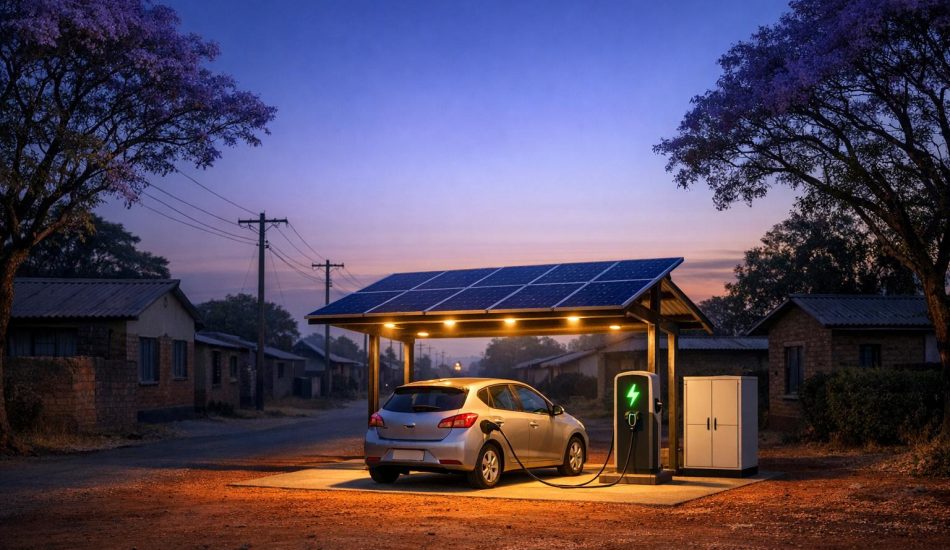
- Charging Challenges: Limited charging infrastructure and power outages make home charging setups or solar systems essential in some areas.
- Climate Impact: High temperatures and rough roads can reduce battery life and range. Models with LFP batteries and advanced cooling systems perform better.
- Popular Models: In South Africa, the BYD Dolphin Surf starts at $18,500, while the Dayun S5 costs around $21,800. In East Africa, used Nissan Leafs (2014–2017) range from $8,000 to $11,000.
- Used vs. New: Used EVs are cheaper upfront but may require battery replacements. New EVs offer warranties and the latest tech.
Chinese brands like BYD and GWM are leading the market with affordable options tailored to local needs. Whether you’re commuting in Nairobi or running a fleet in Lagos, there’s an EV to match your budget and use case.

Affordable Electric Cars in Africa 2025: Price Comparison Guide
Factors That Affect Affordability
Total Cost of Ownership
When it comes to EVs, the sticker price is just the tip of the iceberg. A closer look at battery costs reveals significant regional differences: China averages about $84 per kilowatt-hour, while North America and Europe hover between $121 and $131 per kilowatt-hour. This cost gap explains why Chinese automakers dominate the market for more affordable EVs.
"In China, price parity has already been achieved in almost all vehicle segments." – Colin McKerracher, Head of Clean Transport, BloombergNEF
One key factor driving affordability is the adoption of lithium iron phosphate (LFP) batteries. These batteries are less affected by raw material price spikes compared to nickel-manganese-cobalt (NMC) cells, helping stabilize prices for entry-level EVs. McKerracher highlights how the industry has managed rising material costs by increasing LFP usage and employing strategic hedging practices.
Now, let’s explore how charging infrastructure plays a role in shaping EV affordability.
Charging Infrastructure and Compatibility
The availability and cost of charging options significantly impact the practical affordability of EVs. Home charging is often the most cost-effective solution, but it requires the installation of proper equipment. For instance, some EVs need an 11-kilowatt connection to charge up to 80% in just 2.5 hours.
Public charging networks, on the other hand, vary widely. In South Africa, CCS2 connectors are the standard, and rapid chargers can replenish a vehicle from 5% to 80% in roughly 45 minutes. Additionally, the cost of stationary battery storage has seen a sharp decline – dropping to an average of $70 per kilowatt-hour in 2025, which is 45% lower than in 2024. This price drop makes it increasingly feasible for businesses and apartment complexes to install on-site charging facilities.
These advancements in charging technology are paving the way for better EV performance, even in challenging climates.
Battery Performance in African Climates
Africa’s high temperatures pose unique challenges for EV batteries, as heat accelerates degradation, reducing both range and lifespan. However, advanced thermal management systems, such as the heat pump technology and Blade Battery design in the BYD Atto 3, help combat these issues. LFP batteries also play a crucial role, offering reliable performance across a range of extreme temperatures.
Since 2010, battery prices have dropped an impressive 93% in real terms. By 2025, the lowest observed LFP battery pack prices for stationary storage applications hit $50 per kilowatt-hour. For EV buyers in hot climates, selecting models equipped with robust thermal management systems and LFP chemistry can significantly extend battery life and safeguard long-term value.
BYD Dolphin Surf Review – SA’s Most Affordable Electric Car

Affordable Electric Car Models in Africa (2025)
The electric vehicle (EV) landscape in Africa has seen a significant shift in 2025, with affordability becoming a key focus. Chinese manufacturers are leading the charge, offering budget-friendly options that cater to diverse markets across the continent. South Africa has become a hub for entry-level EVs, East Africa leans heavily on used imports, and West and North Africa are slowly introducing more accessible models.
South Africa’s Most Affordable Models
South Africa’s EV market is thriving, with several budget-friendly options now available. The BYD Dolphin Surf, launched in September 2025, is priced at R339,900 (around $18,500) for the Comfort trim. It features a 30 kWh battery with a range of 232 km, making it the most affordable option in its segment, undercutting competitors by R60,000. Another contender, the Dayun S5, introduced in July 2025 at R399,900 (approximately $21,800), offers a 31.7 kWh battery and a 330 km range – ideal for city driving with occasional longer trips.
For buyers seeking more range and additional features, the BYD Dolphin Standard Range is available at R539,900 (roughly $29,400), equipped with a 60.4 kWh battery and a 340 km range. Other options include the GWM Ora 03 (300 Super Luxury) at R686,950 (about $37,400) with a 310 km range, and the BYD Atto 3 Standard Range, priced at R768,000 (around $41,800) with a 345 km range. These models cater to a variety of needs, from daily commutes to longer journeys.
Budget Options in East Africa
In East Africa, the EV market operates differently, with used imports dominating the scene. These vehicles are especially popular among budget-conscious buyers and ride-hailing drivers. In Kenya, the Nissan Leaf (2014–2017 models) remains a top choice, typically priced between Ksh 1.2 million and Ksh 1.7 million. It offers a range of 150–200 km, though buyers are advised to check the battery health before purchase. Another option is the Renault Zoe (2015–2019 models), priced between Ksh 1.8 million and Ksh 2.2 million, with a range of 250–300 km.
For those with a bit more to spend, newer models like the BYD Dolphin start at Ksh 2.5 million, while the MG ZS EV ranges from Ksh 2.9 million to Ksh 3.5 million. The MG ZS EV, with its SUV design and higher ground clearance, is particularly well-suited to Kenya’s road conditions, offering both practicality and performance.
Entry-Level EVs in West and North Africa
West and North Africa are gradually stepping into the EV market, with countries like Nigeria, Morocco, and Egypt beginning to see more accessible options. Chinese manufacturers are expanding their reach, bringing affordable EVs to these regions. As local service networks grow and charging infrastructure improves, these markets are becoming more accommodating for entry-level EVs. These changes promise to make EVs a practical choice, even in areas with challenging road conditions.
sbb-itb-99e19e3
Used Electric Cars and Import Options
When it comes to electric vehicles (EVs) in Africa, the true cost of ownership goes beyond just the sticker price. Import fees and potential refurbishment costs play a big role in determining affordability. For many, used EVs offer a practical way to enter the market, especially where new models remain out of reach financially. While South Africa has seen an influx of budget-friendly EVs from China, regions like East and West Africa still rely heavily on used imports from countries like Japan, Europe, and increasingly, China. Understanding these dynamics can help buyers decide whether a used import or a cost-effective new model makes more sense for them. Let’s dive into some popular models and how import regulations influence costs.
Popular Used EV Models
Among used EVs, the Nissan Leaf stands out as the most commonly imported model from Japan across Africa. However, in South Africa, the BMW i3 has carved out its own niche, with 2017 models priced around R349,950 (approximately $19,000). While this offers a more premium option compared to many newer budget EVs, buyers should carefully evaluate the condition of the battery before making a purchase.
Another option gaining traction in the used market is the MINI Hatch Cooper SE. A 2022 model typically sells for about R389,900 (roughly $21,200). Interestingly, this price is nearly on par with the brand-new Dayun Yuehu, which retails at R399,900. This puts buyers in a tough spot: should they go for the established European brand or opt for a new Chinese EV with a full manufacturer warranty? For those with a bigger budget, used models like the 2023 BMW iX3 are available for R799,000 (around $43,500), though these fall outside the affordable range for most buyers.
Chinese brands like BYD and GWM are also shaking up the market. As their vehicles gain popularity, the secondary market is expected to see more used Chinese EVs in the coming years. Companies like Mandarin Parts Distributors in South Africa, which stock components for brands like GWM, Geely, BYD, and Chana, are helping to ease concerns about long-term maintenance for these imports.
Import Regulations and Costs
Importing an EV isn’t just about buying the car – it’s about navigating duties, taxes, and shipping logistics. One major factor to consider is battery replacement. Costs for batteries vary significantly depending on the region. For instance, while the average price of batteries in China dropped 13% in 2025 to $84 per kilowatt-hour, prices in North America and Europe remain 44% and 56% higher, respectively. This price gap can make a big difference when sourcing replacement parts for used EVs.
"Lithium-ion battery prices dropped again in 2025, with average prices coming down 8% to $108 per kilowatt-hour."
– Colin McKerracher, Head of Clean Transport, BloombergNEF
Shipping costs also vary depending on the route. For example, shipping from China to ports like Mombasa may be more cost-effective as trade volumes grow. However, over 90% of vehicles imported into many African nations are used vehicles. This highlights another challenge: ensuring the imported EV has a healthy battery and is compatible with local charging infrastructure. Buyers need to weigh the lower upfront cost of a used EV against potential refurbishment expenses, particularly for older batteries.
Affordability Comparison: Used vs New EVs
Choosing between a used and a new EV often comes down to budget, warranty preferences, and battery condition. Used EVs tend to depreciate faster than gas-powered cars, which can work in favor of buyers looking for newer technology at a lower price.
"EVs tend to depreciate faster than gas-powered vehicles in their early years, but that actually benefits used EV buyers."
– Stephanie Valdez Streaty, Director of Industry Insights, Cox Automotive
New EVs from Chinese manufacturers are also shaking up the market. For instance, the BYD Dolphin Surf starts at R339,900 (about $18,500), making it cheaper than many used models while offering the peace of mind of a full warranty and the latest battery technology. In May 2025, 43% of used EVs in some markets were priced under $25,000, showing that the price gap between used and new EVs is narrowing. Buyers should consider not just the purchase price but also long-term costs, like potential battery replacements, versus the reliability and security of a new car warranty.
| Factor | Used Electric Vehicles | New Electric Vehicles |
|---|---|---|
| Upfront Cost | Lower due to depreciation (e.g., BMW i3 at ~$19,000) | Higher, though some Chinese models start at ~$18,500 |
| Battery Health | Variable; requires diagnostics | Covered by an 8+ year warranty |
| Maintenance | Low; fewer moving parts than ICE vehicles | Minimal; often included with a warranty |
| Technology | May lack the latest updates or optimal range | Features the latest battery chemistry and software |
| Best For | Budget-conscious city commuters | Buyers needing maximum range and warranty security |
Platforms like EV24.africa are making it easier to trade verified pre-owned EVs across countries like Kenya, South Africa, and Nigeria. For buyers focused on affordability over cutting-edge features, used imports remain a solid option. But with new EVs priced under $20,000 entering the scene, the market is rapidly evolving, giving buyers more to think about.
Matching EV Models to African Use Cases
Picking the right electric vehicle (EV) boils down to how you plan to use it. A ride-hailing driver will have different needs compared to someone who only drives on weekends. Luckily, by late 2025, there are affordable EV options for nearly every situation. Let’s explore how specific EV models fit into common African driving scenarios.
City Commuting on a Budget
For urban commuters, daily drives rarely exceed 50 km (31 miles). Plus, stop-and-go traffic allows regenerative braking to stretch your range even further. A great option for budget-conscious city drivers is the BYD Dolphin Surf Comfort, priced at R339,900 (about $18,500). With a 232 km (144 miles) range, it’s perfect for a week of city driving without needing to recharge.
"The official arrival of the BYD Dolphin Surf has redefined what an affordable EV is in South Africa, undercutting its most obvious competitor by R60,000." – Cale Nuttall, CarMag
For those needing a bit more range, the Dayun S5 is available at R399,900 (around $21,800) and offers 330 km (205 miles). If home charging isn’t an option, the GWM Ora 03 provides 310 km of range but comes with a heftier price tag of R686,950 (roughly $37,400). When choosing a city EV, focus on matching the battery capacity to your daily needs – going for more range than necessary only increases costs.
Long-Distance and Intercity Travel
Traveling between cities or along highways requires more range and faster charging. In regions where charging stations are still sparse, a range of at least 400 km (249 miles) can help ease concerns about running out of power. The GWM Ora 03 Premium fits this category, starting at R686,950 and offering 420 km (261 miles) of range.
For those with a larger budget, the BYD Atto 3 Extended is priced at R768,000 (around $41,800) and delivers 420 km of range. It also charges from 30% to 80% in just 29 minutes. At the higher end, the Volvo EX30 Single Motor Extended Range boasts 476 km (296 miles) of range for R775,900 (roughly $42,200). These models are ideal for longer trips, such as going from Johannesburg to Durban or Nairobi to Mombasa, where charging points may be as far as 200 km (124 miles) apart.
Ride-Hailing and Fleet Use
For fleet operators and ride-hailing drivers, priorities include low upfront costs, durability, and minimal downtime. The BYD Dolphin Surf has quickly gained popularity among urban ride-hailing drivers due to its affordability and the durability of BYD’s LFP (Lithium Iron Phosphate) Blade Battery technology. These batteries are designed to handle frequent charging and extreme temperatures, making them perfect for high-mileage use.
Minimizing charging time is also key. Models like the Maxus T90EV can charge from 5% to 80% in just 45 minutes, far outpacing options like the MINI Cooper SE, which takes 2.5 hours to reach 80% from an 11 kW source. Thanks to lower battery prices in China – averaging $84 per kilowatt-hour, which is 44% to 56% cheaper than in North America and Europe – Chinese-made EVs offer excellent value for businesses. On top of that, stationary storage systems for on-site charging have dropped to $70 per kilowatt-hour, making it feasible for fleet operators to install solar-buffered charging setups and cut electricity costs.
"China’s lead in low battery prices continued in 2025, with average prices in the country dropping 13% to $84/kWh." – Colin McKerracher, Head of Clean Transport, BloombergNEF
Platforms like EV24.africa make it easier for fleet operators by offering competitive pricing and delivery services across all 54 African countries. For ride-hailing in cities such as Lagos, Nairobi, or Cape Town, focusing on LFP-equipped models and ensuring access to fast charging can significantly improve your return on investment.
Price Reference Guide and Conclusion
Key Takeaways
When it comes to affordable EVs in Africa, three factors stand out: a low total cost of ownership, a reliable charging infrastructure, and vehicles that match your specific needs. Chinese brands like BYD, GWM, and Dayun are leading the charge in making EVs more accessible. In South Africa, entry-level EVs now start at under R340,000 (around $18,500).
For daily city commutes, a battery capacity of 30–40 kWh is typically enough. However, if long-distance travel is on your agenda, look for models with extended range and fast-charging capabilities. Fleet operators and ride-hailing drivers, in particular, might find value in EVs equipped with LFP battery technology, which is becoming more widely available.
These takeaways tie back to earlier discussions about the importance of total costs, charging networks, and choosing an EV based on how you plan to use it. The table below provides a snapshot of current entry-level pricing in South Africa.
Currency and Pricing Reference
Here’s a look at entry-level EV prices in South Africa as of December 2025:
| Region | Entry-Level Price Range | USD Equivalent | Example Models |
|---|---|---|---|
| South Africa | R339,900 – R539,900 | $18,500 – $29,400 | BYD Dolphin Surf, Dayun S5, BYD Dolphin Standard |
For added convenience, EV24.africa offers delivery services to all 54 African countries, making it easier to compare and purchase EVs across the continent.
FAQs
What factors influence the overall cost of owning an electric car in Africa?
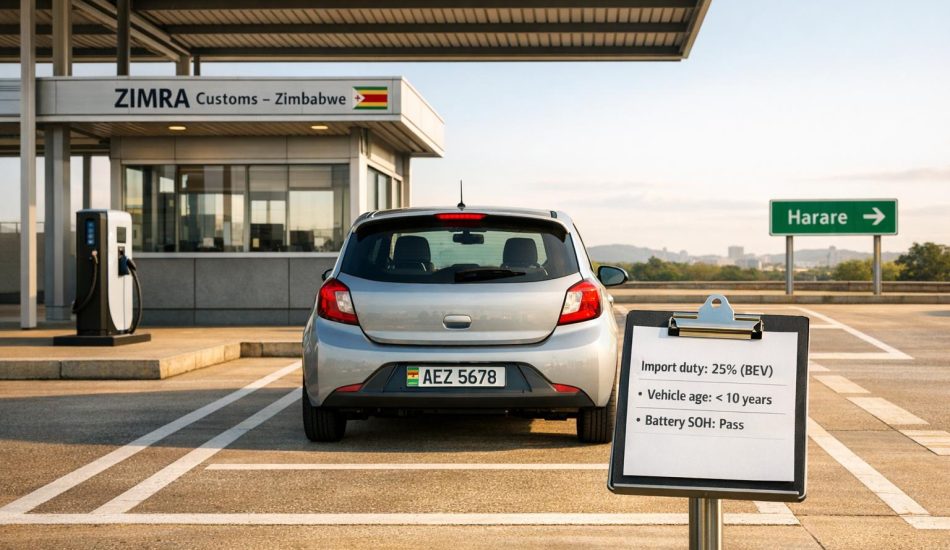
The overall cost of owning an electric car in Africa goes far beyond the initial purchase price. Import duties and taxes can be a major factor, with some countries imposing up to 25% in import fees, plus VAT. On top of that, dealer markups and logistical expenses can sometimes double the car’s factory price before it even reaches the buyer.
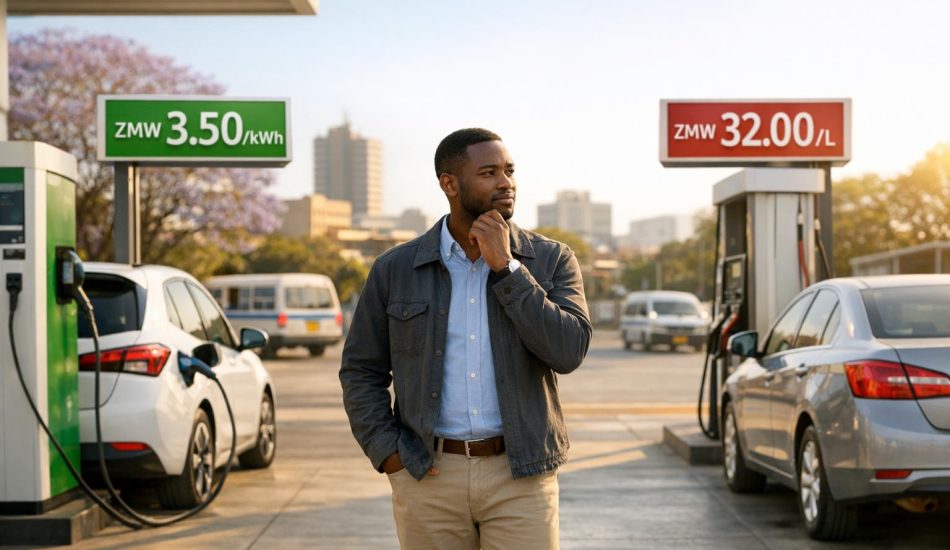
Another critical consideration is the charging infrastructure. Many EV owners need to invest in home charging units, which typically cost around $800. Public charging stations are scarce in many parts of Africa, leaving drivers to rely heavily on private charging solutions. Add to that the cost of electricity, which varies by region, and energy expenses can quickly add up.
Finally, maintenance, insurance, and financing contribute to the overall costs. While electric vehicles generally require less maintenance than their gas-powered counterparts, insurance premiums can range between $1,200 and $2,000 annually. Financing options also vary widely depending on the local market. Together, these elements paint a fuller picture of what it truly costs to own an electric car in Africa.
How does the availability of charging stations affect owning an electric vehicle in Africa?
The availability of charging stations is a key factor in determining how practical it is to own an electric vehicle (EV) in Africa. By 2025, there are roughly 903 public charging stations across the continent, but their distribution is far from even. In fact, only about 17% of African countries have ten or more public chargers. This leaves many areas, particularly rural ones, with little to no access to fast-charging options. As a result, most EV owners rely heavily on home charging. While this can be cost-effective – averaging about $0.50 per mile for daily driving in some regions – it does come with an upfront installation cost, which is approximately $826 per household.
For city drivers, the combination of overnight home charging and shorter commutes makes EVs a practical and affordable choice. However, the limited public charging infrastructure poses significant challenges for long-distance travel or for those living in rural areas. In regions where fast chargers are available, EV models with quick-charging capabilities, like the Maxus T90EV, become more attractive. Without this infrastructure, EV owners often have to carefully plan their routes and depend on slower charging options at home or work, which can take several hours. Ultimately, the state of charging infrastructure plays a major role in shaping the convenience, costs, and overall appeal of owning an EV in Africa.
What are the best electric cars for Africa’s climate and road conditions?
Electric vehicles that perform well in Africa need to be equipped to handle rugged roads, high temperatures, and varied terrains. Features like higher ground clearance, all-wheel drive, and sturdy construction are key for navigating these challenges.
Some standout options include the Dayun Yuehu S5, a compact SUV known for its affordability and ability to tackle uneven terrain, as well as the BYD Dolphin and BYD Atto 3, which offer practicality alongside respectable ground clearance. For those seeking enhanced off-road capabilities, the Toyota bZ4X comes equipped with X-MODE traction control, while the BYD Tang EV offers a spacious 7-seat design and a strong drivetrain.
Other solid choices for tough road conditions include the Hyundai Kona Electric, Citroën ë-C3, and Forting EV. If you’re looking for premium all-wheel-drive options, the Mini Countryman SE ALL4, BMW iX3 M Sport, and Mercedes-Benz EQB 350 4Matic deliver a mix of performance, versatility, and durability – perfectly suited for Africa’s diverse climates and landscapes.