
 Thabo Nkosi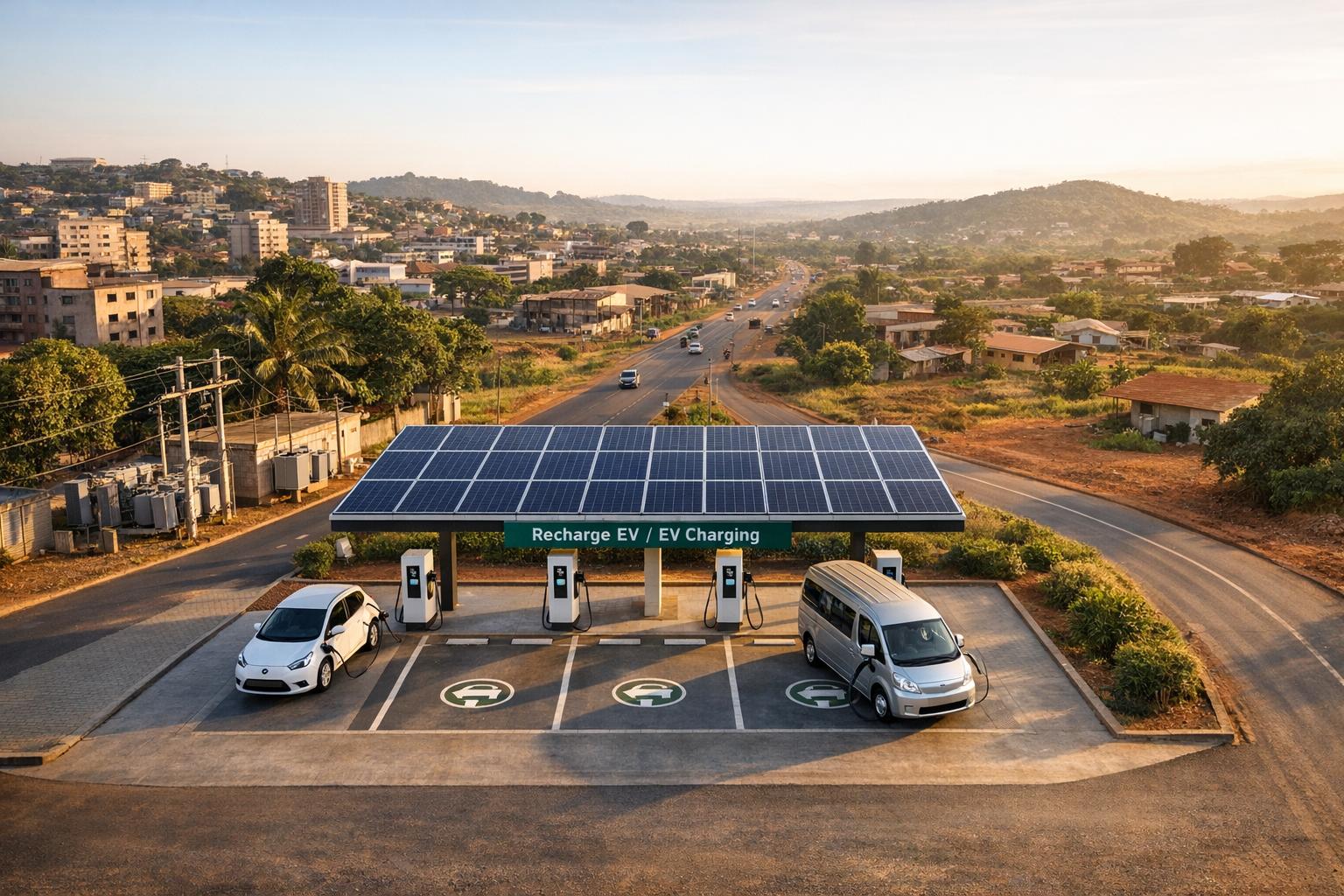
Cameroon is still in the early stages of developing its electric vehicle (EV) charging infrastructure. As of 2025, only a few public charging stations were available, located mainly in urban areas like Douala, Yaoundé, and Bafoussam. While the government has introduced tax incentives and laws to encourage EV adoption and infrastructure growth, challenges such as power grid limitations, lack of technical standards, and a shortage of skilled workers remain significant obstacles.
Key points:
- Current Infrastructure: Limited to a handful of stations, mostly in urban areas.
- Government Policies: Tax cuts on EVs and charging equipment (50%) valid until 2026.
- Challenges: Power outages, outdated grid systems, and insufficient local expertise.
- Solutions: Solar-powered charging stations, partnerships between public and private sectors, and regulatory improvements.
Cameroon’s efforts to expand charging options aim to address these issues while supporting the shift to cleaner transportation. However, progress depends on overcoming systemic barriers and improving infrastructure reliability.
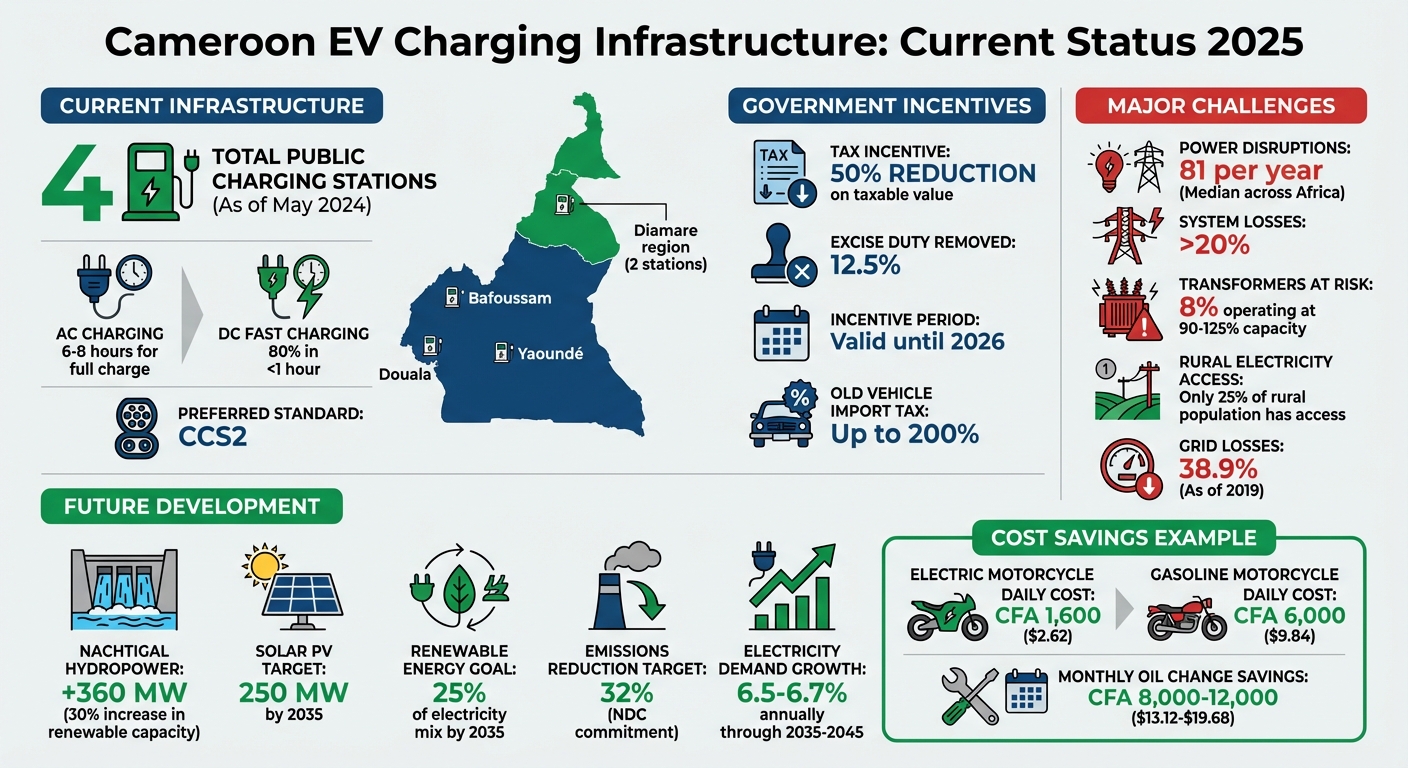
Cameroon EV Charging Infrastructure: Key Statistics and Challenges 2025
Current State of Charging Stations in Cameroon
Types and Number of Charging Stations
Cameroon’s charging infrastructure is still in its early stages. By late 2024 and early 2025, only three public charging stations were officially recorded. However, updated data from May 2024 shows at least four public stations, including two located in the Diamare region, highlighting recent developments in the network.
The available chargers in Cameroon include both AC and DC options. AC chargers typically take 6–8 hours to fully charge a vehicle, while DC fast chargers can reach 80% capacity in less than an hour. The Combined Charging System (CCS2) is emerging as the preferred standard for compatibility. To address the challenges of grid instability, some stations are adopting hybrid systems that combine solar panels with battery storage solutions. These technical factors influence how charging stations are distributed across the country.
Where Charging Stations Are Located
The charging network is concentrated in urban areas like Douala, Yaoundé, and Bafoussam, which is Cameroon’s second-largest city. From Bafoussam, the network is slowly expanding to nearby towns and popular destinations. For instance, Dschang – about 25 miles away – has charging stations catering to tourists visiting attractions like the Menoua Waterfalls and Lake Baleng. Similarly, Bana, located roughly 43 miles from Bafoussam, supports travelers heading to its natural hot springs. Despite these expansions, rural areas and smaller cities still lack sufficient infrastructure.
Digital tools like PlugShare are helping drivers navigate this limited network. These platforms provide real-time updates on station availability, connector types, and user-reported reliability. A few key players are driving the growth of this network, working to meet the increasing demand for charging solutions.
Companies Operating Charging Stations
TotalEnergies is one of the major companies involved in managing Cameroon’s charging infrastructure, alongside local service providers. A recent addition to the network is the station at Rancone Lodges, which was added to tracking databases in May 2024. Some locations offer free charging as a perk for guests, while others operate on a pay-per-charge basis. Pricing models vary depending on the location, reflecting the experimental nature of this growing market as both international and local companies explore different approaches to expand charging services in Cameroon.
sbb-itb-99e19e3
Electric car vs. dangerous mountain road in Cameroon
Government Policies Supporting Charging Infrastructure
To support the growth of charging infrastructure, Cameroon has introduced measures designed to simplify market entry and encourage investment in the electric vehicle (EV) sector.
Tax Benefits for EVs and Charging Equipment
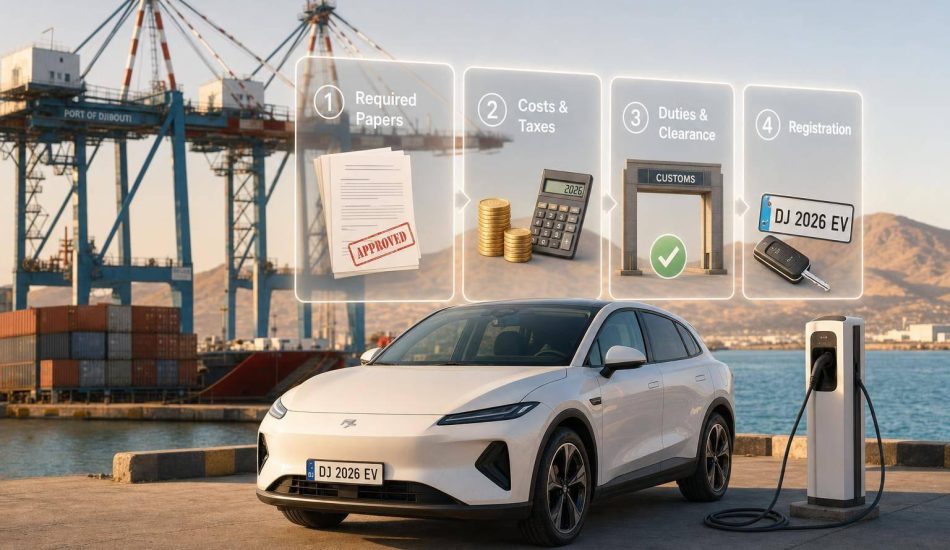
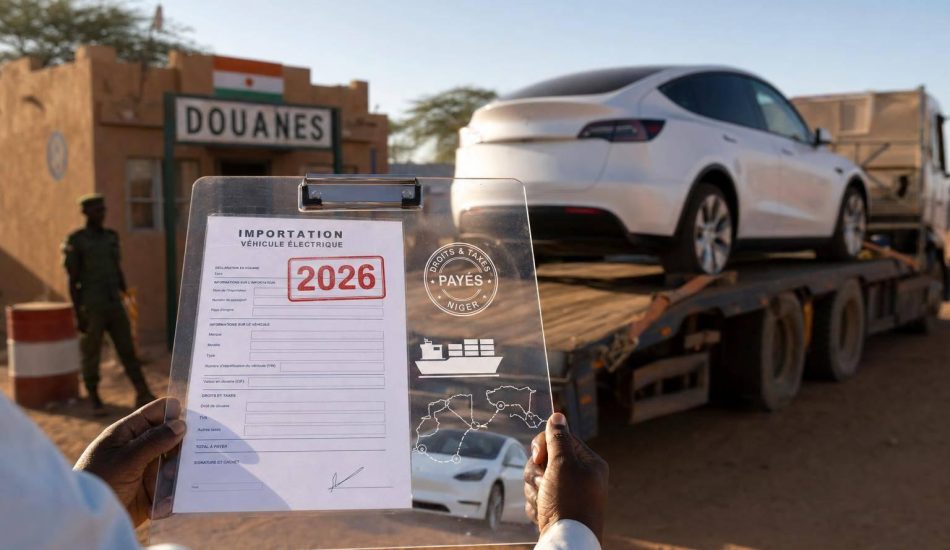
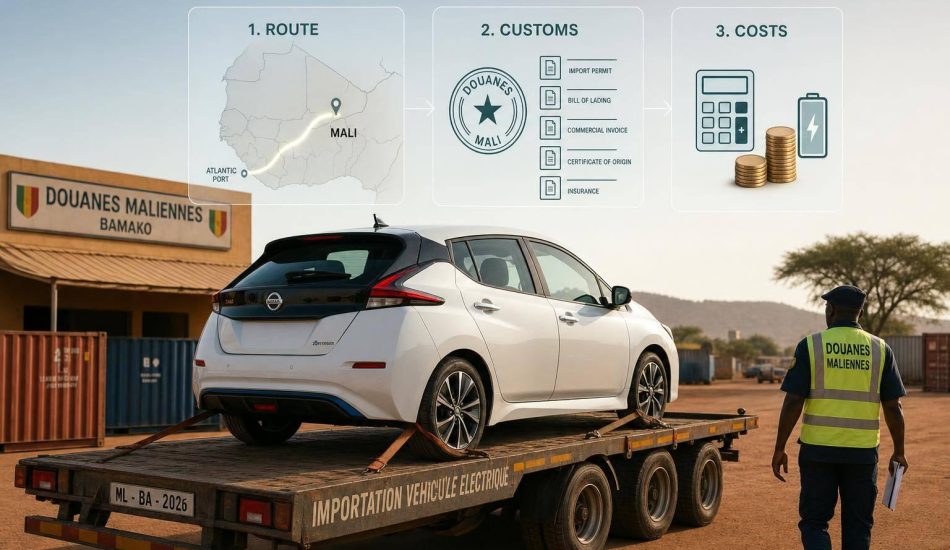
Cameroon’s 2025 Finance Law, effective January 1, 2025, offers tax incentives to speed up EV adoption. This legislation removes the 12.5% excise duty on imported EVs and reduces the taxable value of new electric vehicles, motorcycles, batteries, and charging stations by 50%. These benefits are available for a limited period, expiring in 2026.
As stated by Investir au Cameroun, the government intends to:
support the promotion of the use of electric vehicles in the transport sector, ‘in support of environmental protection by fighting against pollution’.
These tax breaks extend beyond EVs to include the necessary infrastructure, making it less costly for private investors to establish charging networks.
Rules for Installing Charging Stations
Under current energy laws, private companies are permitted to own decentralized energy systems, such as mini-grids, which provides legal support for the development of charging stations. The 2025 Finance Law serves as a key regulatory framework, outlining procedures to expand charging infrastructure in line with national electrification plans.
In July 2024, a workshop organized by the UNEP Clean Fuels and Vehicles Programme highlighted gaps in the technical standards for charging equipment. In response, the government is refining its regulatory framework to promote renewable energy-powered charging networks. Instead of imposing strict technical mandates, the government relies on fiscal incentives like tax cuts and road tax exemptions to encourage compliance. These measures align with the broader goal of modernizing Cameroon’s vehicle fleet and reducing reliance on outdated combustion-engine imports.
National Targets for EV Adoption
Modernizing the vehicle fleet is a priority for Cameroon as part of its environmental goals. A UNEP study revealed that the average age of imported used private cars in the country is 16.2 years, while vans average 13.5 years. The 2025 Finance Law addresses this issue by making new electric vehicles more affordable, while older combustion-engine imports face taxes as high as 200%.
Patrocle Petridis, General Manager of TotalEnergies Marketing Cameroon, shared insights on the Association for the Promotion of Electric Mobility in Cameroon (Apeme-Cam)’s goals:
in order to maintain the State’s purchasing power, facilitate access to new and low-income vehicles for Cameroonian consumers and strengthen road safety.
In addition, the government is working to implement stricter vehicle emissions standards across Central African Economic and Monetary Community (CEMAC) Member States. These policies are designed to align EV adoption with the development of a robust charging infrastructure in Cameroon.
Barriers to Expanding Charging Infrastructure
Building a dependable charging network in Cameroon faces numerous hurdles, despite recent policy support. These challenges include power supply issues, regulatory gaps, and workforce shortages.
Electrical Grid Limitations
Cameroon’s electrical grid struggles with frequent outages and inefficiencies, creating significant barriers for electric vehicle (EV) charging. Across Africa, utilities face a median of 81 power disruptions annually, with system losses exceeding 20% – and Cameroon is no exception.
The grid’s distribution infrastructure adds to the challenge. The World Bank highlights key issues like:
"feeder and transformer overloading, voltage deviations, and power losses".
EV charging often peaks during evening hours (7:00 PM to 10:00 PM), coinciding with high overall electricity demand. Even with just 5% EV adoption, 1% of transformers – especially those under 25 kVA – could face overloading. Meanwhile, 8% of distribution transformers already operate at 90% to 125% capacity, putting them at risk of overheating with additional EV demand. If EV adoption jumps to 30%, some transformers could experience overloading for an average of 8.5 hours daily.
Although Cameroon is expanding its transmission network with 110kV to 400kV lines and cross-border connections to Chad, Nigeria, and the Central African Republic, these upgrades don’t address the "last-mile" bottlenecks. Transformer replacements and upgrades cost utilities around $121.56 per kVA, adding to the financial strain. Smart charging strategies, such as shifting demand to off-peak hours, are critical to preventing grid overload. However, these grid challenges are compounded by the lack of unified technical standards.
Lack of Technical Standards
The absence of standardized technical protocols poses another major obstacle, creating uncertainty for investors and threatening grid stability. Daniel Barham, Project Manager at VUKA Group, emphasizes:
"Arguably the biggest barrier to charging infrastructure investment in Africa is the absence of clear policies and regulatory frameworks".
Without regulations for coordinated or "smart" charging, unregulated EV adoption can distort load profiles, cause voltage deviations, and disrupt frequency balance. For example, research shows that peak power demand could rise by 166% as EV penetration increases from 25% to 50% without coordinated charging standards. On the other hand, implementing smart charging could reduce peak demand by up to 96%.
While Cameroon has introduced fiscal incentives through the 2025 Finance Law, there’s no comprehensive national strategy or technical roadmap for deploying a charging network. This lack of direction leaves investors uncertain about equipment compatibility and tariff structures, undermining confidence in long-term projects. Additionally, the absence of local technical standards forces reliance on costly imported chargers and components, further inflating project expenses and complicating local deployment.
Shortage of Skilled Workers and Resources
The shortage of trained personnel in green technologies is another critical barrier. A lack of skilled labor limits the pace of infrastructure development. Researcher Ouedraogo identifies key challenges:
"Poor institutional framework and infrastructure, high investment costs, feeble information dissemination approaches and lack of human capacity are key factors which hinder its development".
Cameroon’s EV industry is still in its early stages, leaving a significant gap in technical expertise. Economic instability and limited training opportunities make it difficult to develop and retain the workforce needed for EV infrastructure.
High transmission and distribution losses – 38.9% as of 2019 – highlight the urgent need for skilled technicians to modernize and maintain the grid. However, the rush to meet decarbonization goals risks sidelining worker safety and proper training. Globally, safety violations in green industries are reported at 52%, compared to 25% in other sectors. This underscores the importance of balancing speed with safety and skill development as Cameroon works toward building its EV infrastructure.
Solutions and Future Development
While Cameroon faces challenges in building a robust charging network, there are clear opportunities to overcome these hurdles. A mix of renewable energy, partnerships between public and private sectors, and well-structured economic incentives can pave the way forward.
Using Renewable Energy for Charging Stations
Solar-powered charging stations offer a practical solution to the country’s grid limitations. By using modular solar PV units with battery storage, these stations can provide cost-effective charging options in areas where the national grid is weak or unavailable. This is especially critical in a country where 75% of the rural population still lacks access to electricity.
Cameroon is already making strides in renewable energy. The Nachtigal Hydropower Plant, which began contributing 360 MW to the grid from six of its seven turbines in January 2025, is set to increase the country’s renewable energy capacity by nearly 30%. This US$1 billion project, backed by the World Bank and MIGA guarantees, highlights how international partnerships can create a stable energy base for EV infrastructure.
Beyond large-scale projects, decentralized solar solutions are also gaining traction. For example, in October 2025, the Ministry of Water and Energy launched solar plants in Songmimbias and Nkelassi villages, which now provide reliable energy to 270 households. This success demonstrates the viability of localized solar infrastructure. Looking ahead, the government plans to install 250 MW of solar PV capacity and increase renewable energy’s share to 25% of the electricity mix by 2035.
Collaboration Between Government and Private Companies
Public–private partnerships are essential for scaling up charging infrastructure quickly. A standout example is Bee Group‘s US$1 million pilot project, launched in July 2025, which deployed 40 Tembo electric motorcycles across key cities like Douala, Yaoundé, Bertoua, and Bafoussam. Bee Group’s CEO, Patrick Timani, emphasized the broader goals:
"We want to create local jobs, lower import costs, and transfer technology to Cameroon".
To support this initiative, Bee Group collaborated with TotalEnergies and Ola Energy to establish charging and battery-swapping stations at existing fuel retail locations. Each station is equipped to hold 12 batteries, ensuring a continuous supply without the need for additional land acquisition. This approach leverages existing infrastructure, making it both efficient and cost-effective. Tax incentives further encourage private sector participation, and plans are in place to shift to localized production by 2026, which will reduce costs and enhance maintenance capabilities.
Economic and Environmental Benefits
These efforts bring both financial and environmental advantages. For instance, electric motorcycles significantly cut daily energy costs, dropping from CFA 6,000 (US$9.84) for gasoline to just CFA 1,600 (US$2.62) for electricity. Additionally, users save between CFA 8,000 and CFA 12,000 (US$13.12 to US$19.68) per month on oil changes. Businesses also benefit from reliable electricity, which reduces productivity losses caused by frequent power outages. Currently, 80% of industrial firms experience output losses of 16% to 50% due to unreliable power. Studies suggest that a 1% increase in outages reduces short-term productivity by 3.3% and GDP per capita by 2.9% over the long term.
From an environmental perspective, the development of EV infrastructure supports Cameroon’s goal of reducing greenhouse gas emissions by 32%, as outlined in its Nationally Determined Contributions. Transitioning from diesel-based grids and kerosene lighting to renewable energy also lowers black carbon emissions. In Batchenga village, which gained grid access through the Nachtigal project in October 2024, the benefits extend beyond transportation. Senior nurse Sandrine Nguele shared:
"Since we have been connected to electricity, we have seen an increase in attendance and revenue. People no longer need to go to the district hospital located 20km from here".
This example underscores how energy infrastructure can transform communities, improving healthcare, education, and small businesses. With electricity demand projected to grow by 6.5% to 6.7% annually through 2035–2045, investing in charging networks today sets the stage for economic growth and positions Cameroon as an attractive destination for foreign investment.
Conclusion
Cameroon’s EV charging infrastructure is still in its infancy, but progress is being made. Key urban and regional hubs are starting to see the installation of charging stations, catering to both daily commuters and those seeking eco-friendly travel options. The network includes a mix of Level 1–2 chargers and DC fast chargers, though challenges like grid limitations and inconsistent technology remain.
Addressing these hurdles will require teamwork. Standardizing technical specifications, such as adopting CCS2 connectors, can help avoid a disjointed network. Additionally, focusing on solar-powered charging stations with battery storage could mitigate grid issues while aligning with Cameroon’s renewable energy ambitions.
For EV drivers, navigating this developing system means taking practical steps. Platforms like PlugShare, which rely on user feedback, can help verify the availability and compatibility of charging stations before embarking on longer trips. These community-driven tools will play a vital role in ensuring station reliability and managing costs.
FAQs
How can I find a working EV charger in Cameroon before I drive there?
You can explore platforms like EV24.africa to get up-to-date details on EV charging stations in Cameroon. This resource offers maps and real-time updates on charger locations and their availability, covering cities such as Douala and Bafoussam. Using these tools ahead of your trip can help you identify working chargers and organize your route more efficiently.
Will power outages affect EV charging, and what are the best workarounds?
Power outages in Cameroon often make it challenging to charge electric vehicles (EVs) because of the unstable grid. To work around this, some residents rely on private solar systems or solar-powered charging stations. These setups allow for independent charging, even during blackouts. Increasing the availability of solar-powered stations and enhancing energy storage solutions could improve reliability, giving EV users more consistent charging options despite grid instability.
What EV tax incentives apply in Cameroon, and when do they expire?
Cameroon is offering tax breaks for electric vehicles (EVs) until 2025, aiming to encourage their adoption. Key incentives include a 50% reduction in taxable value for new EVs, which is valid for 24 months. Additionally, EVs are exempt from the 12.5% excise duty, and there’s the possibility of reduced import duties. However, these benefits are temporary and may either expire or be revised after the set period.