
 Thabo Nkosi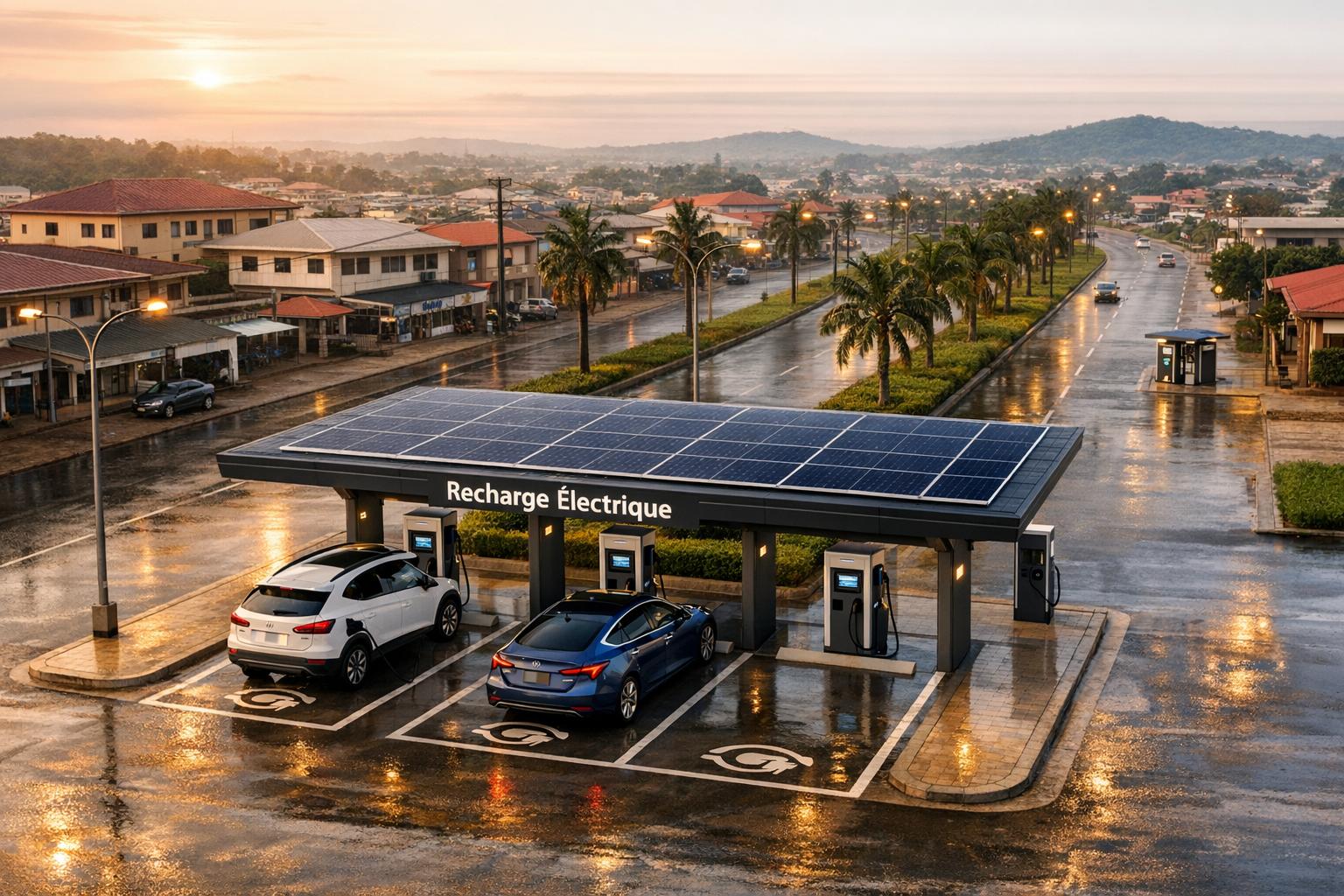
Electric vehicles (EVs) in Douala and Yaoundé face challenges but show promise. Here’s a quick breakdown:
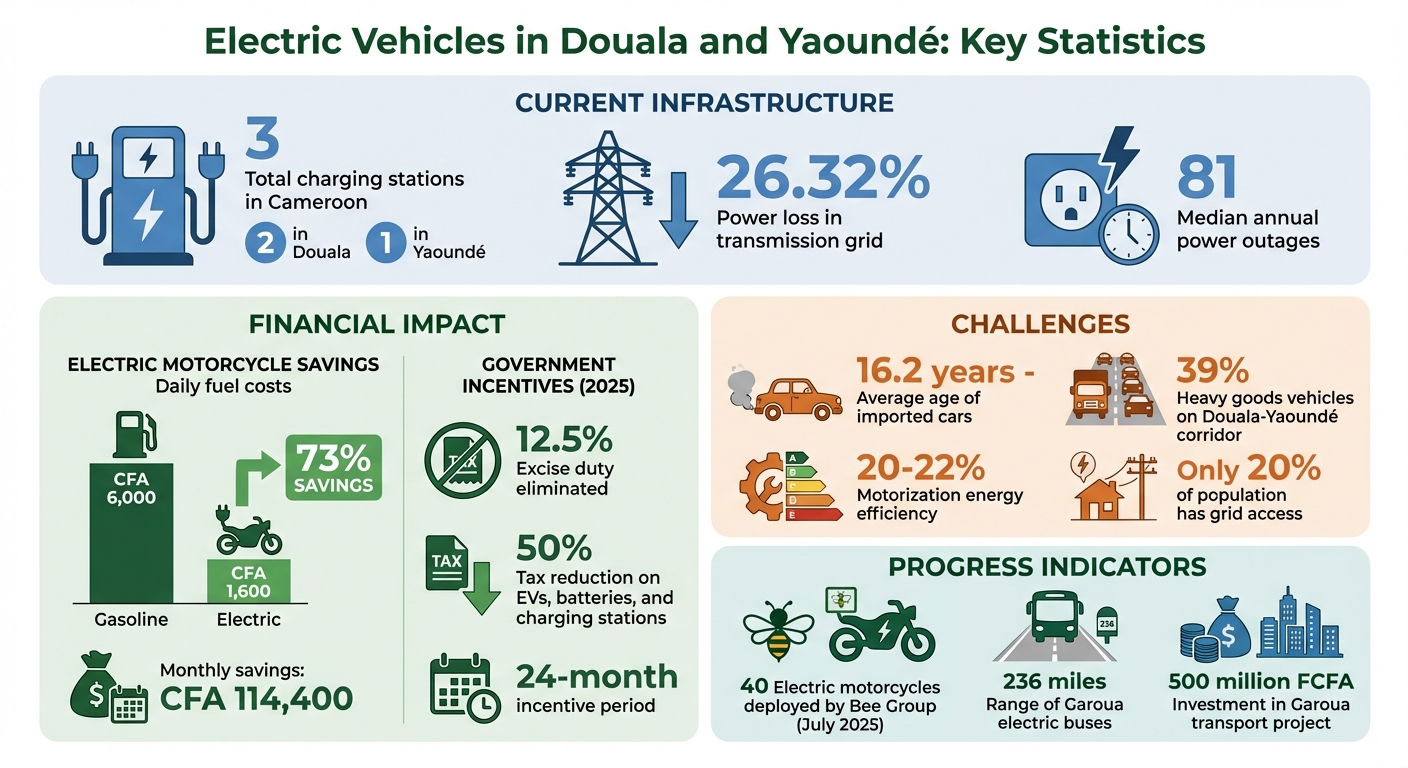
- Current Situation: Limited EV infrastructure exists, with only three charging stations in Cameroon (two in Douala, one in Yaoundé). The electricity grid is unreliable, with frequent outages and inefficiencies.
- Government Support: Tax cuts on EV imports and charging equipment, along with subsidies, aim to reduce costs for buyers. Electric motorcycles, for instance, offer up to 73% daily energy savings for drivers.
- Key Challenges: Poor road conditions, tropical climate impacts on batteries, and traffic congestion hinder EV performance and adoption.
- Solutions: Expanding charging networks using solar-powered or hybrid stations, selecting EVs suited for local roads and climate, and leveraging government incentives.
While hurdles remain, initiatives like electric buses in Garoua and tax incentives are paving the way for EVs to become a viable option in Cameroon’s largest cities.
Electric Vehicle Infrastructure and Challenges in Cameroon’s Major Cities
Current EV Infrastructure in Douala and Yaoundé
Charging Station Availability
Cameroon’s two largest cities, Douala and Yaoundé, have a very limited charging infrastructure. As of late 2024, there are only three operational charging stations in the entire country: two in Douala and one in Yaoundé. This sparse network makes daily EV use challenging for residents.
Outside these cities, there are small signs of progress. Charging stations have been set up in Bafoussam, Dschang (about 25 miles from Bafoussam), and Bana (roughly 43 miles from Bafoussam). These additions support limited inter-city travel for the few EV owners in Cameroon. However, the scattered nature of these facilities highlights just how far the country is from having a robust EV infrastructure.
Recognizing the issue, the government has outlined plans under the 2025 Finance Bill to introduce subsidized charging stations. These stations aim to expand access, especially in urban areas where EV adoption is expected to grow first.
Still, the lack of charging stations isn’t the only obstacle. The reliability of the electricity grid adds another layer of complexity for EV owners.
Electricity Grid Reliability
Douala and Yaoundé rely on the South Interconnected Grid (SIG), which researchers at the University of Douala describe as "very unstable" due to frequent power outages.
"Only 20% of Cameroon’s population has access to the national grid… Moreover power cuts are frequent." – Jean Gaston Tamba et al., University of Douala
The grid’s inefficiency is striking. Outdated transmission systems result in 26.32% of generated power being wasted, further straining an already unreliable network. Since over 80% of Cameroon’s electricity comes from hydropower, the system’s reliability is also tied to seasonal water levels. During the dry season (November to April), critical dams like Mbakaou can see their fill rates plummet from a typical 99.92% to a mere 6.12%.
For EV owners, this grid instability means unpredictable charging schedules and potential challenges keeping their vehicles powered. According to the World Bank, grid capacity issues – like overloaded feeders and transformers – are a key obstacle to EV adoption in African cities. One potential solution is implementing smart charging strategies, which encourage EV owners to charge during off-peak hours (1:00 AM – 6:00 AM). This approach could ease strain on the grid and help avoid adding to evening peak demand.
sbb-itb-99e19e3
Main Challenges for EV Adoption in Douala and Yaoundé
Road Conditions and Urban Traffic
The Douala–Yaoundé corridor, also known as National Road 3, is plagued by deteriorating pavement and poor drainage systems. With nearly 40% of the traffic made up of heavy goods vehicles, the road’s condition worsens quickly, leading to deep potholes and uneven surfaces. For EVs, which often have lower ground clearance, these conditions pose a serious risk of structural and suspension damage. On top of that, frequent flooding and erosion increase the chances of water seeping into sensitive electrical components, potentially causing significant damage.
Traffic congestion adds another layer of difficulty, as it drains EV batteries more quickly than highway driving. From 2010 to 2019, the energy intensity of vehicles in Douala rose from 9.93 to 15.9 toe/M€ – a clear sign of worsening efficiency. At the same time, motorization energy efficiency hovered at a low 20% to 22%. This combination of poor road conditions and inefficiency accelerates vehicle wear and tear, which is especially concerning given that the average imported private car in Cameroon is already 16.2 years old.
Climate Effects on EV Performance
The tropical climate in Douala and Yaoundé presents additional hurdles for EVs. High heat and humidity place significant strain on battery systems, leading to overheating and faster degradation of distribution transformers that are essential for charging infrastructure.
Prolonged exposure to high temperatures reduces both battery capacity and lifespan. This is especially problematic in a region where the electricity grid is already unreliable, with a median of 81 power outages annually. EV owners face the dual challenge of preserving battery health while navigating an unstable power supply.
Hot weather also exacerbates "range anxiety." EVs consume more energy per mile when air conditioning is used heavily, which is often unavoidable in tropical climates. This increased energy demand disrupts optimal charging patterns, as drivers may feel compelled to charge at irregular intervals. Such uncoordinated charging can potentially double peak loads on the grid, further stressing an already fragile energy infrastructure.
Together, these road and climate challenges highlight the pressing need for practical solutions that address both the infrastructure and environmental realities of the region.
EVs & Self-Driving Cars in Africa: Revolution or Disaster? | The Ride With Miee Podcast EP 05
Government Incentives and Policies for EVs
Amid hurdles like limited charging networks and grid instability, government policies are stepping in with financial incentives to boost EV adoption and tackle infrastructure gaps.
Tax Exemptions and Subsidies
On January 1, 2025, the Cameroonian government rolled out the Finance Act 2025, introducing major tax breaks for EV buyers. This legislation eliminates the 12.5% excise duty on EV imports and slashes the taxable value of electric vehicles, motorcycles, batteries, and charging stations by 50% for two years.
Here’s how it works: instead of paying full import taxes on an EV’s declared value, buyers now pay taxes on just half that amount. The same tax relief applies to essential components like batteries and charging stations, which helps reduce the cost of transitioning to electric vehicles. These measures aim to lower financial barriers, making EVs more accessible for consumers, particularly in cities like Douala and Yaoundé.
This financial support is part of a broader effort to develop Cameroon’s EV ecosystem.
Local Projects Supporting Electric Mobility
In 2023, 3S Motors and TotalEnergies Marketing Cameroun joined forces to establish the Association for the Promotion of Electric Mobility in Cameroon (Apeme-Cam). Spearheaded by Patrocle Petridis, Director General of TotalEnergies Marketing Cameroun, the association set a bold target: to introduce 2, 3, and 4-wheel electric vehicles across Cameroon’s road network starting in 2025.
"The objective is to equip the national road landscape with electric vehicles (4, 3 and 2 wheels) from 2025… in order to maintain the state’s purchasing power, facilitate access to new and low-income vehicles for Cameroonian consumers and strengthen road safety." – Patrocle Petridis, Director General of TotalEnergies Marketing Cameroun
Local manufacturing is also gaining momentum. In 2019, entrepreneur Gaspard Mpondo launched Jengu Sarl in Douala in collaboration with Chinese firm S-King. The company specializes in producing electric vehicles, motorcycles, and tricycles, many of which are designed to run on solar power. This approach aims to deliver affordable, eco-friendly transportation options for the local market. These efforts are helping to build local production capacity and improve the infrastructure needed to support EV adoption in cities like Douala and Yaoundé.
Solutions for EV Adoption in Douala and Yaoundé
Selecting the Right EV for Local Conditions
Picking the right electric vehicle (EV) is crucial when dealing with infrastructure limitations. EV24.africa offers a range of EVs from brands like Tesla, BYD, Leapmotor, and Geely, with specifications tailored to local needs. For cities like Douala and Yaoundé, it’s smart to go for vehicles with a minimum range of 236 miles (380 km). This reduces reliance on the limited charging infrastructure. A great example is the electric buses introduced in Garoua in January 2026. These buses, with their 236-mile range, operated efficiently for an entire day without recharging.
Vehicles equipped with reinforced suspensions, higher ground clearance, and durable components are better suited to handle the uneven roads and seasonal flooding common in these areas. For instance, the "last generation" models used in Garoua’s public transit were chosen specifically for their ability to withstand such challenging conditions. Additionally, air-conditioned EVs are a must for tropical climates where temperatures regularly exceed 86°F (30°C), ensuring a more comfortable experience for drivers and passengers.
Once you’ve chosen the right EV, the next step is addressing charging accessibility.
Expanding Charging Networks
Developing a reliable charging network requires collaboration between public and private sectors to share the financial risks and investment costs. A successful example is the Société de Transport de Garoua (STG), which launched in January 2026 with funding of 500 million FCFA from the government, urban community, and private investors. This model could be replicated in Douala and Yaoundé to establish a broader network of charging stations.
To ensure uninterrupted access to charging, hybrid stations capable of switching between the national grid and alternative energy sources like solar or battery storage are essential. These stations can counter frequent local power outages and provide round-the-clock service. South Africa’s first off-grid, solar-powered charging station, inaugurated in Wolmaransstad in late 2024, demonstrates how this approach can work in areas with unreliable electricity. Strategically placing these stations at key locations like transport hubs, major intersections, and corporate offices can further improve accessibility for both private and commercial EVs.
Using Government Incentives
Government incentives play a key role in supporting EV adoption. The Finance Act 2025 eliminates the 12.5% excise duty on new EV imports and reduces the taxable value of vehicles, batteries, and charging stations by 50%. These measures aim to make the transition to electric mobility more affordable for businesses and individuals in Douala and Yaoundé.
These incentives are available for a limited 24-month period starting in January 2025. Businesses can maximize their savings by bundling vehicle imports with charging stations and spare batteries. Prioritizing new EV imports also ensures compliance with the latest standards. Partnering with the Association for the Promotion of Electric Mobility in Cameroon (Apeme-Cam) can help streamline the process of navigating import regulations and meeting technical requirements.
Conclusion
Electric mobility is proving its potential in cities like Douala and Yaoundé when executed thoughtfully. For example, in January 2026, Garoua introduced a fleet of electric buses, and by July 2025, Bee Group had deployed 40 electric motorcycles across various cities, including Douala and Yaoundé. These steps show that the shift to electric vehicles is no longer just an idea – it’s becoming a reality.
The financial benefits are equally compelling. Drivers of electric motorcycles save around CFA 114,400 each month compared to those using gasoline-powered models, with daily energy expenses dropping from CFA 6,000 to approximately CFA 1,600. Additionally, the 2025 Finance Law has removed a 12.5% excise duty on electric vehicles and introduced a 50% tax reduction on new electric motorcycles, batteries, and charging stations for two years. These financial incentives make the transition to electric mobility even more appealing.
However, infrastructure remains a pressing challenge. By late 2024, the entire country had only three public charging stations, underscoring the urgent need for expansion in this area. Hybrid charging stations – powered by both the grid and solar energy – offer a promising way to address frequent power outages. Tackling these infrastructure issues now is essential to scale electric mobility for public and commercial use.
Focusing on electrifying commercial and public transport could be a game-changer. In Douala, mototaxis account for 61% of all trips, making electric motorcycles a practical entry point for broader adoption. Patrick Timani, CEO of Bee Group, emphasizes this vision:
"We want to create local jobs, lower import costs, and transfer technology to Cameroon"
With government incentives, strategic infrastructure investments, and a clear focus on practical solutions, electric mobility is becoming an increasingly viable option for cities like Douala and Yaoundé. The groundwork is being laid for a more sustainable and efficient transportation future.
FAQs
Can I charge an EV at home during power outages?
Yes, it’s possible to charge an EV at home during a power outage, but you’ll need a backup power source. Options like solar panels paired with battery storage or a generator can keep your EV charging even when the grid is down. These solutions are especially useful in places where power outages happen often.
Which EV features matter most for Douala and Yaoundé roads?
Electric vehicles (EVs) designed for Douala and Yaoundé need to prioritize a few key features to meet the specific needs of these cities. Reliable charging options are essential, both at home and through accessible public stations, to tackle electricity-related challenges.
Additionally, EVs should deliver strong performance in urban traffic, where frequent stops and congested roads are common. A compact design is crucial for navigating tight spaces, while an efficient battery range ensures the vehicle can handle short trips and frequent stops without constant recharging. These features make EVs practical and well-suited for the local environment.
How do the 2025 tax incentives reduce my total EV cost?
The 2025 tax incentives aim to make owning an electric vehicle (EV) more affordable in Cameroon. These include a 50% tax rebate on new EVs, exemption from road tax, and lower import duties. Together, these measures reduce upfront costs, easing the financial burden for those looking to switch to EVs.