
 Thabo Nkosi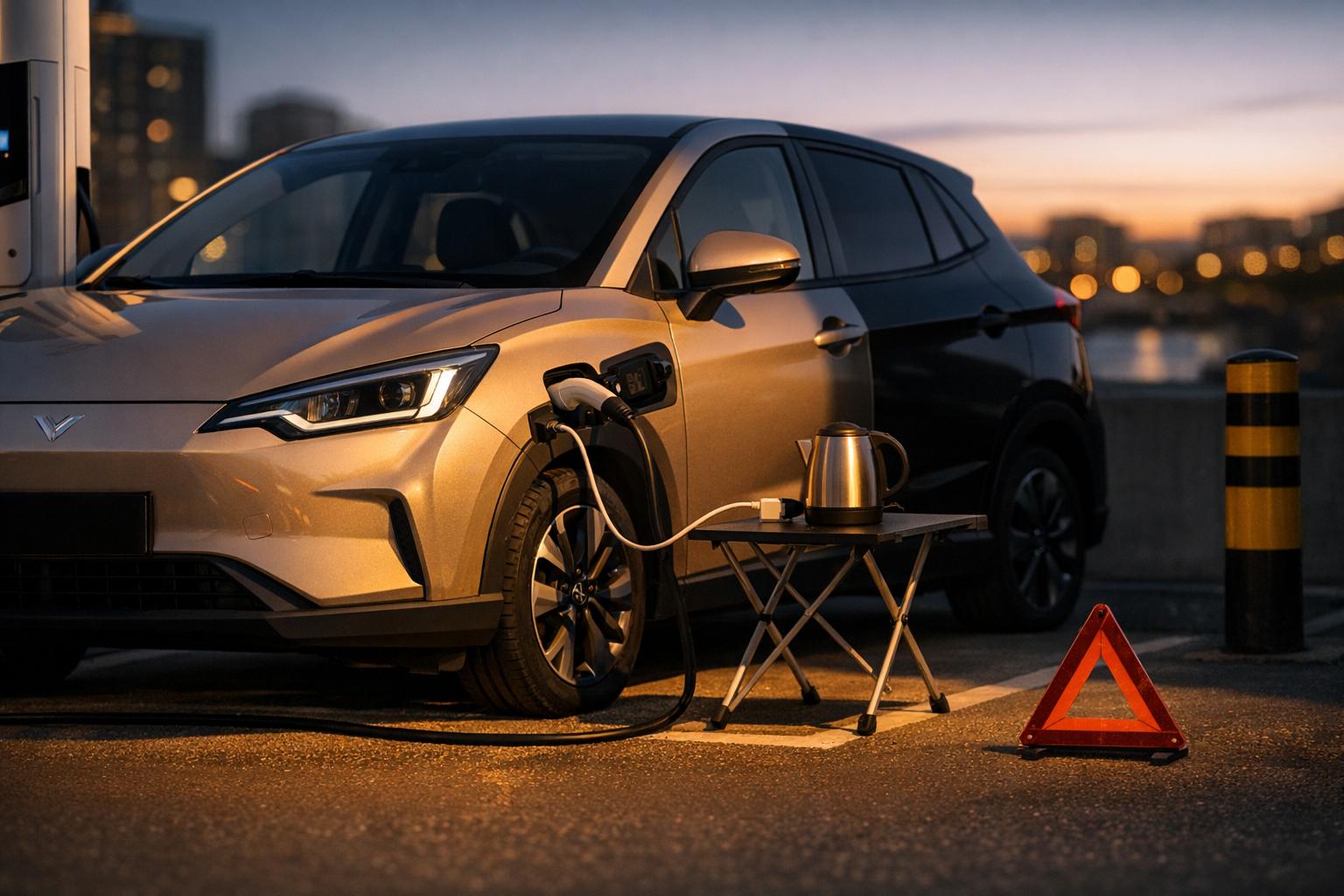
The Hozon Neta V is one of the most affordable electric vehicles on the market, priced between $10,000 and $14,900. It offers a range of up to 249 miles (401 km) with its larger 38.54 kWh battery and supports DC fast charging for added convenience. However, its zero-star ASEAN NCAP safety rating, limited safety features, and modest performance raise concerns for buyers prioritizing protection and reliability. Here’s a quick breakdown:
- Price: Starts at $11,350 in China; Pro version at $14,200.
- Range: Two battery options – up to 249 miles (401 km).
- Performance: 95 horsepower, 75 mph top speed.
- Charging: DC fast charging (30%-80% in 30 minutes), AC charging (6-8 hours).
- Features: 14.6-inch touchscreen, V2L capability, but lacks Apple CarPlay/Android Auto.
- Safety: Zero-star ASEAN NCAP rating with only two airbags.
While the Neta V is budget-friendly and tech-focused, its safety shortcomings and Hozon Auto‘s recent financial troubles make alternatives like the BYD Dolphin (better safety, more features) worth considering.
1. Hozon Neta V
Price
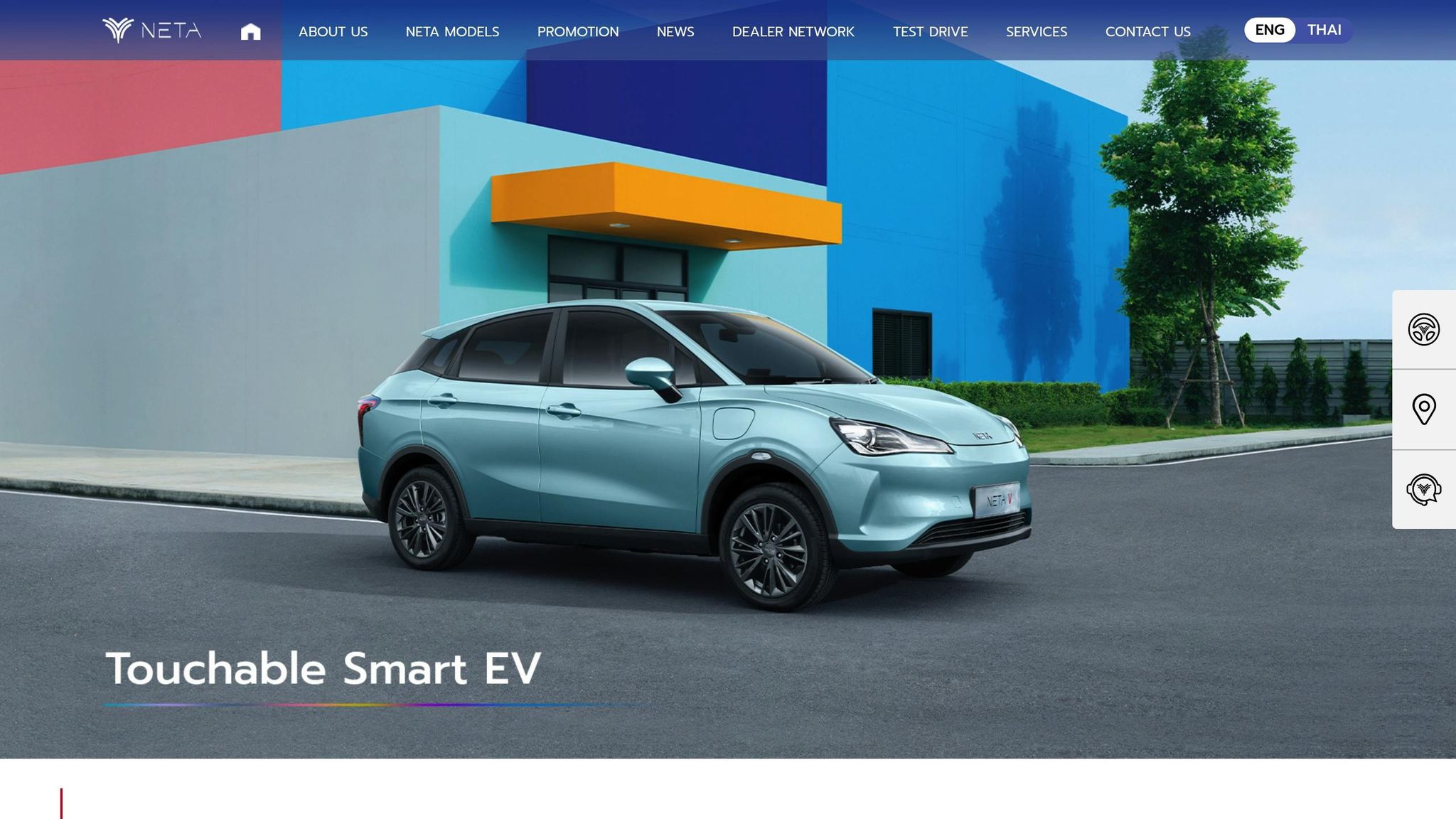
The Neta V is all about combining affordability, performance, and modern tech features, making it an attractive option for budget-conscious buyers. In China, the base model starts at $11,350, while the Pro version is priced at $14,200. Compared to competitors like the Hyundai Kona Electric (starting around $34,000) and the MG ZS EV (priced at roughly $24,000), the Neta V comes in significantly lower. In other markets, such as Thailand and Malaysia, the Neta V is available for approximately $15,500 and $22,500, respectively. This competitive pricing, paired with solid performance, makes it a strong contender in its segment.
Range
The Neta V offers two battery options to cater to different needs. The smaller 31.18 kWh battery provides a range of about 187 miles (301 km), while the larger 38.54 kWh pack extends the range to 249 miles (401 km). The Pro version, equipped with the larger battery, delivers 95 horsepower and 150–160 Nm of torque, taking 12.6 seconds to go from 0 to 62 mph. Its top speed is capped at 75 mph (121 km/h). While its acceleration may not be thrilling, the range is more than sufficient for daily commutes or short road trips.
Charging Options
Charging the Neta V is simple and versatile. It supports both AC home charging and DC fast charging through its 6.6 kW onboard charger. A full AC charge takes about 6–8 hours, while DC fast charging can juice the battery from 30% to 80% in just 30 minutes. The car also includes a One Pedal regenerative braking system, which helps recover energy during deceleration. Plus, its Vehicle-to-Load (V2L) capability allows the Neta V to double as a mobile power source for external devices.
Features
Inside the cabin, the Neta V boasts a 14.6-inch touchscreen, a 12-inch digital instrument cluster, and 6.3 inches (160 mm) of ground clearance. The trunk offers 12.5 cubic feet (355 liters) of storage space. For added convenience, built-in apps like TikTok and the "Xiao You" AI companion bring a modern touch to the driving experience. However, safety is a major concern. In December 2024, the vehicle received a zero-star safety rating from ASEAN NCAP due to poor crash test results and the absence of key safety features like seatbelt pretensioners. These factors highlight both the car’s strengths and its areas for improvement, setting the stage for comparisons with other models.
2. BYD Dolphin
Price
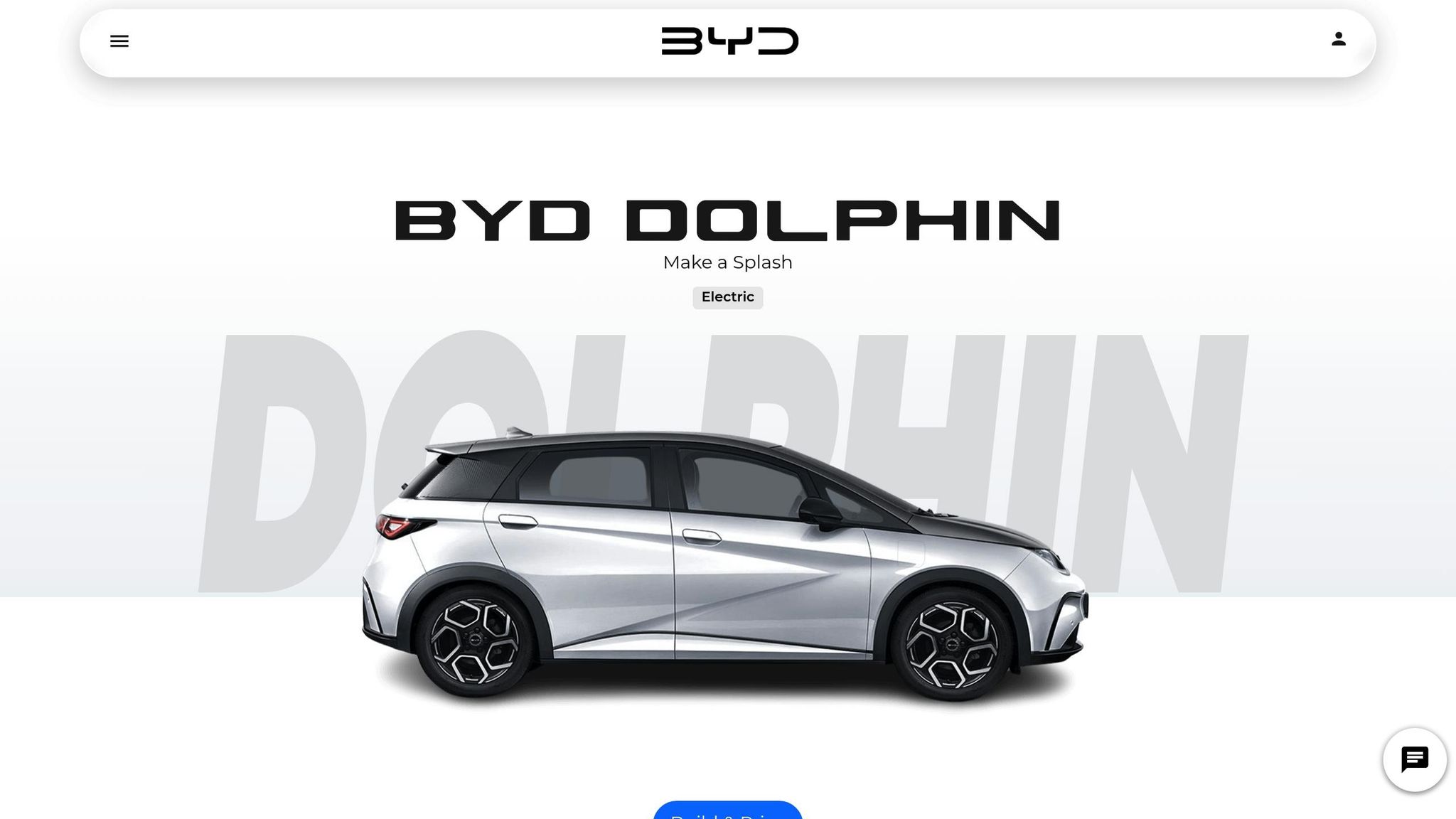
The BYD Dolphin is positioned at a price point similar to the Neta V. In China, the 2025 model starts at $13,700 for the Vitality trim, which includes a 45 kWh battery, while the Knight edition with a 60 kWh battery is priced at $18,000. Over in Malaysia, the Dynamic Standard Range model is listed at RM 100,530 (around $22,500), closely matching the Neta V’s price of RM 100,000. Despite the comparable pricing, the Dolphin stands out by offering a richer selection of safety and comfort features, presenting a more attractive option for those seeking more than just basic transportation. Beyond price, its range capabilities further set it apart.
Range
The Dolphin comes with two battery options. The base model, equipped with a 45 kWh battery, delivers a 261-mile (420 km) range under the CLTC cycle, which translates to an estimated 186 miles (300 km) in everyday driving conditions. For those opting for the 60 kWh Knight edition, the range extends to 323 miles (520 km) based on CLTC ratings. At the core of these configurations is BYD’s LFP Blade Battery, known for its excellent thermal stability and durability. This is particularly advantageous in hotter climates, where the battery is designed to outlast the vehicle itself. The Dolphin also matches the Neta V in power with 94 hp and 180 Nm of torque, while its longer 2,700 mm wheelbase ensures a more spacious interior.
Charging Options
Charging the Dolphin is straightforward. Using a standard AC connection, it takes about 7.5 hours to go from 0 to 100%, slightly quicker than the Neta V’s 8-hour charge time. For faster recharging, the Dolphin supports 80 kW DC fast charging, though specific times for a 30-80% charge are not disclosed. Its charging compatibility with existing infrastructure makes it a practical choice in regions where EV networks are still developing.
Features
Inside, the Dolphin boasts a 12.8-inch rotating touchscreen paired with a 5-inch instrument cluster, offering seamless integration with Apple CarPlay and Android Auto. When it comes to safety, the Dolphin leaves the Neta V far behind. It includes 6 airbags (compared to the Neta V’s 2), a 360-degree camera, Lane Keep Assist, Blind Spot Monitor, and Rear Collision Warning. It also achieved a 5-star ANCAP safety rating, with an 89% adult occupant protection score, a stark contrast to the Neta V’s zero-star ASEAN NCAP result. Combined with its roomy cabin and robust safety features, the Dolphin solidifies its position as a well-rounded option. With these strengths in mind, let’s move on to assess the next competitor.
Neta V II smart vs BYD Dolphin (Standard Range) ทำไมถึงเลือกซื้อ neta มากกว่า BYD
sbb-itb-99e19e3
3. Dongfeng EX1
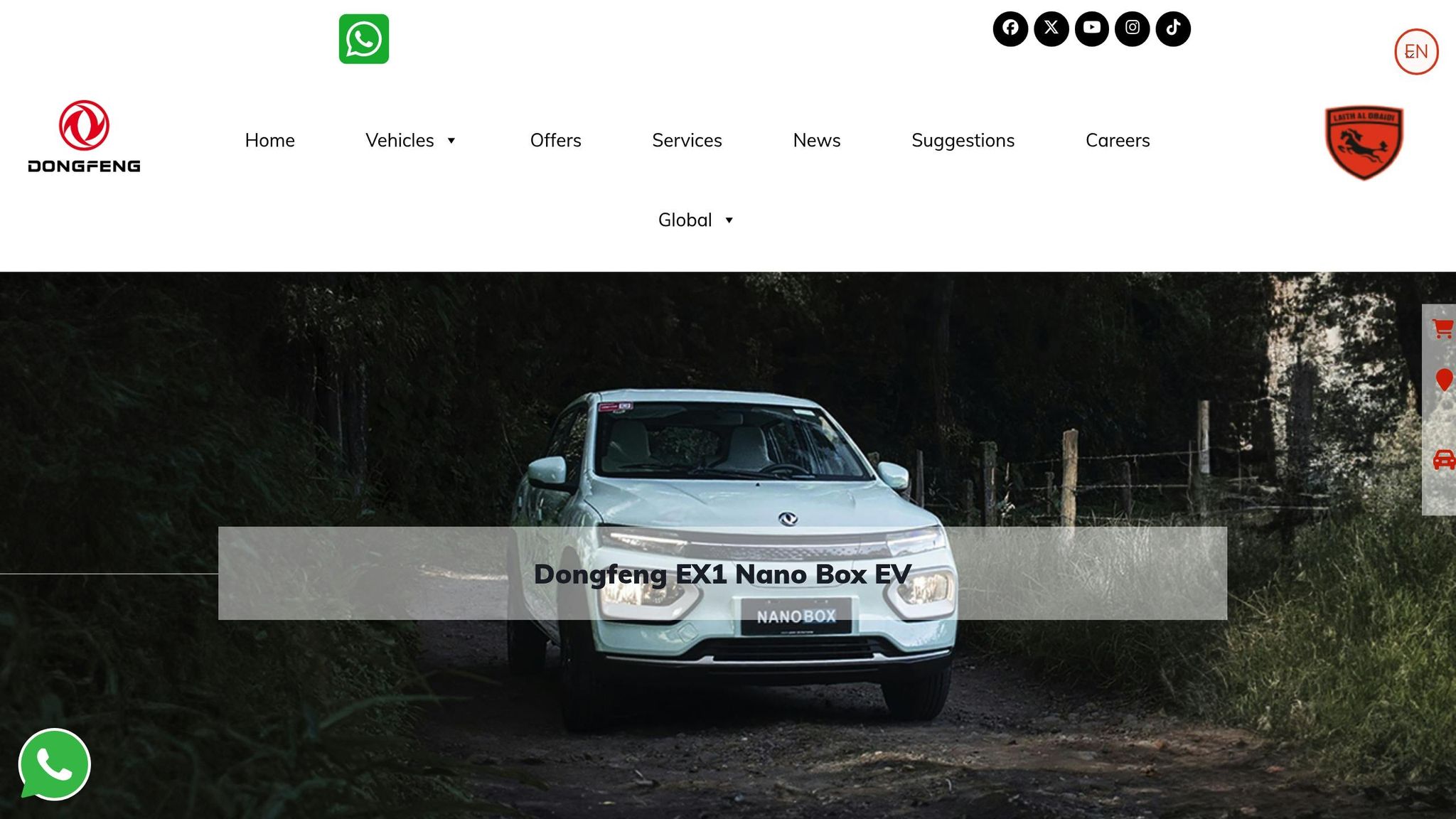
The Dongfeng EX1 aims to cater to the ultra-budget EV market, but specifics about its features and performance remain vague. With limited information available, it’s tough to gauge how well it stacks up against other models or if it delivers good value for money.
This uncertainty creates challenges for potential buyers. Without confirmed details on pricing, performance, or safety ratings, it’s hard to determine if any cost savings are worth the potential trade-offs in range or build quality. For those keeping a close eye on their budget, the lack of transparency might outweigh any perceived affordability – especially when compared to the more thoroughly documented Neta V or BYD Dolphin.
Additionally, for buyers in areas with sparse charging infrastructure, opting for a car without verified charging specs or reliable service support can add to the risks. With no safety ratings, detailed features, or feedback from owners to rely on, the EX1 presents significant uncertainties for anyone trying to make a well-informed decision.
Strengths and Weaknesses
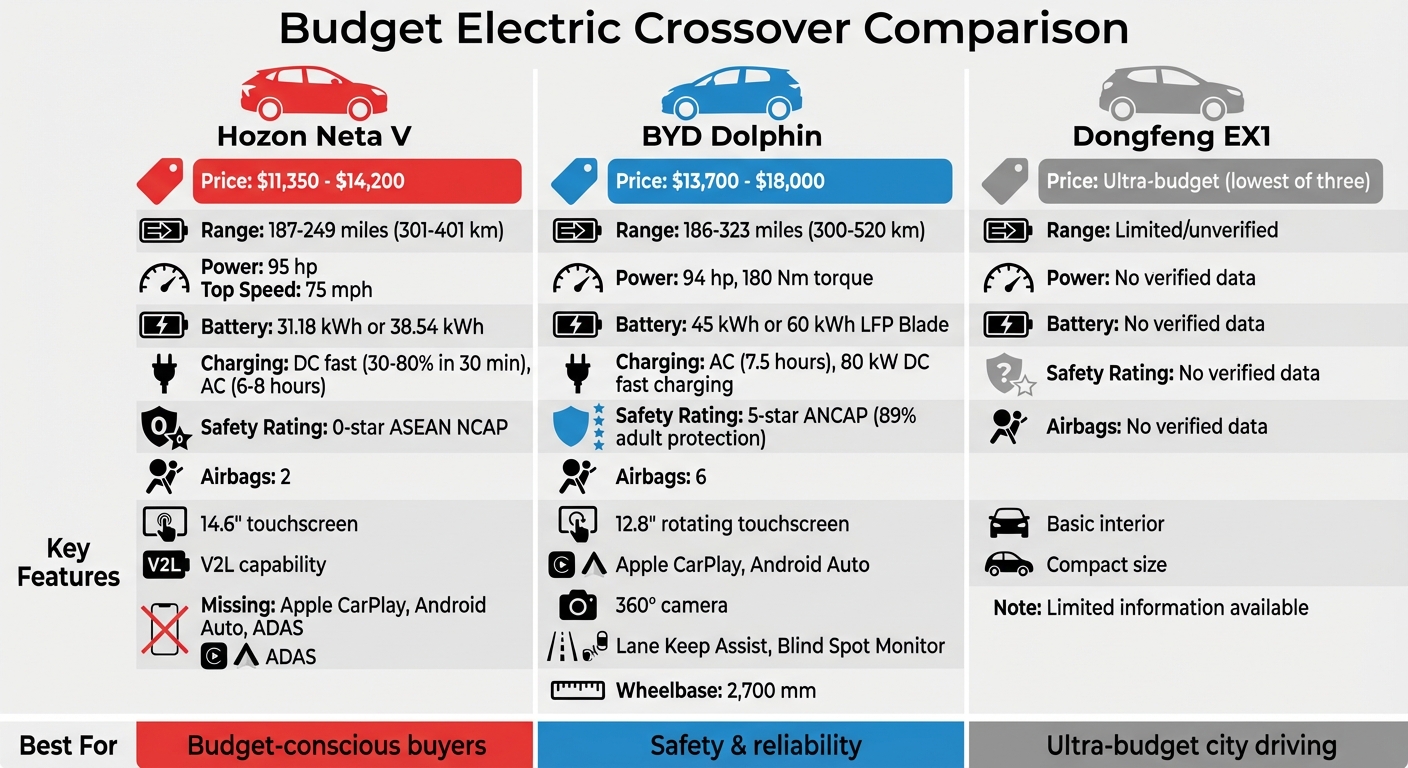
Hozon Neta V vs BYD Dolphin vs Dongfeng EX1 Electric Vehicle Comparison
Each of these budget-friendly electric crossovers comes with its own set of pros and cons. Understanding where they shine and where they fall short can help buyers make a more informed decision. The analysis below highlights the key strengths and weaknesses of each model, building on the detailed reviews provided earlier.
The Neta V stands out for its low price, decent driving range, and modern tech features. However, its zero-star ASEAN NCAP safety rating from December 2024 raises serious concerns. Crash tests revealed significant issues, including excessive intrusion of the steering wheel and A-pillar during frontal impacts. On top of that, the Neta V lacks Apple CarPlay, Android Auto, and advanced driver assistance systems (ADAS). Its modest power output also means slower acceleration and a limited top speed – factors that may deter performance-focused buyers.
In contrast, the BYD Dolphin offers better build quality and advanced safety features, which justify its higher price tag. It was Thailand’s best-selling electric vehicle in 2024, a sign of strong consumer trust in its reliability and functionality. For those willing to spend a bit more for peace of mind and long-term dependability, the Dolphin provides a well-rounded option.
The Dongfeng EX1 takes the crown for being the most affordable, but it comes with notable trade-offs. It lacks verified data on range, safety, and features, making it a less transparent choice. While it could work as a basic city car for short commutes, the lack of detailed information might leave potential buyers hesitant.
Here’s a side-by-side comparison to make things clearer:
| Vehicle | Strengths | Weaknesses | Market Fit |
|---|---|---|---|
| Neta V | Affordable price, practical range, V2L capability, large touchscreen | Zero-star safety rating, sluggish acceleration, limited top speed, no ADAS/CarPlay, only two airbags | Budget-conscious buyers, though safety concerns could deter families or fleet operators |
| BYD Dolphin | Strong brand reputation, better safety features, higher build quality, 2024 sales leader in Thailand | Higher price compared to Neta V | Ideal for urban middle-class buyers prioritizing safety and reliability |
| Dongfeng EX1 | Extremely low price, compact size for city driving | Limited range, basic interior, no verified safety data | Best suited for short commutes in congested urban areas |
One notable real-world impact of the Neta V’s safety issues occurred in late 2024, when Grab Malaysia banned all Neta vehicles from its ride-hailing services. This decision underscores how safety concerns can directly affect a vehicle’s market appeal and usability.
Conclusion
The Hozon Neta V stands out as one of the most budget-friendly electric vehicles, with a starting price of about $14,200 and a practical range of roughly 249 miles (401 km). For those looking to make an affordable switch to electric driving, its modern tech features add to its appeal. However, this affordability comes with a major drawback – serious safety concerns.
Safety issues remain a glaring problem, limiting the car’s market potential. For families or anyone prioritizing occupant protection, these shortcomings are hard to overlook.
With a top speed of 75 mph, a modest 95-horsepower motor, and low maintenance costs, it’s well-suited for urban commutes. But Hozon Auto’s recent financial troubles – such as production halts and layoffs in 2024 and 2025 – raise concerns about long-term parts availability and reliable dealer support.
FAQs
What safety concerns should I be aware of with the Hozon Neta V?
The Hozon Neta V has raised serious safety red flags, earning a zero-star safety rating from ASEAN NCAP. This rating reflects a troubling lack of protection during crashes, with especially poor results in areas like motorcyclist safety and inadequate safeguards for both adult and child passengers. In crash tests, the vehicle managed to score just 28.55 points overall – a result that underscores its safety shortcomings.
On top of this, the Neta V is missing several key safety features that are standard in many modern cars. For instance, it does not include seatbelt pre-tensioners or load limiters, both of which play a crucial role in minimizing injuries during accidents. These omissions further highlight concerns about the car’s ability to provide dependable protection, making it a less appealing choice for those who prioritize safety on the road.
How do you charge the Hozon Neta V?
Charging the Hozon Neta V is straightforward and hassle-free. You can plug it into a regular AC outlet at home or use a dedicated EV charging station for added convenience. If you’re in a hurry, fast-charging stations compatible with the Neta V can drastically cut down the time it takes to recharge the battery.
For safe and efficient charging, it’s important to follow the manufacturer’s guidelines. The Neta V is built to adapt to different charging setups, offering a practical solution for those making the switch to electric vehicles.
What financial risks should I consider before buying the Hozon Neta V?
Purchasing the Hozon Neta V comes with some financial uncertainties tied to Hozon Auto’s recent struggles. The company has encountered serious financial setbacks, including rising debts, interruptions in production, and even filing for bankruptcy in June 2025. These challenges could impact critical areas like warranty services, vehicle support, and the availability of parts and maintenance in the long run.
While the Neta V offers an affordable entry point into the world of electric vehicles, it’s essential to carefully consider these risks. Reliable access to support and maintenance should be a top concern for anyone thinking about making this investment.