
 Thabo Nkosi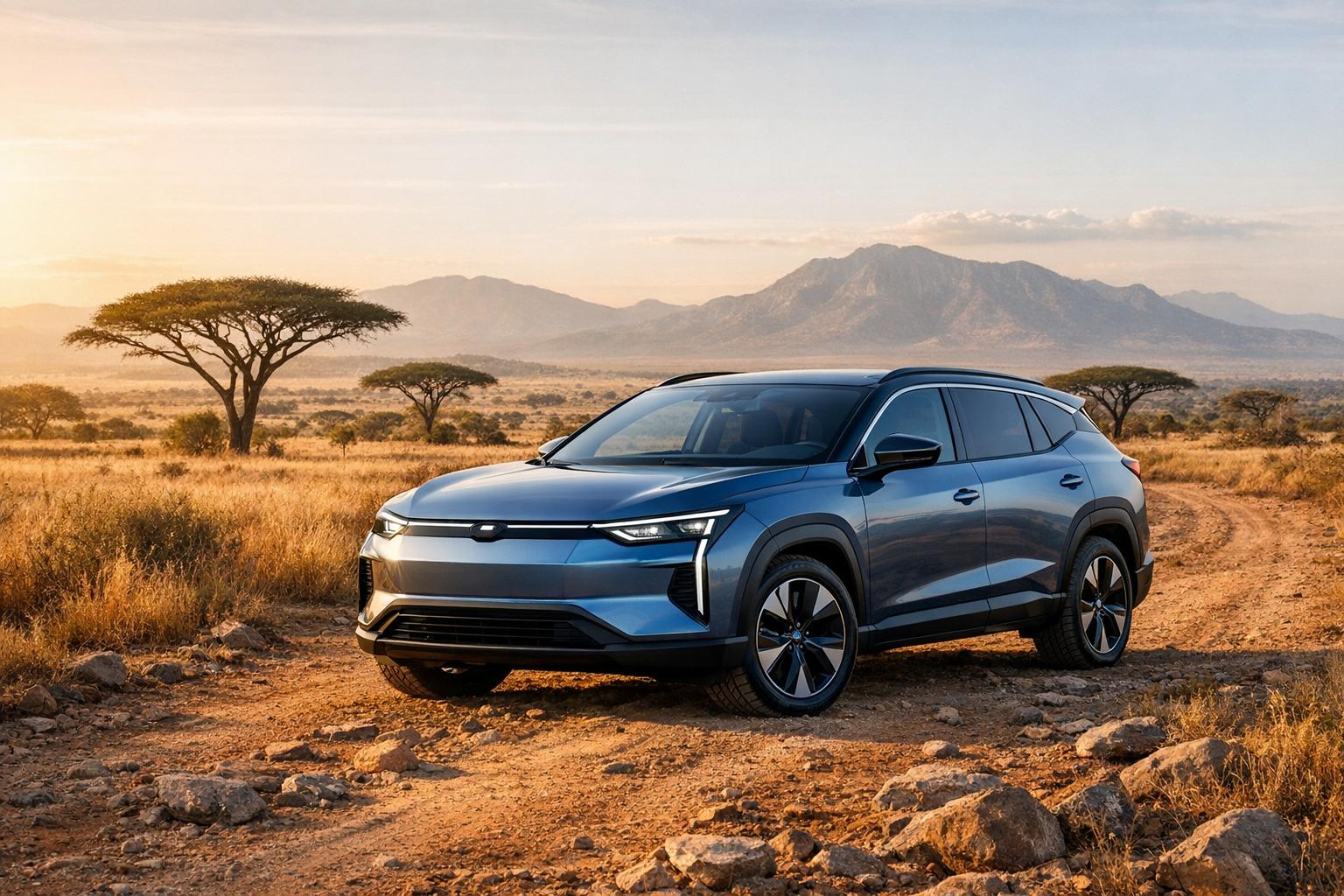
Electric SUVs are gaining traction across Africa, offering a mix of affordability, range, and durability to handle the continent’s unique road conditions. From budget-friendly options to premium luxury models, these vehicles cater to a variety of needs and budgets. Key highlights include:
- Tesla Model Y: Long range (up to 331 miles), premium feel, starting at $39,990.
- BYD Atto 3: Affordable and reliable, leveraging Blade Battery tech, priced around $36,000.
- BYD Tang: A spacious 7-seater with a 329-mile range, starting at $60,000.
- Volvo EX30: Compact luxury with rugged upgrades, starting at $40,245.
- Hyundai Ioniq 5: Practical and affordable, with a range of up to 318 miles, starting at $36,600.
- Kia EV6: Sporty design with 319-mile range, starting at $42,900.
- Audi Q4 e-tron: German engineering with a 258-mile range, starting at $50,600.
- BMW iX: A luxury flagship with up to 364 miles of range, starting at $76,325.
- Toyota bZ4X: Budget-friendly and durable, offering up to 314 miles of range, starting at $34,900.
- Geely Geometry C: Affordable with a 286-mile range, starting at $35,938.
Quick Comparison
| Model | Range (miles) | Starting Price (USD) | Seats | Warranty |
|---|---|---|---|---|
| Tesla Model Y | 331 | $39,990 | 5 | 8 years/120,000 miles |
| BYD Atto 3 | 261 | $36,000 | 5 | 8 years/150,000 km |
| BYD Tang | 329 | $60,000 | 7 | 8 years/150,000 km |
| Volvo EX30 | 296 | $40,245 | 5 | 8 years/100,000 miles |
| Hyundai Ioniq 5 | 318 | $36,600 | 5 | 10 years/100,000 miles |
| Kia EV6 | 319 | $42,900 | 5 | 10 years/100,000 miles |
| Audi Q4 e-tron | 258 | $50,600 | 5 | 8 years/100,000 miles |
| BMW iX | 364 | $76,325 | 5 | 8 years/100,000 miles |
| Toyota bZ4X | 314 | $34,900 | 5 | 10 years/150,000 miles |
| Geely Geometry C | 286 | $35,938 | 5 | 8 years/150,000 miles |
Whether you’re prioritizing range, price, or reliability, this list covers the top options for navigating Africa’s diverse roads in 2026.
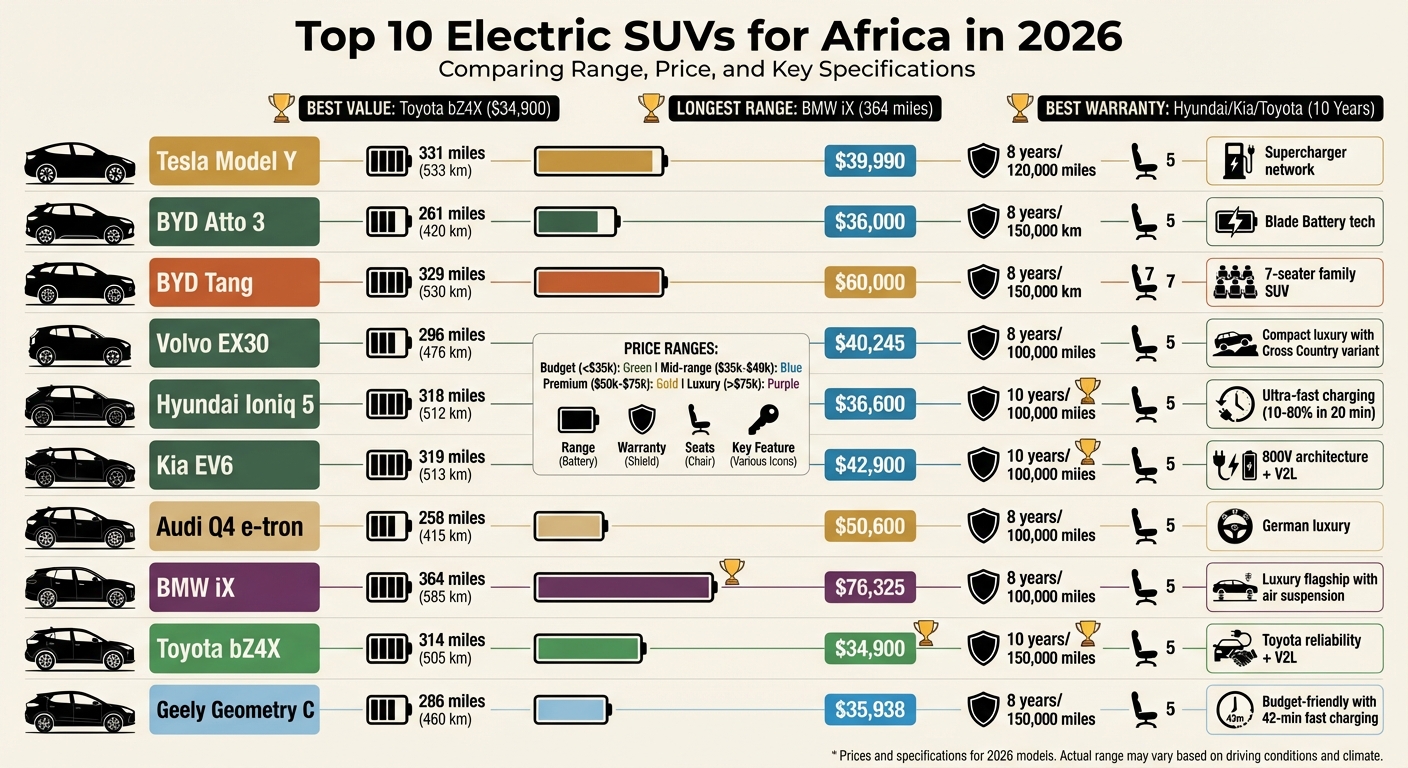
Top 10 Electric SUVs for Africa 2026: Range, Price & Specs Comparison
1. Tesla Model Y
The Tesla Model Y stands out as a top contender for 2026. Starting at $39,990 for the Standard RWD trim, it offers a range of options, including the Long Range AWD at $50,380 and the Performance AWD at $57,490. These price points place it firmly in the category of premium electric SUVs.
Range (miles/kilometers)
The Long Range version delivers an impressive 331 miles (533 km) on a single charge. With DC fast charging, you can gain 133 miles (214 km) of range in just 15 minutes, thanks to its peak charging rate of 250 kW. Keep in mind, though, that actual range can vary depending on driving habits and environmental factors.
Price (in USD)
The starting price makes the Model Y an appealing option for those looking at premium electric SUVs. Opting for Tesla’s Full Self-Driving package will add about $8,000 to the total cost. Beyond the price, the Model Y’s design and engineering highlight its performance and long-term durability.
Reliability (durability and battery performance)
Equipped with an 80 kWh liquid-cooled lithium-ion battery, the Model Y delivers exceptional acceleration, achieving 0–60 mph in just 3.9 seconds. While there are currently 5 active recalls for the vehicle as of early 2026, consumer reliability ratings average 4.5 out of 5 stars, with early reviews for the 2026 model giving it a flawless 5-star rating. Tesla backs its battery and drivetrain with an 8-year/120,000-mile warranty.
Suitability for African Conditions (road quality, climate, charging)
The Model Y’s performance extends well to the unique challenges of African roads. The 2026 refresh includes acoustic glass, which minimizes cabin noise to 66 decibels at 70 mph – an advantage on rough or noisy roads. However, as Consumer Reports pointed out, there are some potential drawbacks:
Stiff ride, abrupt regenerative braking at low speeds, too much reliance on the screen, wimpy air conditioning – these could be deal breakers.
Even so, Tesla’s expanding Supercharger network makes long-distance travel across varying terrains more manageable.
2. BYD Atto
The BYD Atto 3 stands out in the C-segment SUV category, offering a practical and efficient option powered by BYD’s proprietary Blade Battery technology. This innovative battery uses Lithium Iron Phosphate (LFP) chemistry, which is known for its safety, long lifespan, thermal stability, and resistance to wear – qualities that are especially important given the diverse climate conditions across Africa. Let’s dive deeper into its performance metrics and why it’s a good match for driving in Africa.
Range (miles/kilometers)
The Atto 3 comes in two versions: Standard and Extended Range. Both options deliver reliable mileage, making it suitable for everything from daily city commutes to longer road trips. Its LFP battery technology ensures consistent performance, even in Africa’s varying climates.
Price (in USD)
The Atto 3 is positioned as an affordable alternative to pricier EVs like the Tesla Model Y or BMW iX. It offers a balance of modern features and cost-effectiveness, which is especially appealing in African markets where buyers prioritize durability and low maintenance costs.
Reliability (durability and battery performance)
Thanks to its advanced Blade Battery design, the Atto 3 is built to handle demanding conditions. The LFP chemistry ensures the battery remains reliable and durable, even in harsh environments, making it a dependable choice for long-term use.
Suitability for African Conditions (road quality, climate, charging)
The Atto 3 is engineered to tackle Africa’s rugged terrains and fluctuating temperatures. Its high ground clearance allows it to handle uneven and rough roads, a crucial feature for many regions across the continent. Additionally, its focus on durability and easy maintenance ensures it meets the needs of drivers who require a vehicle that can withstand challenging conditions over time.
3. BYD Tang
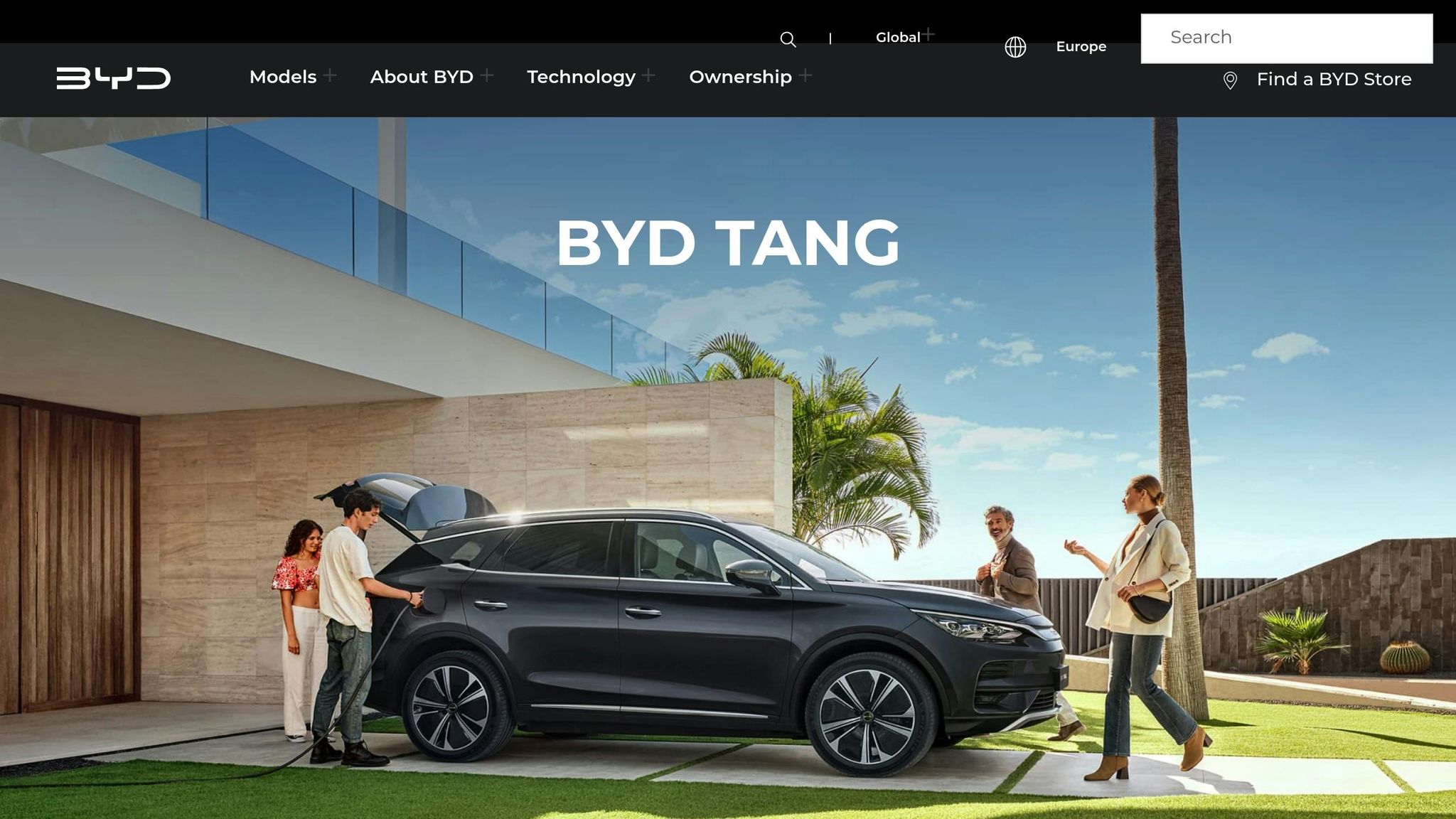
The BYD Tang is a 7-seater premium SUV designed to bring impressive performance and spacious versatility to the African market. With an electric all-wheel drive (AWD) system and a robust 108.8 kWh Blade Battery, this flagship model produces 380 kW (around 510 hp) through its dual-motor setup. It can sprint from 0 to 62 mph in just 4.9 seconds, making it a powerful contender for both urban and rugged terrains in Africa. Let’s take a closer look at what sets the Tang apart.
Range (miles/kilometers)
The Tang offers a WLTP combined range of 530 km (329 miles), making it a reliable choice for daily commutes as well as longer intercity trips where charging points might be few and far between. Thanks to its 800V high-voltage platform, the SUV supports fast DC charging, allowing the battery to jump from 30% to 80% in a short span of time – perfect for drivers on the go.
Price (in USD)
With a price range of $60,000 to $75,000 USD, the BYD Tang is positioned as a luxury EV. Pricing in African countries like South Africa, Kenya, and Egypt will depend on local import taxes and EV incentives. While it costs more than the BYD Atto 3, the Tang justifies its price with features like Nappa leather seats, a 15.6-inch multimedia display, ambient lighting, and a spacious 7-seat layout. The foldable rear seats provide ample storage, making it an excellent choice for families or those who frequently travel long distances.
Reliability (durability and battery performance)
The Tang’s 108.8 kWh Blade Battery is engineered for safety and durability. It has passed rigorous nail penetration tests, ensuring a long lifecycle – an essential feature for regions with limited charging infrastructure. The SUV’s body structure incorporates 77.4% high-strength steel, offering enhanced protection for passengers and critical components. Additionally, the DiSus-C intelligent damping control system adjusts the suspension in real-time to adapt to varying road conditions, ensuring a smooth and reliable ride.
Suitability for African Conditions (road quality, climate, charging)
The Tang’s AWD system, intelligent damping, and advanced sensors make it well-equipped for Africa’s diverse road conditions, from highways to rugged paths. Its design also accommodates poorly marked or narrow roads often found in the region. The LFP battery chemistry stands out in hot climates, as it’s less susceptible to overheating compared to NCM batteries commonly used in European electric SUVs. For families needing more space and capability than 5-seater options like the Hyundai Ioniq 5 or Kia EV6, the Tang delivers a winning combination of performance, comfort, and cutting-edge technology. It’s a vehicle built to handle Africa’s unique challenges with ease.
4. Volvo EX30
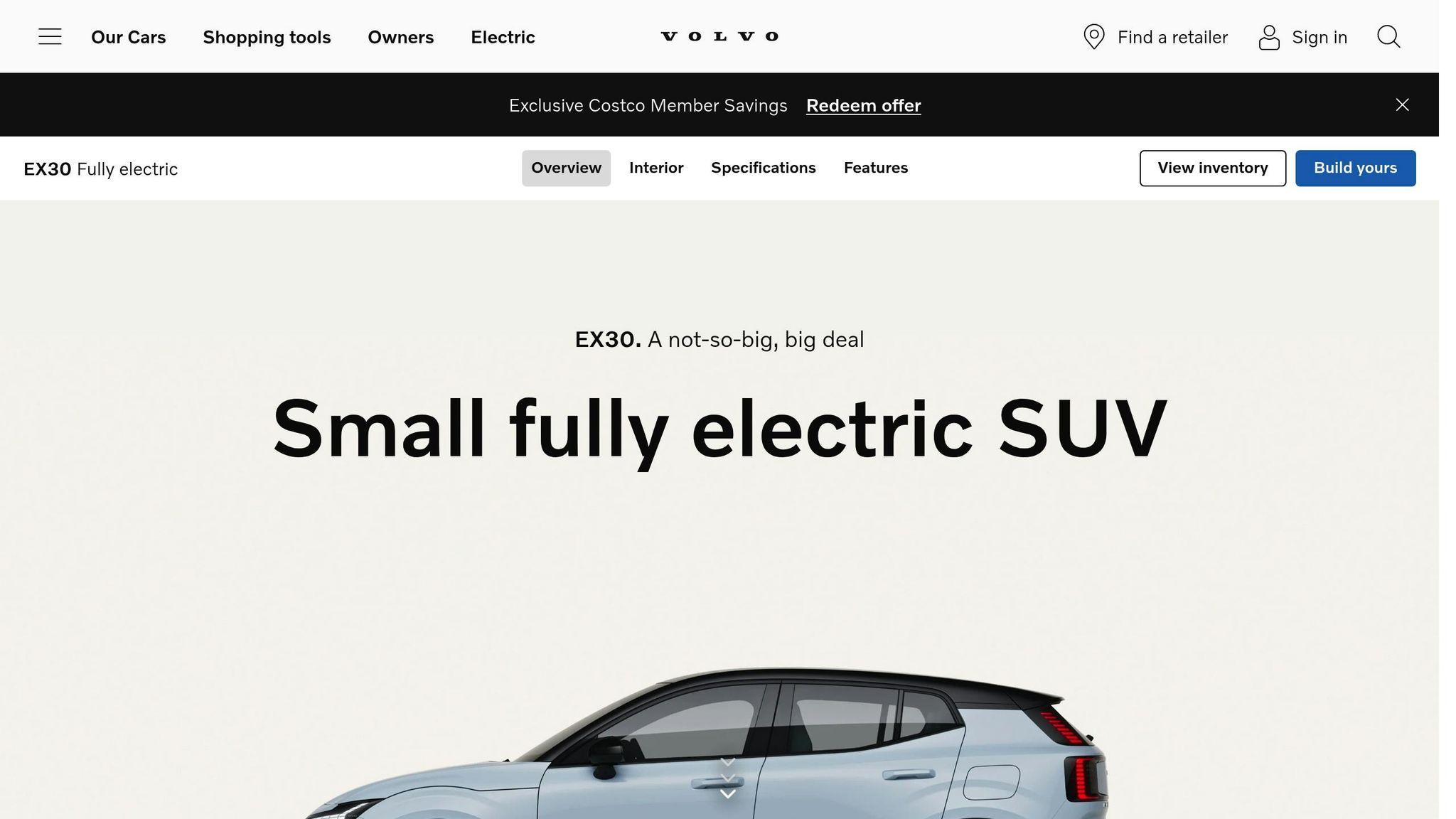
The Volvo EX30 is a compact yet luxurious SUV that combines Scandinavian elegance with cutting-edge technology, making it a standout in Africa’s expanding EV market. The 2026 model introduces a rugged Cross Country version, designed specifically for challenging terrain. It features a slightly raised ride height (0.7 inches), skid plates for added protection, and a softer suspension for better handling on rough roads. With three powertrain options and competitive pricing for a premium vehicle, the EX30 balances luxury with practicality. Let’s dive into its range, pricing, and reliability.
Range (miles/kilometers)
The EX30 offers three distinct powertrain setups:
- Single Motor Extended Range: Covers 476 km (296 miles) WLTP or 261 miles EPA.
- Twin Motor Performance: Offers 450–460 km (280–286 miles) WLTP or 253 miles EPA.
- Base Single Motor: Provides 344 km (214 miles) WLTP [13, 14, 16].
The Cross Country variant has an EPA-estimated range of 227 miles. In real-world highway testing at 75 mph, the Twin Motor Performance achieved 160 miles. For charging, DC fast charging can replenish the battery from 10% to 80% in just 26.5 to 28 minutes [13, 16].
Price (in USD)
In the U.S., the 2026 EX30 starts at $40,245 (including destination fees), while the Ultra trim is priced at $47,945. The Cross Country model comes in at $49,445. In South Africa, prices range from R 835,500 (around $45,000 USD) for the base Single Motor model to R 1,114,000 (roughly $60,000 USD) for the Twin Motor Performance [13, 16]. The Twin Motor model also delivers impressive acceleration, going from 0 to 60 mph in just 3.3 seconds.
Reliability (durability and battery performance)
The EX30 boasts a five-star Euro NCAP safety rating, supported by a high-strength steel frame that safeguards both passengers and the battery. Buyers get peace of mind with an 8-year or 100,000-mile battery warranty, and South African models also include a 5-year maintenance plan. The vehicle is available with either a 51 kWh battery (base model) or a 69 kWh battery (extended range and performance models).
However, some early road tests revealed minor software issues, such as Bluetooth connectivity problems, Apple CarPlay bugs, and incorrect temperature unit displays. The single-screen interface, which lacks physical buttons for mirror adjustments and climate control, has also drawn criticism. Volvo plans to address these concerns through over-the-air updates. Despite these hiccups, the EX30’s sturdy construction makes it a reliable choice for Africa’s varied conditions.
Suitability for African Conditions (road quality, climate, charging)
The EX30 is well-equipped to handle Africa’s diverse challenges. The Cross Country version stands out with its raised ride height, skid plates, softened suspension, flared overfenders, and unique 18-inch wheels designed for unpaved roads. Even the standard model includes a "comfort chassis" with a 5-link rear suspension, ensuring a smooth ride over bumpy surfaces [13, 15].
For hot climates, the fixed panoramic roof blocks about 80% of solar heat, reducing cabin temperatures and easing the load on the air conditioning system. Additionally, the battery pre-conditioning feature optimizes charging times when a station is set as a destination in Google Maps [14, 19]. With its robust design, climate-ready features, and off-road capabilities, the EX30 is built to meet the demands of Africa’s unique conditions with ease.
5. Hyundai Ioniq 5
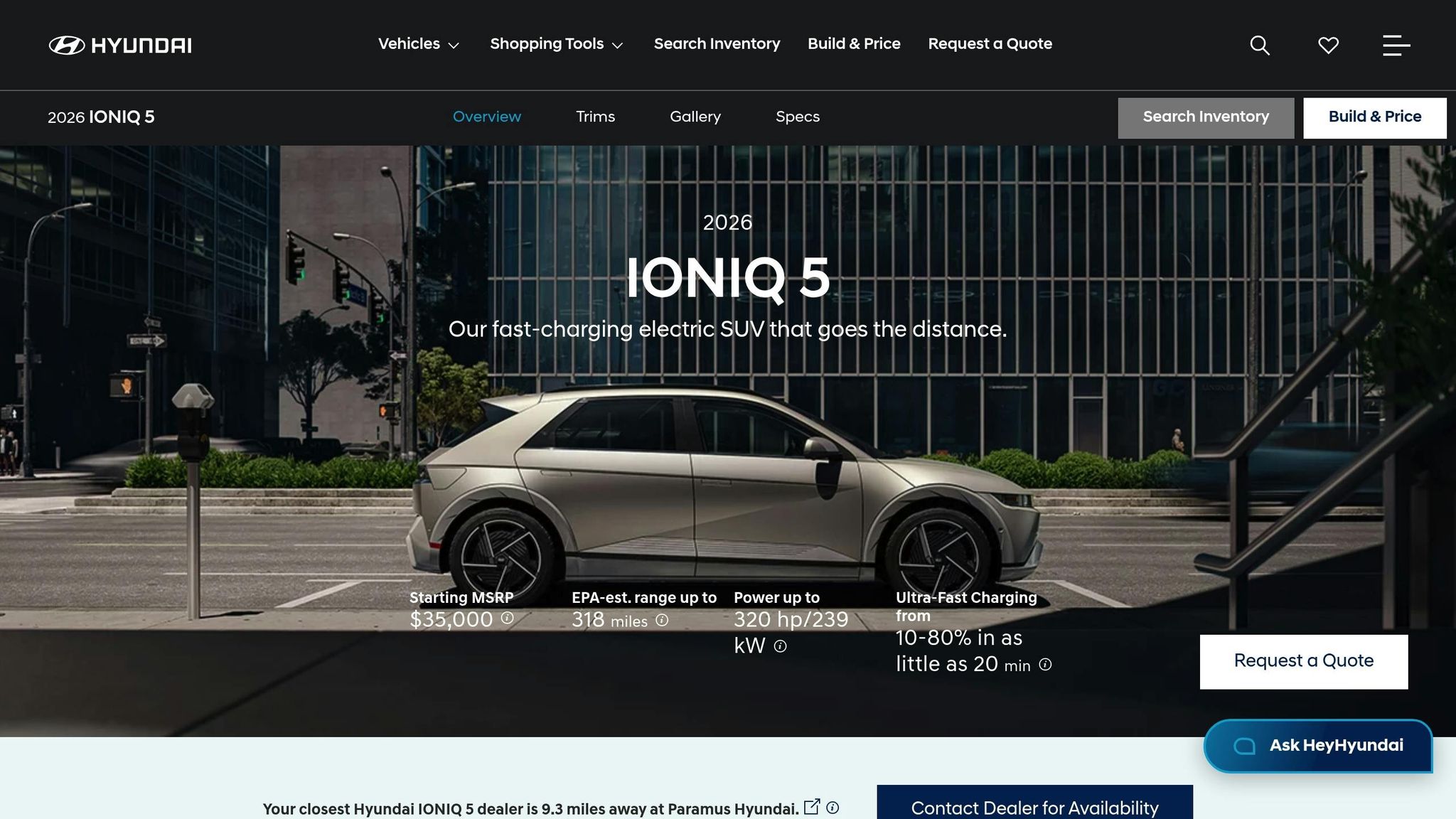
The Hyundai Ioniq 5 is shaping up to be one of the most practical electric SUVs for Africa in 2026, thanks to its ultra-fast charging capabilities and more affordable pricing. Hyundai has slashed prices by up to $9,800 compared to earlier models, making it a more budget-friendly option without compromising on performance. Built on the Electric-Global Modular Platform (E-GMP), it boasts a roomy interior with a 118.1-inch wheelbase – longer than the three-row Hyundai Palisade – and a distinct design. It’s no wonder Car and Driver gave it a perfect 10/10 rating and ranked it #2 among Best Electric Compact SUVs.
Range (miles/kilometers)
The Ioniq 5 offers two battery options. The base 63.0-kWh battery provides an EPA-rated range of 245 miles (394 km), while the larger 84.0-kWh pack extends that to 318 miles (512 km). Its maximum range of 512 km outpaces the Toyota bZ4X (450 km) but falls short of the Kia EV6 Long Range (603 km). Performance varies across its three power levels: 168 hp in the standard version, 225 hp in the long-range rear-wheel-drive model, and 320 hp for the dual-motor all-wheel-drive version, which can sprint from 0 to 60 mph in just 4.4 seconds.
Price (in USD)
The 2026 Ioniq 5 starts at $36,600 for the base model, with premium configurations reaching $50,575. Beyond the upfront cost, owners can expect to save around $66 per month on fuel and $40 per month on maintenance compared to traditional gas-powered vehicles. Hyundai also backs the Ioniq 5 with a solid 10-year/100,000-mile warranty on the battery and powertrain, offering reassurance, especially in areas with limited EV repair options.
Reliability (durability and battery performance)
Built for durability, the Ioniq 5 is equipped with a liquid-cooled lithium-ion battery pack and an advanced 800-volt system. These features enable the car to charge from 10% to 80% in just 20 minutes or add 68 miles (109 km) of range in five minutes. It also includes a Tesla Supercharger-compatible NACS port, giving access to over 25,000 Superchargers, along with a CCS adapter for other networks. Maintenance is straightforward since the Ioniq 5 doesn’t require oil changes or transmission fluid replacements. Drivers have also noted its light steering and the convenience of a small front trunk.
Suitability for African Conditions (road quality, climate, charging)
The 2026 Ioniq 5, particularly the XRT trim, is tailored for Africa’s varied road conditions. The XRT model enhances the vehicle’s off-road capabilities with increased suspension travel and taller tire sidewalls, making it better suited for rough terrain. While the standard SEL AWD model has a ground clearance of 6.1 inches – lower than some rugged SUVs – the XRT’s specialized suspension compensates for this, making it more adaptable to unpaved roads. Its low center of gravity and balanced weight distribution improve handling across diverse terrains. Drivers can also fine-tune regenerative braking levels via paddle shifters to extend range in different driving conditions. Additionally, the Ioniq 5 comes with a charging cable compatible with both Level 1 and Level 2 outlets, offering flexibility for home or office charging, especially in areas where public charging infrastructure is still developing.
6. Kia EV6
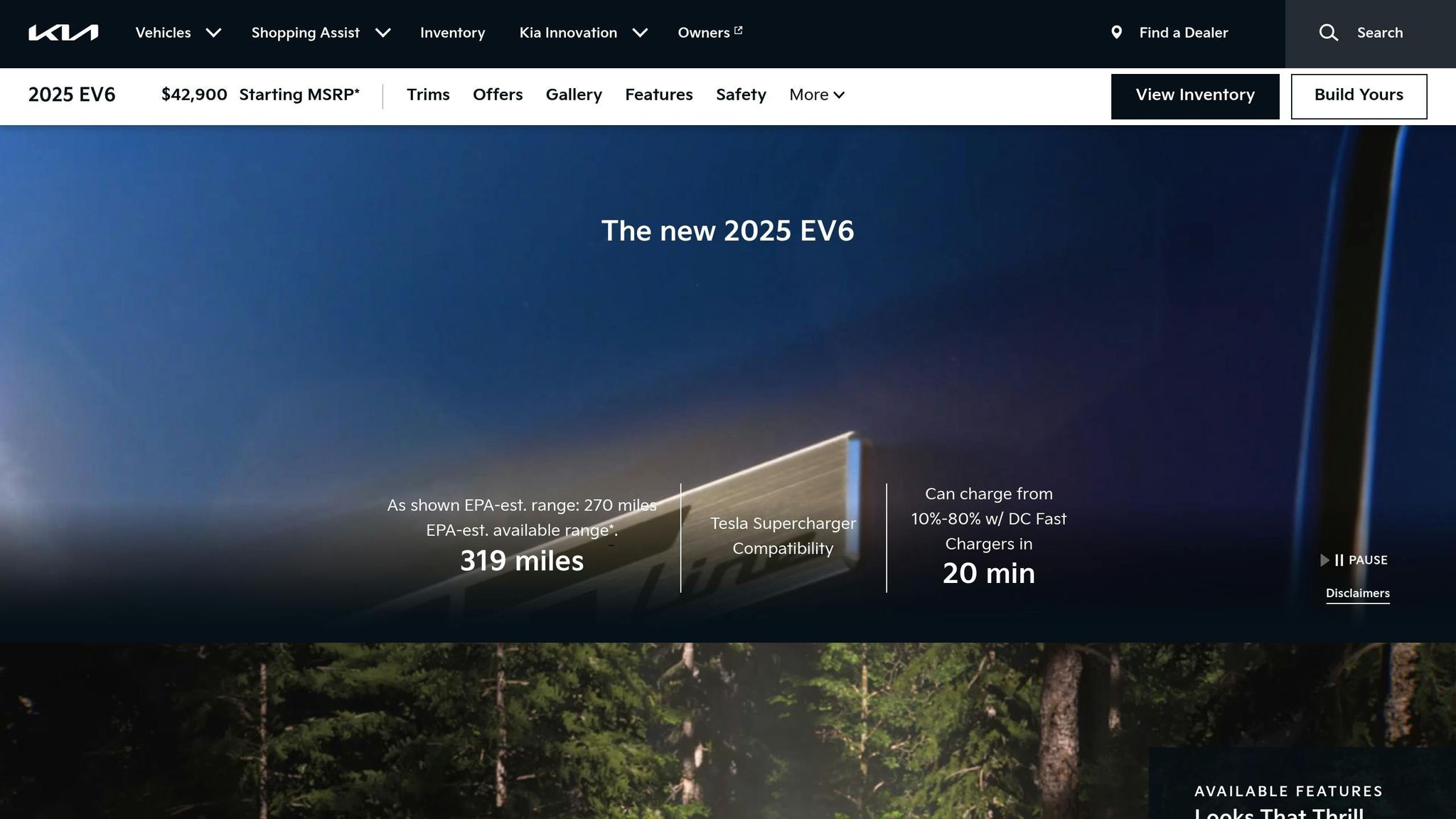
Building on the practicality and advanced charging capabilities of the Ioniq 5, the Kia EV6 adds its own flair with a sportier design and a focus on the driving experience.
The Kia EV6 brings an impressive range and ultra-fast charging to the table, making it an appealing choice for African buyers in 2026. Sharing the same E-GMP platform as the Hyundai Ioniq 5, it offers a more dynamic design tailored for drivers. Car and Driver gave it a stellar 9.5/10 rating and honored it as an "Editors’ Choice". One of its standout features is the 800-volt architecture, a rarity at this price point, paired with a Vehicle-to-Load (V2L) system that allows the EV6 to function as a mobile power source.
Range (miles/kilometers)
The EV6 offers a range that varies by configuration, from 237 miles (381 km) to 319 miles (513 km). The base Light RWD model, equipped with a 63.0 kWh battery, delivers 237 miles (381 km). For those seeking extended range, the Light Long Range RWD and Wind RWD trims, with their larger 84.0 kWh battery, can travel up to 319 miles (513 km). All-wheel-drive options trade some range for extra power, with the Wind AWD managing 295 miles (475 km) and the GT-Line AWD offering 270 miles (435 km). For long-distance travel across African cities, the single-motor rear-wheel-drive variants are the most efficient.
Price (in USD)
The 2025 Kia EV6 starts at $42,900 for the Light RWD model, offering competitive pricing within its segment. The Light Long Range RWD is priced at $46,200, while the Wind RWD comes in at $50,300. For those seeking all-wheel drive, the Wind AWD starts at $54,300, and the high-performance GT-Line AWD tops out at $58,900. To further reassure buyers, Kia provides a 10-year or 100,000-mile warranty for both the powertrain and battery, a valuable feature in regions where EV service infrastructure is still developing.
Reliability (durability and battery performance)
Designed to handle tough conditions, the EV6 features a liquid-cooled lithium-ion battery pack that maintains performance even in hot climates. Its 800-volt system enables rapid charging, taking the battery from 10% to 80% in just 18–20 minutes using a 350-kW DC fast charger – equivalent to adding about 70 miles in under five minutes. With a 5-star NHTSA safety rating and V2L technology, the EV6 can also power external devices during outages or at remote locations.
Suitability for African Conditions (road quality, climate, charging)
With a ground clearance of 6.1 inches, the EV6 is better suited for urban roads and highways rather than rough, unpaved terrain. Its MacPherson strut front suspension and five-link rear setup, combined with Selective Damping Control, ensure a smooth ride across varied surfaces, although it’s not designed for off-road adventures. The standard 19-inch wheels provide added sidewall durability. For colder, high-altitude regions, AWD models feature a heat pump system that helps conserve battery range. However, the EV6’s reliance on 350-kW fast chargers means that charging infrastructure in major urban centers will be critical. Encouragingly, the EV6 is already available in African markets like Mauritius, signaling established regional support.
sbb-itb-99e19e3
7. Audi Q4 e-tron
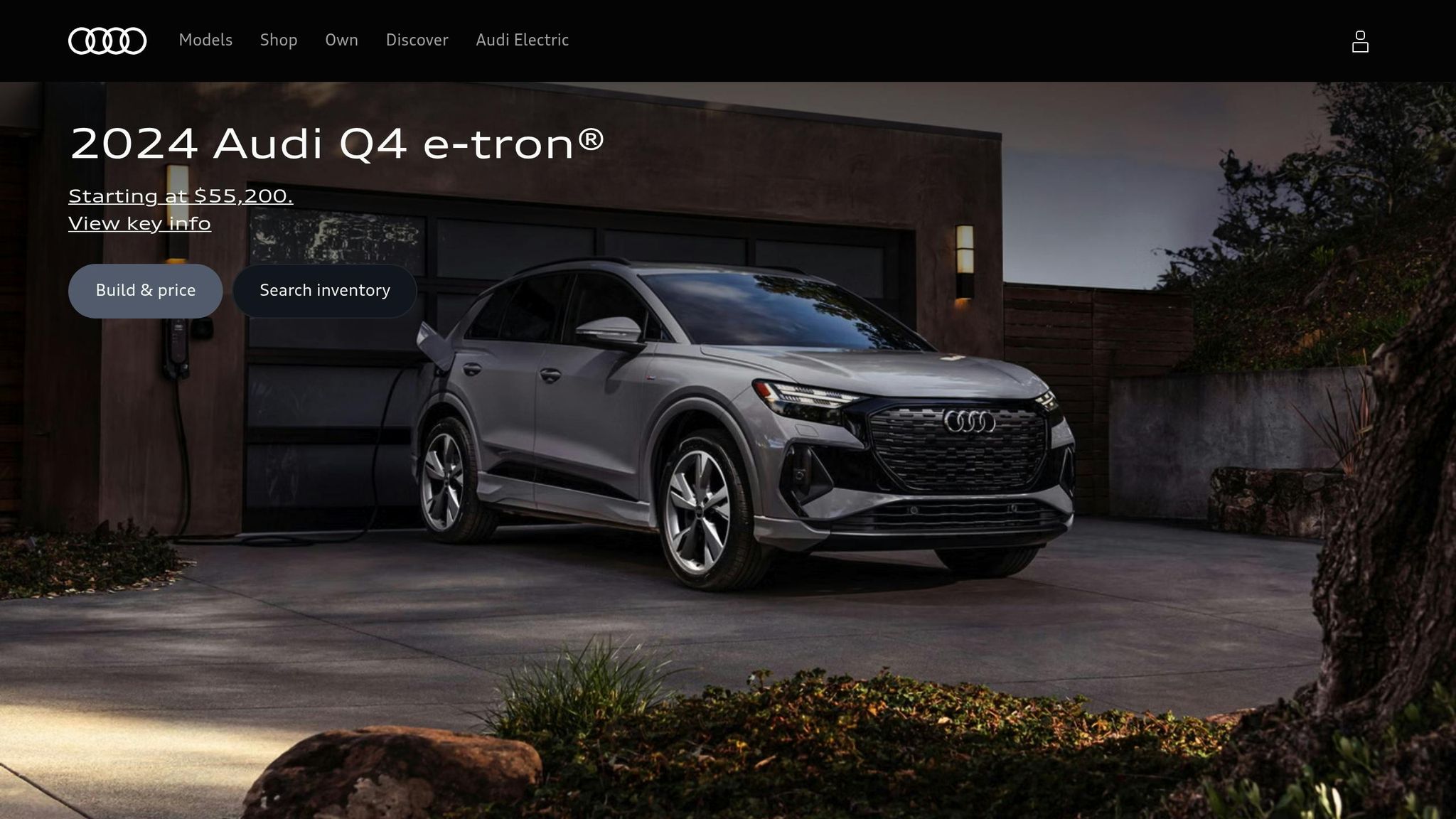
The Audi Q4 e-tron brings a touch of German luxury with its polished interiors and impressive comfort for long drives, though it comes at a premium price. With a price range of $50,600 to $59,000, it offers a serene cabin environment and four-way power lumbar adjustment for the front seats, making it ideal for extended journeys. However, its hefty weight – over 5,500 pounds, which is 500 pounds more than the three-row Audi Q7 – dampens its agility. Let’s dive into its range, cost, reliability, and its adaptability to Africa’s unique road conditions.
Range (miles/kilometers)
Equipped with an 82-kWh battery, the Q4 e-tron boasts an EPA-rated range of 258 miles (415 km), making it a practical choice for traveling between major African cities like Johannesburg and Durban. It supports DC fast charging at a maximum rate of 175 kW, allowing it to add 150 miles (241 km) in about 30 minutes or charge from 10% to 80% in roughly 28 minutes. For home charging, a Level 2 (240V) setup can fully recharge the battery in around nine hours. Audi also includes a heavy-duty plug compatible with standard 240-volt outlets. Its thermal management system ensures consistent performance across different temperatures, and for extreme climates, the Premium Plus trim offers a heat pump for more efficient cabin climate control.
Price (in USD)
The Q4 e-tron starts at $50,600, including a $1,295 destination charge. The Premium Plus trim adds features like acoustic glass and a heat pump, while the Prestige trim includes matrix LED lights and a head-up display. While Consumer Reports praised its "well-finished cabin", some reviewers pointed out the use of hard plastics, which feels out of place at this price point. The Q4 e-tron delivers smooth acceleration, going from 0 to 60 mph in 5.0 to 5.8 seconds depending on the motor configuration.
Reliability (durability and battery performance)
As of early 2026, the Q4 e-tron has three active recalls, so it’s worth checking for updates before making a purchase. Consumer Reports has recognized it as a "Green Choice" for its low emissions. However, there are some drawbacks: the brake pedal has been described as "spongy" and requiring more pressure than feels natural, which could be an issue during emergency stops. The touch-sensitive buttons on the steering wheel have been criticized as "tedious", and the climate control switches are unlit at night, making them harder to use in low-light conditions. These factors are worth considering, especially for buyers evaluating the car’s durability on Africa’s diverse terrains.
Suitability for African Conditions (road quality, climate, charging)
On African roads, the Q4 e-tron’s suspension can feel "overly firm" at low speeds on rough or uneven surfaces, potentially reducing comfort on poorly maintained or unpaved roads. Its weight and tuning make it better suited for smooth highways rather than rugged off-road conditions. The Audi Drive Select system allows drivers to switch between efficiency and comfort modes, which can help manage battery life in areas with limited charging infrastructure. Prospective buyers should test the vehicle on gravel or uneven roads to ensure the suspension meets their expectations.
8. BMW iX
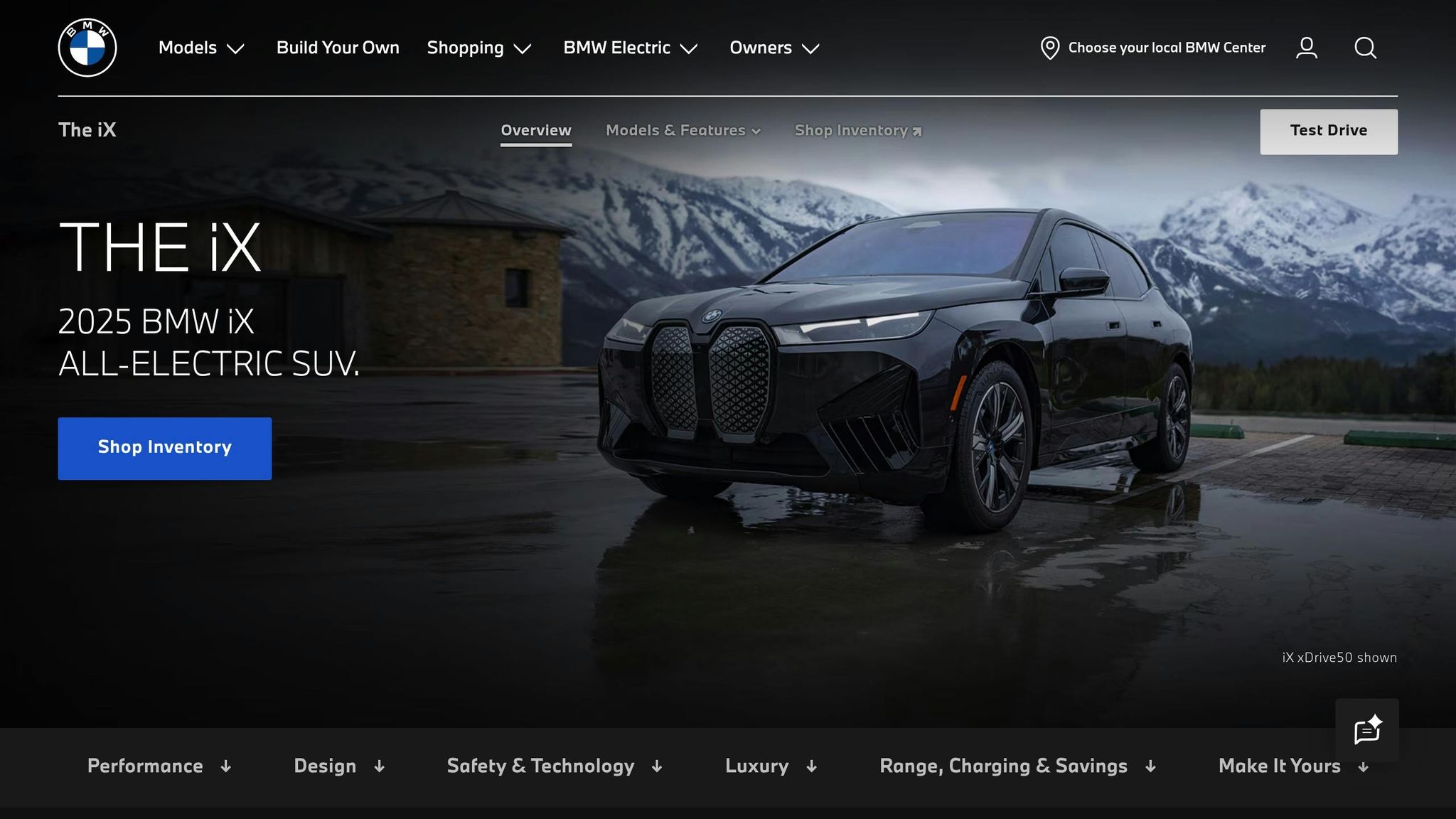
The BMW iX stands as BMW’s luxury flagship electric SUV, blending advanced technology, premium comfort, and impressive range. For 2026, it comes in three trims: the entry-level xDrive45, the long-range xDrive60, and the high-performance M70 xDrive. Each model is designed to deliver a smooth and refined driving experience, capable of handling a mix of urban roads and highways. Starting at $76,325 for the xDrive45, the iX offers a high-end experience. Car and Driver gave it a stellar 9.5/10 rating, highlighting its "tranquil cruising", "deluxe cabin", and "competitive driving range", though its exterior design has sparked mixed opinions.
Range (miles/kilometers)
The iX offers impressive range options across its trims. The xDrive60 provides an EPA-estimated 364 miles (585 km), while the xDrive45 delivers 312 miles (502 km), and the M70 achieves 303 miles (487 km). Real-world tests revealed that the xDrive45 outperformed its EPA rating by 8.3%, reaching 338 miles (544 km) in moderate conditions around 60°F (15.5°C). With a 200-kW DC fast charger, the battery can go from 10% to 80% in just 35 minutes. For areas with limited charging options, the "Max Range" function can stretch the remaining range by up to 25% by limiting speed to 56 mph (90 km/h) and reducing power to non-essential features like air conditioning. Pre-conditioning the cabin and battery using the My BMW app while plugged in also helps maintain range in extreme temperatures.
Price (in USD)
The 2026 BMW iX starts at $76,325 for the xDrive45. The mid-tier xDrive60 ranges from $92,000 to $97,000, while the high-performance M70 tops out at $112,675. The iX comes with standout features like a high-resolution Panoramic iDrive display and Shy Tech controls, though options such as the Highway Assistant (hands-free driving) are additional. Buyers also get a 4-year/50,000-mile limited warranty and an 8-year/100,000-mile warranty for the high-voltage battery. For those who need extra utility, all models can tow up to 3,500 pounds (1,587 kg) when equipped with the optional tow hitch.
Reliability (durability and battery performance)
One of the iX’s standout features for challenging road conditions is its two-axle air suspension. Horatiu Boeriu, Founder of BMWBLOG, remarked:
The two-axle air suspension softens road imperfections even better than the X7, making the iX feel less like an SUV and more like the electric equivalent of the 7 Series
. The iX also incorporates BMW’s Proactive Care system, which uses sensors to detect potential maintenance needs early, enabling remote diagnostics and scheduling through the My BMW app. With fewer moving parts and fluids, the iX requires less maintenance overall. Additionally, its intelligent kidney grille features a self-healing coating that resists minor scratches while protecting sensitive sensors. These features make the iX well-suited for a variety of driving conditions.
Suitability for African Conditions (road quality, climate, charging)
The BMW iX shines on highways and in urban environments but is less equipped for rugged off-road adventures. Its design and technology are tailored to handle a mix of smooth highways and less-than-perfect roads, ensuring a comfortable ride. Active steering enhances maneuverability in cities. For those prioritizing range, the base 21-inch wheels are the best choice, as larger 22-inch or 23-inch wheels increase rolling resistance. In hot climates, pre-conditioning the cabin while the car is plugged in helps conserve battery power for driving. Maintaining speeds between 75 mph and 93 mph (120–150 km/h) also improves efficiency, as higher speeds can drain the battery faster.
9. Toyota bZ4X
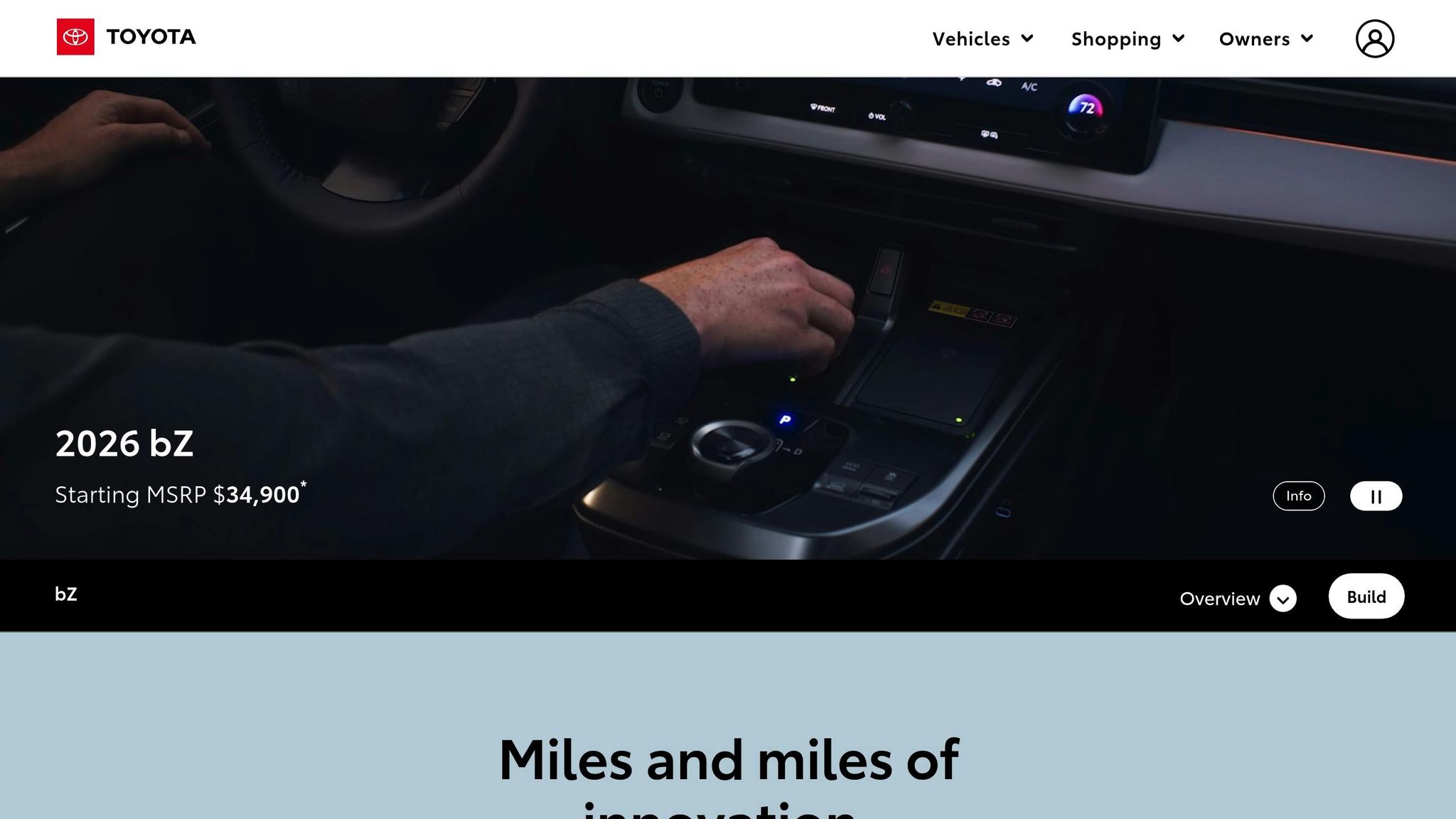
Toyota has reintroduced the bZ4X under the "bZ" name, featuring improved range and performance. Built on the EV-specific e-TNGA platform, the bZ combines comfort, capability, and Toyota’s well-known reliability. Starting at $34,900 for the XLE trim, it’s one of the more budget-friendly options in its class. According to Consumer Reports, it’s a practical and agile SUV, though its interior is somewhat minimalist. The bZ also includes Toyota Safety Sense 3.0, which offers advanced driver-assist features like Pre-Collision systems and Lane Departure Alert.
Range (miles/kilometers)
The 2026 bZ delivers an EPA-estimated range of up to 314 miles (505 km) for front-wheel-drive models and 288 miles (463 km) for all-wheel-drive variants. Under WLTP testing, the front-wheel-drive version achieves 591 km, while the all-wheel-drive model reaches 517 km. For charging, DC fast charging can replenish the battery from 10% to 80% in about 30 minutes under optimal conditions. Additionally, the upgraded 11-kW onboard AC charger reduces Level 2 home charging time to around seven hours for a full charge.
Price (in USD)
The 2026 Toyota bZ starts at $34,900 for the XLE trim and $43,300 for the Limited trim. Toyota offers 0% APR financing for 72 months on new 2026 models, with lease options starting at $379 per month for 36 months with $2,059 due at signing. All trims come with an 8-year or 100,000-mile warranty covering electric vehicle components. The all-wheel-drive version delivers a combined 338 hp and accelerates from 0–60 mph in just 4.9 seconds.
Reliability (durability and battery performance)
Toyota’s reputation for durability extends to the bZ, which benefits from fewer moving parts compared to traditional combustion engines. The e-TNGA platform places the battery low in the chassis, improving stability on uneven terrain. The bZ also features a Vehicle-to-Load (V2L) function, providing 220V at 1,500W to power external devices – ideal for areas with unreliable electricity. Toyota’s established service network, supported by decades of experience with models like the RAV4 and Land Cruiser, ensures parts availability and dependable maintenance. These design elements make the bZ especially suited for demanding conditions.
Suitability for African Conditions (road quality, climate, charging)
With a 212 mm (8.3 in) ground clearance, the bZ’s all-wheel-drive system and X-MODE optimize power delivery and braking for tough terrains like mud, sand, or heavy rain. This makes it a strong contender for use on unpaved or poorly maintained roads. The V2L feature offers a practical solution for powering tools or appliances in remote areas with limited grid access. The 2026 model now includes compatibility with the North American Charging System (NACS), although adapters may be required in regions using CCS2 chargers. Regenerative braking with paddle shifters adds flexibility, allowing drivers to maximize energy recovery and extend range on diverse terrains.
10. Geely Geometry C

Geely’s Geometry C is a wallet-friendly electric SUV that doesn’t skimp on performance or features. With prices starting at around $35,938 for the base GS model and $42,745 for the premium GF trim, it offers a more affordable alternative to many competitors in its class – all while delivering solid power and efficiency. The vehicle boasts 201 hp (150 kW) and 310 Nm of torque, making it a capable choice for both city commutes and highway drives. Zigwheels gives it a perfect 5/5 rating, with drivers appreciating its quiet cabin and smooth transmission.
Range (miles/kilometers)
The Geometry C is equipped with a 70 kWh high-density battery pack, delivering a WLTP-certified range of 460 km (286 miles). Its IBOOSTER energy recovery system enhances efficiency by reclaiming up to 30% of the range during regular driving through regenerative braking. Charging is quick and convenient, thanks to its platinum super-fast charging capability, which takes the battery from empty to 80% in just 42 minutes.
Price (in USD)
With a price range of $35,938 to $42,745, the Geometry C stands out as a competitively priced option in the electric SUV market. It undercuts rivals like the Kia EV5 ($45,794–$46,830) and Mini Aceman ($43,426) while offering comparable performance. Its "three-in-one" electric drive system simplifies the drivetrain, potentially reducing maintenance costs over time. This affordability, combined with its efficient design, makes it an attractive choice for budget-conscious buyers.
Reliability (durability and battery performance)
Geely has designed the Geometry C with reliability in mind. Its streamlined electric drive system integrates multiple components, reducing mechanical complexity and minimizing potential breakdowns. The 70 kWh battery is built with high-density cells to ensure long-lasting performance. Additionally, the IBOOSTER system not only extends the vehicle’s range but also reduces wear on the brakes, contributing to overall durability.
Suitability for African Conditions (road quality, climate, charging)
The Geometry C is well-suited to handle challenging road conditions and diverse climates. Its 540° AR Chassis View provides a clear map of the terrain beneath the car, making it easier to navigate unpaved roads and potholes. The AQS air filtration system ensures clean air inside the cabin, even in dusty or polluted environments. Safety features like Adaptive Cruise Control, Lane Keeping Assist, and Blind Spot Detection further enhance its usability on highways. Plus, its 42-minute fast-charging capability is a practical advantage in areas where charging infrastructure is still developing.
Comparison Table
Here’s a quick look at the top 10 electric SUVs suited for African roads, highlighting key details like range, pricing, and battery capacity.
| Model | Range | Price (USD) | Battery Size | Drivetrain | Warranty | Key Features |
|---|---|---|---|---|---|---|
| Tesla Model Y | 330 miles (531 km) | $47,990–$54,990 | 75 kWh | RWD/AWD | 8 years/120,000 miles battery | Autopilot, over-the-air updates, access to Supercharger network |
| BYD Atto | 261 miles (420 km) | $36,000–$41,000 | 60.5 kWh | FWD | 8 years/150,000 km battery | Blade Battery tech, rotating touchscreen, advanced safety features |
| BYD Tang | 311 miles (500 km) | $52,000–$58,000 | 86.4 kWh | AWD | 8 years/150,000 km battery | Seven-seater, dual motor setup, premium interior |
| Volvo EX30 | 295 miles (475 km) | $34,950–$46,000 | 69 kWh | RWD/AWD | 8 years/100,000 miles battery | Compact design, Google integration, use of recycled materials |
| Hyundai Ioniq 5 | 303 miles (488 km) | $43,975–$56,500 | 77.4 kWh | RWD/AWD | 10 years/100,000 miles battery | 800V charging, vehicle-to-load capability, ultra-fast charging |
| Kia EV6 | 310 miles (499 km) | $42,600–$61,600 | 77.4 kWh | RWD/AWD | 10 years/100,000 miles battery | 238 kW peak charging, GT performance variant, spacious interior |
| Audi Q4 e-tron | 265 miles (426 km) | $49,800–$56,000 | 82 kWh | RWD/AWD | 8 years/100,000 miles battery | Premium cabin, augmented reality HUD, Matrix LED headlights |
| BMW iX | 324 miles (521 km) | $87,250–$111,500 | 111.5 kWh | AWD | 8 years/100,000 miles battery | Luxury flagship, curved display, advanced driver assistance |
| Toyota bZ | 252 miles (406 km) | $42,000–$48,780 | 71.4 kWh | FWD/AWD | 10 years/150,000 miles battery | Affordable entry price, improved AWD performance, dependable Toyota quality |
| Geely Geometry C | 286 miles (460 km) | $35,938–$42,745 | 70 kWh | FWD | 8 years/150,000 miles battery | 540° AR Chassis View, 42-minute fast charging, IBOOSTER energy recovery system |
This breakdown sheds light on trends shaping the 2026 market. Many SUVs now surpass the 300-mile range mark per charge, though actual driving conditions can reduce this by as much as 18%. Charging technology has also made strides, with models like the Kia EV6 supporting peak charging rates of up to 238 kW – perfect for quick stops during long trips.
Tesla’s Model Y stands out for reliability, with 75% of issues resolved within a single day. Meanwhile, the Hyundai Ioniq 5 and Kia EV6 offer standout warranty coverage at 10 years or 100,000 miles on their batteries, ensuring peace of mind for buyers looking for long-term value. These details help highlight which vehicles strike the best balance of range, durability, and affordability for Africa’s diverse and demanding road conditions.
Conclusion
When selecting an electric SUV for Africa, it’s crucial to weigh factors like range, price, and reliability. The Hyundai Ioniq 5 shines with its top-tier 10/10 expert rating, offering a 318-mile range and starting at $36,600. Similarly, the Toyota bZ4X, priced from $36,350, delivers reliable performance and practicality.
Given the developing charging infrastructure across much of Africa, opting for vehicles with ranges exceeding 300 miles offers much-needed flexibility. However, keep in mind that extreme heat and high speeds can reduce the vehicle’s range, so it’s wise to choose a model with a buffer that comfortably exceeds your daily driving requirements.
Brands like Toyota and Hyundai have a strong presence in key African markets like South Africa, with established dealerships and readily available parts. This ensures easier maintenance and quicker repairs, which is vital for minimizing downtime on Africa’s diverse and often challenging roads.
For those prioritizing durability and ground clearance, the comparison table highlights models well-suited to Africa’s varied terrain. The Kia EV6 and Tesla Model Y both provide over 320 miles of range, while the Volvo EX30 offers an accessible entry point into the luxury segment at $40,345. These options combine performance, resilience, and practicality for navigating the unique demands of the continent.
FAQs
What should I look for when choosing an electric SUV for African roads?
When picking an electric SUV for Africa’s varied road conditions, it’s important to weigh factors like budget, range, and charging options. Prices usually fall between $25,000 and $65,000, so aim for a model that aligns with your financial plan and provides a practical range – something in the ballpark of 250 to 380 miles. Also, prioritize fast-charging capabilities, such as the ability to go from 30% to 80% charge in 15–30 minutes, since public charging stations might not always be readily available.
Durability is a must. Choose an SUV with high ground clearance (a minimum of 5–6 inches), reinforced suspension systems, and off-road driving modes to navigate unpaved or rough terrain. Additionally, look for heat-resistant battery packs and advanced thermal management systems to handle the extreme temperatures found in many regions of Africa.
Finally, think about long-term practicality. Make sure the SUV offers local service support, solid warranty coverage, and the ability to easily install a home charger. A vehicle that combines a dependable range, rugged construction, and accessible after-sales service will deliver the best performance and value for Africa’s unique driving conditions.
How does Africa’s charging infrastructure impact the practicality of electric SUVs?
The practicality of electric SUVs across Africa largely hinges on the availability of charging infrastructure, which can differ greatly depending on the country. Take South Africa, for instance – it’s ahead of the curve with over 500 public charging stations and an expanding highway network. On the other hand, countries like Rwanda and Egypt still have fewer options. In many areas, the scarcity of charging stations leads to range anxiety during longer trips, making home or workplace charging a necessity. However, even these solutions can be unreliable in regions where electricity supply is inconsistent.
This uneven access to charging infrastructure plays a big role in shaping vehicle preferences. In areas with more developed networks, SUVs with longer ranges or support for fast DC charging are often more practical. Meanwhile, in regions with fewer charging stations, buyers might lean toward models that perform well with slower chargers or even those offering battery-swapping options. Until the charging networks improve, factors like range, charging speed, and reliable access to home charging will remain top priorities for potential buyers.
What is the best electric SUV for range, price, and reliability in Africa?
The Toyota bZ4X emerges as a strong contender for African driving conditions, blending range, cost-effectiveness, and rugged durability. With an estimated range of about 252 miles (405 km) per charge, a starting price near $37,070, and the dependable X-MODE traction system, it’s well-equipped to tackle the unpaved and uneven roads often encountered across the continent.
This combination makes the Toyota bZ4X a sensible and reliable choice for anyone seeking an electric SUV that can handle the unique challenges of African roads and infrastructure.