
 Thabo Nkosi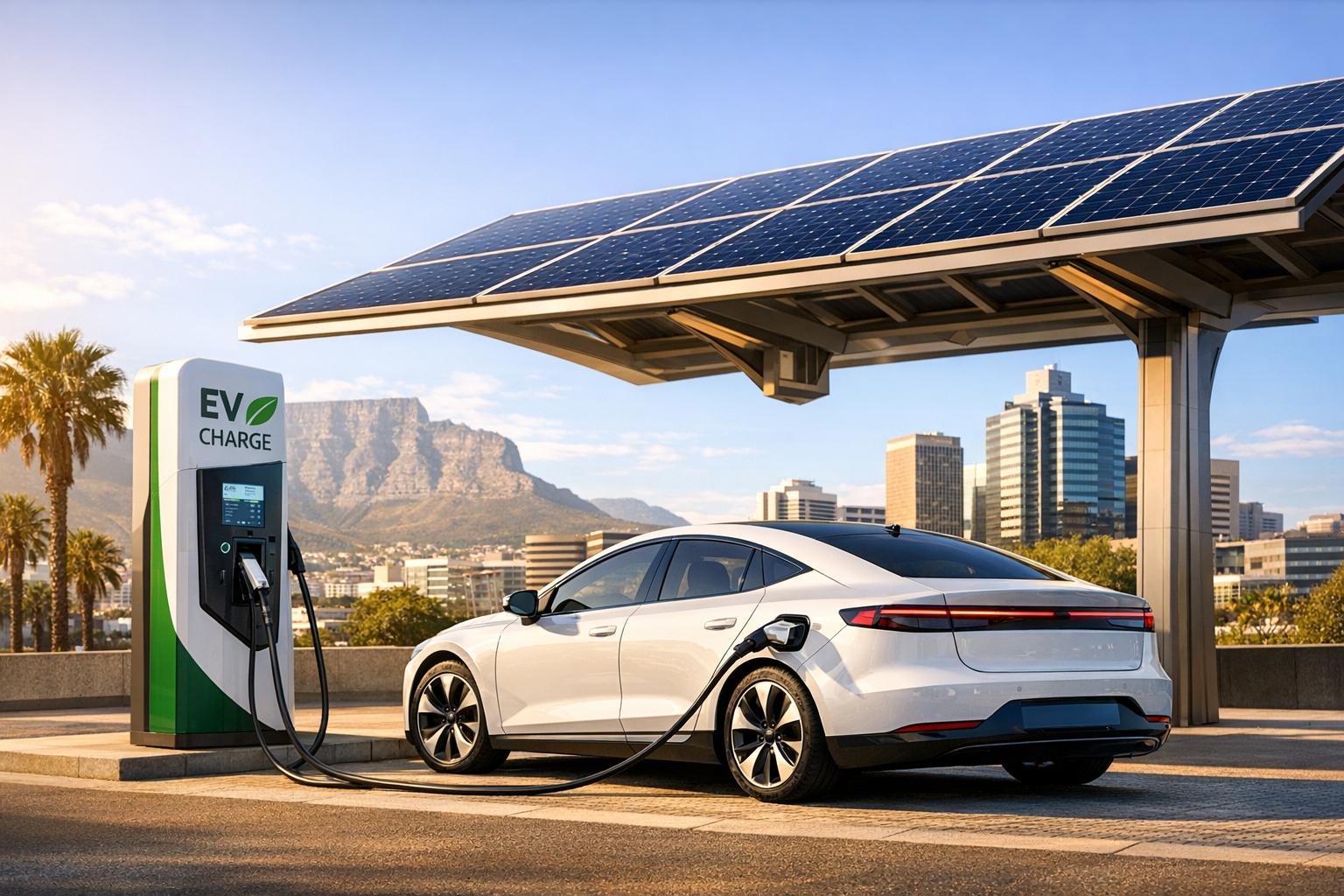
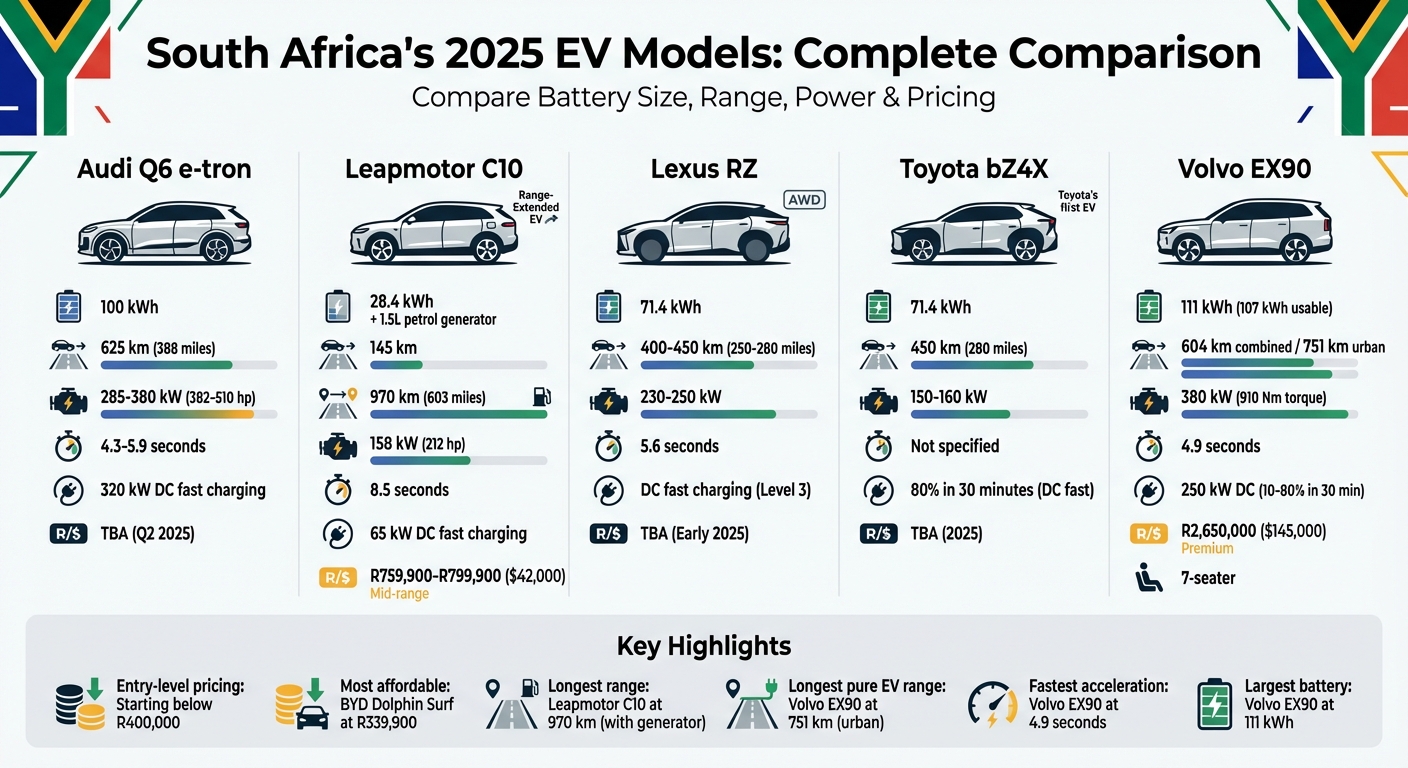
South Africa’s electric vehicle (EV) market is growing fast in 2025, with more affordable models and better technology. Prices for entry-level EVs now start below R400,000 ($22,000), making them accessible to more drivers. Leading this affordability wave are Chinese brands like BYD Dolphin Surf at R339,900 ($18,700). Meanwhile, premium brands like Audi and Volvo are offering high-performance SUVs with ranges of up to 625 km (388 miles).
Key highlights:
- Audi Q6 e-tron: Luxury SUV with a 100 kWh battery, 625 km range, and ultra-fast charging.
- Leapmotor C10: Range-extended EV with a total range of 970 km, starting at R759,900.
- Lexus RZ: Stylish electric SUV with 400–450 km range and all-wheel drive.
- Toyota bZ4X: Toyota‘s first EV in South Africa, offering 450 km range.
- Volvo EX90: Premium seven-seater SUV with a 111 kWh battery and up to 751 km urban range, priced at R2.65 million.
Charging infrastructure is improving, with faster chargers and partnerships like Volvo’s with GridCars. However, challenges like import taxes and limited charging stations remain. For cost savings, some buyers are pairing EVs with home solar systems.
If you’re considering an EV, options now cater to both budget-conscious and luxury buyers, offering better range, faster charging, and lower maintenance costs compared to gas-powered cars.
South Africa 2025 Electric Vehicle Models Comparison: Specs, Range and Pricing
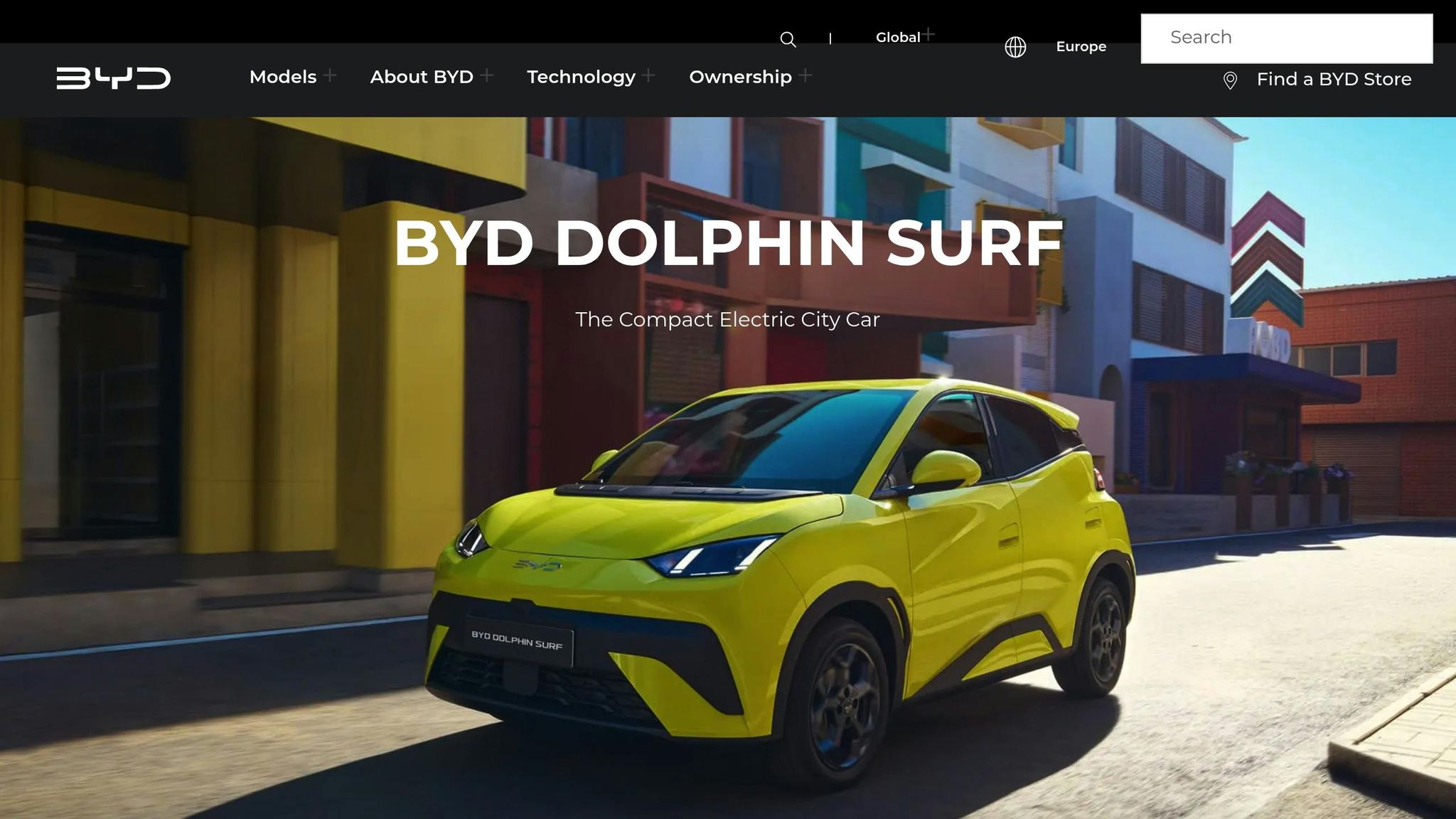
2025 BYD Dolphin Surf | New Electric Hatchback for South Africa
1. Audi Q6 e-tron
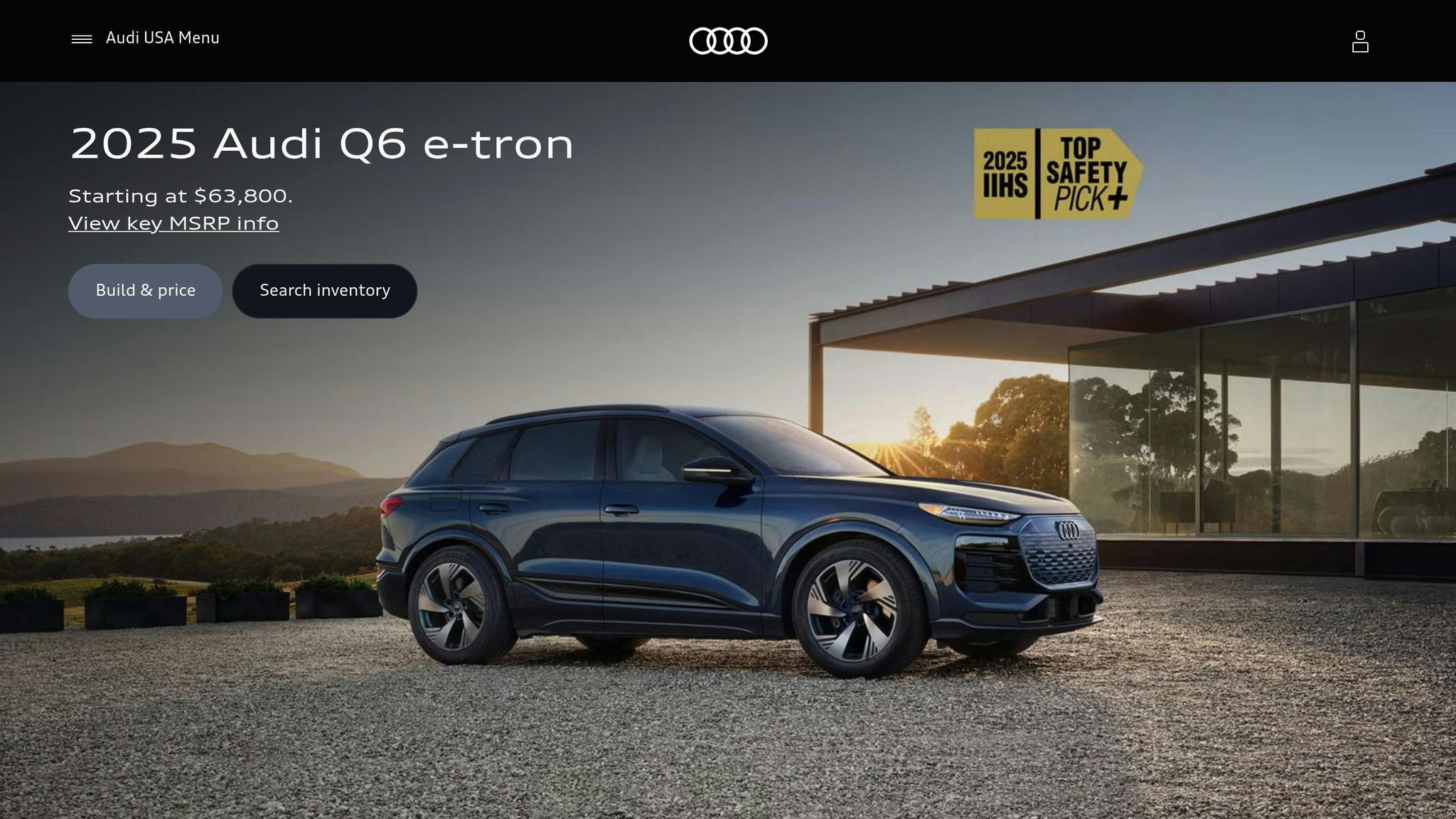
The Audi Q6 e-tron is set to debut in South Africa in the second quarter of 2025, bringing a blend of premium German engineering and cutting-edge electric vehicle technology. Built on Audi’s Premium Platform Electric (PPE) architecture, this luxury SUV features a 100 kWh lithium-ion battery and comes standard with quattro all-wheel drive across all variants. Here’s a closer look at its pricing, range, performance, and charging capabilities.
Pricing
Pricing details will be announced at its official launch in Q2 2025. Positioned as a luxury electric SUV, the Q6 e-tron is expected to compete with other high-end models in the premium segment.
Driving Range
With a range of 625 km (388 miles) on a single charge, the Q6 e-tron offers the longest distance capability among the 2025 models discussed in this article. This makes it a practical choice for South African drivers planning long trips between cities like Johannesburg, Cape Town, and Durban.
Power Output
The base model delivers 285 kW (382 hp) and accelerates from 0–100 kph in 5.9 seconds, while the SQ6 e-tron ups the ante with 380 kW (510 hp) and a 0–100 kph time of just 4.3 seconds. These specs ensure the Q6 e-tron appeals to those seeking a seamless mix of power and efficiency.
Charging Infrastructure Compatibility
Audi’s robust charging network in South Africa includes nearly 300 public stations, featuring a 200 kW ultra-fast charger at the Mall of Africa in Gauteng. The Q6 e-tron also supports 320 kW DC fast charging, providing quicker charging options for drivers.
2. Leapmotor C10
The Leapmotor C10 brings a fresh approach to the world of electric vehicles by introducing a range-extended solution. Launched in South Africa in late 2025, this vehicle is a range-extended electric vehicle (REEV) that combines a 1.5-liter petrol generator with an electric motor, effectively addressing range anxiety. Unlike traditional battery-electric vehicles, the petrol engine in the C10 acts solely as a generator to power the electric motor, ensuring a purely electric driving experience without the engine directly driving the wheels.
Pricing
The Leapmotor C10 is available in two trims: the C10 REEV Style priced at R759,900 and the C10 REEV Design at R799,900. Both versions come with a five-year/100,000 km vehicle warranty and an eight-year/150,000 km battery warranty. At its starting price, the base model is positioned close to the BYD Atto 3 Standard Range (from R768,000) but is priced higher than the GWM Ora 03 (from R686,950).
Driving Range
Equipped with a 28.4 kWh lithium-iron phosphate (LFP) battery, the C10 offers a 145 km pure electric range. When combined with the petrol generator, the total range extends to an impressive 970 km, making it ideal for long trips across South Africa. When the petrol generator is in use, the vehicle achieves a fuel consumption rate of 5.5 L/100 km.
Power Output
The C10’s rear-mounted motor generates 158 kW (212 hp) and 320 N.m of torque, enabling it to accelerate from 0–100 km/h in just 8.5 seconds, with a top speed of 170 km/h. This level of performance outshines the BYD Atto 3 (150 kW) and the GWM Ora 03 (126 kW), making it a strong contender for highway driving.
Charging Infrastructure Compatibility
The C10 is designed to work seamlessly with both DC fast-charging and AC charging options. Using AC charging, the battery can go from 5% to 100% in about six hours, making it suitable for overnight charging. For quicker top-ups, the DC fast-charging capability (65 kW) can charge the battery from 30% to 80% in just 18 minutes. This range-extender setup is particularly advantageous in regions where charging infrastructure is still developing.
3. Lexus RZ
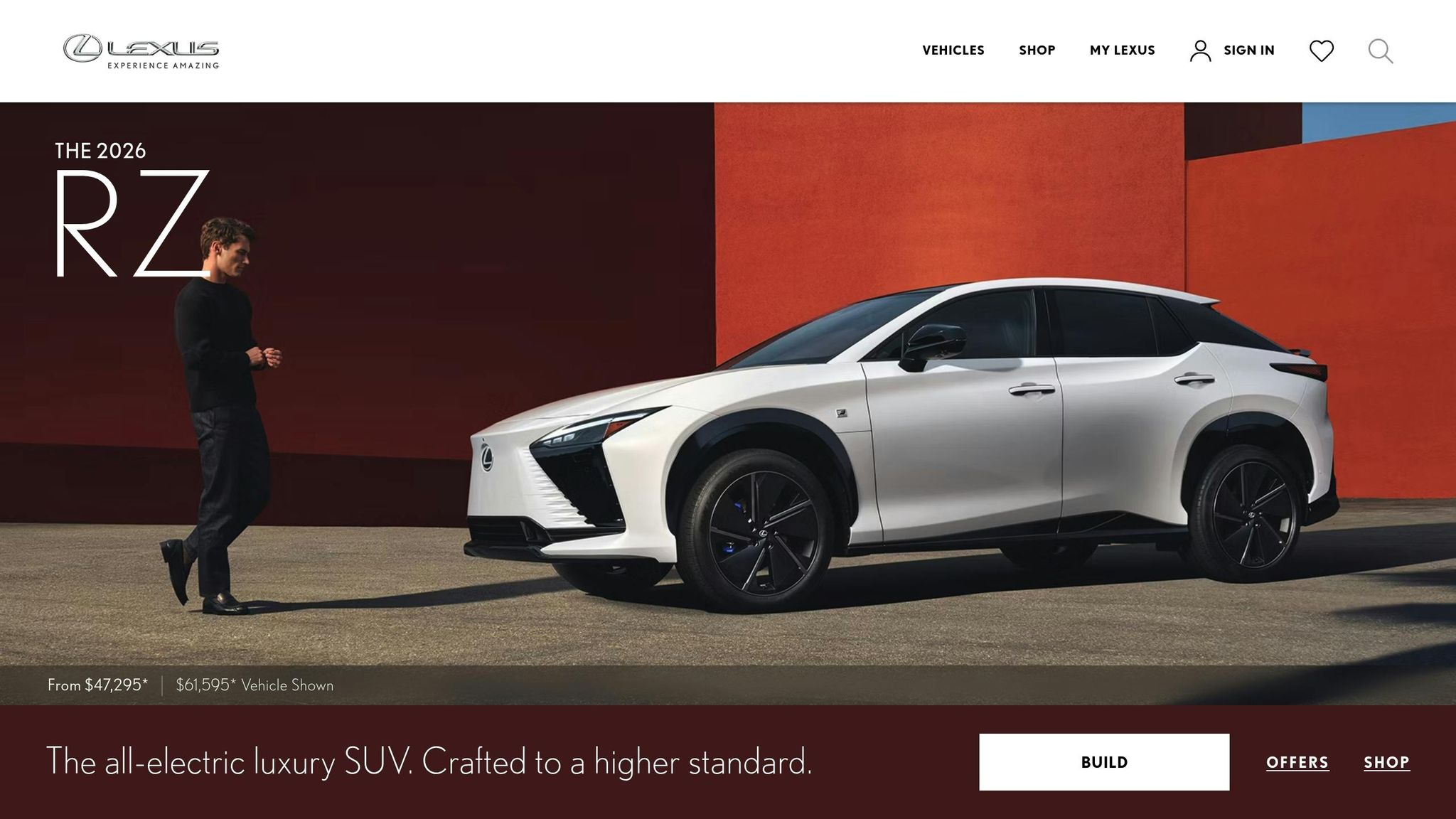
The Lexus RZ is stepping into the spotlight as a luxurious addition to the electric SUV market. This model marks Lexus‘s first fully electric vehicle designed from the ground up, built on the specialized e-TNGA platform. Expected to debut in South Africa in early 2025, it boasts a dual-motor system – a 150 kW motor at the front and an 80 kW motor at the rear – paired with Lexus‘s DIRECT4 all-wheel-drive system, which uses sensors to fine-tune power distribution.
Pricing
While official pricing details are yet to be announced, the Lexus RZ is expected to sit comfortably in the luxury segment. For comparison, competitors like the Audi e-tron and BMW iX3 are priced at R1.99 million and R1.29 million, respectively.
Driving Range
Equipped with a 71.4 kWh battery, the Lexus RZ offers an estimated range of 400–450 km (250–280 miles). While this range is competitive with models like the Toyota bZ4X, it falls short of rivals such as the Audi Q6 e-tron (approximately 625 km) and the Volvo EX90 (570–614 km). For those planning longer trips, features like "M Mode" and battery pre-conditioning can help maximize efficiency while charging.
Power Output
With a combined output of 230–250 kW and 435 Nm of torque, the RZ accelerates from 0 to 100 km/h (62 mph) in just 5.6 seconds. Its top speed is electronically capped at 160 km/h (around 100 mph). While these specs ensure a smooth highway ride, they are slightly less powerful than competitors like the Audi Q6 e-tron (285–380 kW) and the Volvo EX90 (300–380 kW).
Charging Infrastructure Compatibility
The Lexus RZ is built to integrate seamlessly with South Africa’s public charging network. It supports multiple charging options:
- Level 1 Home Charging: Uses a standard electrical outlet with no extra setup required.
- Level 2 Charging: Requires professional installation at home for quicker charging speeds.
- Level 3 DC Fast Charging: Adds about 4.8 km (roughly 3 miles) of range per minute under optimal conditions.
Lexus advises limiting DC fast charging to three sessions per day (charging between 10% and 80%) to maintain battery health, as excessive fast charging could slow future charging speeds. It’s also worth noting that charging times may increase significantly in colder temperatures.
sbb-itb-99e19e3
4. Toyota bZ4X
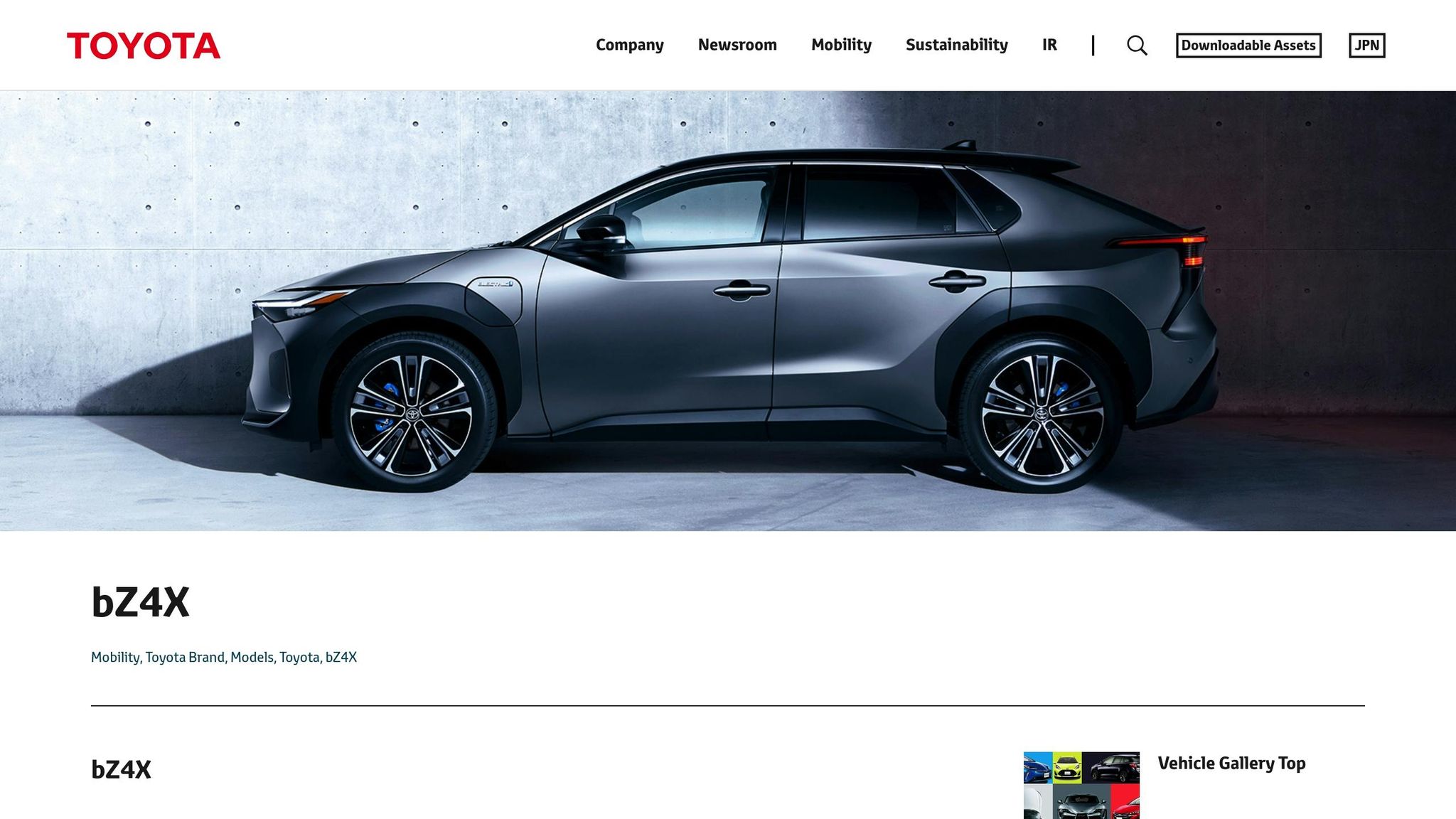
Toyota is gearing up to make a splash in South Africa’s electric vehicle market with the launch of the bZ4X, slated for 2025. This marks Toyota’s first fully electric offering in the region, utilizing their e-TNGA platform designed specifically for battery electric vehicles (BEVs). With Toyota already excelling in the New Energy Vehicle market through models like the Corolla Cross Hybrid, the bZ4X is set to strengthen its foothold as EV adoption grows in South Africa.
Pricing
As of now, Toyota South Africa has not disclosed the official price for the bZ4X. However, given its advanced features and Toyota’s premium reputation, it’s expected to slot into the mid-range luxury category, likely above entry-level EV options.
Driving Range
Equipped with a 71.4 kWh battery, the bZ4X delivers an impressive range of 450 km (about 280 miles). This puts it ahead of more budget-friendly competitors like the BYD Atto 3, which offers 345 km (214 miles), and the GWM Ora 03, with 310 km (193 miles). Its range is on par with the Lexus RZ, Toyota’s luxury EV counterpart.
Power Output
The bZ4X comes in two configurations. The single-motor front-wheel-drive variant generates 150 kW and 265 Nm of torque, while the dual-motor all-wheel-drive version boosts output to 160 kW and 336 Nm. While not as powerful as the Lexus RZ’s 250 kW, these figures are more than sufficient for everyday city driving and highway trips.
Charging Infrastructure Compatibility
The bZ4X supports DC fast charging, allowing an 80% recharge in just 30 minutes. This feature aligns well with South Africa’s expanding fast-charging network. Additionally, Toyota has partnered with several charging providers to ensure bZ4X owners have access to a comprehensive nationwide charging infrastructure.
5. Volvo EX90
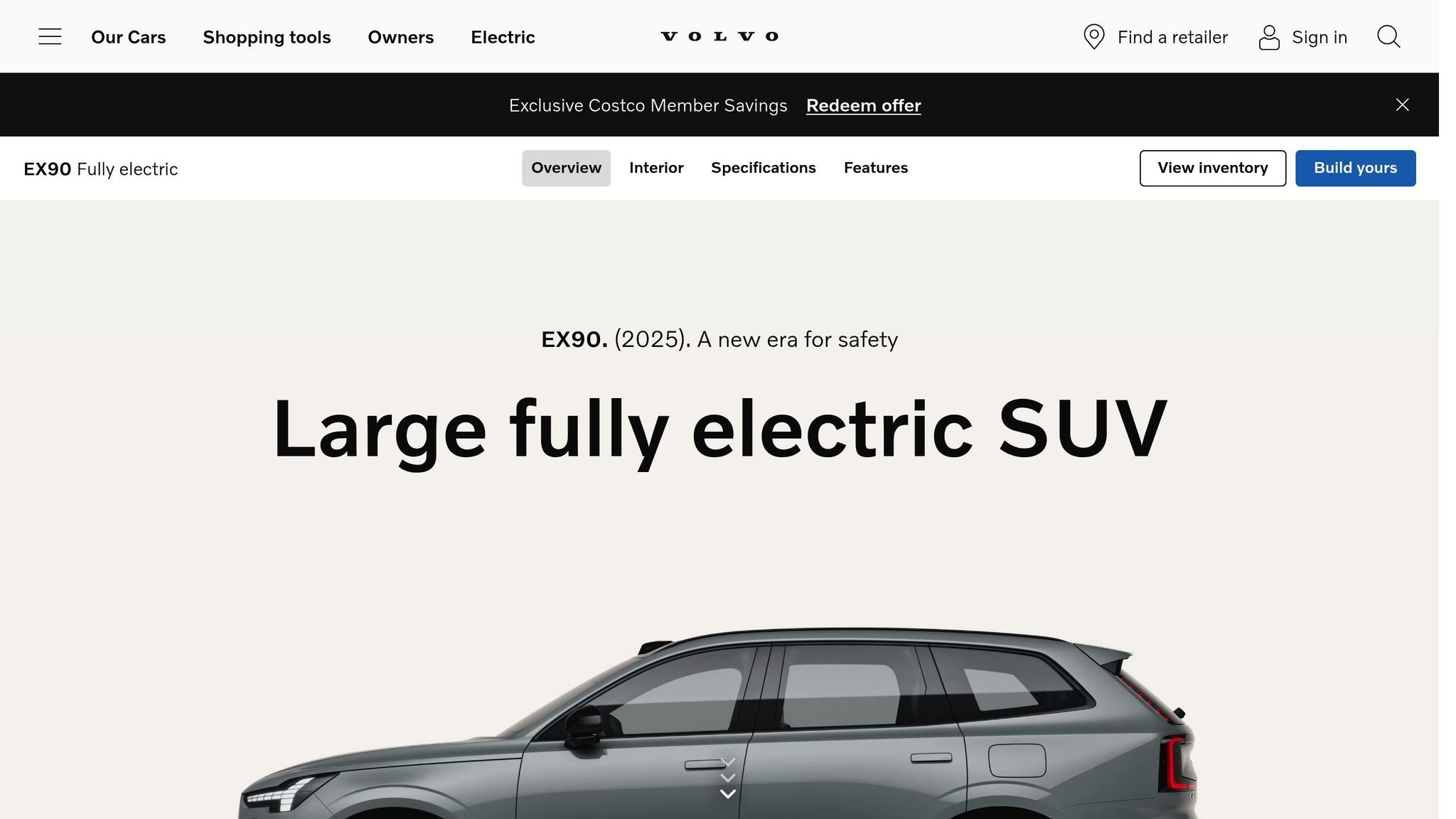
Volvo steps into the premium EV spotlight with the EX90, redefining luxury and performance in South Africa’s electric vehicle market. Built on the SPA2 platform, this seven-seater SUV stands at the top of Volvo’s electric lineup, surpassing the EX30, XC40 Recharge, and C40 Recharge. Volvo CEO Jim Rowan has called the EX90 their finest creation yet. It’s a bold move that blends sophistication with cutting-edge technology, perfectly tailored for the evolving landscape of electric mobility in South Africa. Here’s a closer look at its pricing, range, performance, and charging capabilities.
Pricing
The Volvo EX90 comes with a price tag of R2,650,000 (around $145,000) in South Africa, available exclusively in the Ultra Twin Performance variant. This price includes a well-rounded package:
- A three-year/60,000 km (approximately 37,282 miles) maintenance plan
- A five-year/100,000 km (roughly 62,137 miles) warranty
- An eight-year battery warranty
Additionally, buyers benefit from two years of free public charging, a GridCars wallbox, and professional installation, making it a comprehensive offering.
Driving Range
The EX90 is powered by a 111 kWh battery pack (107 kWh usable), providing an impressive range of:
- 604 km (375 miles) on a combined cycle
- 751 km (467 miles) in urban settings
Power and Performance
With 380 kW of power and 910 Nm of torque, the EX90’s dual-motor all-wheel-drive system delivers serious performance. Despite its hefty 2.8-tonne weight, this SUV accelerates from 0–100 km/h (0–62 mph) in just 4.9 seconds – offering what Volvo describes as "sportscar-like" speed. Alongside its performance, it features advanced safety technology that Volvo claims can reduce serious injuries by 20%.
Charging and Connectivity
The EX90 supports DC fast charging up to 250 kW, allowing the battery to go from 10% to 80% in only 30 minutes. Volvo has also partnered with GridCars to enhance South Africa’s charging network, ensuring both accessibility and convenience. For home charging, the included wallbox and installation make life easier. Plus, the EX90 offers 10GB of monthly data for its Google-powered infotainment system, keeping drivers connected on the go.
Pros and Cons
When deciding on the right electric vehicle, it’s all about balancing the strengths of each model with its potential drawbacks. Let’s dive into what makes these EVs stand out and where they might fall short.
The Audi Q6 e-tron is a powerhouse, boasting a 100 kWh battery and an impressive 388-mile range. It’s a high-performance option that’s sure to catch the eye of those prioritizing long-range capabilities and robust power output.
For those needing more space and versatility, the Volvo EX90 is a standout. With the largest battery capacity at 111 kWh, it offers a range of 354–381 miles and seats up to seven. Its dual-motor setup, delivering 300–380 kW, ensures it doesn’t compromise on performance. Meanwhile, the Leapmotor C10, backed by Stellantis’ well-established network, provides a more accessible option with a 69.9 kWh battery and a range of 261 miles, making it ideal for daily commutes.
In the mid-range category, the Lexus RZ and Toyota bZ4X both offer ranges around 280 miles. The Lexus RZ delivers 250 kW of power, while the Toyota bZ4X comes in slightly lower at 150–160 kW. The bZ4X also represents Toyota’s shift from hybrid technology to fully electric models, utilizing the dedicated e-TNGA platform.
Challenges and Considerations
While these EVs excel in performance and efficiency, there are factors buyers need to consider. Import taxes on EVs remain higher than those on traditional cars, a policy that has sparked criticism from industry experts. However, the financial benefits of EV ownership can offset some of these costs. For example, some owners report monthly fuel savings of about R6,500 (roughly $360). Maintenance is another win for EVs – service intervals can stretch to once every four years, compared to more frequent servicing required for gasoline-powered vehicles.
Charging infrastructure and planning are also key. A 60 kW DC charger can recharge a 95 kWh battery in about 1.5 hours, which is a consideration for those planning long trips or daily use.
Key Specifications at a Glance
| Model | Battery Size | Range (WLTP) | Power Output | Launch Window |
|---|---|---|---|---|
| Audi Q6 e-tron | 100 kWh | 388 miles | 285–380 kW | Q2 2025 |
| Leapmotor C10 | 69.9 kWh | 261 miles | 160 kW | Sept 2025 |
| Lexus RZ | Not specified | 280 miles | 250 kW | Early 2025 |
| Toyota bZ4X | 71.4 kWh | 280 miles | 150–160 kW | 2025 (TBC) |
| Volvo EX90 | 111 kWh | 354–381 miles | 300–380 kW | Q2/Q3 2025 |
Enhancing Value Through Solar Integration
Beyond the specs, some buyers are exploring ways to maximize savings and efficiency. One popular solution in South Africa is integrating home solar systems with battery storage. This setup allows for overnight charging using stored solar energy, cutting fuel costs even further and improving the overall return on investment. It’s an innovative approach that aligns well with the growing demand for sustainable and cost-effective energy solutions.
Conclusion
This analysis explored the performance, pricing, and practicality of South Africa’s leading 2025 electric vehicle (EV) models. Choosing the right EV in this market ultimately comes down to matching your personal needs with the strengths of each model.
The Audi Q6 e-tron and Volvo EX90 stand out for their impressive range and performance. With the Audi offering approximately 388 miles and the Volvo achieving up to 381 miles, these models are excellent choices for longer commutes or intercity travel. However, factors like charging infrastructure and service networks are just as critical when evaluating these vehicles.
For those concerned about range anxiety, the Leapmotor C10 offers a compelling solution. With an extended range of 603 miles and backed by Stellantis’ dealer network, it combines practicality with a competitive price point under $42,000 (R760,000). This makes it particularly appealing in areas where charging infrastructure is still expanding.
Mid-range buyers might find the Toyota bZ4X and Lexus RZ to be solid options. Both deliver around 280 miles of range and come with the added benefit of well-established service networks. These models strike a balance between affordability and premium features, catering to a wide variety of drivers.
Whether you’re looking for premium long-range performance or practical mid-range options, South Africa’s 2025 EV market offers something for everyone. From extended range capabilities to reliable service support, these models reflect the diverse needs of today’s EV buyers.
FAQs
What are the most affordable electric cars expected in South Africa by 2025?
As of 2025, South Africa offers several affordable electric car options. The BYD Dolphin Surf starts at roughly R339,900, while the Dayun S5 is available from around R399,900. For those with a slightly higher budget, the BYD Dolphin begins at approximately R539,900.
These vehicles provide an accessible way to step into the electric car market, balancing cost with practical features suited for South African roads. Pricing may differ based on specifications and availability.
What progress is being made in South Africa’s electric vehicle charging infrastructure?
South Africa’s electric vehicle (EV) charging network is steadily expanding, particularly in bustling hubs like Cape Town and Johannesburg. Public charging stations, including Level 2 (slower) and Level 3 (faster) options, are being installed in convenient spots such as shopping malls, office complexes, and highway rest areas. With fast chargers capable of powering an EV up to 80% in just 30 to 50 minutes, recharging becomes a quick and easy task during a short stop.
On the home front, many EV owners are opting for Level 2 home chargers, often combined with solar panel systems. This setup not only allows for convenient overnight charging but also helps tackle challenges like load-shedding while reducing reliance on the national power grid. It’s a practical and forward-thinking solution for ensuring a steady energy supply.
The government is also stepping in to encourage the shift to EVs, offering incentives like tax breaks and reduced import duties. These measures aim to accelerate the rollout of charging infrastructure nationwide, making EV ownership a viable option even in areas beyond the major cities.
What are the advantages of charging an electric car with a home solar system?
Charging your electric vehicle (EV) with a home solar system can be a game-changer for both your wallet and the environment. By tapping into your own solar-generated electricity, you can slash your driving costs – sometimes to as little as $0.05 per mile. That’s a fraction of what you’d spend using public chargers or electricity from the grid, making it a smart move for cutting transportation expenses.
Beyond cost savings, a solar-powered home offers energy independence. You’ll rely less on the national grid, which means you can still charge your EV during power outages or periods of load-shedding. This kind of reliability ensures you’re not left stranded when you need your vehicle the most.
Perhaps the most rewarding aspect? Charging your EV with solar energy significantly reduces greenhouse gas emissions, turning your car into an even greener choice. On top of that, many homeowners could qualify for government incentives or tax credits when installing solar panels, making this setup even more appealing both financially and environmentally.