
 Thabo Nkosi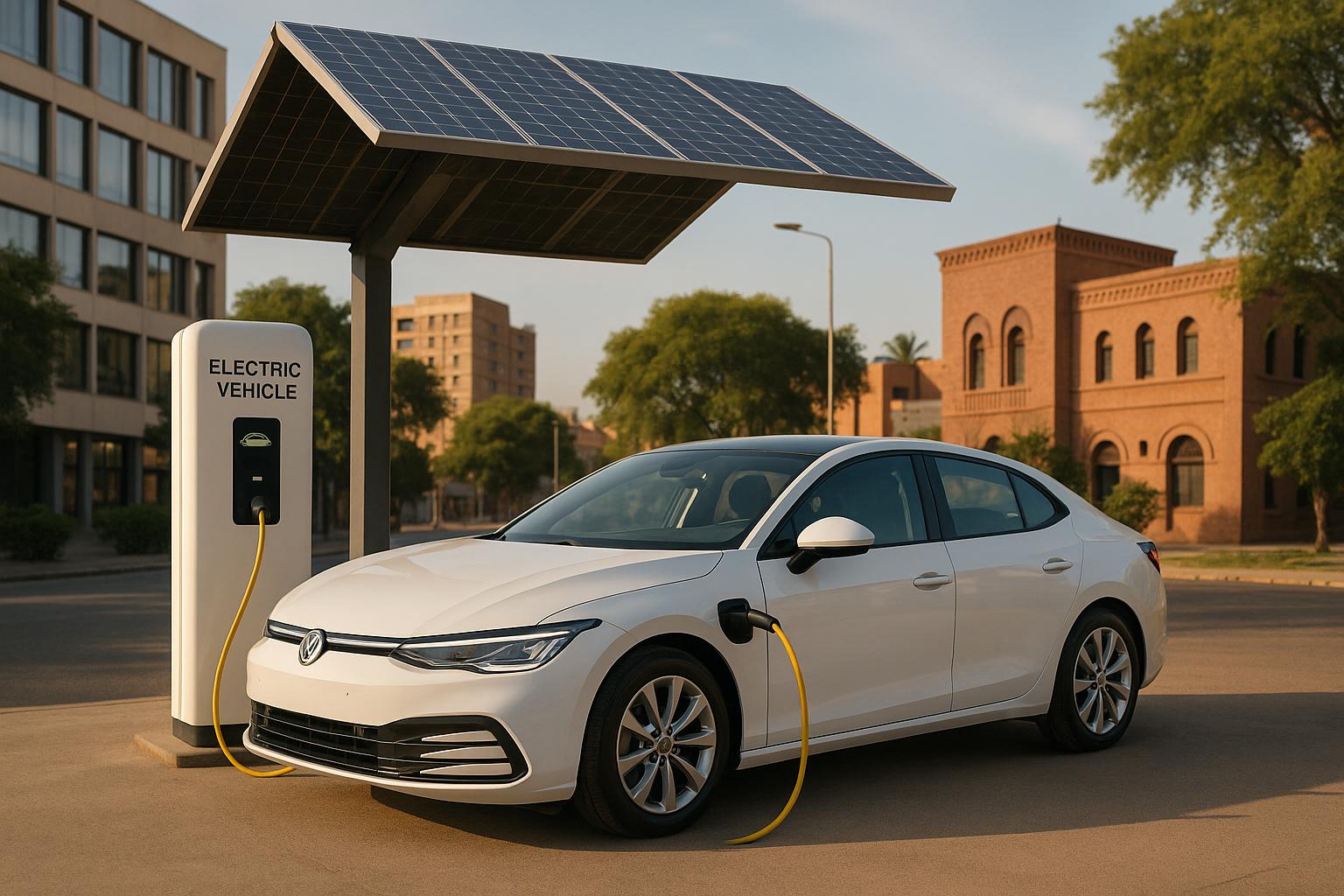
Battery Electric Vehicles (BEVs) are fully electric cars that rely on rechargeable batteries instead of gasoline or diesel. They are powered by electric motors, have fewer moving parts, and produce no emissions, making them cheaper to maintain and better for air quality. In Africa, BEVs are gaining traction due to rising fuel costs, urban growth, and the push for cleaner transportation.
Key Points:
- What is a BEV? A vehicle powered entirely by batteries, with no internal combustion engine.
- Why BEVs Matter in Africa: They reduce fuel imports, improve air quality, and align with renewable energy potential.
- Market Growth: BEVs accounted for 62.5% of electric vehicle sales in Africa by 2024, with projected growth of 10.26% annually through 2033.
- Challenges: High upfront costs, limited charging infrastructure, and unreliable electricity grids.
Quick Overview:
- Top Countries Adopting BEVs: Ethiopia, Morocco, and Nigeria.
- Notable Policies: Ethiopia banned petrol/diesel car imports in 2024; Nigeria aims for zero-emission new car sales by 2040.
- Charging Options: Home charging, solar-powered stations, and DC fast chargers.
- Popular Models: Affordable options like the GEELY PANDA MINI ($5,880) and high-range models like the BYD TANG EV ($34,700).
BEVs are reshaping transportation across Africa, but challenges like cost and infrastructure need to be addressed to accelerate adoption.
Morocco Stuns The World With Africa’s First EV Battery Gigafactory Worth $5 6BN!
BEV Technology and Features
Battery Electric Vehicles (BEVs) operate entirely on electric components, making them a standout choice for energy-efficient transportation. Let’s dive into what powers their performance and charging capabilities.
Main Components of a BEV
At the core of every BEV is the traction battery pack, which stores the electricity needed to drive the vehicle. This pack is made up of multiple cells grouped into modules, all carefully monitored and managed by a Battery Management System (BMS). The BMS keeps tabs on the battery’s health and ensures safe, efficient charging.
The traction motor transforms electrical energy into mechanical power with an impressive efficiency of 80% to 95%. It also supports regenerative braking, which captures and reuses energy that would otherwise be lost during braking. Beyond these, BEVs rely on several other key components:
- A power electronics controller to regulate energy flow and motor torque
- An onboard charger that converts AC power to DC
- A thermal system to maintain optimal operating temperatures
- A DC/DC converter to supply power to accessories
Together, these components ensure smooth and efficient operation.
Performance Specifications
The performance of a BEV largely depends on its battery capacity, measured in kilowatt-hours (kWh). Most modern BEVs come equipped with batteries ranging from 40 kWh to 100 kWh. For instance, a 60 kWh battery can provide a driving range of about 200 to 250 miles (320 to 400 kilometers), although this varies based on driving conditions and vehicle efficiency. Energy consumption is typically measured in kWh per 100 miles, with efficient BEVs using around 25 to 30 kWh for that distance.
Battery technology is advancing rapidly, opening new possibilities. Solid-state batteries are emerging as a transformative option, offering energy densities between 350 and 700 Wh/kg, far surpassing the 150 to 300 Wh/kg of traditional lithium-ion batteries. Meanwhile, Lithium Iron Phosphate (LFP) batteries are gaining traction for their exceptional cycle life and improved safety, making them ideal for markets where durability is a priority.
Charging Options and Infrastructure
BEV owners in Africa have three main charging methods to choose from:
- AC home charging: The most common option, this involves standard household outlets or dedicated wall boxes for overnight charging.
- DC fast charging: A faster alternative, it can add 60 to 80 miles (100 to 130 kilometers) of range in just 15 to 20 minutes. However, access to fast chargers varies significantly between urban and rural areas.
- Solar-powered charging: This is an excellent solution for regions with unreliable grid power. By leveraging Africa’s abundant solar energy, solar charging helps bridge infrastructure gaps while promoting sustainability.
Developing a robust charging infrastructure goes hand in hand with ensuring the power grid can handle peak demand. Proper planning and coordination are critical to providing reliable service as BEV adoption grows.
BEVs in Africa in 2025
Africa’s budding market for battery electric vehicles (BEVs) is evolving, shaped by a mix of regional challenges and opportunities that are driving the shift toward electric mobility.
Market Growth and Adoption Rates
In 2024, electric car sales on the continent doubled, reaching nearly 11,000 units. However, BEVs still account for less than 1% of total car sales. Ethiopia stands out, deploying 100,000 electric vehicles in 2024 alone. Meanwhile, Morocco and Egypt are making progress, each recording over 2,000 new electric car sales in 2024, which pushed their market shares to just under 2%.
Looking ahead, sales are expected to climb by over 30% in 2025, reaching around 1.8 million units and capturing a 6% market share. This growth is fueled by government incentives and an influx of affordable electric cars, particularly from Chinese manufacturers. These trends highlight the importance of policies tailored to support this emerging sector.
Government Policies and Incentives
Governments across Africa are stepping up to encourage BEV adoption with targeted policies and financial backing. For instance, South Africa has allocated R1 billion (about $54.27 million) to bolster local manufacturing of new energy vehicles and batteries [doc]. Ethiopia’s import ban on combustion-engine vehicles has also accelerated the transition to electric mobility. These policies are crafted to address issues like affordability, local production, and infrastructure development, rather than mirroring strategies from more developed markets. A key focus is also on expanding charging networks to support this growth.
Charging Infrastructure and Networks
One of the biggest challenges for BEV adoption in Africa is the lack of widespread charging infrastructure. While urban areas host most public charging stations, rural regions remain underserved. Adding to the difficulty, power grid instability and frequent outages make grid-connected chargers unreliable in many areas.
"Without a stable electricity supply, traditional grid-connected EV chargers could face disruptions, limiting their effectiveness. This challenge has led to innovative solutions like off-grid, solar-powered charging stations, which can function independently of Eskom’s unreliable supply." – Charmaine Nkosi, Impact & Sustainability Consultant, VUKA Group
South Africa is leading efforts to bridge these gaps. In March 2025, CHARGE launched the nation’s first off-grid, solar-powered EV charging station in Wolmaransstad, North West. The company plans to roll out 120 similar stations along major highways. Additionally, a December 2025 study at the University of South Africa (UNISA) Florida Campus showcased the potential of integrated charging systems. The project installed six Level 2 chargers (22 kW each) powered by a 60 kW solar PV system paired with 150 kWh battery storage. This setup achieved an 82% renewable energy fraction, cutting annual carbon emissions by 28.5 tons of CO₂ – a 75% reduction compared to traditional vehicles. Financially, the system demonstrated a Net Present Value of R2.3 million and an 11.2% Internal Rate of Return over 20 years.
sbb-itb-99e19e3
Benefits and Challenges of BEVs in Africa
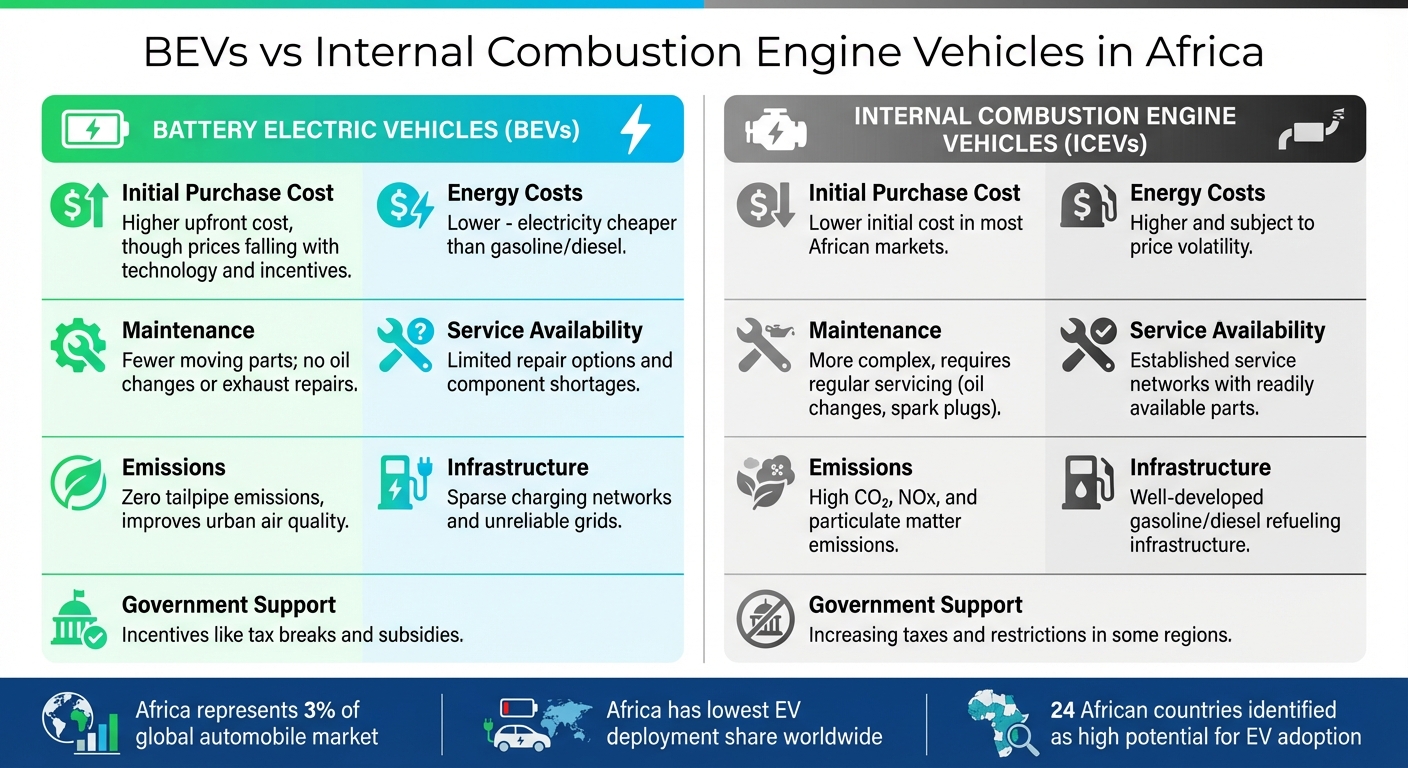
BEVs vs Internal Combustion Engine Vehicles in Africa: Complete Comparison
Battery Electric Vehicles (BEVs) bring numerous opportunities to Africa, but they also come with some hurdles that need addressing.
Benefits of BEVs
BEVs offer clear economic and health advantages for African individuals and businesses. The most immediate perk? Lower operating costs. Electricity is generally much cheaper than gasoline or diesel, especially as fuel prices continue to rise. For businesses relying on fleets – such as public transportation or ride-hailing services – these savings can be substantial.
On a broader scale, BEVs tackle the issue of high fuel import expenses. Africa spends a staggering $40 billion annually on fuel imports, a number expected to climb. By transitioning to vehicles powered by local renewable energy sources like hydro, solar, and geothermal, African economies could retain much of this expenditure within their borders.
"Number one, they would help reduce air pollution, which kills millions of people every year. Number two, they would allow countries to end their dependence on imported fossil fuels, which are increasingly expensive. Number three, they would support the growth of domestic renewable energy sources – which many countries have in abundance. Number four, if vehicles were manufactured locally, they could create a huge amount of green jobs. Finally, they would help cut down the greenhouse gas emissions that are driving climate change."
- Rob De Jong, Head of the Sustainable Mobility Unit at UNEP
Another critical benefit is improved air quality. BEVs produce zero tailpipe emissions, directly combating urban pollution that contributes to millions of premature deaths across Africa. Additionally, BEVs come with lower maintenance costs, thanks to their simpler drivetrains that eliminate the need for components like starter motors, gearboxes, and exhaust systems.
"Electric motorcycles are now cost competitive. They are cheaper to power, cheaper to maintain and in the not-too-distant future, they’ll be cheaper to buy."
- De Jong
Challenges for BEV Adoption
Despite these advantages, BEVs face several obstacles that could slow their expansion across the continent.
The upfront cost of BEVs remains a major challenge. While battery technology advancements are gradually closing the price gap, BEVs still tend to be more expensive than traditional vehicles in most African markets.
"Electric vehicles are already less expensive to own and operate long term. Once their sticker prices reach parity with petrol-burning vehicles, they’re going to take off."
- De Jong
Infrastructure issues are another pressing concern. Charging networks are sparse outside of major urban centers, and unreliable electricity grids make even existing chargers less dependable. For example, Ethiopia’s rapid embrace of BEVs has highlighted difficulties in accessing repair parts and functional chargers. The shortage of specialized technicians trained to service BEVs further complicates matters, leaving many regions without adequate support for these vehicles.
These challenges impact how both consumers and policymakers approach the transition to BEVs in Africa.
Comparison: BEVs vs Internal Combustion Engine Vehicles
| Feature | Battery Electric Vehicles | Internal Combustion Engine Vehicles |
|---|---|---|
| Initial Purchase Cost | Higher upfront cost, though prices are falling with technological advancements and incentives | Lower initial cost in most African markets |
| Energy Costs | Lower – electricity is cheaper than gasoline or diesel, especially as fuel prices rise | Higher and subject to price volatility |
| Maintenance | Fewer moving parts; no oil changes or exhaust system repairs | More complex, requiring regular servicing like oil changes and spark plug replacements |
| Service Availability | Limited repair options and component shortages | Established service networks with readily available parts |
| Emissions | Zero tailpipe emissions, improving urban air quality | High levels of CO₂, NOx, and particulate matter emissions |
| Infrastructure | Sparse charging networks and unreliable grids | Well-developed gasoline/diesel refueling infrastructure |
| Government Support | Incentives like tax breaks and subsidies | Increasing taxes and restrictions in some regions |
Currently, Africa represents just 3% of the global automobile market, and its share of EV deployment is the lowest worldwide. However, 24 African countries are identified as having high potential for EV adoption, signaling substantial opportunities for growth. Understanding these comparisons is key to shaping effective strategies for BEV adoption across the continent.
How to Adopt BEVs in Africa
Switching to a Battery Electric Vehicle (BEV) might seem like a big step, but with a little planning, it can be a smooth transition. Whether you’re an individual commuter or managing a business fleet, understanding your needs and the current infrastructure in Africa will help you make informed decisions.
Determining if a BEV is Right for You
Start by evaluating your daily travel habits. Many BEVs available in Africa today offer ranges between 120 km and 840 km per charge. For instance, if your daily commute is under 50 km, a budget-friendly option like the GEELY PANDA MINI BASE (120 km range, $5,880) could work perfectly. For longer trips or inter-city travel, models like the BYD TANG EV 2024 (730 km range, $34,700) or ZEEKR 009 (822 km range, $85,000) are worth considering.
Charging is a key factor. Think about where you park and the reliability of your local electricity grid. If you can charge at home or have access to public charging stations nearby, you’re in good shape. Urban areas in Africa are seeing growth in public charging networks, like Ghana’s solar-powered EV hubs in four major cities and the installation of 200 chargers across southern Ghana through public–private partnerships. However, if you rely on on-street parking or live in areas with inconsistent electricity, it’s important to identify accessible public or workplace charging options before making the switch.
For businesses and fleet operators, predictable routes and overnight depot parking make BEVs a practical choice. Think city buses, last-mile delivery vehicles, or ride-hailing services. BEVs can save significantly on fuel costs, especially for high-mileage operations. By May 2025, Africa had at least 30,077 electric two- and three-wheelers, 545 buses, and 4,778 light-duty vehicles in use, with electric buses growing at an annual rate of 44%. Many businesses start small, piloting 5–20 vehicles, and scale up based on performance and cost analysis.
While BEVs like the BYD DOLPHIN ACTIVE ($11,800) or BYD QIN PLUS EV 100 Kw ($14,180) may have higher upfront costs compared to gas-powered vehicles, the long-term savings are compelling. Electricity is much cheaper than fuel, and maintenance costs are lower thanks to fewer moving parts. Additionally, government incentives make BEVs more affordable. For example, Kenya’s 2025 Finance Bill continues to exempt VAT on electric motorcycles, bicycles, and buses, and Rwanda has removed some taxes on EVs and charging infrastructure.
Selecting the Right BEV Model
Once you’ve determined that a BEV fits your needs, it’s time to choose the right model.
Select a vehicle with a range that matches your driving habits. Compact models work well for city driving, while larger vehicles like the BYD SONG PLUS EV (505 km range, $18,680) or DONGFENG eπ 008 EV (636 km range, $28,700) are ideal for delivery services or ride-hailing. If you frequently drive on rough or rural roads, prioritize models with higher ground clearance and a sturdy build, although these options are still somewhat limited.
Africa’s climate is another important factor. High temperatures can impact battery performance and lifespan, so look for BEVs equipped with active thermal management systems. These systems help regulate battery temperature during charging and operation, ensuring efficiency and durability in hot conditions. Be sure to ask dealers about this feature before making a purchase.
After-sales support is crucial. Check for the availability of service centers, spare parts, and technicians trained in high-voltage systems. Brands like BYD, which have a strong presence across multiple African countries, often provide reliable service networks.
To manage the higher upfront costs, explore flexible financing options. Leasing, pay-per-kilometer contracts, and battery-as-a-service plans are becoming more common across Africa, making it easier to adopt BEVs without the financial burden of full ownership.
How EV24.africa Supports BEV Adoption
EV24.africa simplifies BEV adoption by offering a transparent marketplace where you can compare top BEV brands based on range, price, and features. Whether you’re looking for a budget-friendly option like the LEAPMOTOR T03 ($12,000) or a premium vehicle, the platform has you covered.
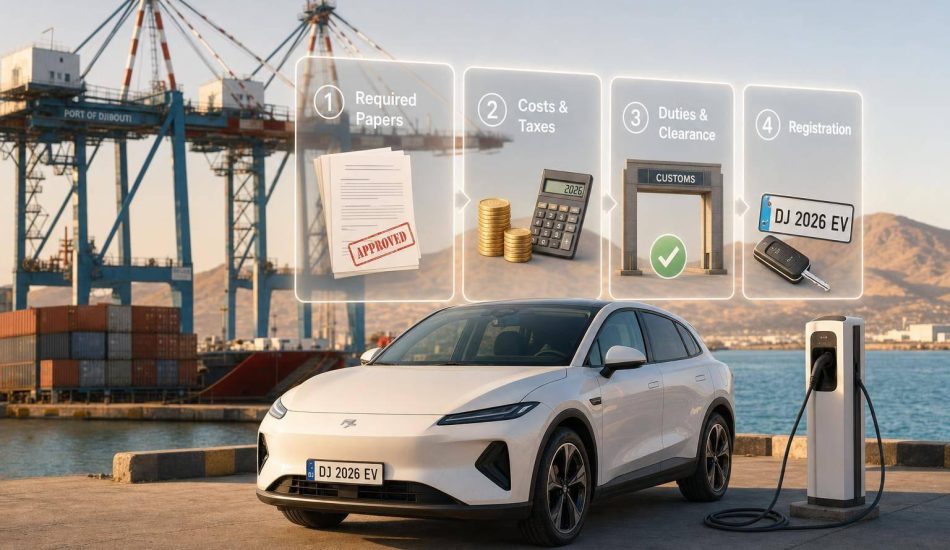
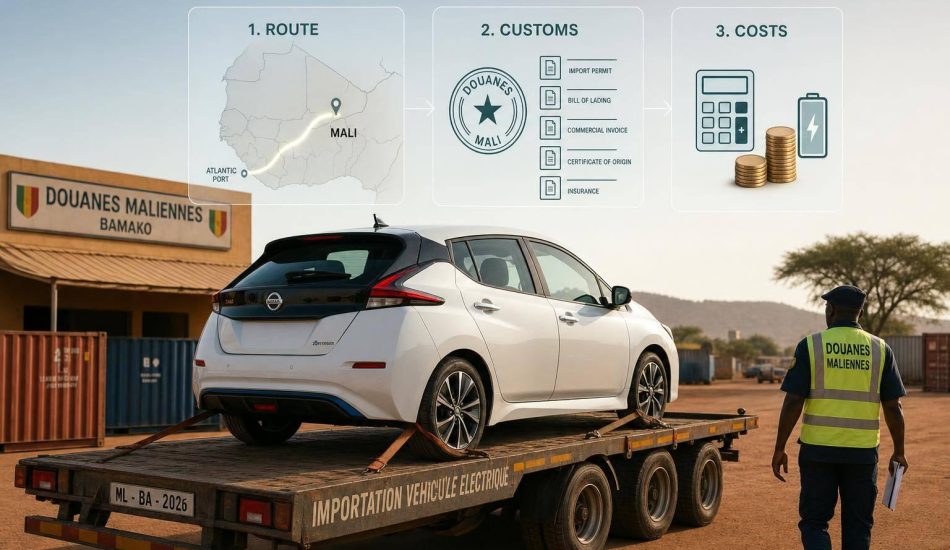
They take care of the entire process, including import logistics, customs clearance, local registration, and even flexible payment options. EV24.africa delivers BEVs directly to your doorstep, no matter where you are in Africa’s 54 countries.
For first-time buyers, EV24.africa provides expert guidance via WhatsApp to help you choose the best model for your driving habits, terrain, and budget. This support is invaluable, especially when navigating Africa’s unique infrastructure and economic landscape.
Conclusion
Battery Electric Vehicles (BEVs) are making notable strides in Africa, with countries like Ethiopia, Morocco, Egypt, and Nigeria leading the charge. Policies such as bans on gas-powered car imports and commitments to zero-emission vehicles by 2040 are setting the stage for this transformation. Africa’s vast solar and wind resources provide a unique opportunity to power this shift using renewable energy. Moreover, the limited presence of traditional gasoline infrastructure in many areas creates the perfect opening to establish dedicated charging networks from scratch.
The rise of BEVs offers Africa the chance to reduce its reliance on fuel imports, lower emissions, and create a transport system built for the future. But while the potential is immense, the road ahead isn’t without obstacles.
Challenges like the high initial costs of BEVs and the scarcity of charging infrastructure remain significant hurdles. As Rose Mutiso and her team from the Africa EV Readiness and Impact Index aptly put it, “Without context-specific data and analysis, African policymakers and investors are flying blind”. Overcoming these barriers will require coordinated efforts from governments, businesses, and consumers through thoughtful policies, targeted investments, and better-informed decisions.
Despite these challenges, the momentum for electric mobility is undeniable. In emerging markets, electric car sales surged by more than 60% in 2024, with market shares nearly doubling from 2.5% to 4%. Platforms like EV24.africa and forward-thinking policies are driving this transformation. BEVs are poised to reshape transportation in Africa, but the speed of adoption will determine how quickly this change becomes a reality.
FAQs
What challenges are slowing down the adoption of battery electric vehicles (BEVs) in Africa?
The shift to battery electric vehicles (BEVs) in Africa comes with its fair share of hurdles. For starters, the steep purchase price of BEVs, combined with limited financing options, puts them out of reach for many potential buyers. On top of that, the scarcity of charging stations and unreliable electricity in some areas make owning and operating these vehicles challenging.
There are other factors at play too. Poor road conditions can shorten the lifespan of BEV batteries, while the lack of large-scale local manufacturing drives up costs due to import reliance. On a broader scale, building up renewable energy sources and industrial capacity requires significant upfront investment, adding another layer of complexity to the region’s transition to BEVs.
How do battery electric vehicles (BEVs) benefit air quality and reduce fuel costs in Africa?
Battery electric vehicles (BEVs) make a big difference in improving air quality because they produce zero tailpipe emissions. This means they don’t release harmful pollutants into the air, which is especially beneficial for urban areas where pollution levels are often a serious issue.
On top of that, BEVs can help cut down on fuel import costs by reducing Africa’s reliance on imported petroleum. By using locally generated electricity to power transportation, countries can save money on fuel, boost energy independence, and make transportation more economical over time.
What are the charging options for BEV owners in Africa?
BEV owners in Africa have a range of charging options to meet their needs, including home charging, public fast charging, and solar-powered solutions. Home charging is often done using AC chargers with a capacity of about 6.6 kW, making it a practical option for overnight charging at home. Meanwhile, public DC fast chargers, which typically deliver speeds of 30-40 kW, are becoming more common in cities, offering a faster solution for drivers on the move.
In rural areas, where electricity grids can be less dependable, creative alternatives like battery swapping stations and off-grid solar chargers are gaining traction. These innovative approaches are helping to address infrastructure challenges, expanding the reach of BEVs to more remote parts of the continent.