
 Thabo Nkosi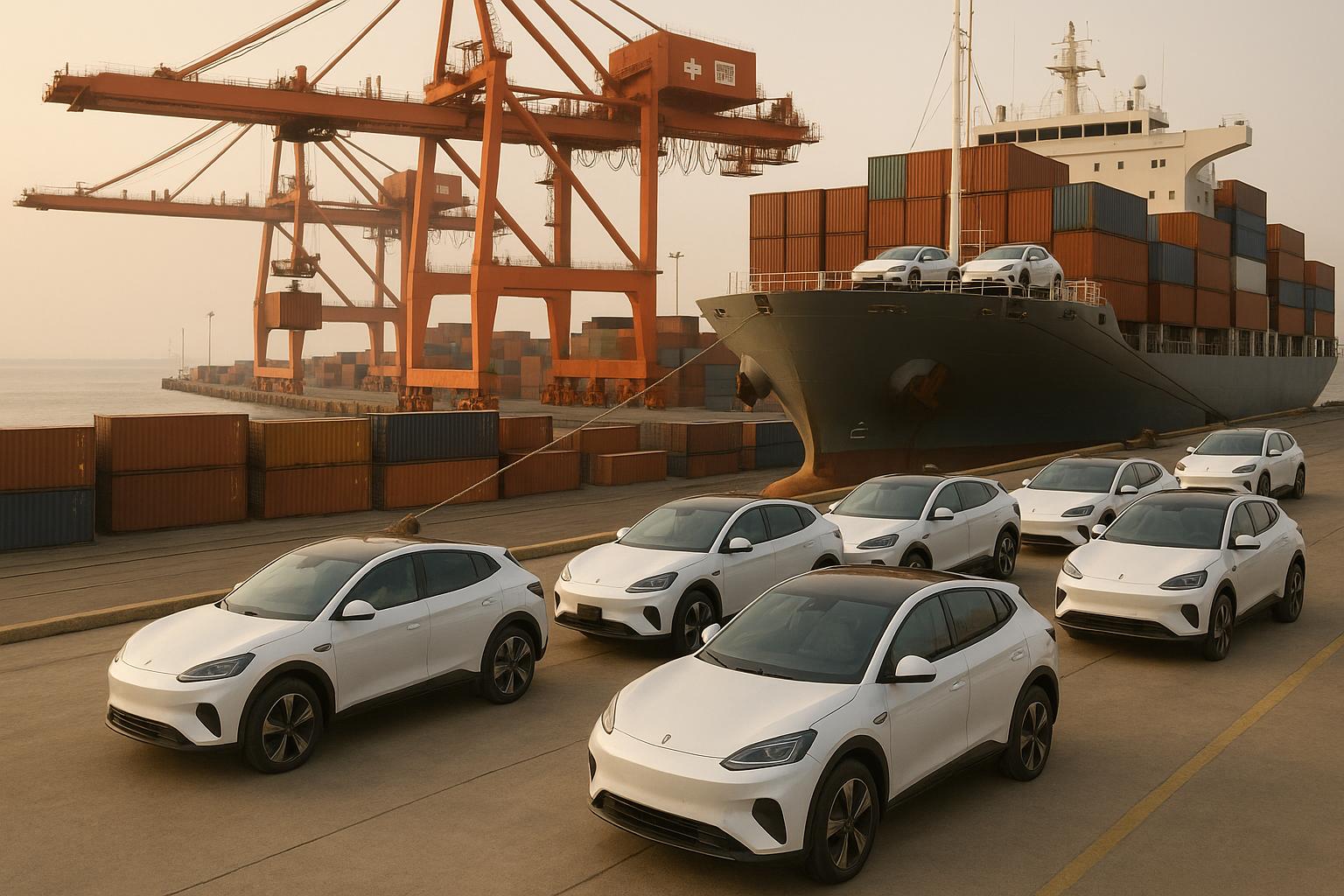
Importing electric cars from China to Senegal in 2025 is a smart move for individuals and businesses due to competitive pricing, advanced technology, and government incentives. Senegal’s tax exemptions for fully electric vehicles (no VAT or customs duties) make the process more affordable while supporting the country’s clean energy goals. Here’s a quick overview of the key steps:
- Research Reliable Suppliers: Choose manufacturers like BYD, Geely, or Leapmotor, known for quality and export experience. Verify their credentials and review contracts carefully.
- Understand Costs: Factor in the car’s price (FOB), shipping, insurance, customs fees, and inland transport. Senegal’s tax incentives can significantly reduce costs.
- Plan Logistics: Work with an experienced freight forwarder familiar with EV transport and lithium battery regulations.
- Prepare Documents: Ensure all required paperwork (bill of lading, commercial invoice, battery certifications, etc.) is complete for smooth customs clearance.
- Charging and Maintenance: Install home charging stations and connect with local service providers for maintenance and spare parts.
How to Import Electric Cars from China?
Senegal’s Electric Vehicle Import Regulations
Navigating Senegal’s import regulations is essential to take advantage of the available incentives for electric vehicles (EVs).
Import Policies and Vehicle Eligibility Requirements
In Senegal, only fully electric vehicles are eligible for government incentives. To meet these standards, it’s crucial to obtain all necessary documentation from suppliers, including manufacturer specifications and battery certifications. These documents confirm that the vehicle complies with the country’s requirements.
Once eligibility is confirmed, explore Senegal’s tax incentives to maximize the benefits of their clean transportation policies.
Tax Policies and Incentives for EV Imports
Senegal offers substantial tax exemptions for EV imports. Fully electric vehicles are exempt from both VAT and customs duties. Plug-in hybrids may also qualify for reduced duties under a phased program, provided they meet specific criteria and documentation supports their eligibility as fully electric vehicles.
These tax breaks reflect Senegal’s drive to encourage the adoption of cleaner transportation options.
Senegal’s Commitment to Clean Transportation
Senegal’s dedication to clean transportation is evident in its public initiatives. By 2025, the country will operate 155 electric buses, demonstrating its leadership in the shift toward electric mobility. Additionally, between 2017 and 2021, Senegal imported 1,556 electric vehicles, signaling steady growth in its EV market.
These policies and milestones showcase the government’s efforts to build a more sustainable transportation system in Senegal.
Finding Reliable Chinese EV Suppliers and Models
Choosing the right supplier and model can make the import process much smoother. Over the years, China’s EV industry has grown significantly, with many manufacturers now recognized for their reliability in international markets.
Recommended Chinese EV Manufacturers
China is home to several well-established EV manufacturers. BYD is a standout, recognized globally as one of the largest EV producers. Their lineup includes everything from compact sedans to SUVs. Known for competitive pricing and advanced battery technology, BYD’s vehicles are designed to perform well in various climates and road conditions, making them a solid choice for Senegal’s environment.
Another notable name is Leapmotor, which focuses on producing affordable electric vehicles packed with modern features. Their approach appeals to those looking for cost-effective options without sacrificing key technologies. Dongfeng, with decades of automotive expertise, has also made a strong entry into the EV market, offering durable vehicles supported by established distribution networks across Africa.
Geely, the parent company of Volvo, combines Chinese manufacturing efficiency with global quality standards. Their EVs often feature advanced safety systems and comfortable interiors, making them suitable for both urban commutes and rural drives.
When narrowing down manufacturers, prioritize those with proven export experience and reliable after-sales support. It’s also crucial to check if they have authorized service centers or partnerships in West Africa, as this will directly impact access to spare parts and technical assistance.
After identifying potential manufacturers, take the time to verify their credentials and review contract terms thoroughly.
Verifying Supplier Credibility and Contract Terms
Before making any commitments, it’s essential to vet suppliers carefully. Start by requesting their business license and verifying their registration with Chinese authorities. A legitimate supplier will have no issue providing their registration details, tax ID, and export licenses.
Ask for references, especially from customers who have imported vehicles to African countries. Reach out to these references to learn about their experiences with the supplier, focusing on vehicle quality, delivery timelines, and after-sales support. A trustworthy supplier will have a track record of successful transactions and positive feedback.
Pay close attention to the contract terms, particularly the Incoterms (International Commercial Terms) like FOB or CIF, which define responsibilities for shipping, insurance, and risk transfer. Your contract should clearly specify details such as the vehicle model, year of manufacture, battery specifications, warranty terms, and delivery timeline. Be sure to include clauses addressing scenarios where the vehicle does not meet specifications or arrives damaged.
To avoid surprises, request a pre-shipment inspection by an independent third party to confirm the vehicle’s condition before it leaves China. Using a letter of credit through your bank is another safeguard – this ensures payment is only released to the supplier after proof of shipment.
Choosing EV Models for Senegal’s Market
Once you’ve confirmed the reliability of your supplier, the next step is selecting models that suit Senegal’s driving conditions. The country’s roads range from paved urban streets to rugged rural paths, so vehicles need to be versatile. Look for models with adequate ground clearance and suspension systems designed for uneven terrain.
For Senegal, EVs with a minimum range of 186 miles (300 kilometers) are ideal, as this accounts for a potential 10-15% efficiency drop in high temperatures. Compact SUVs and sedans are particularly popular in the market because they balance passenger and cargo space with the maneuverability needed for crowded urban areas like Dakar. Vehicles with higher ground clearance are better equipped to handle rough roads, reducing the risk of undercarriage damage.
Given Senegal’s tropical climate, where temperatures often exceed 86°F (30°C), efficient air conditioning systems are a must. Look for models equipped with climate control systems that minimize battery drain. Some manufacturers even design their vehicles with heat-resistant battery cooling systems, which are especially useful in hot climates.
Charging compatibility is another critical factor. Choose vehicles that support both AC (alternating current) and DC (direct current) fast charging for greater flexibility as Senegal’s charging infrastructure develops. Make sure the vehicle uses standard charging connectors that align with the existing network.
Pricing varies by category: entry-level sedans typically cost between $15,000 and $25,000, mid-range SUVs range from $25,000 to $40,000, and premium models exceed $50,000. Weigh these costs against the features and durability required for Senegal’s conditions.
Lastly, examine the warranty coverage offered. Ideally, the warranty should cover the battery for at least eight years or 100,000 miles (160,000 kilometers), as battery replacement is one of the most significant costs. Confirm whether warranty services are available locally in Senegal or if parts need to be shipped from China.
Also, test the vehicle’s compatibility with Senegal’s 220V electrical grid. Most Chinese EVs are designed to work with this standard, but double-check the charging cable and adapter specifications to avoid needing additional converters.
Selecting the right supplier and EV model is key to ensuring smooth customs clearance, manageable costs, and simplified maintenance down the road.
Calculating Total Import Costs for Electric Cars
When you’re planning to import an electric vehicle from China, getting a clear sense of the total costs involved is essential. Many first-time importers tend to focus solely on the purchase price, overlooking other significant expenses that can add up quickly. Breaking down these costs step by step can help you budget effectively and avoid any unwelcome surprises.
Main Cost Components
The first major expense is the vehicle’s purchase price, typically negotiated on an FOB (Free on Board) basis with the supplier in China. Be sure to confirm whether this price includes export documentation and pre-shipment inspection fees.
Shipping costs come next, and they can vary depending on the method you choose, the origin and destination, and the size of the vehicle. Container shipping offers better security but comes at a higher price, while Roll-on/Roll-off (RoRo) shipping is more affordable but provides less protection. Keep in mind that shipping fees and transit times can fluctuate due to factors like fuel prices and seasonal demand.
You’ll also need marine insurance to safeguard your investment. This is usually calculated as a percentage of the vehicle’s declared value. Check the terms of the coverage carefully with your insurer to ensure it meets your needs.
Other costs to consider include port handling fees (for unloading, temporary storage, and documentation), customs clearance agent fees (if you hire professionals to handle the regulatory process), inspection fees to ensure the vehicle complies with local safety and environmental standards, and inland transportation costs to move the car from the port to its final destination.
Senegal’s Tax Structure for EV Imports
Taxes play a big role in determining your overall import costs. In Senegal, customs duties are calculated based on the CIF (Cost, Insurance, and Freight) value of the vehicle. The country’s import regulations for electric vehicles are designed to promote clean energy, so you may benefit from reduced duty rates or other incentives compared to traditional vehicles. However, standard taxes like Value Added Tax (VAT) and administrative fees still apply. To avoid surprises, check the latest rates and any available incentives with local customs authorities or your clearing agent.
Cost Estimation Framework
To estimate your total costs, start by calculating the CIF value, which combines the FOB price, shipping, and insurance. Then, add customs duties, VAT, port handling fees, customs clearance costs, inspection fees, and inland transportation expenses to determine the total landed cost.
It’s also smart to include a contingency margin in your budget to cover unexpected expenses like currency fluctuations, customs delays, or extra storage fees.
Finally, keep detailed records of all transactions and receipts. Senegalese customs requires comprehensive documentation, and staying organized can save you time and headaches. If possible, plan your import during times of lower shipping demand to potentially reduce costs. By understanding and accounting for these expenses, you’ll be better prepared to budget accurately and weigh your options against the local EV market.
sbb-itb-99e19e3
Shipping and Logistics for EV Transport
Once you’ve calculated your total import costs, the next step is to focus on logistics to ensure your electric vehicle (EV) makes it safely from China to Senegal. Transporting an EV comes with its own set of challenges – particularly due to the lithium-ion batteries they use. Choosing the right logistics partner can mean the difference between a smooth delivery and costly setbacks.
Selecting a Freight Forwarder
When it comes to shipping an EV, finding a freight forwarder with specific expertise in electric vehicle transport is critical. Handling lithium-ion batteries, classified as Class 9 Dangerous Goods under international regulations, requires specialized knowledge. Your logistics partner must be well-versed in these complexities to ensure your vehicle reaches Dakar safely and without unnecessary delays.
Look for freight forwarders with IATA (International Air Transport Association) certification for dangerous goods handling. This certification signals that their staff has been trained to manage the unique requirements of lithium batteries. Even if you’re shipping by sea, this expertise is valuable since it translates to understanding maritime regulations as well.
Ask potential forwarders about their experience with EV shipments. Have they transported EVs to West Africa before? Can they provide references from clients who’ve imported vehicles to Senegal? A forwarder experienced in EV logistics will already know the documentation, safety protocols, and regulatory hurdles involved.
For example, in September 2025, Maersk Air Freight delivered a Class 9 lithium-ion battery shipment (UN3480) from China to Latin America within 72 hours. They used IATA-certified protocols, precise packaging, continuous temperature monitoring, and thorough documentation.
"For mission-critical cargo, such as lithium batteries, Maersk has proven to be more than just a logistics provider; we’re a trusted safeguard for performance, safety, and supply chain continuity." – Maersk
Additionally, ensure the freight forwarder offers comprehensive insurance coverage that specifically includes lithium battery transport. Standard marine insurance may not cover incidents like battery fires or thermal events, so scrutinize the policy details carefully.
Finally, check if the forwarder has established relationships with customs brokers in Senegal. A well-connected partner can help streamline the clearance process at the Port of Dakar, potentially saving time and avoiding unexpected complications.
Once you’ve secured a qualified forwarder, it’s time to plan the shipping route and timeline.
Shipping Routes and Transit Times
Understanding the typical routes and transit times is crucial for planning your shipment. The most common route from China to Senegal involves major Chinese ports such as Shanghai, Ningbo, or Shenzhen, with the shipment arriving at the Port of Dakar. For container shipping, transit times generally range from 30 to 45 days, depending on the shipping line and route. Roll-on/Roll-off (RoRo) services, though less common on this route, may have slightly different schedules.
Several factors can influence transit time:
- Seasonal demand: Shipping rates and availability often fluctuate during peak periods, like Chinese New Year (late January to mid-February) or the year-end holiday season. Shipping during off-peak months can help you secure better rates and more reliable timelines.
- Port congestion: Both Chinese ports and the Port of Dakar can experience delays due to high cargo volumes, labor strikes, or infrastructure issues. A good freight forwarder will provide real-time updates on port conditions and adjust routes if necessary.
- Weather conditions: The Atlantic crossing can be affected by severe weather, which may lead to minor delays or route adjustments.
Some shipping lines offer direct routes from China to Dakar, which are faster and reduce the risk of handling damage. However, these routes may not always be available or cost-effective. Alternatively, transshipment routes – stopping at intermediate ports like Tangier (Morocco) or Algeciras (Spain) – can add 5 to 10 days to transit times but might offer more frequent departures.
When planning, build in a buffer for potential delays. If you’re importing for a specific business launch or customer delivery, consider the longer end of the transit range and add an extra week or two for customs clearance and inland transport.
Safety Requirements for EV Batteries
Shipping lithium-ion batteries comes with its own risks, such as thermal runaway, short circuits, and fire hazards. These batteries are classified as UN3480, Class 9 Dangerous Goods, and strict safety measures are essential – not just for regulatory compliance but for the safety of everyone involved in the transport.
Key regulatory update: Starting January 1, 2026, vehicles with lithium-ion batteries will transition from UN 3171 (BATTERY POWERED VEHICLE) to UN 3556 (VEHICLE, LITHIUM ION BATTERY POWERED) under new United Nations regulations. Until December 31, 2025, UN 3171 will still apply. Make sure your freight forwarder is aware of this change and applies the correct UN Code for your shipment date. Incorrect coding can result in cargo being held at ports, additional storage costs, administrative penalties, or even the destruction of goods.
If you’re shipping batteries separately from the vehicle, they fall under UN 3481 – LITHIUM ION BATTERIES PACKED WITH EQUIPMENT. Each scenario requires careful classification to ensure compliance.
Before shipment, the battery must be discharged to a State of Charge (SoC) of ≤ 30%, the maximum safe level for transport. Your supplier in China should handle this, but confirm it’s been documented before loading.
Additionally, ensure the vehicle is securely fastened within the container or RoRo deck. Apply all required Class 9 hazard labels, Lithium Battery Handling stickers, and CAO markings (for air transport). Continuous temperature monitoring during transit is also essential to maintain battery integrity.
Prepare all dangerous goods documentation with precision, including the Dangerous Goods Declaration, Material Safety Data Sheet (MSDS), and detailed packing lists specifying battery type, capacity, and state of charge. For instance, in 2025, UNI Customs Consulting helped a Korean electric motorbike importer in Vietnam resolve a UN Code conflict involving lithium-ion batteries. Their expertise ensured the shipment was approved, transported safely, and avoided legal and logistical complications.
Using IATA-certified specialists for documentation is highly recommended. Even minor errors can result in shipment rejections, leading to delays and extra fees. Investing in professional documentation services can save you from these risks.
Finally, confirm that your freight forwarder has an emergency response plan in place for handling incidents during transport. While rare, battery-related accidents can happen, and having a clear protocol ensures safety and minimizes damage.
Customs Clearance Process in Senegal
Once your electric vehicle (EV) lands at the Port of Dakar, the customs clearance process kicks off. This step is essential to officially release your vehicle. Having all your paperwork in order can make a big difference – it helps speed things up and avoids unnecessary delays or fees.
Required Documentation for Customs
Before your EV arrives, make sure you’ve gathered all the necessary documents. Here’s what you’ll typically need:
- Original bill of lading: This serves as proof of shipment.
- Commercial invoice: It should include details like the vehicle’s make, model, year, VIN, and purchase price in U.S. dollars. Customs uses this to calculate duties and taxes.
- Packing list: A breakdown of the shipment contents, including the vehicle and any accessories or spare parts.
- Certificate of origin: This confirms the vehicle was manufactured in China, which may qualify it for preferential tariffs.
- Battery safety certifications: For EVs, include any required certifications to meet international shipping standards.
- Certificate of conformity (Form C): This document verifies that your vehicle meets Senegalese safety and environmental standards.
- Proof of transit insurance: Along with a completed customs declaration.
- Import license: If required. While some EV imports enjoy streamlined processes, certain shipments, especially commercial ones, may still need prior authorization.
It’s a good idea to keep both digital and physical copies of all these documents handy.
Inspection and Duty Payment Process
After submitting your paperwork, customs officials will review the details and schedule a physical inspection of your EV. This step ensures that the vehicle matches the provided documentation and complies with all requirements.
Customs duties are calculated based on the CIF (Cost, Insurance, and Freight) value, along with VAT. Your customs broker can confirm these amounts.
Once the inspection is complete, you’ll receive a payment notice detailing the fees. Payments are typically made via bank transfers or other approved methods. After settling the dues, promptly collect the release order to avoid additional storage charges, as vehicles left at the port beyond the free storage period may incur extra fees.
How to Avoid Customs Delays
To make the clearance process as smooth as possible, follow these tips:
- Work with a licensed customs broker familiar with Senegalese import procedures.
- Double-check your documents for consistency to prevent unnecessary inspections.
- Start preparing and submitting paperwork well in advance of your EV’s arrival. Pre-filing your customs declaration can save time.
- Stay in close contact with your broker and freight forwarder to quickly resolve any issues.
- Ensure you have funds ready to cover duties and taxes promptly. Delayed payments can lead to storage fees.
- Keep up-to-date with changes in regulations by consulting the Senegalese Customs Authority or your broker, as policies and fees may shift over time.
Charging and Maintenance in Senegal
After tackling customs and logistics, the next step for electric vehicle (EV) owners in Senegal is ensuring a reliable plan for charging and maintenance. These are key to keeping your EV running smoothly and efficiently.
Charging Infrastructure in Senegal
Senegal’s public EV charging network is still in its early stages, with limited stations available, mostly in urban hubs like Dakar. For now, many EV owners rely heavily on home charging as their main option. If you have access to a powered garage or a dedicated parking space, installing a Level 2 charger is a smart move. These chargers can add about 25–30 miles of range per hour, making them ideal for daily commutes and errands.
For the installation, it’s best to hire a licensed electrician who understands the specific requirements of EV chargers. Depending on your home’s electrical setup and the charger brand, installation costs can range from $500 to $1,200. Some EV manufacturers also include portable charging cables with their vehicles, which allow for slower charging using standard outlets.
Public charging stations, though limited, can be found in places like hotels, shopping centers, and office buildings. If you’re planning a longer trip outside Dakar, it’s important to map your route and identify charging points ahead of time. This preparation ensures you’re not caught off guard and helps maintain your EV’s performance over time.
EV Maintenance and Spare Parts Availability
One of the perks of owning an EV is the reduced maintenance compared to traditional vehicles. With fewer moving parts, EVs eliminate the need for oil changes, transmission fluid replacements, and exhaust system repairs. Routine upkeep mainly involves tire rotations, brake inspections, and occasional battery health checks.
In Dakar, service centers specializing in EV maintenance are becoming more accessible. Some traditional auto shops are even training their technicians to handle EV systems. If you’re considering a Chinese EV model, verify whether the manufacturer has authorized service centers in Senegal or nearby countries.
Spare parts, especially for batteries and electronic systems, often need to be imported. Platforms like Alibaba.com list suppliers offering components for popular EV models. For example, you might find listings such as "Superior Accessories BYD Seagull Auto Parts New Energy Electric Vehicle BYD Seagull Spare Parts 2023 2024 2025" or "Good Price China Electric Car Auto All Parts Body Kit Engine Hoods Front Bumper for Geely Geometry E C a M6 G6".
When buying parts online, Alibaba.com offers buyer protections, including secure payments, money-back guarantees, and shipping services. Additionally, resources like Automart Africa can connect you with local importers and distributors who may stock or source EV parts. Building a relationship with a reliable supplier early on can save you time and hassle. Some EV owners even keep a small stock of essentials like cabin air filters or charging cables to avoid delays.
Streamlined maintenance not only ensures your EV stays in top shape but also helps reduce long-term operational costs.
Long-Term Cost Savings and Environmental Impact
Owning an EV can significantly cut daily expenses. Charging your EV at home is often far cheaper per mile than fueling a gas-powered vehicle. Plus, EVs don’t require engine oil, spark plugs, or exhaust system repairs. Regenerative braking also reduces wear on brake components, further lowering maintenance costs over time.
On top of the financial benefits, EVs contribute to a cleaner environment. As Senegal integrates more renewable energy, like solar power, into its grid, charging your EV can lead to fewer emissions and less air pollution. In congested cities like Dakar, where traffic is a daily reality, switching to electric vehicles can noticeably improve air quality.
The combination of reduced fuel and maintenance costs, along with eco-friendly benefits, makes EV ownership an appealing choice in Senegal, even if the initial purchase price is higher than that of traditional cars.
Conclusion: Your Path to Electric Vehicle Ownership
Bringing an electric vehicle (EV) from China to Senegal in 2025 is entirely possible with some careful planning and preparation. This guide has walked you through the key steps – from choosing the right supplier to navigating customs clearance – each of which plays a crucial role in ensuring a smooth import process.
Start with thorough research. Before making any commitments, take the time to understand Senegal’s latest import regulations and any tax incentives for EVs. These rules can change, so staying updated will help you avoid unexpected costs or delays. Make sure your chosen EV model complies with Senegal’s import requirements and has all the necessary certifications.
Choose trustworthy suppliers. Opt for established Chinese manufacturers or verified exporters with a strong track record. Carefully review their credentials and ensure you receive detailed documentation about the vehicle’s specifications and compliance standards. Clear contracts and dependable after-sales support are essential.
Plan for all costs upfront. Beyond the vehicle’s price, factor in expenses like shipping, insurance, customs duties, and registration fees. A well-rounded cost estimate will help you decide if importing is the right financial move. Once you have a clear picture of the costs, focus on organizing logistics and required paperwork.
Work with experienced professionals. Freight forwarders and customs brokers can be invaluable in handling documentation and ensuring a smooth customs clearance process. Their expertise can save you time and prevent potential delays at the port.
Once your EV is in Senegal, it’s important to establish a reliable charging and maintenance setup. Invest in high-quality charging equipment and connect with local service providers to ensure your vehicle stays in top condition.
Owning an electric vehicle is a forward-thinking choice, offering long-term savings and contributing to cleaner transportation. By following these steps, you can confidently navigate the import process and enjoy the benefits of EV ownership in Senegal.
FAQs
What steps should I follow to ensure smooth customs clearance when importing an electric car from China to Senegal?
To navigate customs smoothly when importing an electric car from China to Senegal, it’s crucial to have all the necessary paperwork in order. Key documents include the commercial bill of sale, vehicle title, and invoice (translated into English). You’ll also need the supplier’s commercial invoice, freight bill, and a certificate of origin issued by the Chamber of Commerce in the exporting country.
Other required documents are a packing list, an insurance certificate, and, if applicable, an authorization to import goods subject to quota. For imports worth $2,000 or more, you’ll also need to file a preliminary declaration of import (DPI). Having these documents prepared and accurate will help ensure the customs process goes off without a hitch.
How can I ensure a Chinese EV supplier is trustworthy and provides reliable after-sales support?
To determine if a Chinese EV supplier is reliable, start by digging into their reputation and verifying their credentials. Ask for copies of their business license, certifications, and any relevant registrations to confirm their legitimacy. It’s also a good idea to request references from past clients to get insight into their reliability and the quality of service they provide.
For extra peace of mind, you might want to conduct a factory audit. This allows you to check out their production processes and facilities firsthand. Additionally, requesting product samples can help you evaluate the quality of their vehicles before making a larger commitment. By following these steps, you can minimize risks and make the import process much smoother.
What should I know about setting up home charging for an electric car in Senegal?
Setting up a home charging station for your electric vehicle (EV) in Senegal takes some careful thought to ensure everything runs smoothly and safely. Here’s what you need to keep in mind:
- Electrical Capacity: Your home’s electrical system needs to support the extra load of an EV charger. A licensed electrician can inspect your setup and, if necessary, install a dedicated circuit to handle the demand.
- Charger Type: For most homeowners, a Level 2 charger is the way to go. It offers faster charging than a standard outlet, making it a practical choice for everyday use.
- Voltage and Power Supply: Senegal’s electrical system operates on 220-240V. Double-check that your chosen charger is compatible with these standards to ensure safe and efficient charging.
- Installation Costs: Budget for both the charger itself and the professional installation. Costs can vary depending on the complexity of your home’s wiring and the type of charger you select.
Setting up your home charging station the right way not only makes EV ownership more convenient but also helps you save time and money in the long run. Be sure to follow the manufacturer’s instructions and comply with local regulations to keep your charging experience safe and reliable.