
 Thabo Nkosi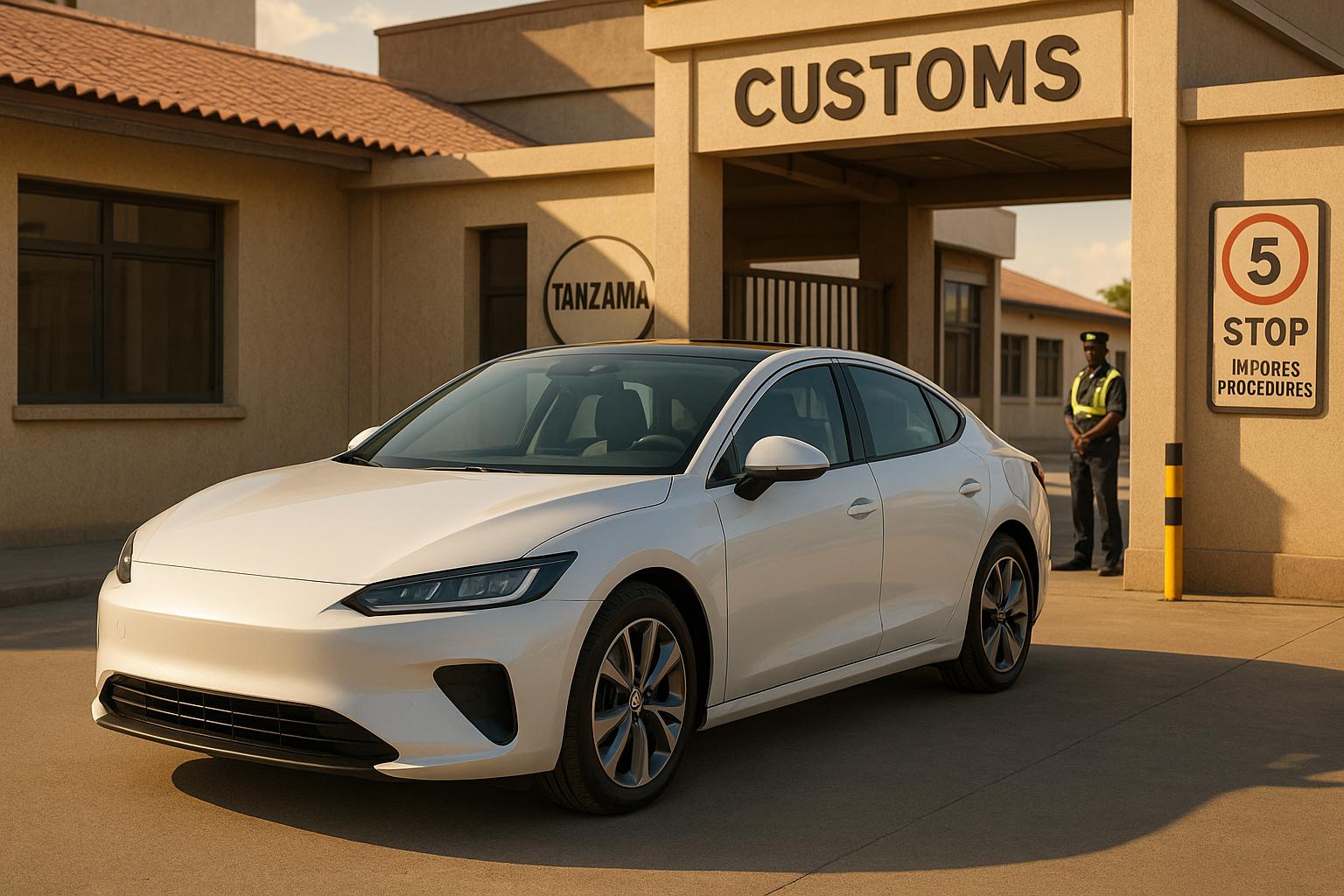
Tanzania has introduced eight major updates to its electric vehicle (EV) import laws, effective December 2025. These changes are designed to simplify processes, reduce costs, and encourage EV adoption. Here’s what you need to know:
- Lower Import Duties: While no specific reductions for fully assembled EVs are confirmed, new HIV Response Levies apply based on battery capacity.
- Tax Incentives for Assembly Kits: No incentives yet for semi-knockdown (SKD) or complete knockdown (CKD) kits, but discussions are ongoing.
- Battery Tax Exemptions: VAT exemptions for "clean energy equipment" do not clearly include EV batteries, keeping costs steady.
- Faster Customs Clearance: Dedicated EV processing lanes and a digital platform will speed up import approvals, cutting delays and costs.
- Standards for Batteries and Charging: Technical regulations for EV batteries and charging infrastructure are under development but remain incomplete.
- Certification for Importers: No formal certification is required yet, though future guidelines are expected.
- Green Energy Levy: A new levy on EV imports will fund charging infrastructure but slightly increase vehicle costs.
- Regional Alignment: Tanzania is aligning its EV policies with East African Community (EAC) regulations, though specifics are still pending.
These updates aim to make EVs more accessible while supporting infrastructure growth. With over 5,000 EVs expected on Tanzanian roads by 2025 and a growing market, these changes mark an important step forward.
EV adoption stalls as import taxes return
1. Lower Import Duties on Fully Built Electric Vehicles
Currently, there’s no official confirmation of reduced import duties specifically for fully built electric vehicles (EVs) in Tanzania. While the country is implementing broader fiscal reforms to encourage the shift toward electric mobility, no verified changes targeting these duties have been announced. It’s important for stakeholders to stay updated on any future developments. Fully built EVs remain distinct from other vehicle categories, which are subject to different tax structures.
In addition to import duties, all registered EVs are subject to a separate HIV Response Levy under the Motor Vehicle (Tax on Registration and Transfer) Act. This levy varies based on the vehicle’s power capacity:
- EVs with a power capacity below 50 kWh are charged TZS 95,000 (about $36).
- EVs with a capacity of 50.1 kWh and above, including mid-range, high-performance, and luxury models, incur a charge of TZS 250,000 (approximately $95).
Efforts to improve EV affordability may play a key role in driving adoption in the future.
2. Tax Incentives for Semi-Knockdown and Complete Knockdown Kits
Currently, there are no specific tax incentives in place for semi-knockdown (SKD) or complete knockdown (CKD) electric vehicle kits. These kits, designed for local assembly, have the potential to lower import expenses. However, the current duty structures for fully assembled electric vehicles still apply. This approach aligns with broader fiscal policies aimed at balancing cost reductions while maintaining market stability.
3. Battery Tax Exemptions to Reduce EV Costs
Tanzania’s approach to electric vehicle (EV) taxation continues to play a key role in shaping the affordability of EVs within the country. While import duties and incentives have been analyzed, the focus now shifts to the taxation policies surrounding EV batteries.
The Finance Act 2025 upholds the existing tax structure for EV batteries, offering no direct measures to reduce their costs. Although the Act introduces a VAT exemption for "clean energy equipment", whether this applies to EV batteries remains unclear. This lack of clarity has significant cost implications for those involved in the EV market.
Impact on EV Affordability
With no battery-specific tax relief in place, EV prices are expected to remain steady. However, the introduction of new HIV Response Levies, calculated based on battery capacity in kilowatt-hours (kWh), adds an extra layer of cost for buyers.
Considerations on Clean Energy Equipment
The VAT exemptions outlined in the Finance Act 2025 provide targeted support for clean energy technologies, but their scope is limited. These exemptions now apply solely to solar batteries that are explicitly designed for solar power storage. This narrow focus excludes EV batteries, further complicating efforts to make EVs more affordable.
Implications for EV Adoption
The absence of direct tax relief for EV batteries, coupled with the added costs from new levies, poses challenges for both importers and potential buyers. These financial hurdles may slow the adoption of EVs, as stakeholders must carefully weigh these costs when making decisions.
4. Faster Customs Clearance Process for EV Imports
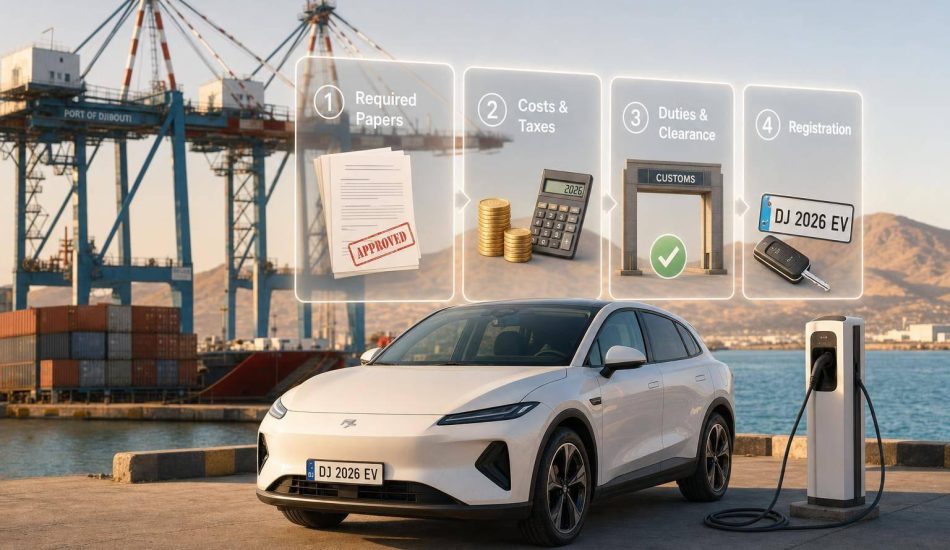
Traditional customs procedures for electric vehicles (EVs) often caused delays and added unnecessary costs. However, the 2025 reforms are set to change that by simplifying and speeding up the customs clearance process specifically for EV imports. These updates aim to make operations smoother and more cost-effective as part of the broader policy overhaul.
One key improvement is the introduction of dedicated processing lanes for EV imports at major entry points like Dar es Salaam and Tanga. By separating EVs from traditional vehicles, this change significantly reduces the time these vehicles spend in customs, addressing a long-standing concern for importers.
Ease of Compliance for Importers
The new system consolidates the previously fragmented approval process into a single digital platform. Importers can now upload essential documents – such as proof of vehicle origin, battery details, and compliance certificates – and track their clearance status in real time. Automated pre-validation helps catch errors or missing information early, cutting down on delays.
Additionally, a standardized checklist clearly outlines the required documentation, eliminating the guesswork that often led to rejected applications and costly setbacks in the past.
Impact on EV Affordability
These streamlined procedures don’t just save time – they also lower the overall cost of importing EVs. Faster customs clearance reduces expenses like storage fees, demurrage charges, and other holding costs, which are typically passed on to buyers. This makes EVs more affordable for consumers.
Importers and dealers also benefit from improved cash flow. Shorter clearance times mean quicker inventory turnover, freeing up capital for other investments. This efficiency can lead to more competitive pricing for consumers, as importers face lower financing costs and reduced exposure to currency fluctuations during lengthy clearance periods.
Encouragement of EV Adoption and Infrastructure Development
When paired with duty reductions and tax incentives, faster customs clearance strengthens Tanzania’s push to build a thriving EV market. These changes signal the government’s commitment to creating a business-friendly environment for EV imports. For companies eyeing the Tanzanian market, predictable and efficient customs procedures reduce operational risks and simplify investment decisions.
This streamlined process also supports businesses working to establish charging stations and service networks. With quicker customs clearance, dealers can better predict inventory availability and plan their operations more effectively. Together, these developments create a stronger foundation for EV adoption and the infrastructure needed to support it, positioning Tanzania as a leader in the East African EV market.
sbb-itb-99e19e3
5. New Standards for EV Batteries and Charging Infrastructure
After simplifying import processes, Tanzania is now focusing on establishing technical standards for EV batteries and charging infrastructure. The upcoming 2025 EV import law revisions aim to lay the groundwork for these standards. While the government is actively working to finalize regulations to ensure both safety and reliability, the framework is still a work in progress. This lack of finalized standards creates challenges, particularly for connector types like CCS2 and CHAdeMO, as well as interoperability protocols such as OCPP. Without clear guidelines, importers are left uncertain about which technical configurations will ultimately receive government approval.
Ease of Compliance for Importers
As the regulations take shape, importers need to keep a close eye on updates to Tanzania’s E-mobility Framework. To stay ahead, they can start aligning with globally recognized standards like OCPP and ISO 15118. These standards are widely used to ensure interoperability and safety across various EV models. By adopting them now, importers can reduce potential risks and avoid expensive retrofitting once the official guidelines are in place.
Encouraging EV Adoption and Infrastructure Development
When these standards are finalized, they will simplify infrastructure deployment and boost confidence among stakeholders. With clear and unified technical guidelines, charging station operators and other players can invest in infrastructure knowing it will support future EV models. This clarity will not only reassure consumers but also accelerate the growth of Tanzania’s electric mobility ecosystem.
6. Required Certification for EV Importers
As Tanzania moves toward simplifying electric vehicle (EV) imports, the specifics around certification requirements remain unclear. The revisions to the 2025 EV import laws currently do not mandate any formal certification for importers. While there have been talks about increasing regulatory oversight, no concrete details about certification have been announced yet.
For now, importers should stay informed by keeping an eye on updates from Tanzania’s Bureau of Standards and the Ministry of Trade, as future guidelines may emerge.
7. Green Energy Levy to Fund EV Infrastructure
Starting in 2025, revisions to EV import laws introduce a Green Energy Levy on imported electric vehicles (EVs). The funds collected will be dedicated to expanding the nation’s EV charging infrastructure.
Impact on EV Prices
This levy will increase the cost of importing EVs. Importers are expected to pass these additional costs on to buyers, which means consumers may see slightly higher prices for EVs.
Boosting EV Adoption
On the flip side, the revenue generated will go directly toward building a more extensive and reliable EV charging network. This is a critical move to make EVs more practical and accessible, showcasing Tanzania’s push for cleaner and greener transportation options.
8. Alignment with East African Community EV Import Regulations

Tanzania’s progress in refining its EV import laws now extends to aligning with the broader standards set by the East African Community (EAC). This step represents a move toward creating unified policies across the region, complementing earlier efforts to simplify customs processes and establish consistent technical standards.
The planned revisions to Tanzania’s EV import laws for 2025 draw from EAC regulatory principles. However, the specifics of how these changes will ensure uniformity across member states remain unclear. Official guidelines detailing the standardization process have yet to be released.
While regulatory authorities are expected to provide further clarification soon, stakeholders should stay informed by monitoring updates. This will be vital for understanding emerging rules on cross-border trade and compliance within the EAC framework.
Conclusion
Tanzania’s recent updates to its EV import laws signal a pivotal shift in the country’s automotive landscape. By addressing core challenges like high costs and logistical hurdles, these revisions aim to make electric vehicles more affordable and accessible. Key measures, such as reduced import duties, battery tax exemptions, and streamlined customs processes, are bolstered by incentives for local assembly operations. Together, these changes lay the groundwork for a more sustainable and economically viable EV market in Tanzania.
The numbers tell a compelling story: by 2025, over 5,000 EVs are expected to be on Tanzanian roads. The market is set to grow from $0.04 billion in 2025 to $0.22 billion by 2030, with an impressive annual growth rate of 40.5%.
Tanzania’s energy mix, which includes 60% renewable sources, is another vital factor. The upcoming Julius Nyerere Hydropower Plant, adding 2.1 GW to the grid in 2025, will ensure a steady and reliable power supply for EV charging infrastructure. For EV owners, the benefits extend beyond environmental impact – electricity costs are about 7% of petrol prices, translating to savings of up to 86% on fuel. These savings are especially impactful in urban hubs like Dar es Salaam and Zanzibar.
The benefits aren’t limited to consumers. Tax breaks for semi-knockdown and complete knockdown kits encourage companies to set up assembly plants in Tanzania, creating jobs and reducing dependence on fully built imports. Additionally, harmonizing regulations with the East African Community supports cross-border EV trade and promotes the development of regional charging corridors. This regional alignment simplifies operations and strengthens market stability.
For businesses and investors, these policy changes open up a range of opportunities. Lower costs, improved infrastructure, and streamlined regulations create a stable environment for importing EVs, setting up charging networks, or establishing local assembly facilities. Tanzania’s evolving EV landscape is poised to benefit not just consumers but the broader economy as well.
FAQs
How will the new HIV Response Levy affect the cost of owning an electric vehicle in Tanzania?
The Finance Act 2025 has introduced a mandatory HIV Response Levy, aimed at funding targeted health initiatives. This new levy will slightly raise the overall cost of importing and owning an electric vehicle (EV) in Tanzania.
If you’re planning to buy or import an EV, you’ll need to account for this levy as part of your total ownership costs. The exact impact will depend on the price of the vehicle and specific import details, so it’s worth including this additional charge in your budgeting for 2025 and the years ahead.
How could tax breaks on semi-knockdown and complete knockdown kits benefit local businesses and investors in Tanzania?
Tax incentives for semi-knockdown (SKD) and complete knockdown (CKD) kits have the potential to offer a major boost to local businesses and investors in Tanzania. By cutting down import costs, companies assembling electric vehicles (EVs) locally can significantly reduce production expenses. This, in turn, can make EVs more accessible to consumers, driving demand and encouraging the growth of the local EV market.
For investors, these incentives open doors to invest in local assembly plants and supporting infrastructure, which can lead to job creation and broader economic development. Moreover, these initiatives align with the global shift toward sustainable transportation, giving Tanzania an edge in the growing African EV industry.
How will Tanzania’s updated alignment with East African Community regulations affect cross-border EV trade and infrastructure growth?
Tanzania’s efforts to align with East African Community (EAC) regulations could simplify cross-border trade for electric vehicles (EVs) and promote regional cooperation on EV infrastructure. By embracing shared policies, Tanzania and its EAC partners can minimize trade hurdles, making it more straightforward for importers and manufacturers to move EVs across borders.
This collaboration also creates opportunities for shared investments in charging stations and other essential infrastructure, which could speed up EV adoption across the region. For businesses and consumers, this translates to easier access to EVs and a more connected market for eco-friendly transportation.