
 Thabo Nkosi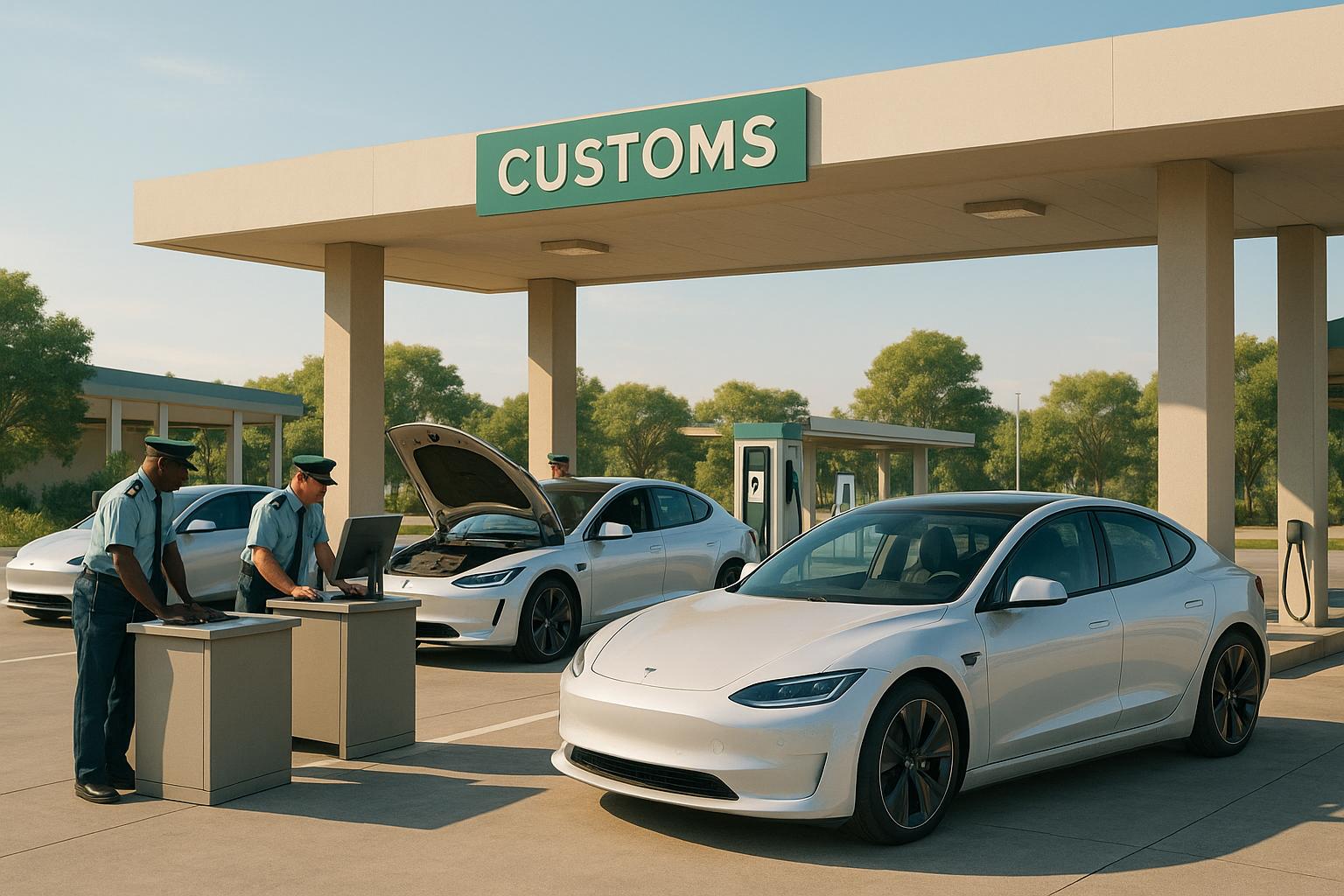
Cameroon is rolling out eight new regulations in 2025 to boost electric vehicle (EV) adoption and reduce reliance on older gas-powered cars. These changes aim to lower costs for EV buyers and importers while discouraging the import of high-emission vehicles. Here’s a quick summary of the key updates:
- 50% Taxable Value Reduction: New EVs will have import taxes calculated on half their declared value, cutting costs significantly.
- Excise Duty Exemption: Imported EVs may qualify for excise duty waivers, pending final confirmation.
- Higher Duties for Older Gas Cars: Vehicles over 15 years old will face steep customs duties, making them less affordable.
- Green Taxation for EVs: New tax rules lower costs throughout an EV’s lifecycle.
- Digital Customs System (CAMCIS): Streamlined customs processes aim to reduce paperwork and delays for EV imports.
- Lower Duties on EV Parts and Charging Stations: Reduced taxes on batteries, motors, and charging equipment will support EV infrastructure growth.
- Road Tax Exemptions and Charging Subsidies: EV owners won’t pay road taxes, and subsidies will cut costs for installing charging stations.
- 24-Month Incentive Period: Importers and buyers have two years to benefit from these incentives before they’re reviewed.
These reforms aim to make EVs more attractive and affordable while pushing for cleaner transportation options. However, the 24-month window creates urgency for stakeholders to act quickly.
1. 50% Reduction on Taxable Value for New EV Imports
Cameroon’s 2025 Finance Law introduces a game-changing policy: a 50% reduction on the taxable value for new electric vehicles (EVs) brought into the country. This means import duties are calculated on just half the vehicle’s declared value, significantly lowering the cost of importing EVs. It’s the first of several measures aimed at accelerating the adoption of electric mobility in Cameroon.
Tax Reductions and Cost Savings
Here’s how it works: customs will now base taxes on only 50% of a qualifying EV’s declared value. For instance, if an electric car is valued at $30,000, taxes will be assessed on just $15,000. This reduction takes effect before adding any other duties or taxes, creating substantial savings. When paired with additional exemptions, like excise duty waivers (discussed later), the overall cost of importing EVs drops significantly.
Supporting Clean Energy Goals
This policy isn’t just about saving money – it’s also a step toward a greener future. By making EVs more affordable, Cameroon is reinforcing its commitment to cutting carbon emissions and promoting cleaner energy use. It’s a clear signal of the government’s intent to embrace sustainable transportation solutions.
Lowering the Total Cost of Ownership
Reducing the taxable value doesn’t just impact import costs; it also reshapes the long-term affordability of owning an EV in Cameroon. With overall duties calculated as a percentage of the taxable value, the reduction directly lowers total expenses tied to bringing EVs into the country.
For businesses and fleet operators, the financial benefits are even more pronounced. Savings multiply with every vehicle imported, making the switch to electric fleets more attractive. Add to this the other incentives outlined in the 2025 Finance Law, and early adopters not only cut costs but also benefit from the growing infrastructure to support EVs. Up next, we’ll dive into additional measures easing the path for EV imports.
2. Excise Duty Exemption for Imported EVs
There’s no official confirmation yet on whether Cameroon’s 2025 Finance Law will include a full excise duty exemption for imported electric vehicles (EVs). While there’s speculation about potential measures to reduce EV import costs, the specifics remain unclear. For now, it’s crucial for stakeholders to stay informed by keeping an eye on updates from government announcements and trusted industry sources.
3. Higher Customs Duties on Older Combustion Vehicles
Cameroon has introduced higher customs duties on aging gas-powered cars, specifically targeting vehicles older than 15 years. This move significantly raises import costs for such vehicles, aligning with the country’s efforts to address environmental concerns.
Tax Increases and Cost Implications
The new customs policy uses a tiered structure to impose higher duties on older vehicles. Cars under 15 years old are taxed at 91% of their assessed value, while those over 15 years face a steeper rate of 107%.
For example, importing a second-hand Toyota Avensis 126 D-4D FAP Dynamic 4p from Hamburg to Douala, manufactured in 2010, incurred a customs duty of XAF 2,306,377 (roughly $3,800). This figure was calculated at the 91% rate based on an assessed value of XAF 2,534,480. These increased costs not only make older vehicles less appealing but also align with Cameroon’s broader environmental goals.
Environmental Compliance and Clean Energy Goals
Cameroon’s policy is part of a larger effort across Africa to reduce reliance on aging combustion vehicles and promote cleaner energy alternatives. By imposing higher duties on older cars, the government aims to tackle urban pollution and encourage a transition to electric mobility.
"Governments are cutting import duties, offering tax breaks, and introducing emission regulations to curb fossil fuel use and urban pollution." – Ecofin Agency
The results are already visible. In 2024, electric vehicle sales across Africa more than doubled, reaching approximately 11,000 units. Cameroon’s approach – making high-emission vehicles more expensive – creates a financial push toward cleaner options, supporting the continent’s growing interest in sustainable transportation.
Impact on Total Cost of Ownership
While older vehicles may initially seem cheaper, the steep customs duties significantly increase their overall cost. Fleet operators now face higher upfront expenses, which can strain budgets and cash flow. This policy shifts the economic equation, making newer, more efficient vehicles or electric alternatives more financially viable. By doing so, Cameroon is not only reshaping vehicle ownership economics but also steering consumer choices toward its environmental objectives.
4. Green Taxation Framework for EVs
Cameroon has taken another step to make electric vehicles (EVs) more accessible by introducing a green taxation framework. This new approach adjusts tax rates throughout an EV’s lifecycle, further reducing ownership costs. Combined with earlier measures like the 50% taxable value reduction, this framework lowers both the initial purchase price and ongoing expenses, creating a more comprehensive strategy to make EVs affordable.
5. Customs Digitalization and CAMCIS Integration for EV Imports
Cameroon is revamping its customs procedures with the rollout of a digital platform called the Cameroon Customs Information System (CAMCIS). This new system replaces the older, manual processes that depended heavily on physical paperwork and in-person verifications.
While the exact changes are still unclear, this move toward digitalization aims to simplify procedures, cut down on administrative expenses, and improve the transparency of documentation. It’s a clear step toward leveraging technology to make customs operations more efficient. This initiative aligns with ongoing tax and duty reforms, offering a smoother administrative process for importing electric vehicles (EVs).
sbb-itb-99e19e3
6. Reduced Duties for EV Components and Charging Stations
Cameroon’s 2025 regulations introduce lower import duties on electric vehicle (EV) components and charging infrastructure, aiming to build a stronger foundation for the country’s EV ecosystem. By cutting the costs of essential parts and equipment, the government hopes to make EV adoption more affordable and practical, adding to earlier efforts to encourage the shift to cleaner transportation.
Tax Reductions and Cost Savings
The reduced duties cover key EV components like batteries, motors, electronics, and charging equipment. This move not only cuts costs for manufacturers and infrastructure developers but also addresses concerns from potential EV buyers about affordability and accessibility. By easing the financial burden, the government is encouraging investment in charging networks and making EV ownership a more viable option.
Environmental Compliance and Clean Energy Goals
These incentives go beyond cost savings – they align with broader environmental goals. By supporting the expansion of charging infrastructure, the government is tackling one of the critical barriers to EV adoption while also contributing to the reduction of greenhouse gas emissions. This approach also ties into efforts to promote local vehicle manufacturing, further boosting Cameroon’s clean energy objectives .
In November 2025, FEDA invested $75 million in Spiro, a company focused on scaling up battery-swap infrastructure and integrating renewable energy into the EV ecosystem. This investment highlights the real-world impact of the reduced duties, accelerating progress toward a cleaner and more sustainable mobility future in Cameroon.
7. Road Tax Exemptions and Charging Subsidies for EVs
Cameroon is taking further steps to encourage electric vehicle (EV) adoption by introducing road tax exemptions and subsidies for charging infrastructure. Starting in 2025, EVs will be exempt from road taxes, and new incentives will help reduce the costs of installing charging stations. These changes aim to make EV ownership more affordable while expanding the charging network across the country.
Tax Breaks and Reduced Expenses
Eliminating road taxes for EVs significantly cuts down the annual costs of vehicle ownership compared to combustion-engine vehicles. On top of that, subsidies for charging infrastructure help businesses and property owners cover part of the installation expenses, making it easier to set up new charging stations. This dual approach supports both EV drivers and the growth of essential infrastructure.
Financial Advantages for EV Owners and Developers
When combined with other incentives, these measures create a more affordable landscape for EV ownership. Lower annual fees and easier access to charging stations reduce overall costs for individual drivers and businesses operating commercial fleets. The result? A more appealing financial case for switching to electric.
Supporting Clean Energy and Sustainability Goals
These policies do more than just save money – they also align with Cameroon’s vision for cleaner, greener transportation. By encouraging the development of charging networks, the government is laying the groundwork for widespread EV adoption. Reduced ownership costs and expanded infrastructure are key steps toward achieving the country’s clean energy objectives and accelerating its transition to sustainable mobility.
8. 24-Month Time Limit for EV Import Incentives
Cameroon’s new regulations for electric vehicles (EVs) come with a 24-month window to take advantage of import incentives. This means importers, dealers, and consumers have a limited timeframe to benefit from tax breaks and duty exemptions. The clock is ticking, and this deadline is designed to drive swift action, aligning with the government’s push to expand the EV market quickly.
Tax Reductions and Cost Savings
The 24-month period applies to all major financial incentives introduced in 2025. Once this window closes, the government plans to reevaluate the program, which could result in adjustments or even the removal of certain benefits. For importers and dealers, this creates a clear message: act now or face higher costs later. Delays could mean missing out on significant savings, as duties and taxes will likely increase after the deadline.
This time limit also impacts how businesses schedule their imports. Companies need to align shipments with this 24-month period to avoid paying full import duties, which would substantially raise costs. For individual buyers, knowing this timeline is crucial for deciding when and where to purchase an EV, ensuring they maximize the benefits while they last.
Impact on Total Cost of Ownership
The incentives during this window don’t just reduce upfront costs – they also affect the long-term financial outlook of owning an EV in Cameroon. Vehicles imported within this period will have lower acquisition costs, which can lead to better resale values and slower depreciation. In contrast, EVs brought in after the program ends will carry higher costs, making them less competitive in the market.
This deadline also pushes the market toward faster development. Importers are incentivized to establish supply chains, dealerships, and service networks quickly to take full advantage of the program. The urgency to meet the deadline could result in a surge of EVs entering the market, helping to build the momentum needed for broader adoption. However, this rapid growth also demands careful planning to ensure compliance with environmental standards and proper charging infrastructure.
The 24-month limit is both an opportunity and a challenge. It offers a defined period for stakeholders to embrace electric mobility with financial support, but it also requires strategic decisions. Acting within this timeframe secures lower costs and a competitive edge, while delaying could lead to missed opportunities and higher expenses when the program ends.
Comparison Table
The table below outlines how the 2025 regulations affect the landed costs of different types of vehicles.
| Cost Component | Older Combustion Vehicles (10+ years) | Newer Combustion Vehicles (0-5 years) | Electric Vehicles (New) |
|---|---|---|---|
| Base CIF Value | Standard baseline value | Standard baseline value | Standard baseline value |
| Import Duty | Higher rate applied | Moderately reduced rate applied | Significantly lower rate due to reduced taxable value |
| Excise Duty | Imposed at higher levels | Lower compared to older models | Fully exempt |
| VAT | Charged on the overall value | Charged on the overall value | Charged on a reduced taxable base due to incentives |
| Environmental Tax | Penalty for higher emissions | May apply at reduced levels | Exempt under the Green Taxation Framework |
| Overall Landed Cost Impact | Relatively high total cost | Moderate total cost | Lower overall cost thanks to multiple tax incentives |
The new regulations clearly favor electric vehicles (EVs) by reducing duties and offering exemptions, while older combustion vehicles face steeper penalties. These measures aim to make EVs more affordable, aligning with Cameroon’s broader goals of promoting cleaner and more efficient transportation. This structured approach highlights a deliberate move toward sustainable mobility in the country.
Conclusion
Cameroon’s 2025 EV import regulations mark a major shift in the country’s automotive industry, offering substantial incentives to reduce costs. These include a 50% cut on taxable value, road tax exemptions, and subsidies for charging infrastructure. Together, these measures aim to make electric vehicles more affordable and accessible.
However, the 24-month incentive window creates urgency for importers and dealers. Acting quickly is critical, as delaying beyond this period could lead to significantly higher costs. There’s no guarantee these benefits will be extended once they expire, making it essential for market players to adjust their strategies now.
For importers and dealers, this is the time to establish supply chains and take advantage of reduced duties on EV components and charging stations. Beyond vehicle imports, this is also an opportunity to develop the infrastructure needed to support the growing EV market.
For buyers, the savings are hard to ignore. EVs not only promise at least 50% lower running costs but also reduce maintenance expenses by 30%. Add in the road tax exemption and subsidized charging facilities, and the long-term benefits become even more compelling.
FAQs
What impact will the 24-month incentive period have on the adoption of electric vehicles in Cameroon?
The 24-month incentive period introduces a 50% reduction in taxable value for electric vehicle imports, aiming to make EVs more affordable for importers, dealers, and consumers in Cameroon. By lowering upfront costs, this initiative is likely to encourage more people to embrace electric vehicles.
Over time, these incentives are designed to lay the groundwork for a more robust EV market. They aim to promote early adoption, drive the development of necessary infrastructure, and raise public awareness about EV benefits. This approach could speed up the shift to cleaner energy alternatives and pave the way for long-term growth in the automotive industry.
What steps should importers and buyers take to benefit from Cameroon’s new EV import regulations in 2025?
To make the most of Cameroon’s 2025 electric vehicle (EV) import regulations, here are some important steps for importers and buyers to consider:
- Claim the 50% tax rebate: This rebate on imported EVs can significantly cut down your costs, making the switch to electric more financially appealing.
- Benefit from reduced import duties: These lowered duties are aimed at making EV imports more accessible and boosting adoption rates.
- Take advantage of the road tax exemption: With this exemption, EV owners can enjoy long-term savings by avoiding annual road tax expenses.
By tapping into these incentives, importers and buyers can not only save money but also play a role in advancing the shift toward cleaner transportation in Cameroon.
What impact will the Digital Customs System (CAMCIS) have on importing electric vehicles and their components in Cameroon?
The Digital Customs System (CAMCIS) is set to simplify the import process for electric vehicles (EVs) and their components in Cameroon. By automating customs procedures, CAMCIS seeks to cut down on paperwork, reduce delays, and boost efficiency at entry points.
For EV importers, this could translate to quicker clearance times and clearer processes, potentially lowering administrative expenses. That said, it’s crucial for stakeholders to understand the system’s requirements to stay compliant and prevent any disruptions.