
 Thabo Nkosi
Côte d’Ivoire has introduced 8 key updates to its electric vehicle (EV) import laws in 2025 to promote EV adoption and reduce greenhouse gas emissions. These changes aim to make EVs more affordable, improve infrastructure, and ensure compliance with safety and environmental standards. Here’s a quick summary:
- Lower Import Duties: Import duties on EVs are reduced or eliminated to lower upfront costs.
- Tax Incentives: VAT reductions and buyer subsidies make EV ownership more accessible.
- Stricter Import Standards: New age, condition, and emissions rules ensure newer, efficient EVs are imported.
- Battery Management: Regulations for safe disposal and recycling of EV batteries.
- Technical Standards: Updated safety and certification requirements for EVs.
- Simplified Customs: Digital systems streamline the EV import process.
- Fleet Electrification Support: Incentives for public transport and commercial fleets to transition to EVs.
- Charging Infrastructure: Tax breaks and funding to expand the EV charging network.
These measures aim to grow the EV market and support Côte d’Ivoire’s goal of making 10% of its vehicle fleet electric by 2030.
1. Zero or Reduced Import Duties on Qualifying EVs
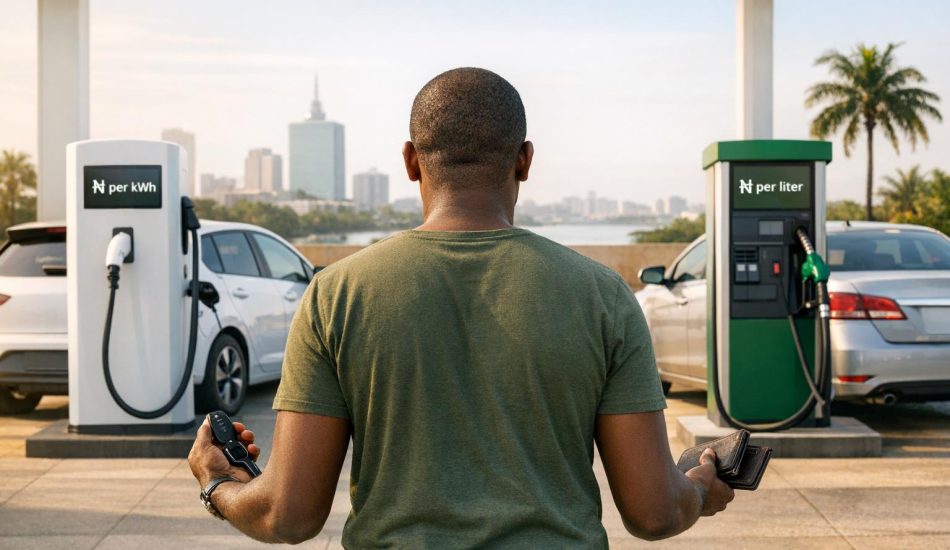
The government is making a bold move to encourage the adoption of electric vehicles (EVs) by slashing – or even eliminating – import duties on qualifying EVs. This policy, set to take effect in 2025, directly tackles one of the biggest hurdles for EV adoption: their higher upfront cost. For context, in 2023, the average price of an electric car in the country was around $20,000, double the cost of a gasoline-powered vehicle at approximately $10,000. While EVs are much cheaper to operate – up to 50% lower than traditional fuel-powered cars – the initial price tag has kept many potential buyers at bay.
To make EVs more affordable, the government has introduced fiscal and administrative incentives aimed at reducing purchase costs and making electric mobility a practical option. By lowering or eliminating import duties, they hope to accelerate EV adoption and meet their ambitious goal of having 10% of the national vehicle fleet be electric by 2030. This policy sets the stage for broader changes in the market, as outlined in other planned updates.
Although the exact eligibility criteria for these duty reductions are still being finalized, the overarching aim is clear: make EVs more competitive with traditional cars by reducing import costs. This shift reflects a broader recognition of EVs as essential tools in the fight against climate change and a step toward reducing the country’s carbon emissions.
For importers and dealerships, this change could be a game-changer. With lower import costs, dealerships can offer EVs at more attractive prices, making it easier for consumers to consider switching from gasoline-powered vehicles to electric ones. This reduction in financial barriers could mark a turning point for the country’s EV market.
2. New Value Added Tax (VAT) and Tax Incentives
Côte d’Ivoire is taking bold steps to make electric vehicles (EVs) more accessible by rolling out tax incentives designed to reduce both upfront and ongoing ownership costs. These measures aim to bridge the price gap that has long made EVs unaffordable for many. Building on the previously announced duty reductions, the government is tackling the financial barriers tied to EV ownership.
Officials have confirmed that the tax cuts extend beyond import duties. The plan includes a mix of tax and administrative measures that complement the reduced duties, creating a layered approach to make EVs more affordable. Given that the average electric vehicle costs roughly $20,000, these incentives are expected to significantly narrow the price gap.
Adding even more appeal, the government has introduced direct subsidies for EV buyers. Alongside reduced taxes at the point of import, consumers may now receive financial support when purchasing an EV. A decree passed in March 2025 formalizes these measures, underscoring the importance of both fiscal relief and streamlined administrative processes.
For importers and dealerships, these tax incentives create a more favorable business climate by allowing them to offer more competitive pricing. Reduced operating costs further enhance the appeal of EVs, helping to build a more dynamic and competitive market.
These efforts align with Côte d’Ivoire’s ambitious goal of having 10% of the national vehicle fleet electric by 2030. With fewer than 1,000 electric vehicles currently on the roads out of approximately 1.5 million total vehicles as of 2023, such aggressive policy measures are critical to accelerating EV adoption.
For those planning to import or purchase an EV in 2025, understanding these tax incentives is key. The combination of reduced import duties, lower VAT, and buyer subsidies could significantly shrink the cost gap between electric and gasoline vehicles, making the transition to electric mobility a much more practical option.
3. Updated Age, Condition, and Emissions Requirements for EV Imports
Côte d’Ivoire has revised its import rules for electric vehicles as part of a broader push toward reducing greenhouse gas emissions and encouraging cleaner transportation options. These updated guidelines aim to ensure that only newer, well-maintained vehicles are allowed into the market, aligning with the country’s goal of having 10% of its vehicle fleet made up of electric vehicles by 2030. This marks a step toward even stricter regulations expected in the future.
In addition to the fiscal incentives previously outlined, the new import standards now specify clear criteria regarding vehicle age, condition, and emissions. These updates have been formalized through a new decree, which integrates the standards into a broader package of incentives for electric vehicles. This streamlined approach combines regulatory measures with financial benefits to encourage adoption.
Meeting these updated standards is crucial for anyone looking to contribute to Côte d’Ivoire’s vision for cleaner and more sustainable transportation.
4. Battery Safety, Recycling, and Lifecycle Management
Côte d’Ivoire’s new decree takes a closer look at the entire lifecycle of EV batteries, introducing stricter regulations to ensure they are handled responsibly from importation to disposal. Starting in 2025, the country’s EV import laws will require comprehensive battery lifecycle management to help maximize ecological benefits and reduce waste.
Although detailed safety standards for batteries are still in development, the decree emphasizes the need for integrated battery management systems. This includes recycling processes that comply with environmental guidelines. It’s a step forward in tackling one of the region’s major challenges – the lack of clear policies for managing EV batteries – while aligning with Côte d’Ivoire’s broader environmental transition goals.
5. Homologation and Technical Standards for EV Imports
Côte d’Ivoire is set to revise its homologation and technical standards for imported electric vehicles in 2025, with specific details expected to be announced soon. These updates aim to build on previous reforms designed to enhance the safety and environmental responsibility of electric vehicles.
The upcoming changes are likely to reflect the unique features of electric vehicles, aligning with the country’s existing e-waste management regulations. Under these rules, importers are classified as "obligated producers", meaning they are responsible for managing battery waste throughout the vehicle’s lifecycle.
Importers will also need to navigate updated documentation and certification requirements. These adjustments are intended to ensure that only vehicles meeting the latest safety and environmental standards are allowed into the market.
sbb-itb-99e19e3
6. Revised Customs Procedures and Digital Systems
The government of Côte d’Ivoire has introduced a new decree aimed at simplifying customs procedures for electric vehicle (EV) imports. This move is part of a broader plan to encourage the adoption of EVs across the country. The decree includes administrative incentives specifically designed to make the import process smoother and reduce red tape for EV importers. These updates complement earlier fiscal incentives, creating a more streamlined regulatory framework.
This initiative is part of a larger strategy to foster a supportive environment for electric vehicles.
"Pour ce faire, le gouvernement a adopté un décret qui facilite l’introduction des véhicules électriques, notamment à travers : des incitations fiscales et administratives."
– Sputnik Afrique
While detailed information about the updated procedures and digital systems is still forthcoming, importers are encouraged to stay informed through official channels. Adjustments to current practices may be necessary to align with the new customs framework. By combining these administrative improvements with fiscal incentives, the government aims to accelerate the EV import process and advance its vision of greater EV adoption in Côte d’Ivoire.
7. Incentives for Public Transport and Fleet Electrification
Côte d’Ivoire’s upcoming 2025 import law changes are designed to fast-track the adoption of electric vehicles (EVs), with a particular focus on public transport operators and commercial fleet managers. The government has set an ambitious target: by 2030, 10% of the national fleet should be electric. To make this happen, they’re encouraging private sector involvement alongside state-led efforts.
To support this transition, the government has rolled out a mix of financial and regulatory incentives, making it more feasible for fleet operators to switch to electric mobility. Officials emphasize the importance of creating a supportive environment for private operators, highlighting their potential to drive EV adoption on a larger scale.
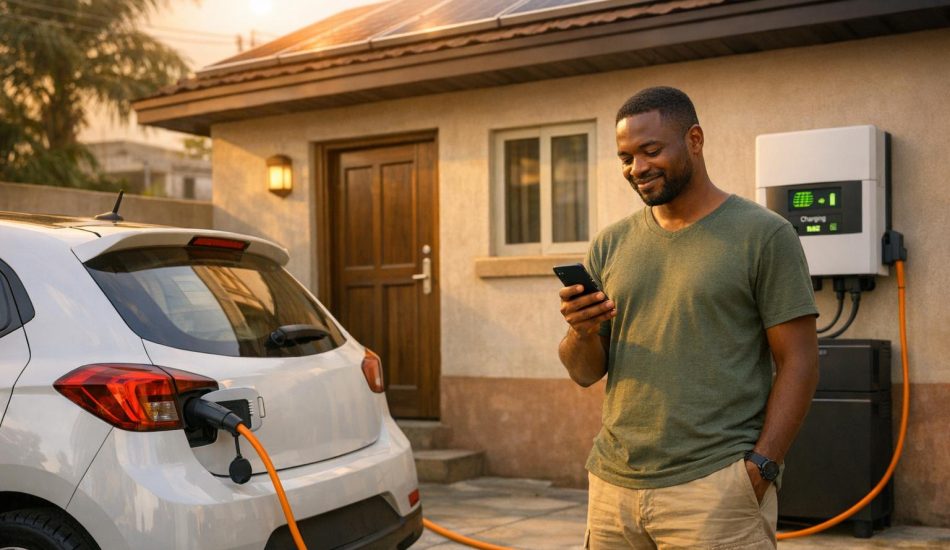
One of the biggest draws for fleet operators is the significant cost savings. Switching from fuel to electricity can cut operating costs by up to 50%. This is particularly impactful for businesses with high-mileage operations – like taxis, delivery services, and public transportation – where fuel expenses make up a large chunk of their budgets. These savings also pave the way for investments in necessary infrastructure, such as charging stations, and open doors for collaborative projects.
The government’s support doesn’t stop at tax incentives. New policies are facilitating the development of strategically placed charging infrastructure, ensuring that fleet operators have reliable access to charging points along major routes and in urban areas. This addresses common concerns about range and reliability, especially for commercial use.
Public-private partnerships are also a cornerstone of this strategy. The government is teaming up with private companies to create comprehensive electric mobility solutions. These policies also cover sustainable practices for managing batteries and vehicle lifecycles, helping fleet operators align with environmental standards while making the shift to EVs. By combining eco-friendly measures with operational efficiency, the transition to electric mobility becomes smoother and more practical for fleet managers.
Although electric vehicles currently cost around $20,000 – double the price of a gasoline vehicle at $10,000 – import incentives and lower operating expenses help offset the higher upfront investment. Over the vehicle’s lifetime, these savings make EVs a viable option for fleet managers, allowing them to plan for the future without worrying about regulatory hurdles.
8. Charging Infrastructure and Equipment Import Rules
Building a reliable charging network is a cornerstone of Côte d’Ivoire’s push toward electric vehicles (EVs), backed by fiscal and administrative measures outlined in the 2025 decree.
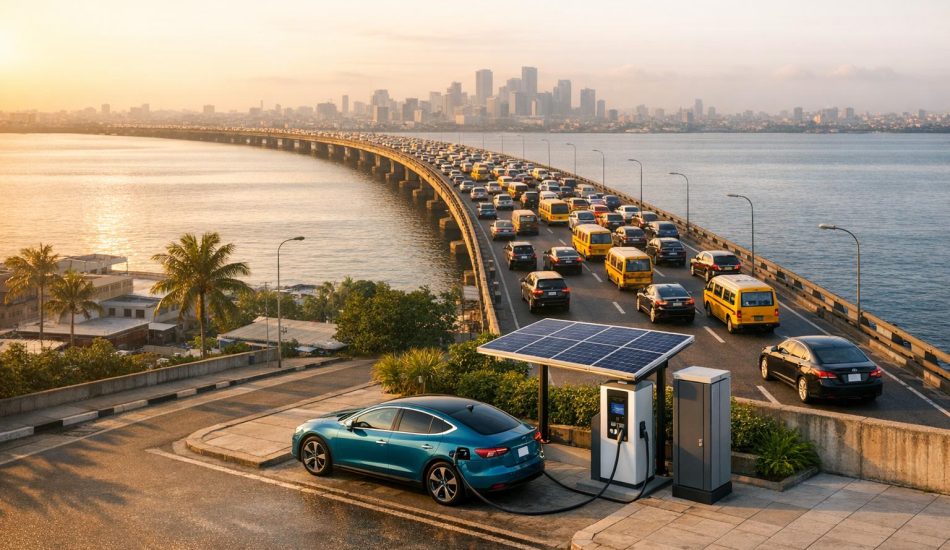
Currently, with about 1.5 million vehicles on the roads and fewer than 1,000 of them being electric as of 2023, expanding the charging infrastructure is a pressing need. The government estimates that by 2030, approximately 1,500 charging stations will be required to meet the goal of having 10% of the national vehicle fleet powered by electricity. To address this, new import incentives have been introduced, targeting charging infrastructure specifically.
To ease the financial burden, the government has announced reductions in import duties and tax breaks for charging equipment, although the exact duty rates are not yet finalized. Starting July 1, 2025, the government plans to allocate 50 billion CFA francs annually (around $82 million) from a restructured petroleum tax. This funding will bolster critical electricity sector projects, including the "Electricity For All Program", which aims to strengthen the national power grid – an essential step for supporting a widespread EV charging network.
In March 2025, Dioman Coné, a representative from the Ministry of Transport, highlighted the government’s commitment:
"The Ivorian government has the objective, by 2030, to reach 10% of electric vehicles in the State’s vehicle fleet and to create an ecosystem favorable to their adoption by private actors setting the example."
The decree also paves the way for public-private partnerships to install charging stations in major urban centers and along key highways. Private companies now have the opportunity to import charging equipment at reduced costs, benefiting from government-backed initiatives to ensure a more reliable power grid and clear regulatory guidelines.
While technical standards for charging equipment are still under development, importers are advised to stay informed as the government releases further details.
For businesses looking to import charging equipment, the combination of tax incentives, significant infrastructure funding, and a clear 2030 target creates a supportive environment. These measures align with Côte d’Ivoire’s broader EV strategy and its goal of achieving a 10% electric vehicle fleet by the end of the decade.
Comparison Table
The table below highlights eight major changes being introduced by the Ivorian government to encourage the adoption of electric vehicles (EVs). These reforms include fiscal incentives like reduced import duties and adjusted VAT measures, though specific rates are yet to be confirmed.
| Change Area | Overview |
|---|---|
| Zero or Reduced Import Duties | Import duties for qualifying EVs will be reduced or waived (details pending). |
| New VAT and Tax Incentives | Adjustments to VAT and other fiscal benefits aim to make EVs more competitive. |
| Updated Age, Condition, and Emissions Requirements | New standards will regulate the age, condition, and emissions of imported EVs. |
| Battery Safety, Recycling, and Producer Responsibility | Policies to ensure battery safety and establish recycling protocols in line with environmental goals. |
| Homologation and Technical Standards | Revised technical and certification standards to ensure imported EVs meet stringent safety requirements. |
| Revised Customs Procedures and Digital Systems | Streamlined customs processes through digital tools to simplify EV imports. |
| Incentives for Public Transport and Fleet Electrification | Measures to promote the electrification of public transport and commercial vehicle fleets. |
| Charging Infrastructure and Equipment Import Rules | Regulations to ease the import of charging equipment, supporting the expansion of EV infrastructure. |
In 2023, Côte d’Ivoire’s vehicle fleet totaled around 1.5 million, with fewer than 1,000 of these being electric. The transport sector also accounted for roughly 30% of the country’s CO2 emissions. Buyers, importers, and manufacturers should stay informed as further details on these measures are finalized.
Conclusion
Côte d’Ivoire’s 2025 reforms for EV imports aim to modernize transportation while advancing climate objectives. The eight policy changes establish a structured framework that emphasizes compliance, quality, and clear standards for imported vehicles. These updates provide essential guidance for buyers, importers, and fleet operators navigating the evolving landscape.
For EV buyers, the reforms offer the opportunity to save on upfront costs and taxes by choosing newer, compliant models. To benefit, ensure vehicles are no older than five years, come with complete documentation, and meet the updated safety standards. Given that import taxes have historically hovered around 40–43% of a vehicle’s CIF value, even partial tax relief could lead to noticeable savings.
Importers are required to provide thorough documentation, including homologation certificates, battery safety reports, conformity assessments, and CIF valuations. The transition to digital customs systems may speed up clearance for well-prepared submissions, though incomplete or inconsistent filings could attract stricter scrutiny. Fleet operators and public transport providers can also take advantage of electrification incentives by aligning their procurement strategies with the updated regulations and ensuring charging infrastructure compatibility.
To stay within the rules, it’s essential to verify that vehicles meet the age, technical, and safety requirements, prepare all necessary documentation, and keep up with official announcements. This compliance is key to supporting the national target of achieving a 10% EV fleet by 2030. Additionally, it’s important to calculate the full landed cost of a vehicle – not just its purchase price – by factoring in duties, VAT, and other levies, even when incentives are available.
Platforms like EV24.africa simplify the process by offering tools to identify compliant vehicles, provide transparent landed-cost estimates, and manage logistics with experienced customs brokers. Featuring a wide range of brands such as Tesla, BYD, Leapmotor, ROX, Dongfeng, Geely, Hyundai, Toyota, and Suzuki, the platform also handles customs clearance and local registration, minimizing delays and reducing regulatory risks.
FAQs
How will lower or removed import duties on electric vehicles affect the cost of owning an EV in Côte d’Ivoire?
Cutting or removing import duties on electric vehicles (EVs) can dramatically bring down their initial purchase price. This shift would make EVs more accessible to both individuals and businesses, paving the way for broader adoption.
Beyond just the upfront savings, reduced import costs could also lower the long-term expenses of owning an EV. With easier access to models featuring advanced technology and improved efficiency, consumers could benefit from vehicles that are not only more affordable but also more efficient. This move represents an important push toward greener transportation solutions in Côte d’Ivoire.
What tax incentives and subsidies are available for buying electric vehicles in Côte d’Ivoire starting in 2025?
Starting in 2025, Côte d’Ivoire plans to roll out tax cuts on import duties and government subsidies to promote the use of electric vehicles (EVs). The goal is to make EVs more accessible and budget-friendly for both private buyers and businesses.
These incentives will include reduced import taxes on qualifying EVs, along with financial assistance programs to help offset initial purchase costs. While the exact details – like which vehicles qualify and the size of the subsidies – haven’t been finalized, updated regulations will provide clarity. Keeping up with these changes will be crucial to taking full advantage of the benefits.
What are the updated technical and safety requirements for imported electric vehicles in Côte d’Ivoire, and how will they impact buyers and importers?
Starting in 2025, Côte d’Ivoire will enforce new rules for imported electric vehicles (EVs), aligning them with updated local safety standards and international technical regulations. These regulations will cover aspects like vehicle age limits, stricter emission controls, and compliance with defined technical specifications.
For importers, this means reevaluating sourcing strategies to meet these requirements. Buyers, on the other hand, can look forward to EVs that offer improved safety features and meet higher environmental standards. Staying up to date on these changes is crucial to sidestep potential delays or unexpected costs during the importation process.